
 PME AUTOMATION
Multi-Winding Coil Winding Machine: Three Windings on One Platform
PM Electronics introduces a space-saving coil winding machine that completes multiple windings on one platform, reducing equipment and part handling.
Read guideAutomation knowledge
Clear, production-focused guidance for manufacturers planning winding, insertion, taping, soldering, testing or a complete automation line.
PME AUTOMATIONPM Electronics introduces a space-saving coil winding machine that completes multiple windings on one platform, reducing equipment and part handling.
Read guide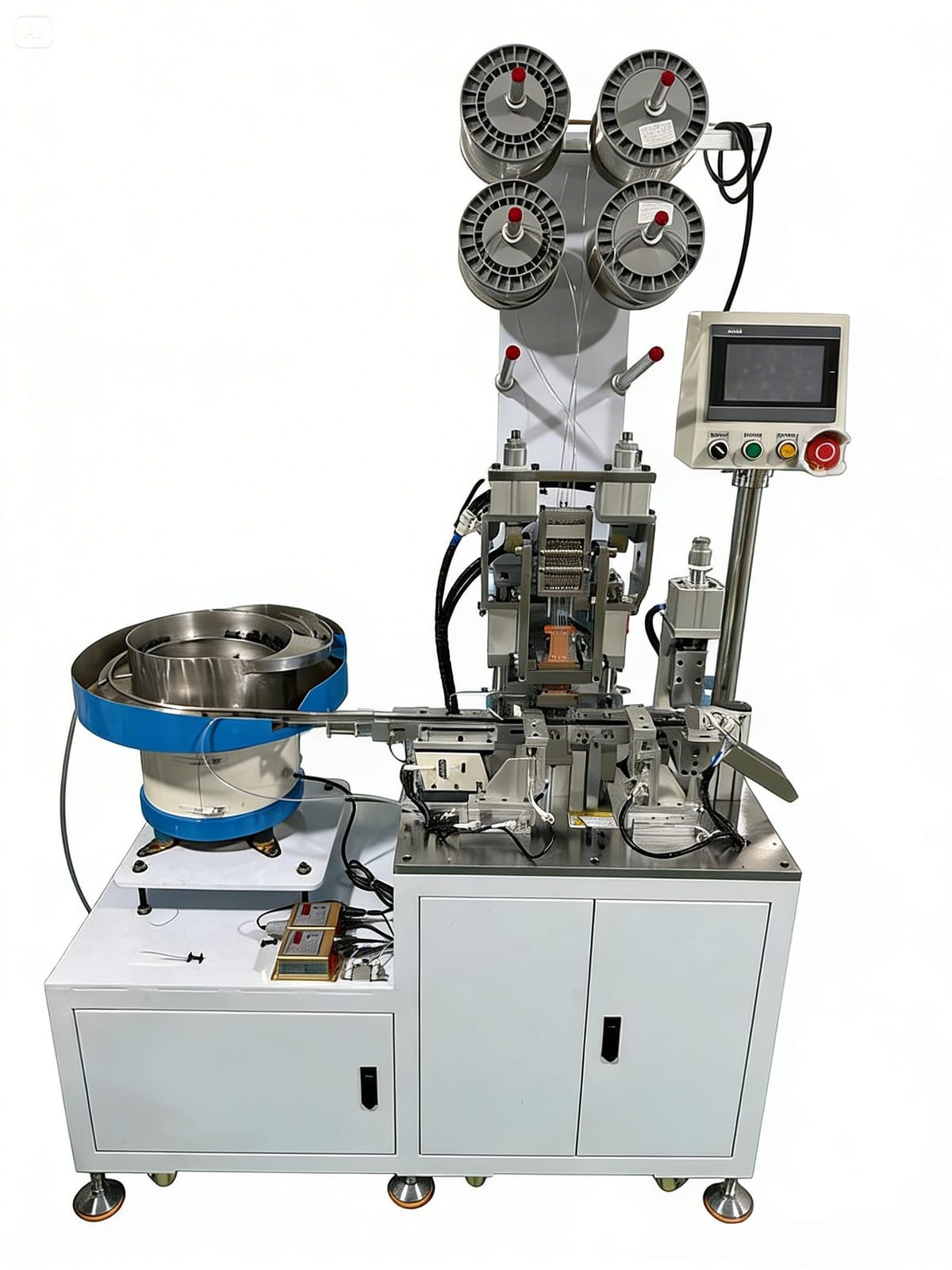 PME AUTOMATION
Design bobbins that wind, handle and transfer reliably by controlling the winding window, terminals, datums and production variation.
Read guide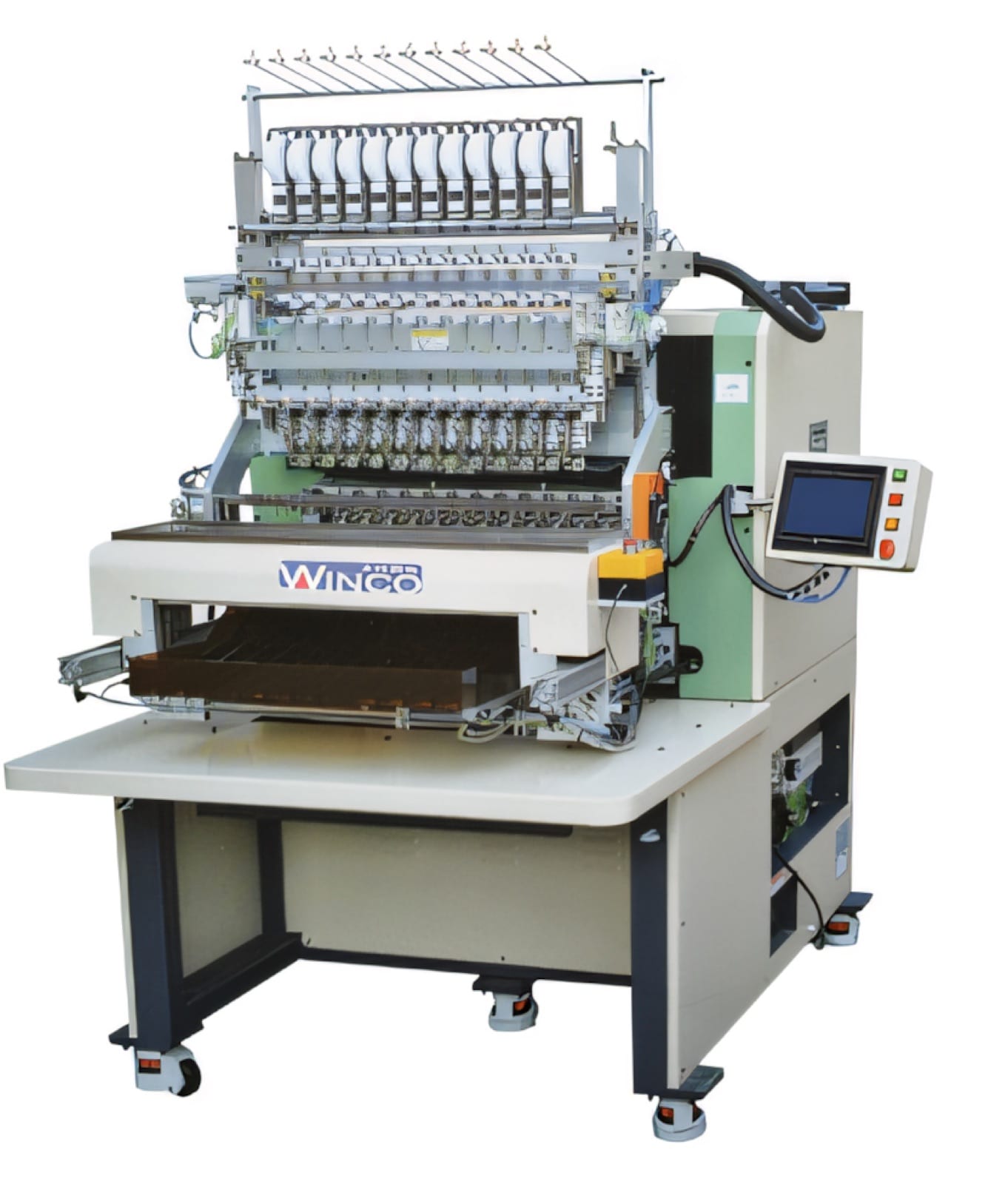 PME AUTOMATION
Find the real causes of magnet-wire breaks by examining the material path, tension, acceleration, tooling and production setup together.
Read guide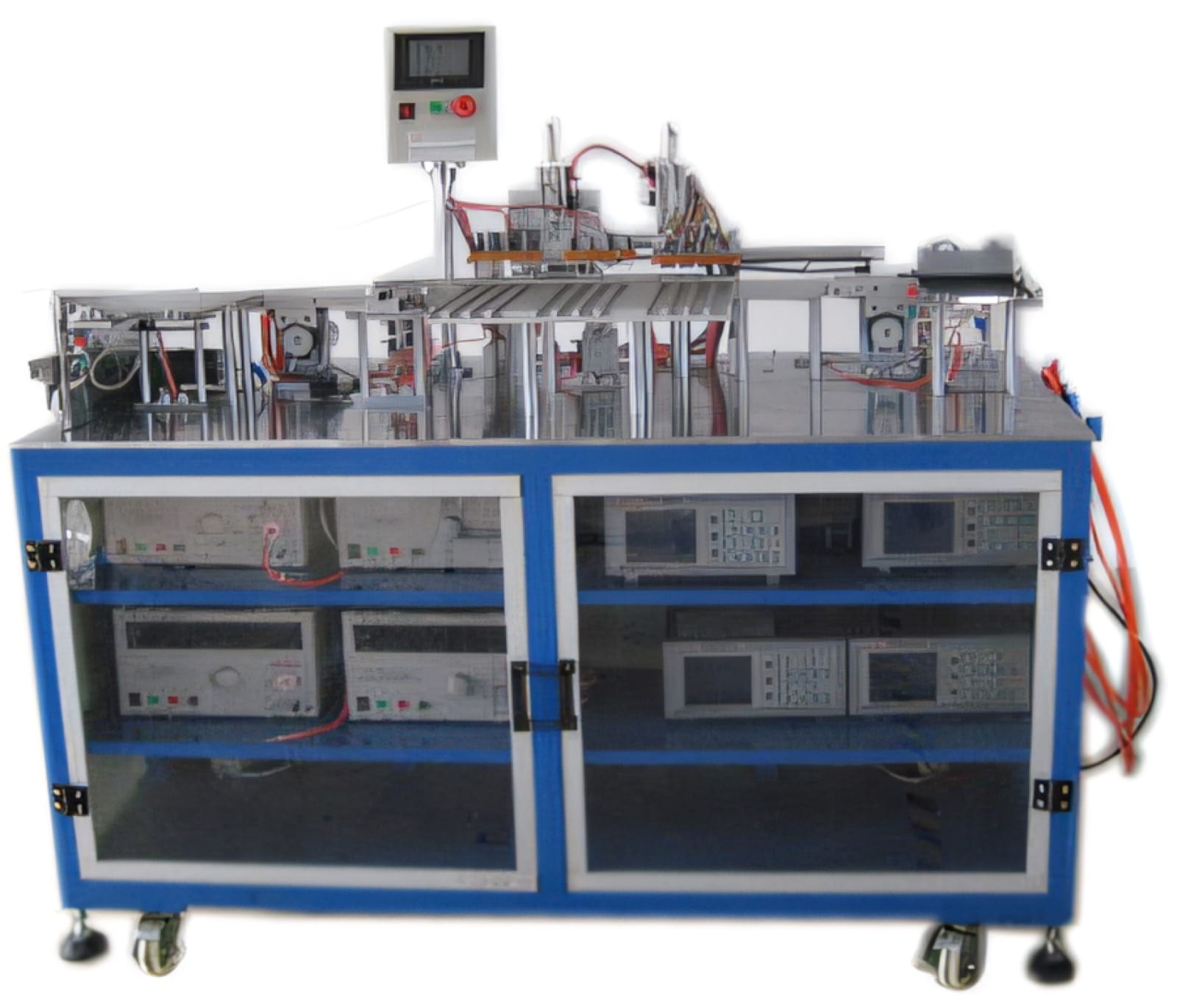 PME AUTOMATION
Plan practical camera inspection by defining visible defects, stable presentation, lighting, decision limits and reject handling.
Read guide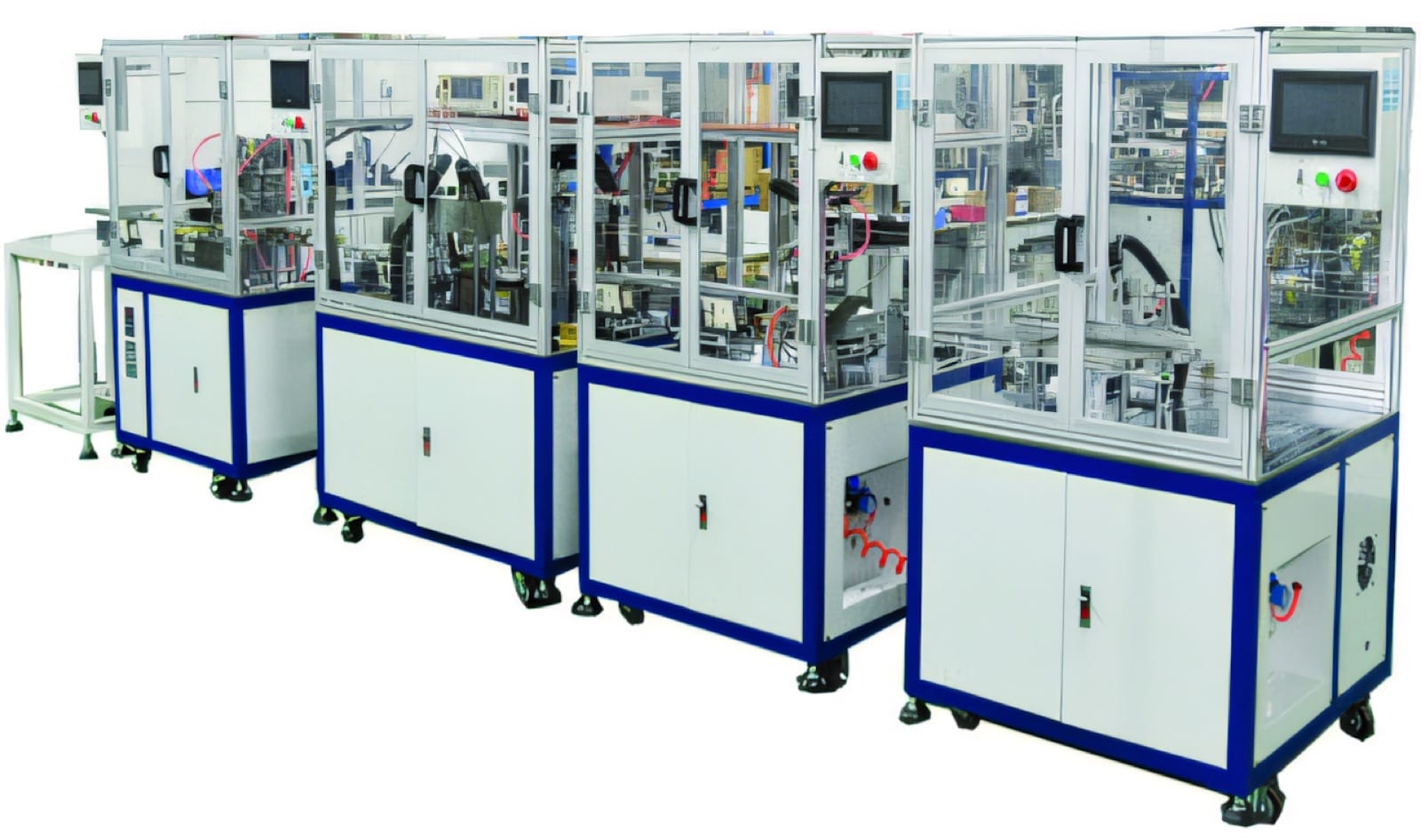 PME AUTOMATION
Understand how to turn dielectric-strength and insulation-resistance requirements into a safe, repeatable production test process.
Read guide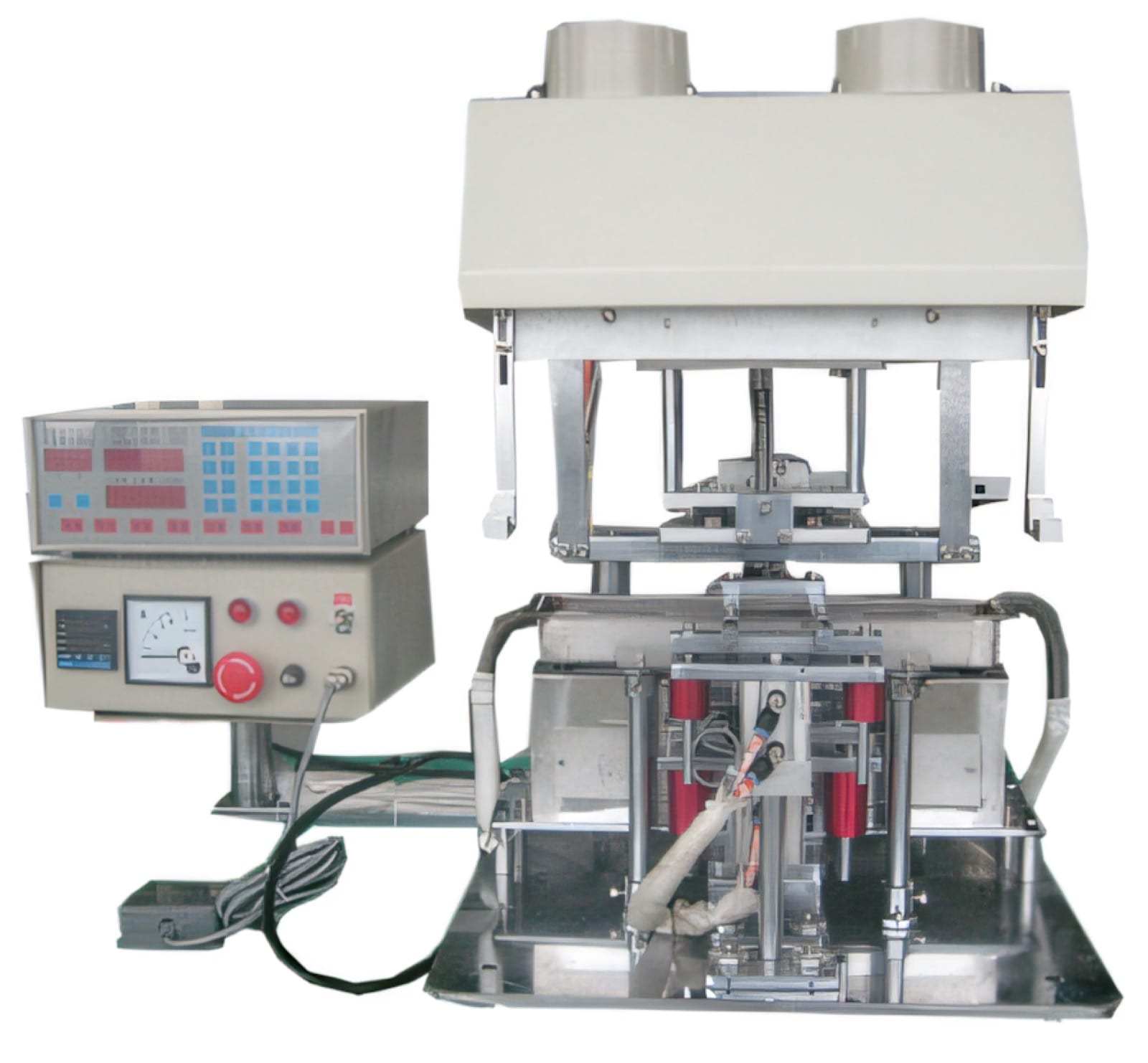 PME AUTOMATION
Choose and control flux as part of the complete soldering process, from terminal preparation and application to heating, cleaning and inspection.
Read guide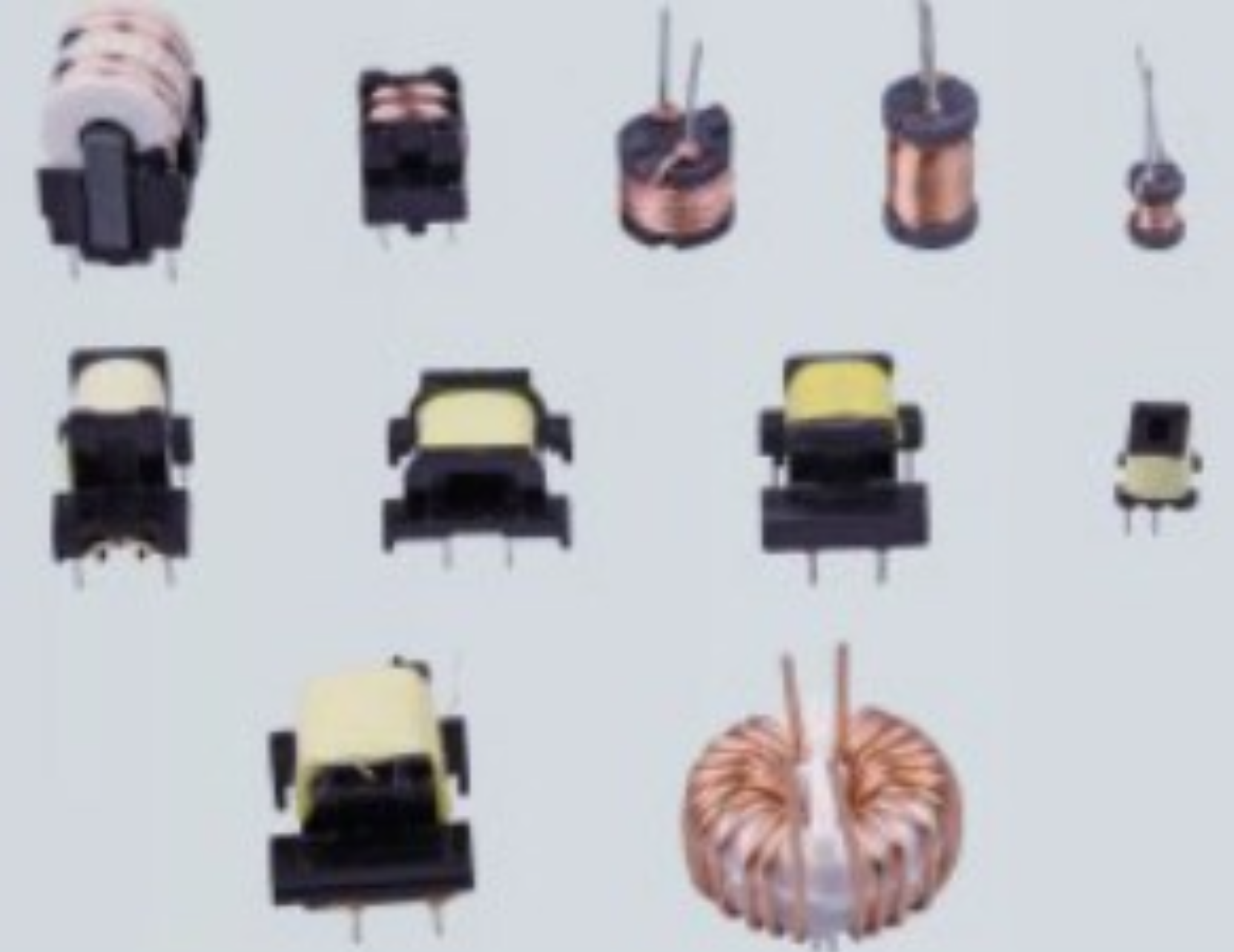 PME AUTOMATION
Design fixtures that control terminal position, immersion, drainage and heat exposure while remaining easy to load, clean and change.
Read guide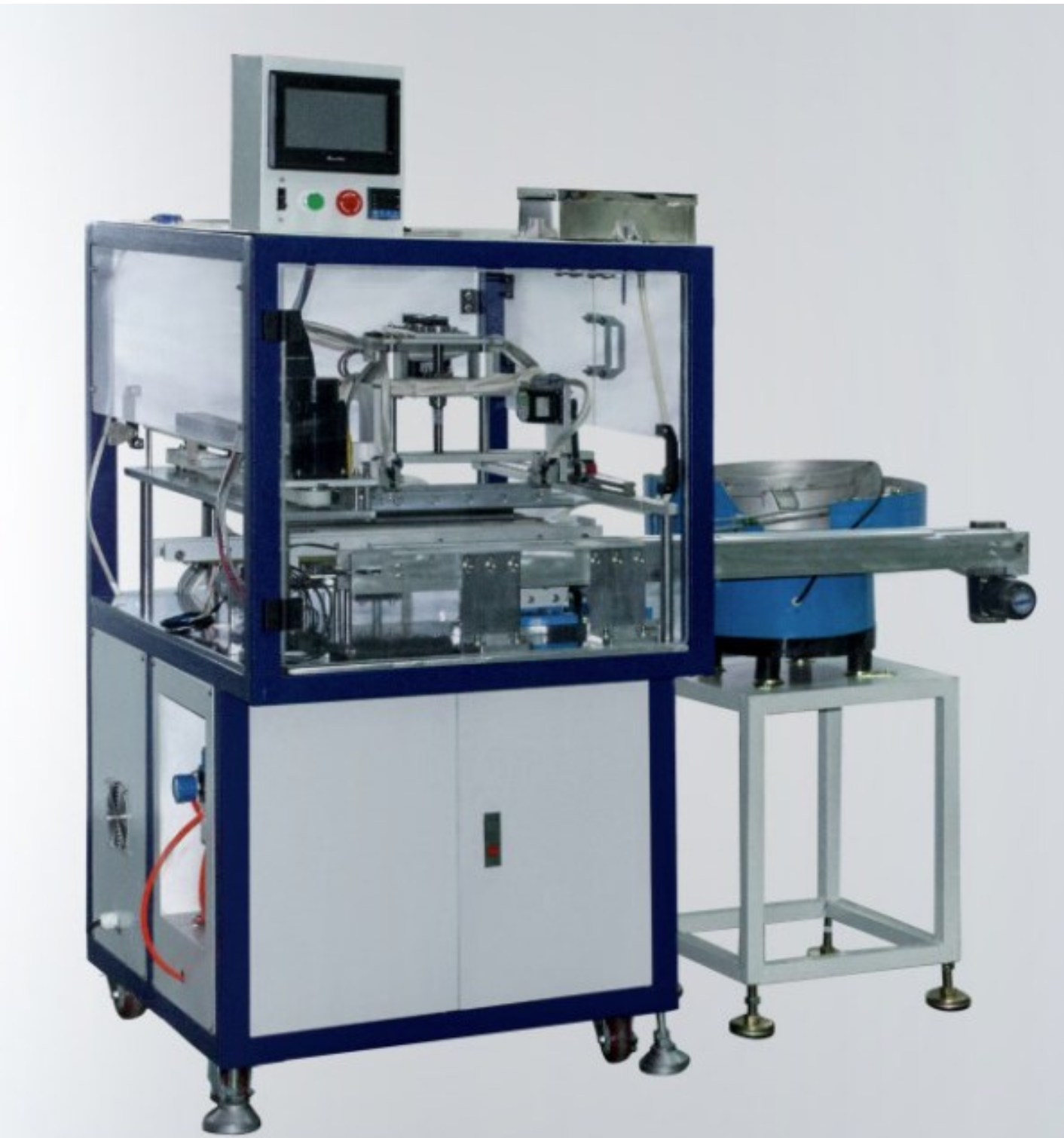 PME AUTOMATION
Compare three practical ways to load an automatic dip-soldering machine and choose the right method for part variety, output and operator involvement.
Read guidePME AUTOMATIONA practical troubleshooting guide to the most common dip-soldering defects in coil, transformer and relay production.
Read guide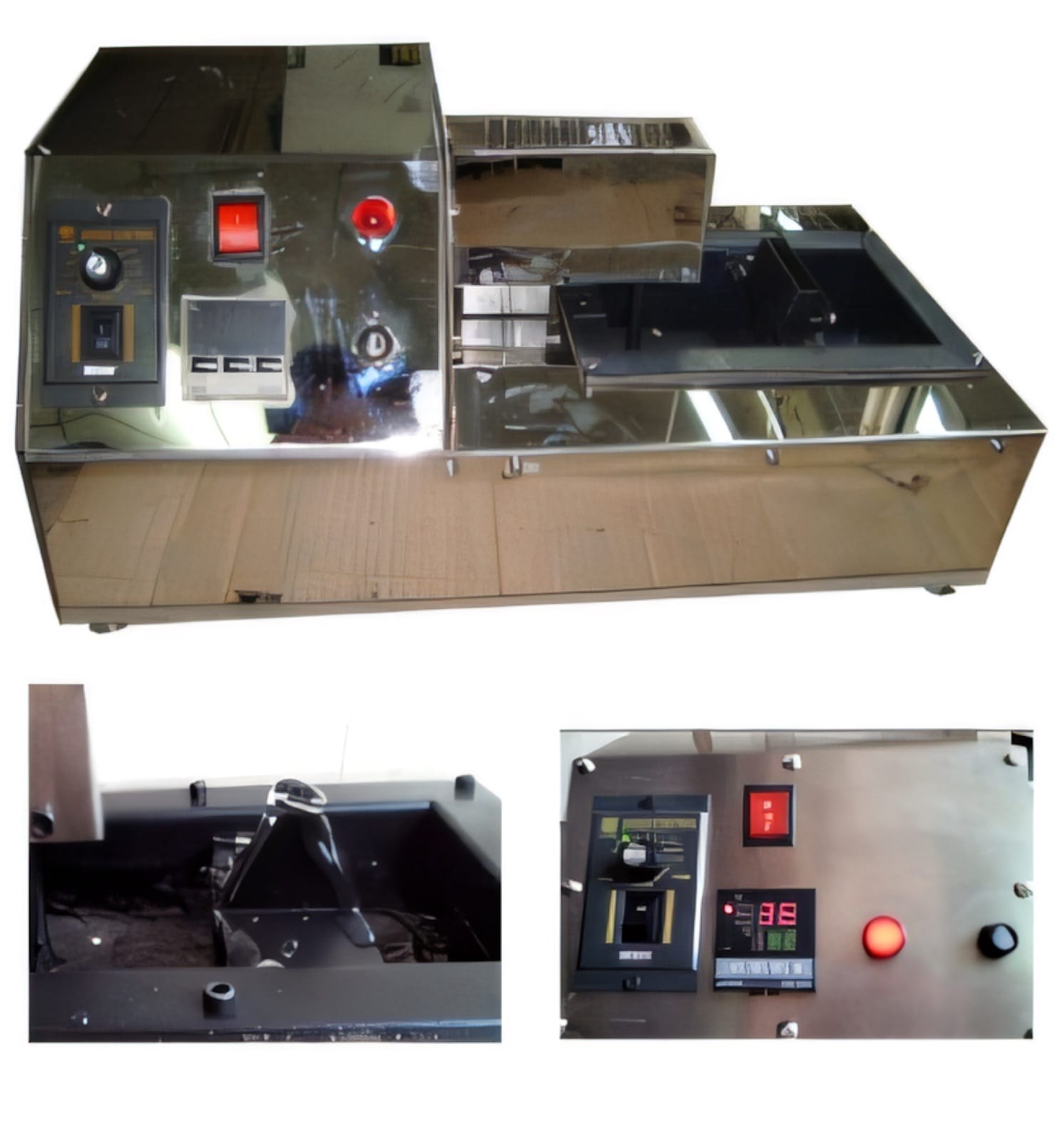 PME AUTOMATION
Reduce avoidable solder loss and process variation by controlling bath exposure, temperature, cleaning and replenishment.
Read guide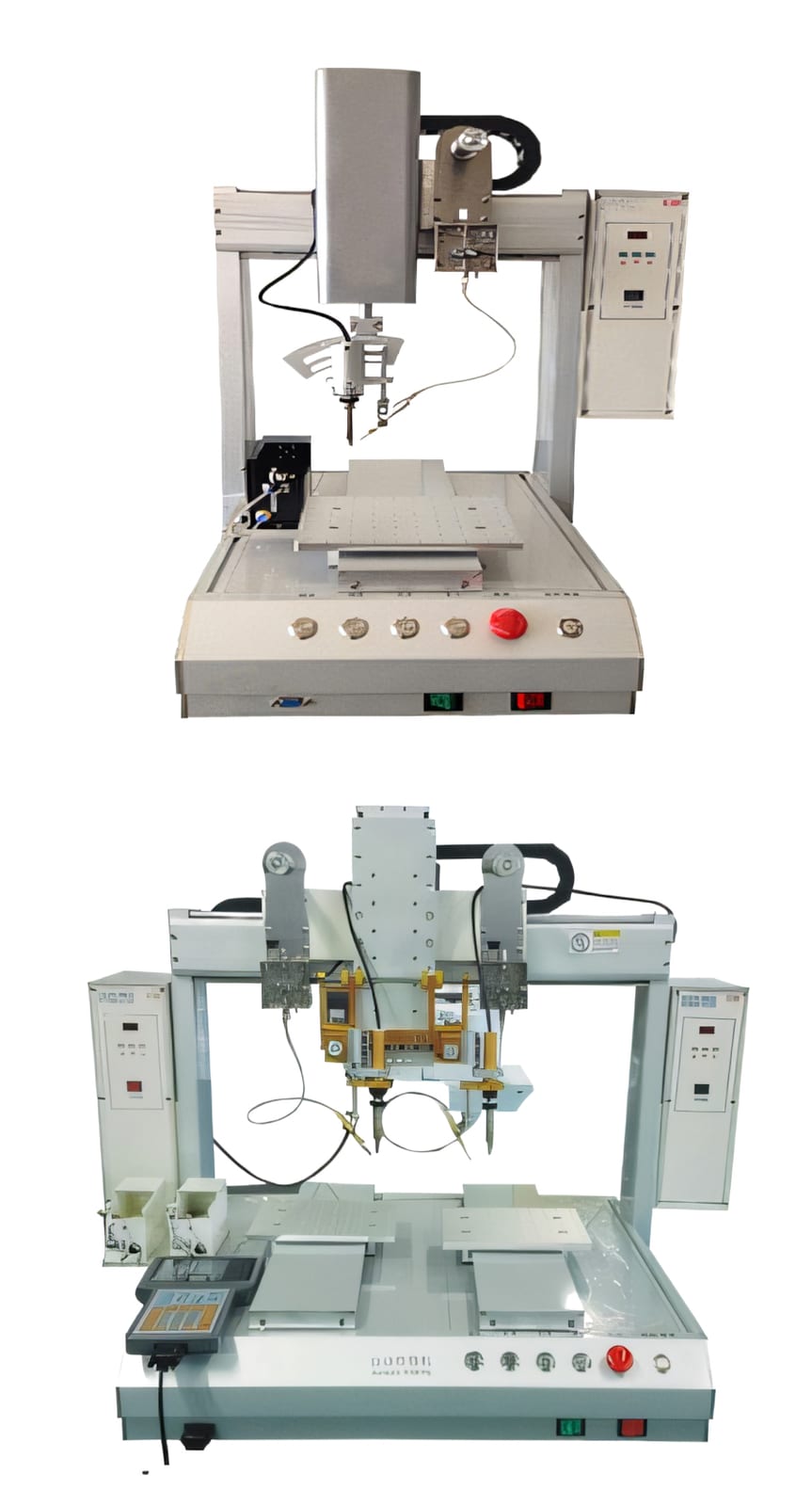 PME AUTOMATION
Compare two common joining processes by material compatibility, heat input, joint requirements, cycle and inspection needs.
Read guide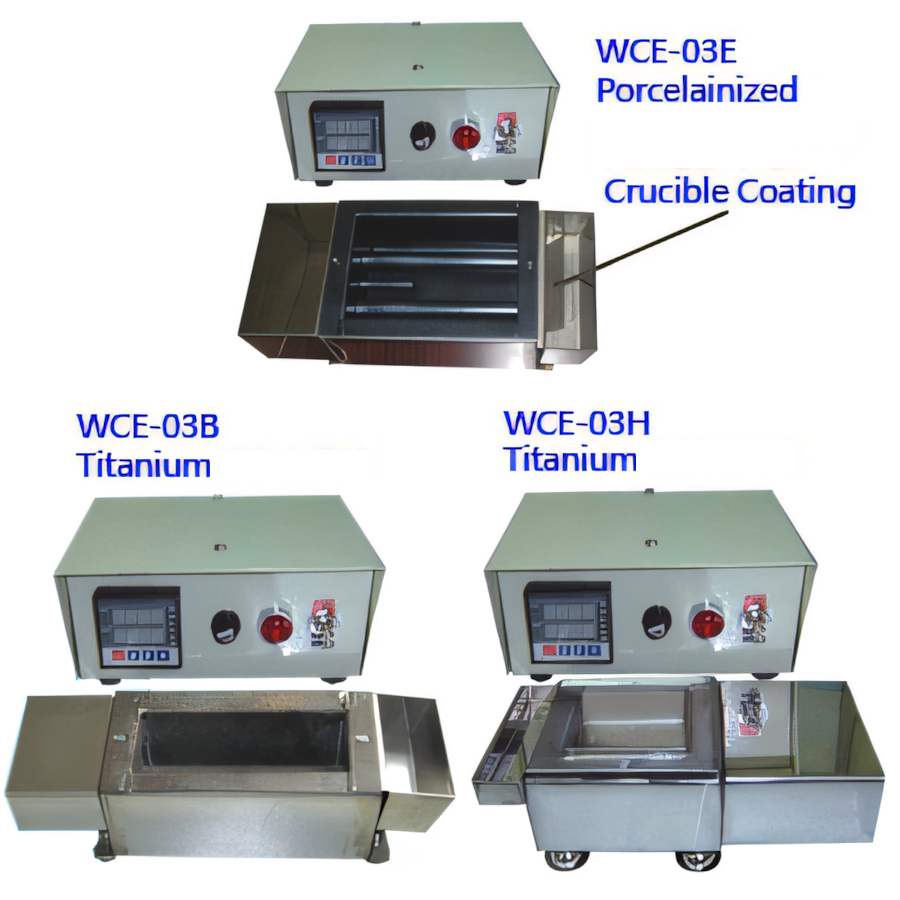 PME AUTOMATION
Select crucible construction, capacity, temperature control and operating features for a stable lead-free dip-soldering process.
Read guide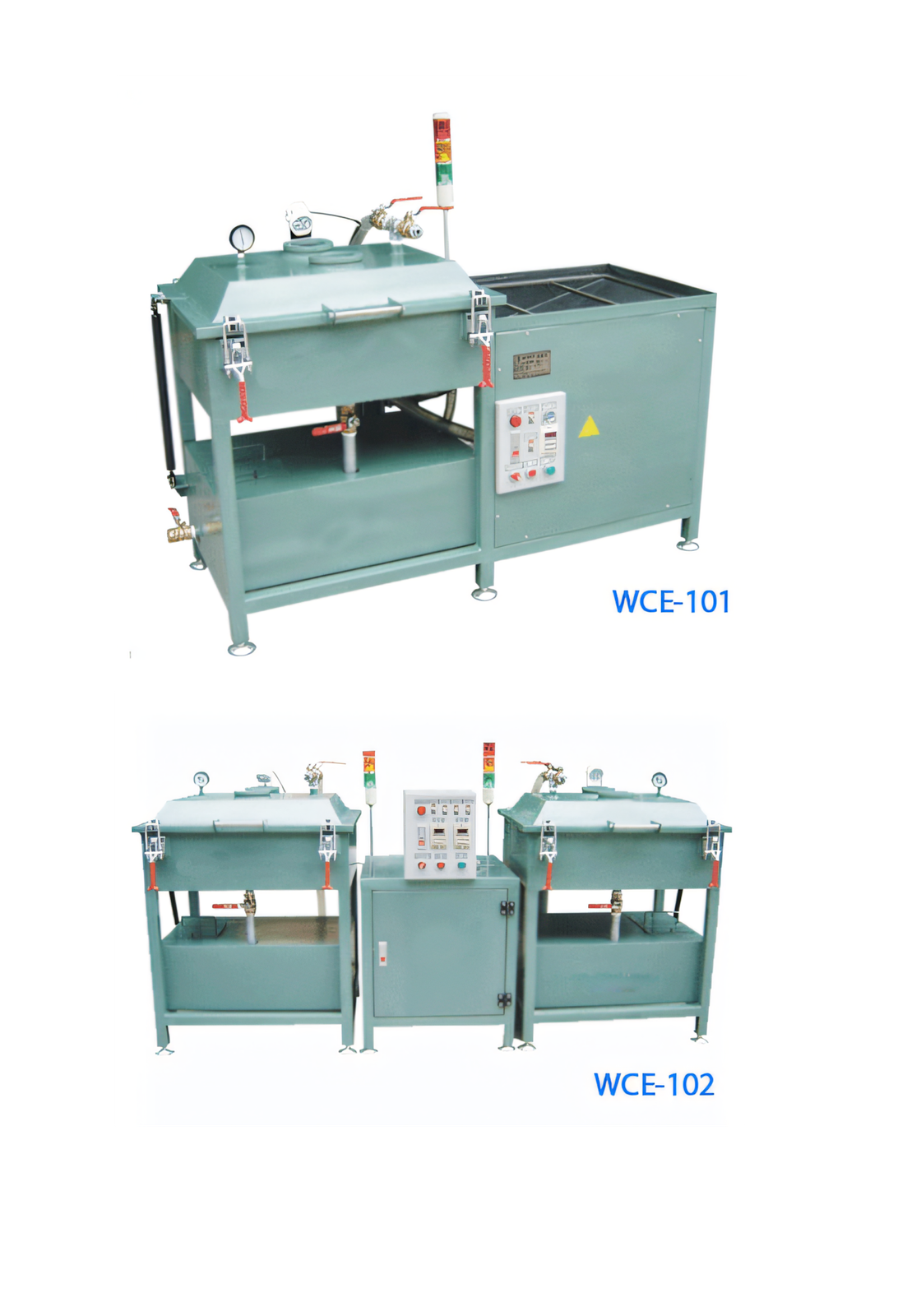 PME AUTOMATION
Understand the production stages, material controls and validation checks behind a consistent vacuum-impregnation process.
Read guidePME AUTOMATIONCompare vessel arrangements, production flow, material handling and maintenance before choosing an impregnation system.
Read guide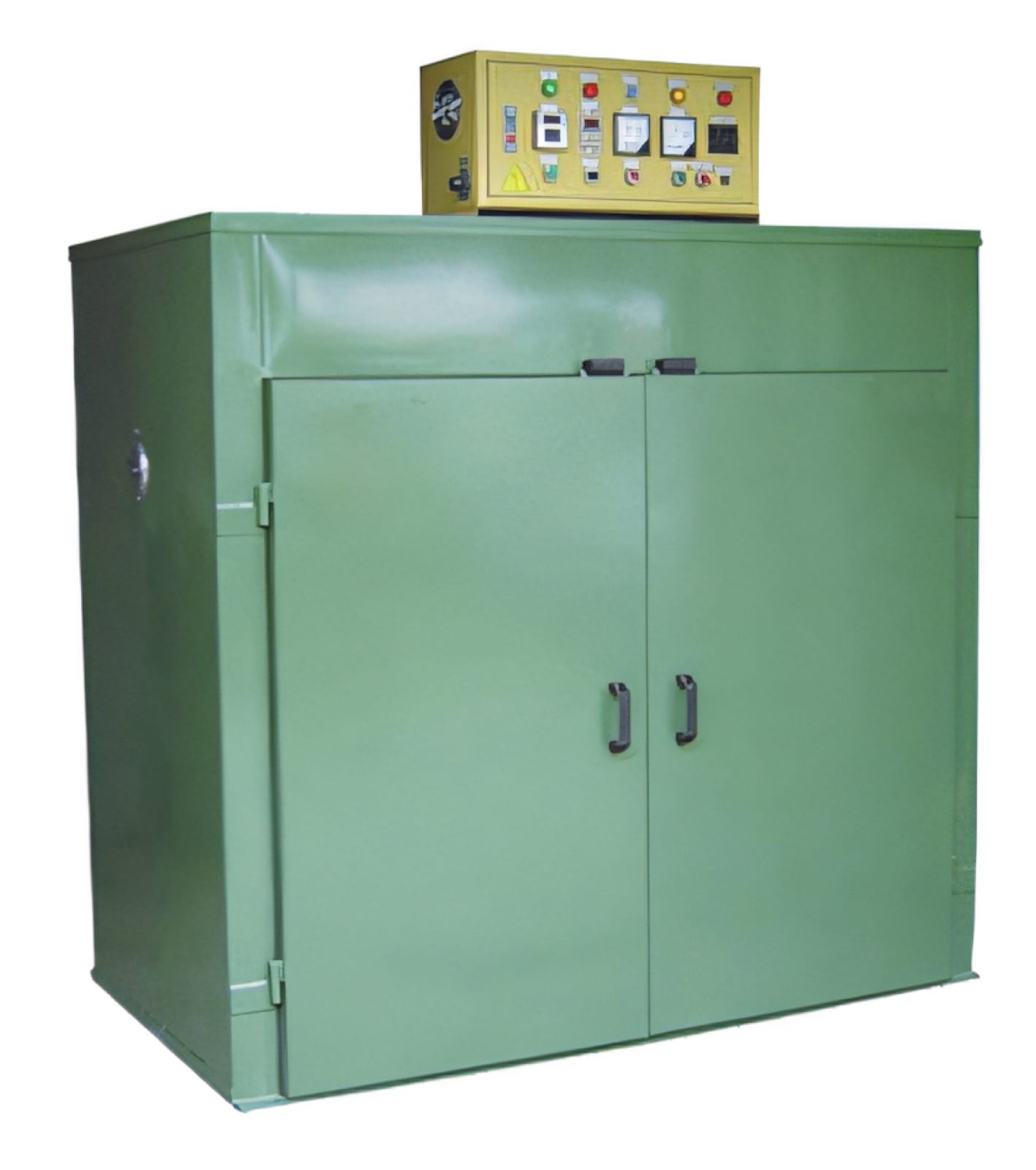 PME AUTOMATION
Plan a stable curing process by controlling load pattern, airflow, component temperature, recipe records and oven recovery.
Read guide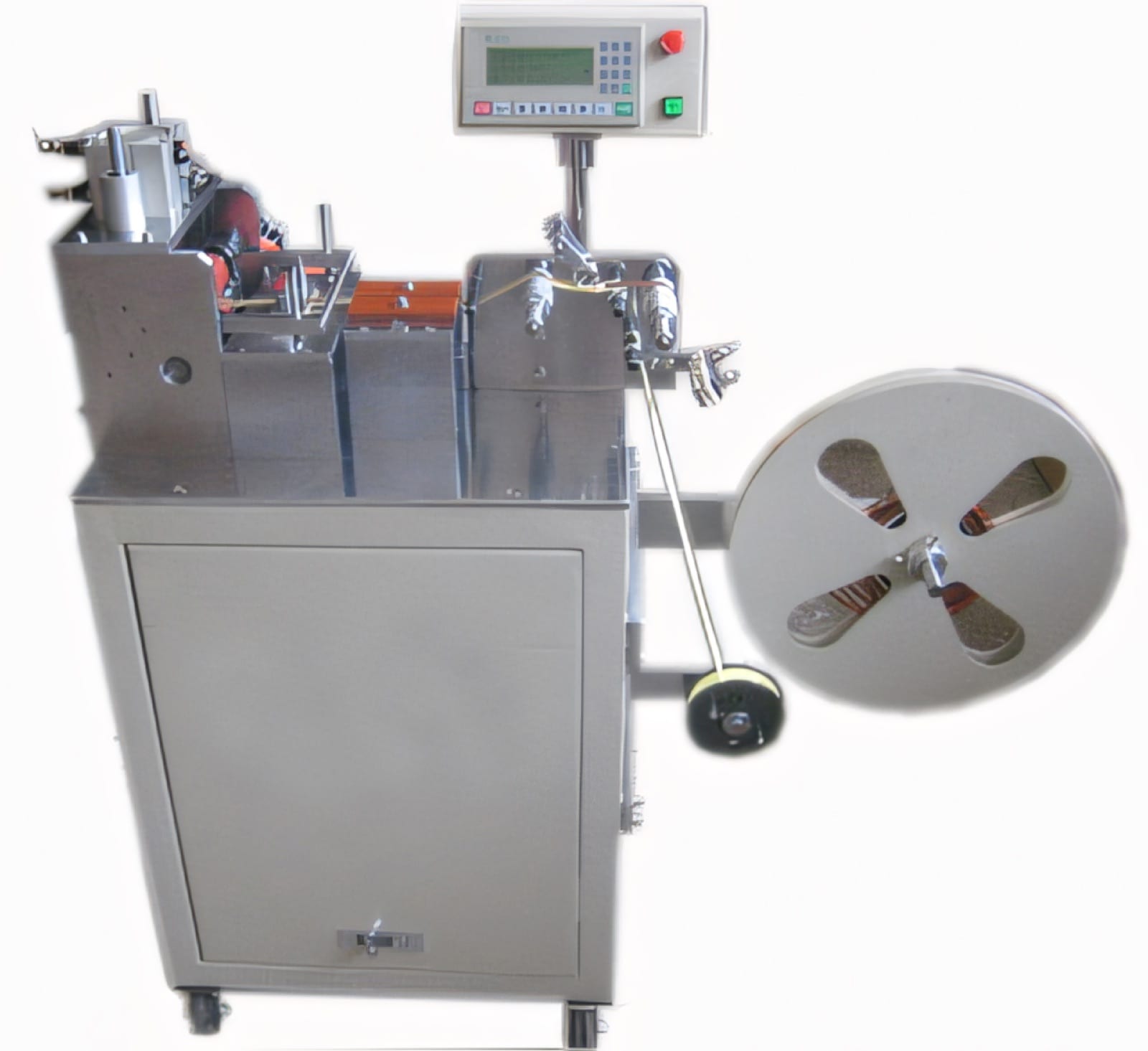 PME AUTOMATION
Control foil preparation and application for repeatable shielding, grounding or winding-related transformer operations.
Read guide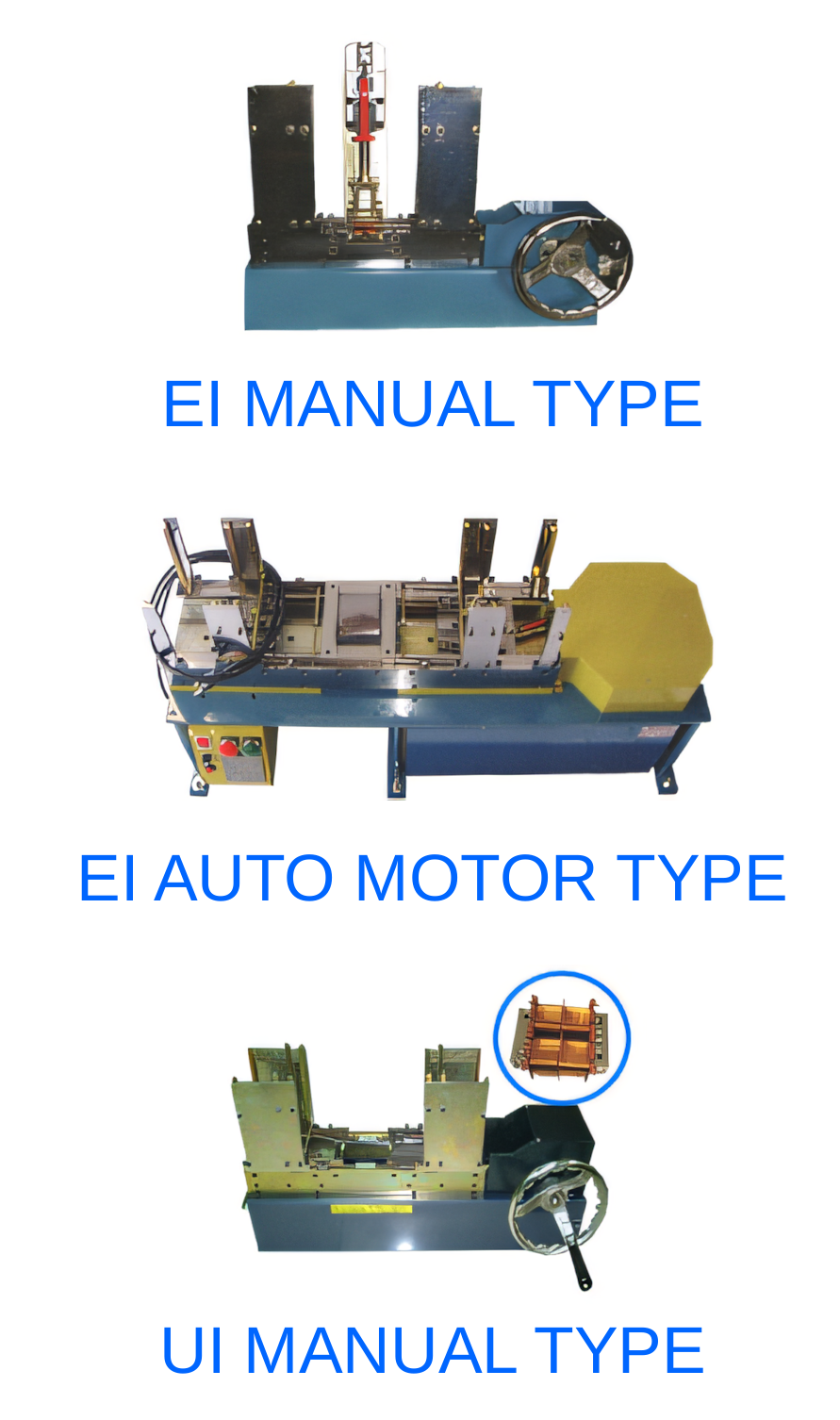 PME AUTOMATION
Plan reliable core-plate handling, orientation, insertion force and verification for transformer assembly automation.
Read guide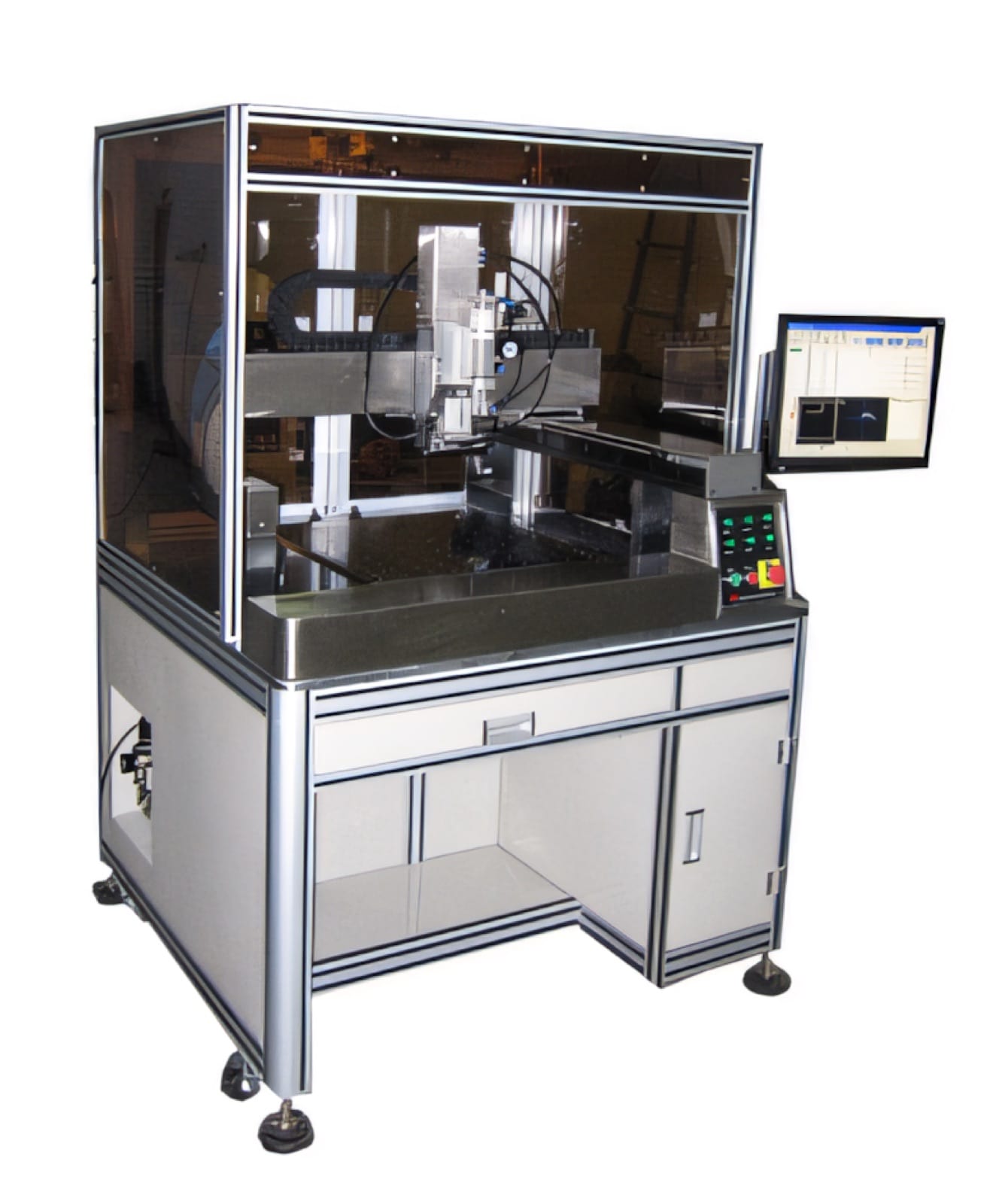 PME AUTOMATION
Compare conductive adhesives with two-component epoxy by function, mixing, motion, cure and production controls.
Read guide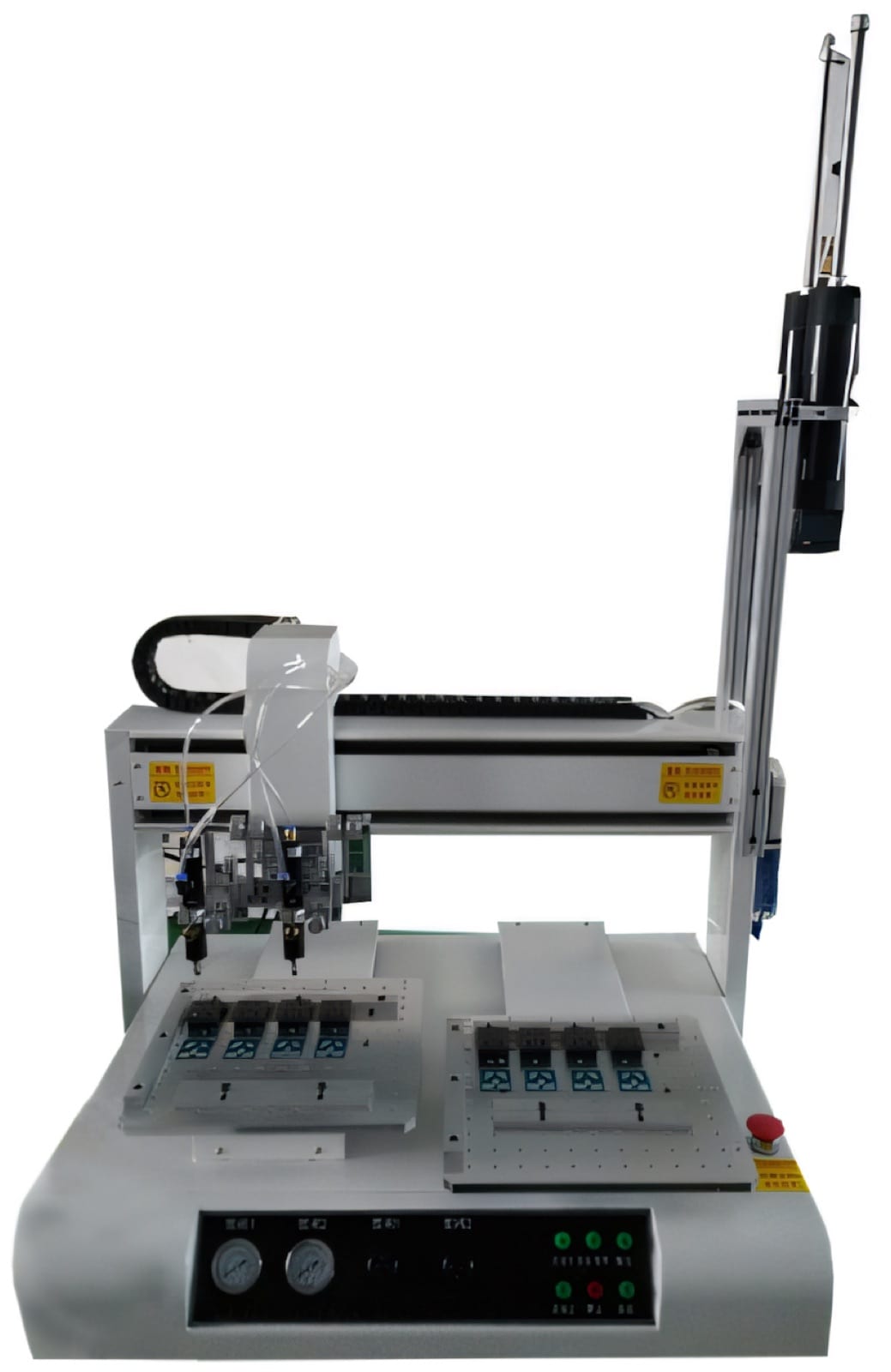 PME AUTOMATION
Troubleshoot unstable adhesive, resin and paste deposits by controlling material preparation, pressure, tips and machine motion.
Read guidePME AUTOMATIONBuild a production relay-testing process around approved electrical limits, stable contacts and controlled reject handling.
Read guide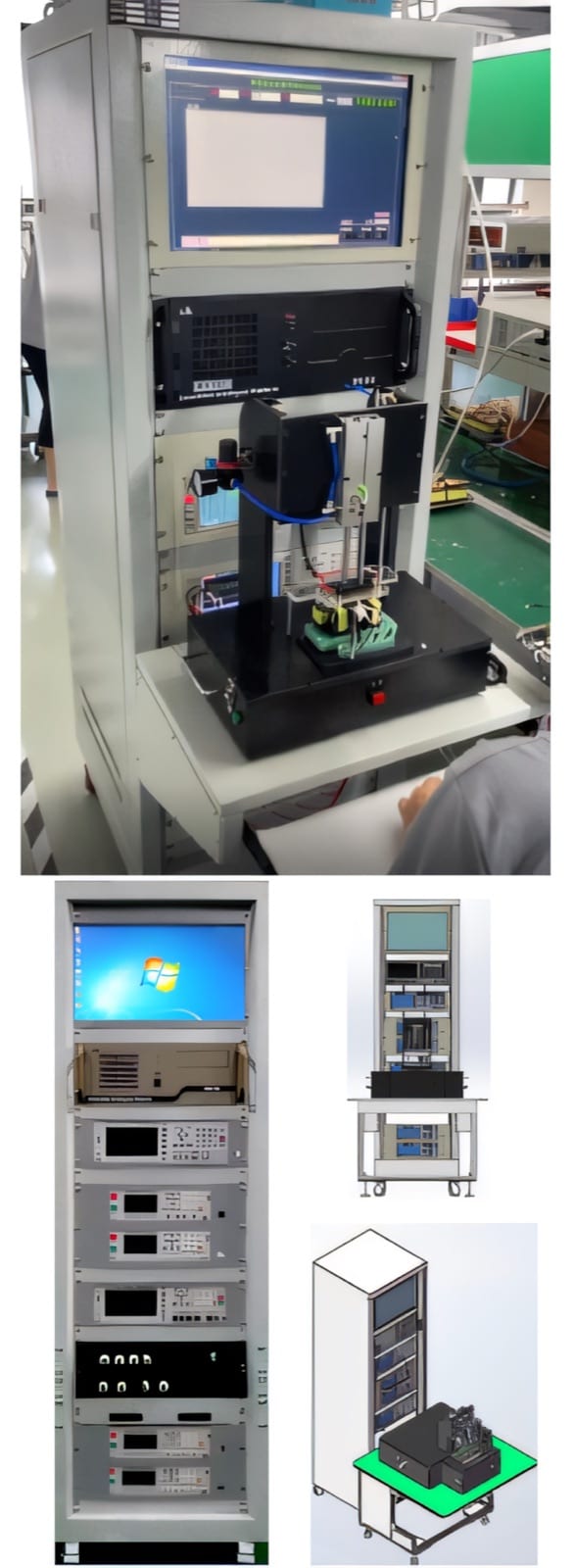 PME AUTOMATION
Plan reliable production measurements for inductance, resistance and related parameters without turning the line into a laboratory bottleneck.
Read guidePME AUTOMATIONUnderstand vibratory feeding, orientation tooling and the part characteristics that determine whether bowl feeding will be reliable.
Read guide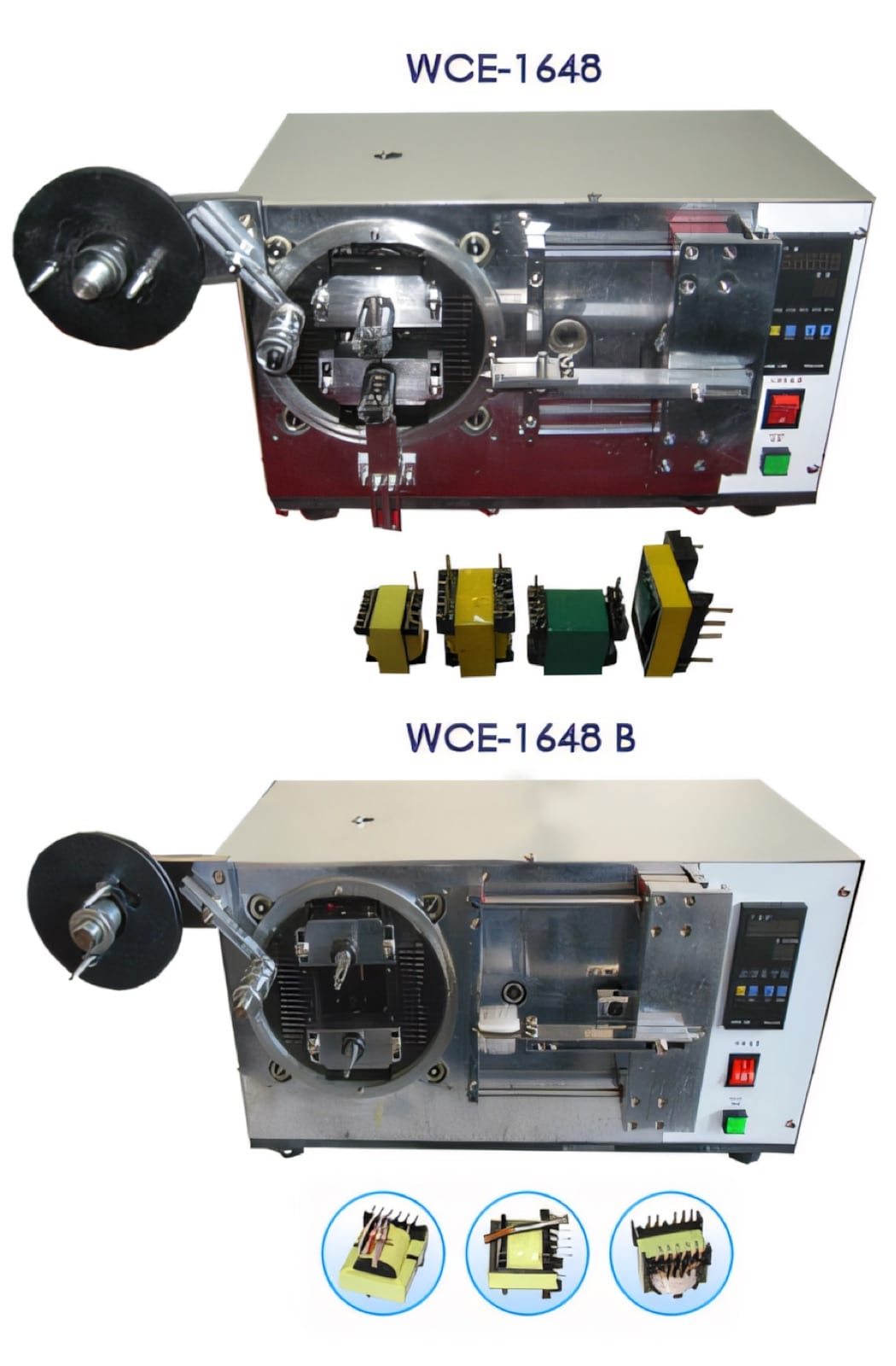 PME AUTOMATION
Find and prevent common coil and core taping defects by controlling material, tension, tooling, motion and changeover.
Read guide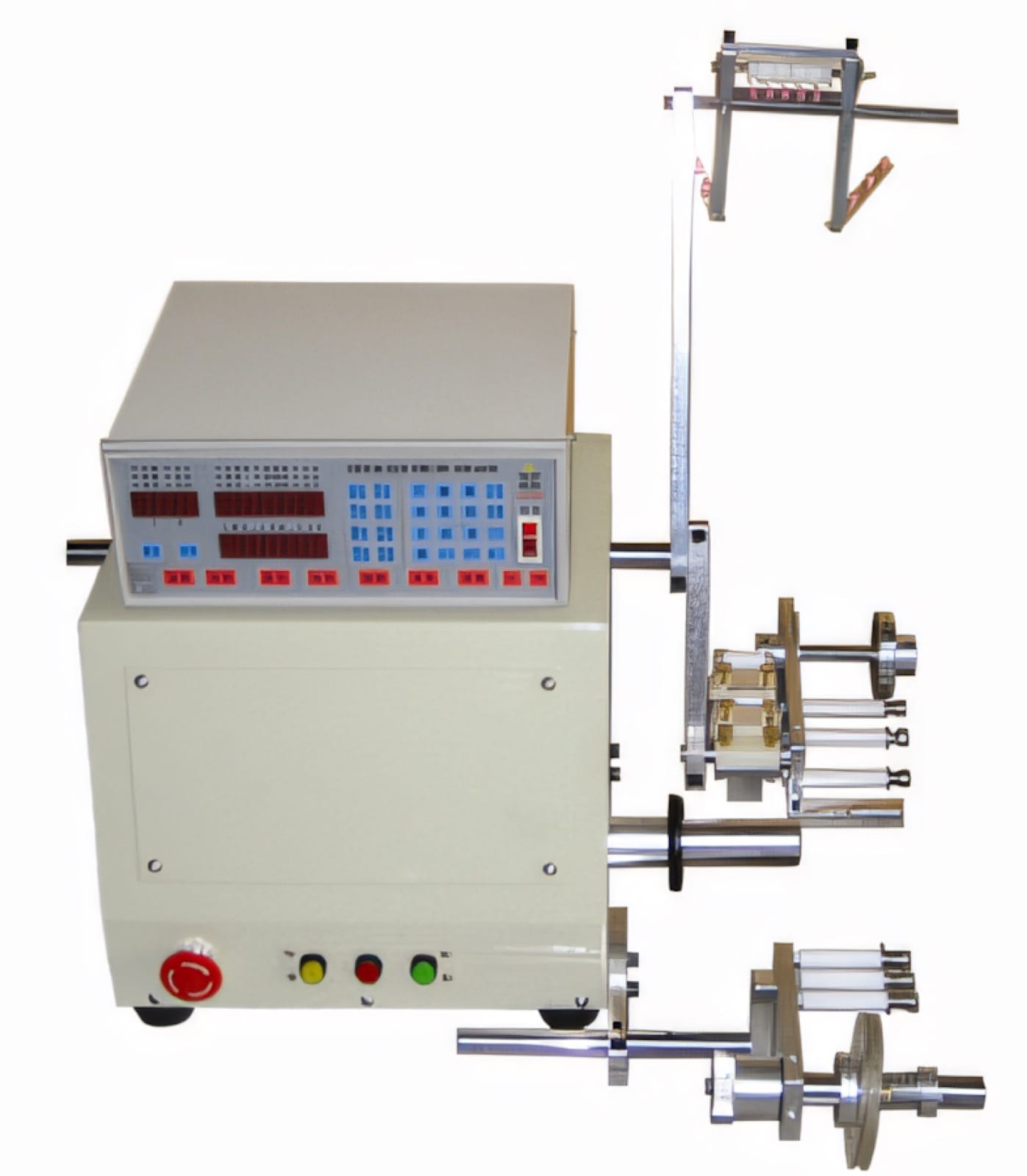 PME AUTOMATION
Shorten winding, taping, soldering and testing changeovers without weakening setup verification or product quality.
Read guide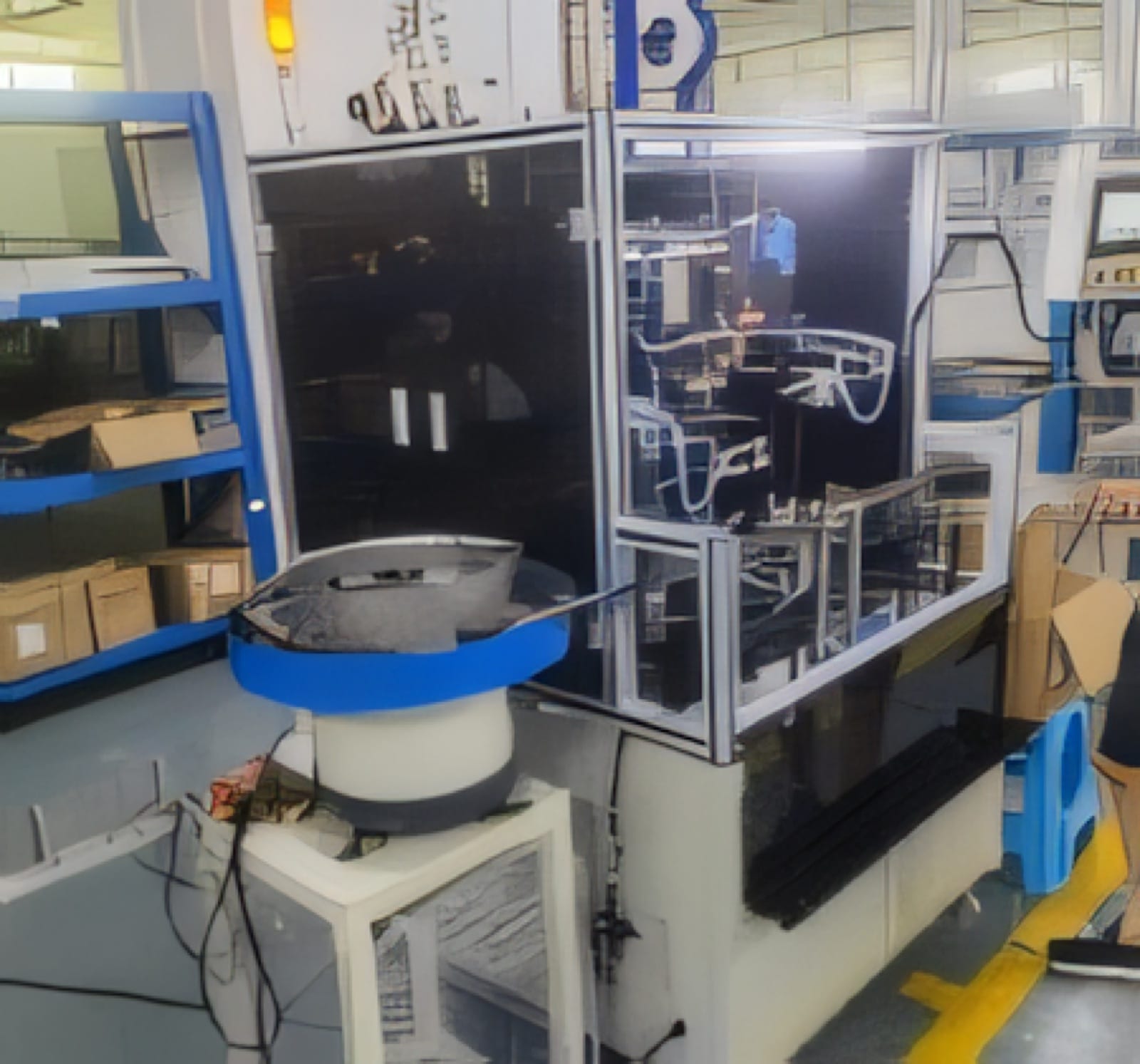 PME AUTOMATION
Use measurable parts, output, quality, fault and documentation checks before a custom machine leaves the supplier.
Read guide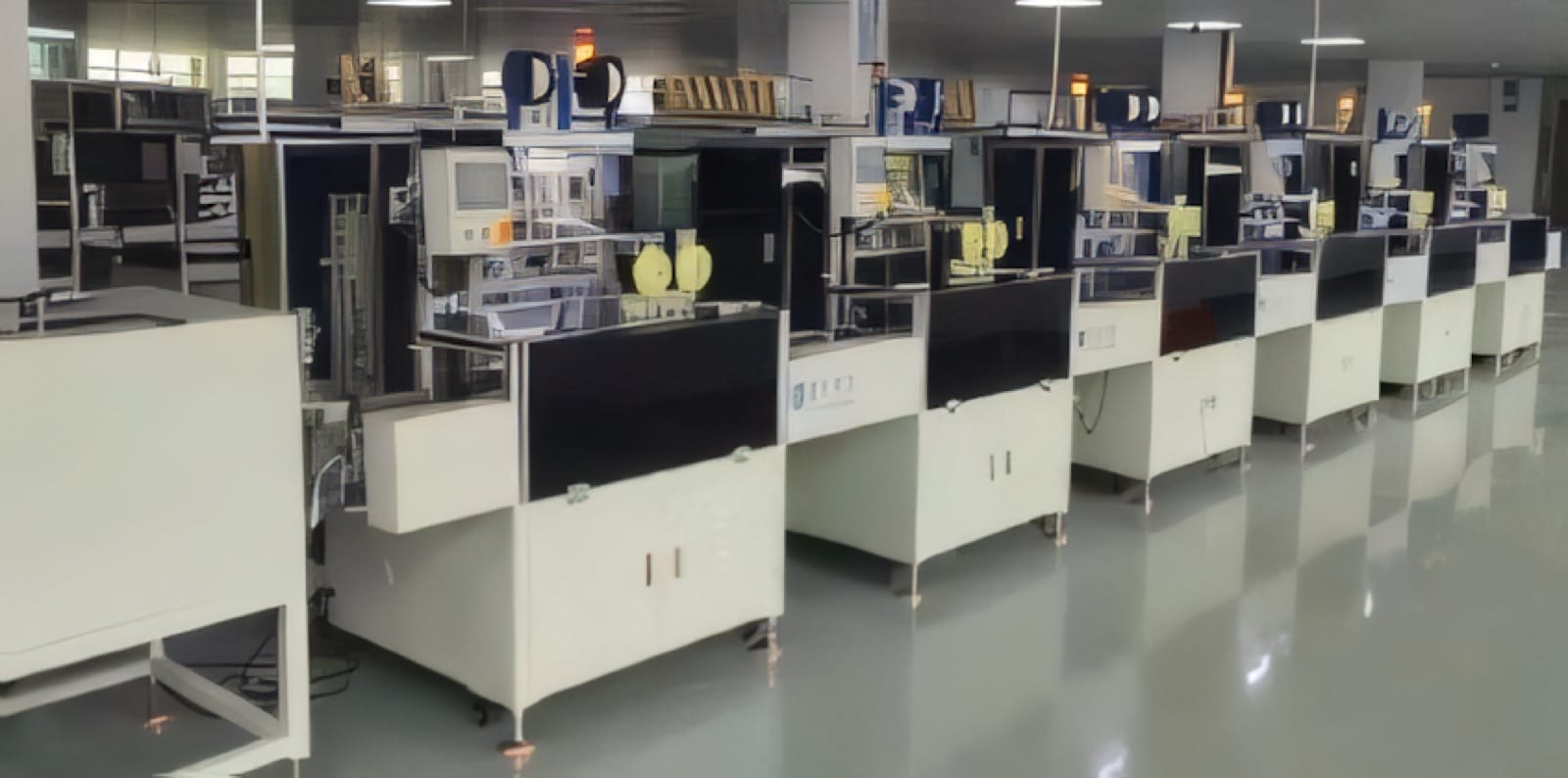 PME AUTOMATION
Verify installation, utilities, product performance, recovery, training and handover after machinery reaches the factory floor.
Read guide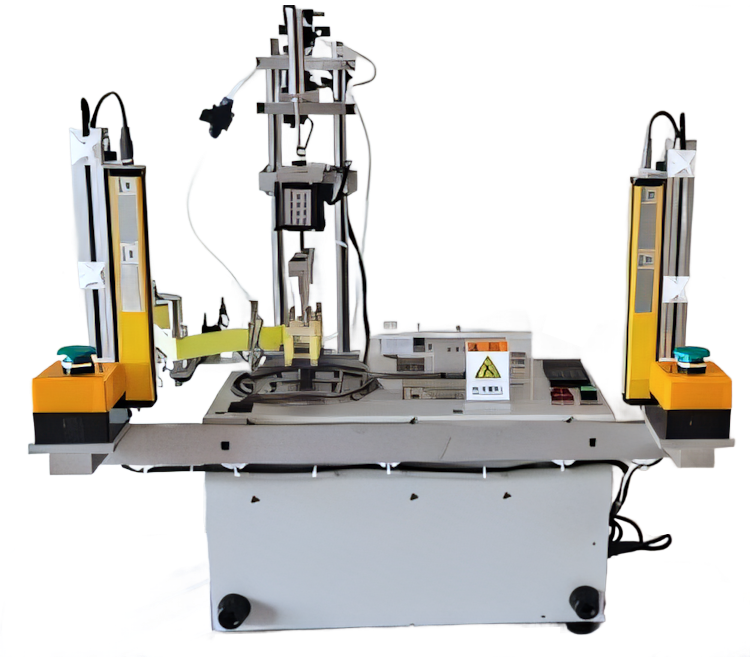 PME AUTOMATION
Create a practical URS that translates product, output, quality, controls and support needs into an automation project suppliers can quote.
Read guide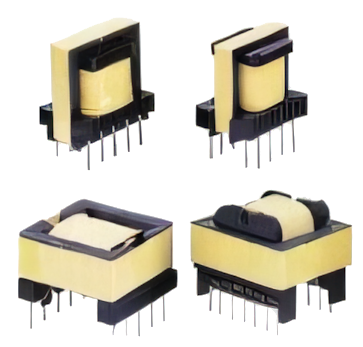 PME AUTOMATION
Use availability, performance and quality data to expose real production losses without turning OEE into a misleading headline number.
Read guide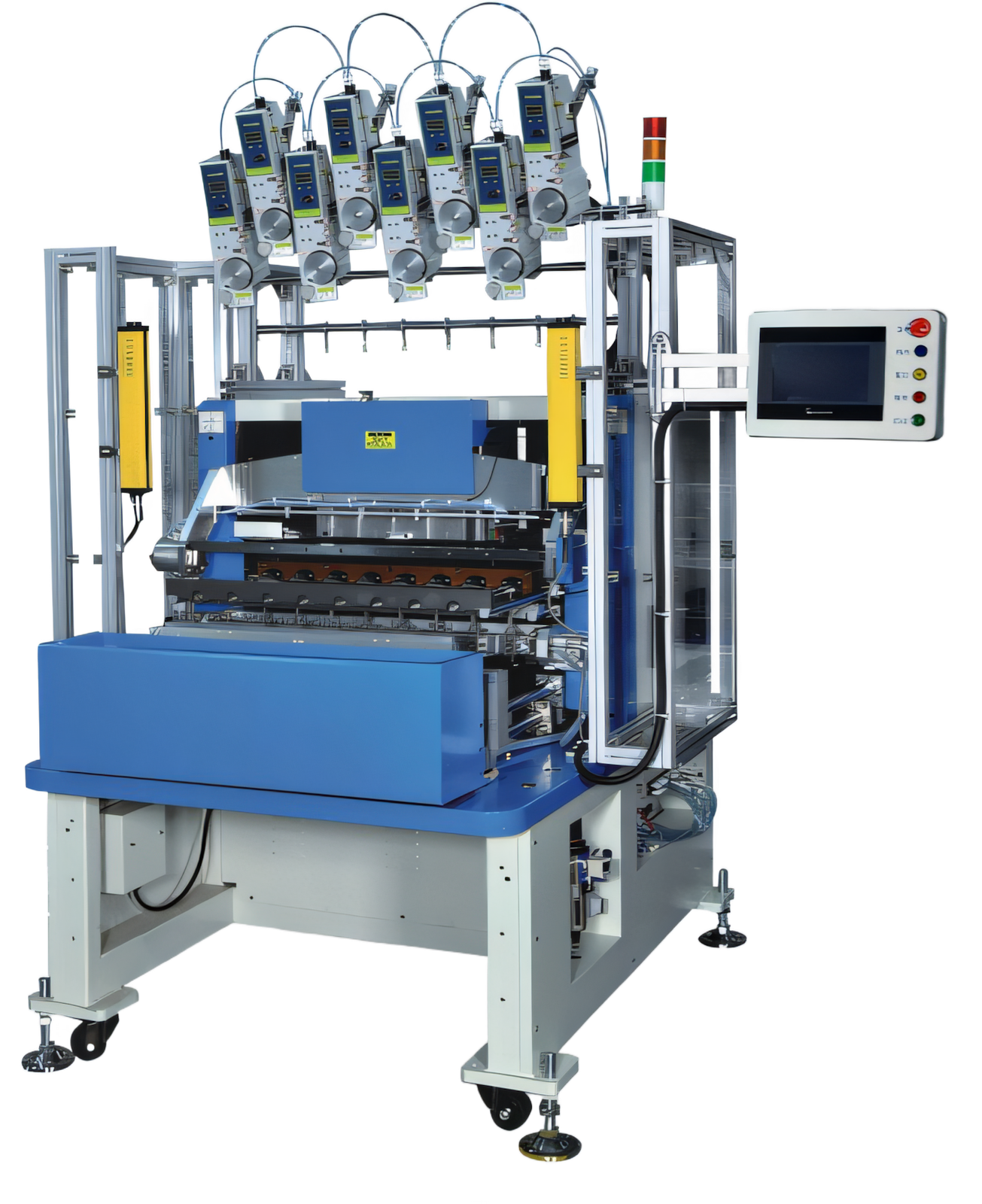 PME AUTOMATION
Compare three production approaches by volume, product variety, labour, changeover, quality control and investment risk.
Read guidePME AUTOMATIONGive automation suppliers the drawings, material range, output data and acceptance evidence needed to recommend and prove the right machine.
Read guide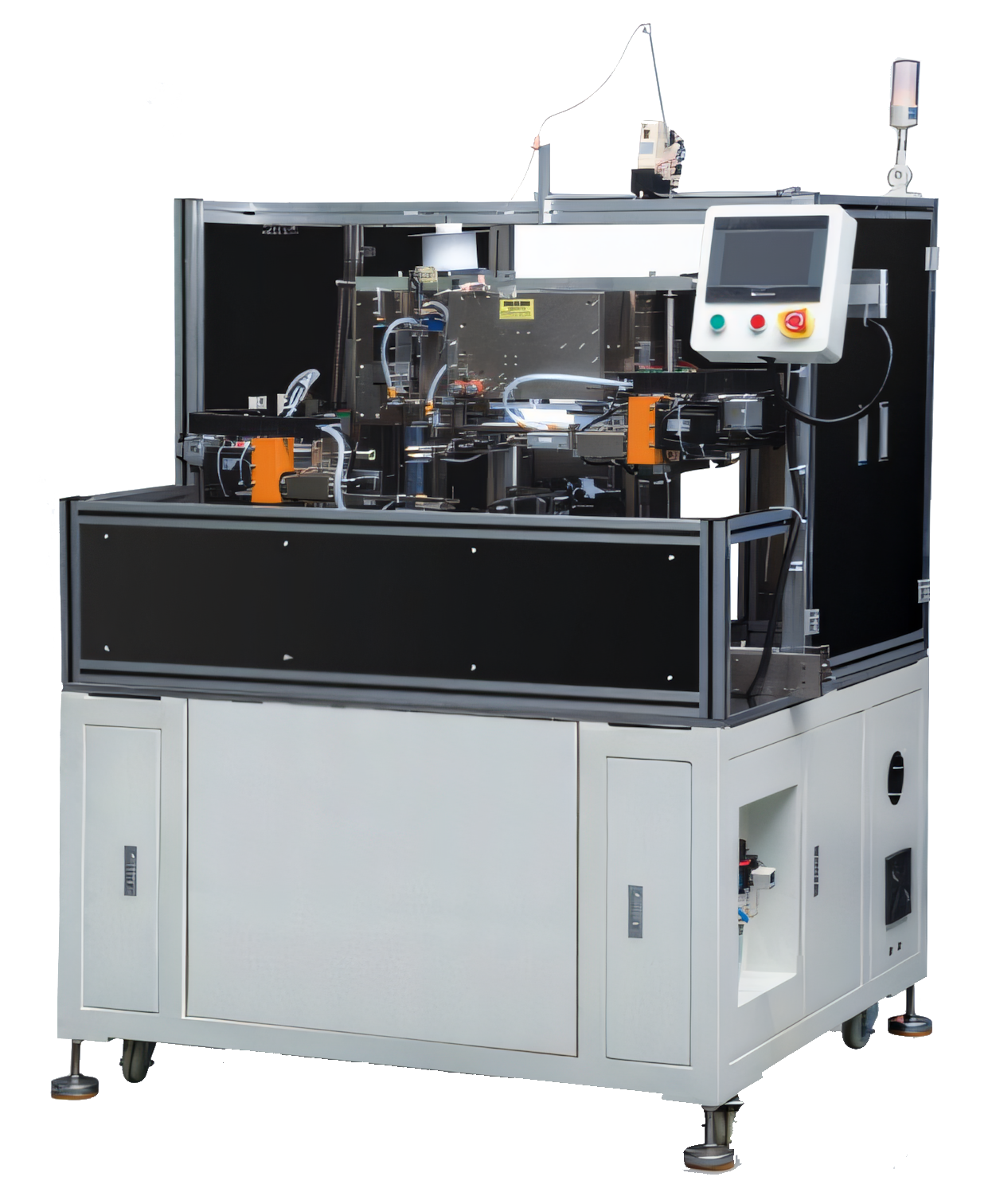 PME AUTOMATION
Design a connected line around effective station cycles, product flow, buffers and recovery instead of isolated headline speeds.
Read guide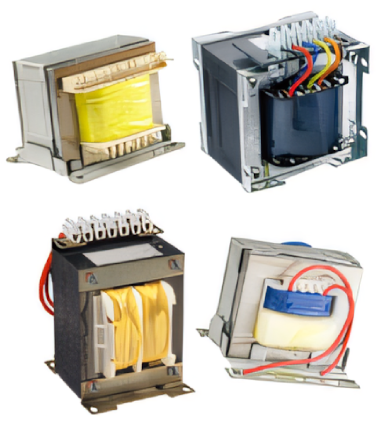 PME AUTOMATION
Prioritize wear, long-lead and high-consequence parts so the factory can reduce downtime without overstocking every component.
Read guidePME AUTOMATIONA production-focused guide to transformer manufacturing equipment, from bobbin preparation and winding to taping, soldering and electrical testing.
Read guide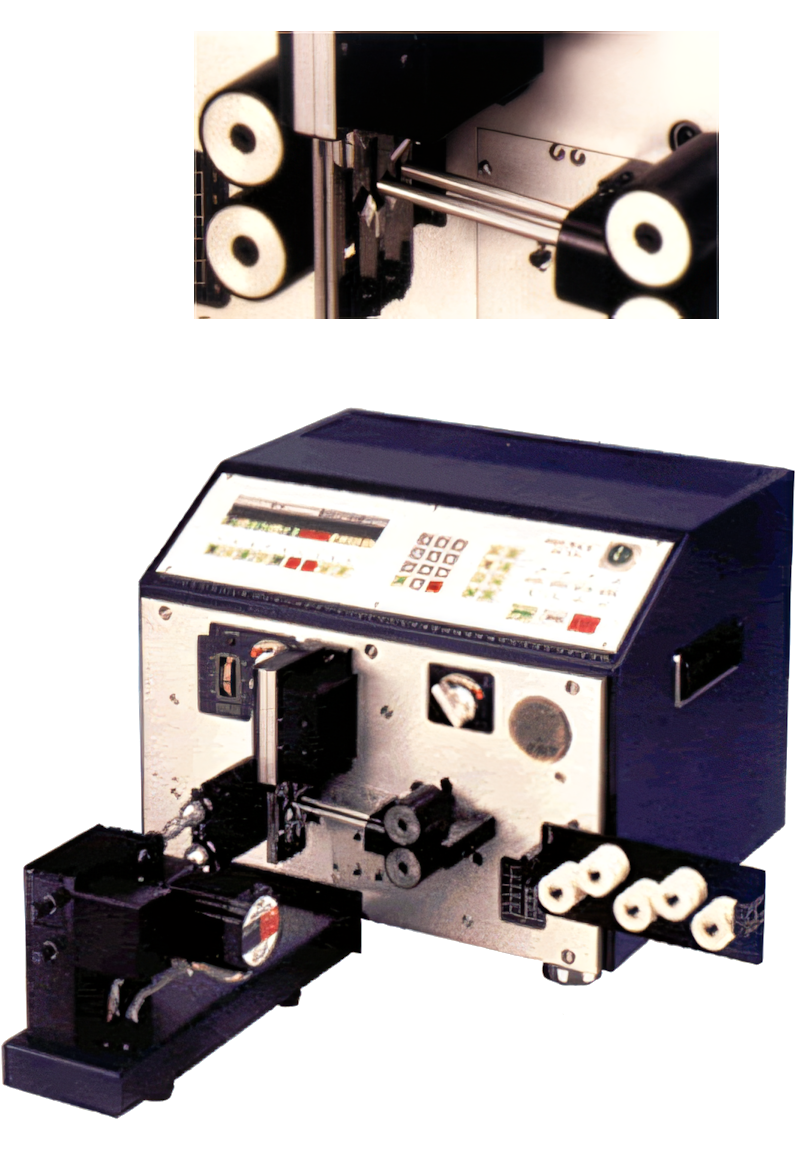 PME AUTOMATION
Select the right cutting, stripping and twisting process for transformer leads, coil wire and electronic component production.
Read guide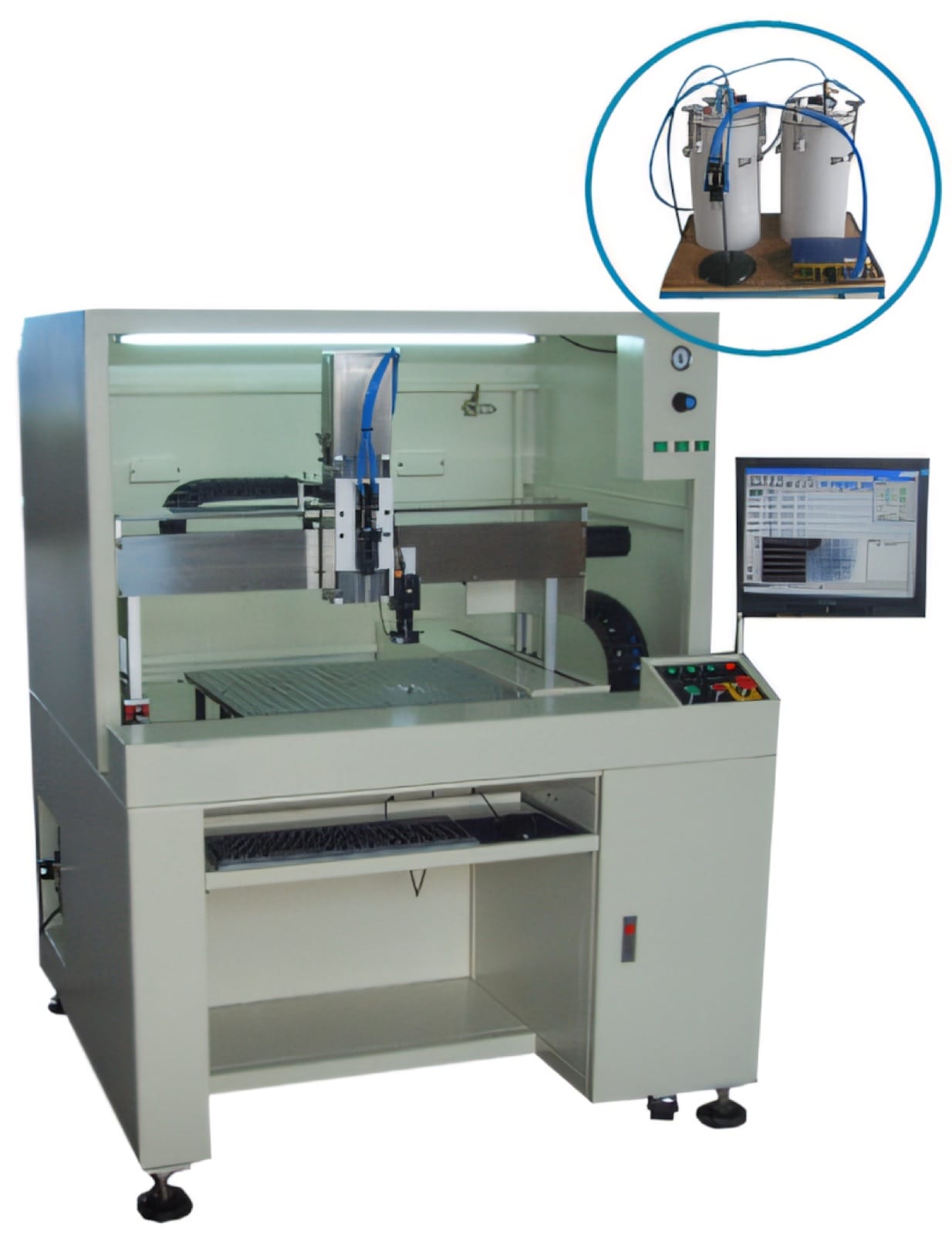 PME AUTOMATION
Control dose, path, mixing and cure when selecting an industrial glue, resin or two-component dispensing machine.
Read guidePME AUTOMATIONA practical procurement checklist covering specifications, acceptance, documentation, spare parts, commissioning and local service.
Read guidePME AUTOMATIONReduce avoidable downtime with a practical preventive-maintenance, diagnostics and critical-spares plan for winding machinery.
Read guide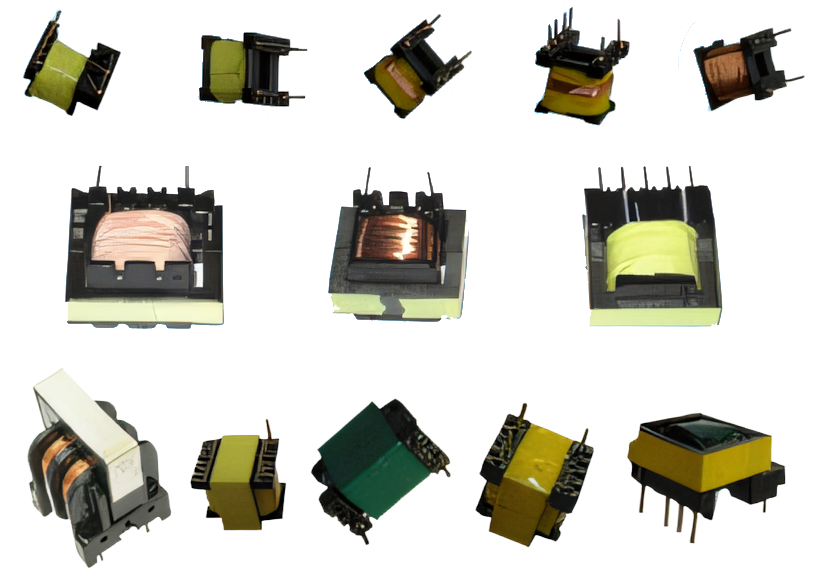 PME AUTOMATION
Build a credible automation business case using capacity, yield, quality, work-in-process, maintenance and ramp-up—not headline labour alone.
Read guidePME AUTOMATIONA structured method for combining feeding, winding, insertion, taping, soldering, dispensing and testing into scalable automation.
Read guide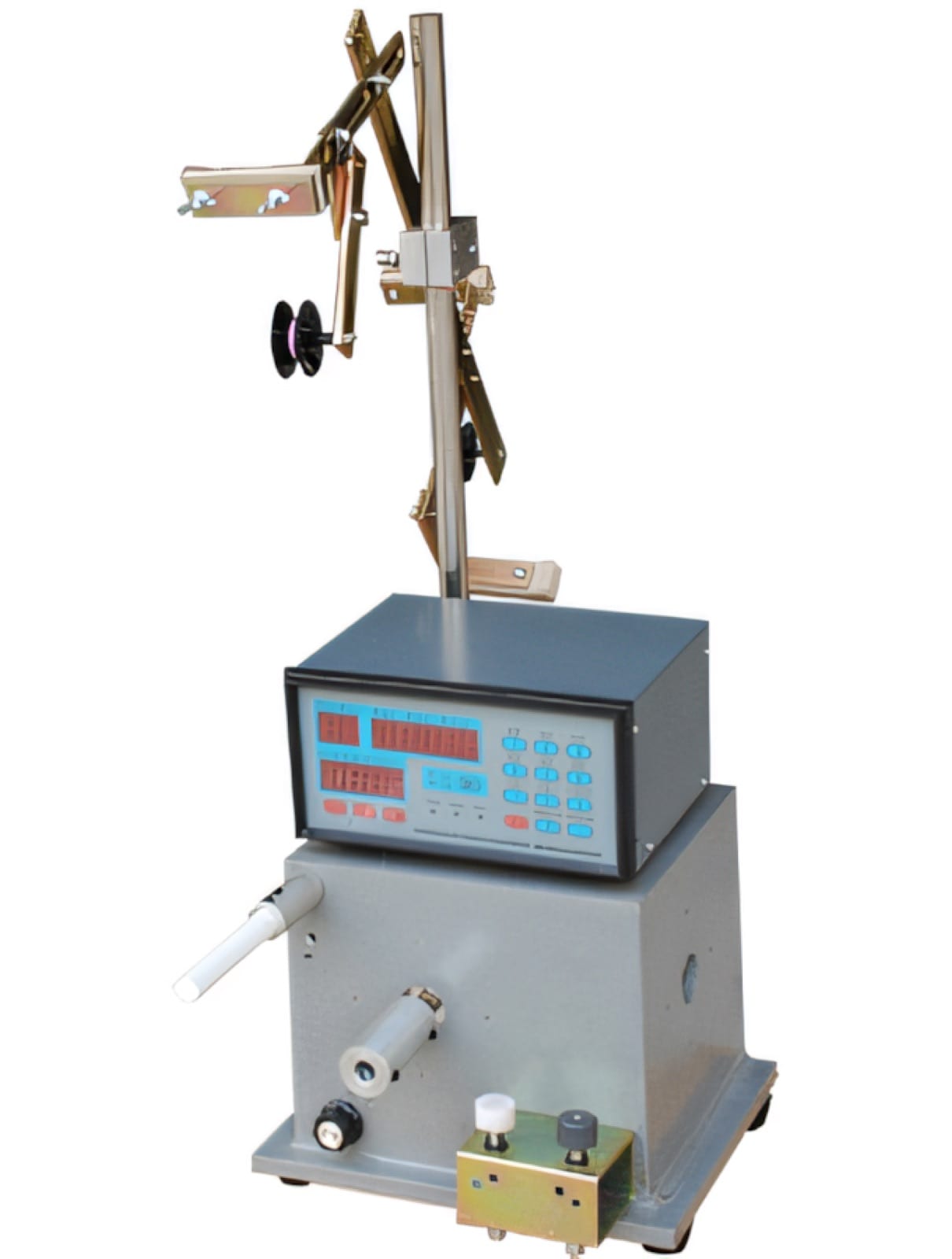 PME AUTOMATION
Plan a solenoid manufacturing system around coil geometry, feeding, winding, assembly, joining and electrical verification.
Read guide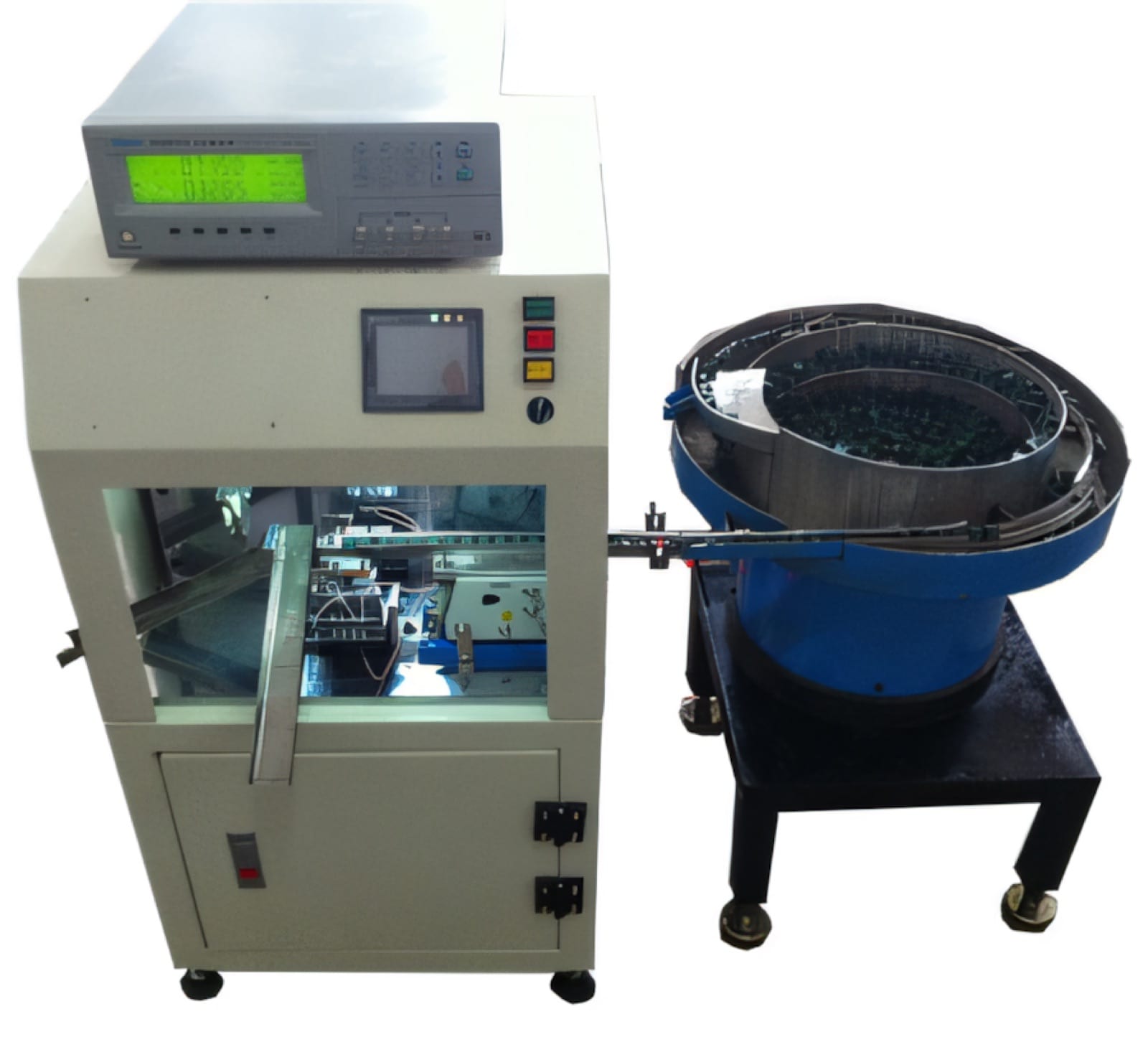 PME AUTOMATION
Map the equipment and process controls needed for repeatable choke and inductor coil manufacturing.
Read guide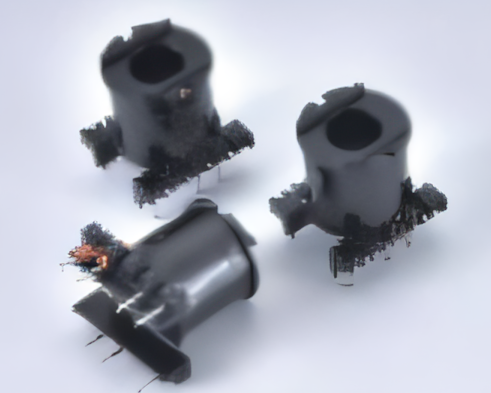 PME AUTOMATION
Understand how wire delivery, acceleration, guides and maintenance affect winding quality from fine wire to larger conductors.
Read guide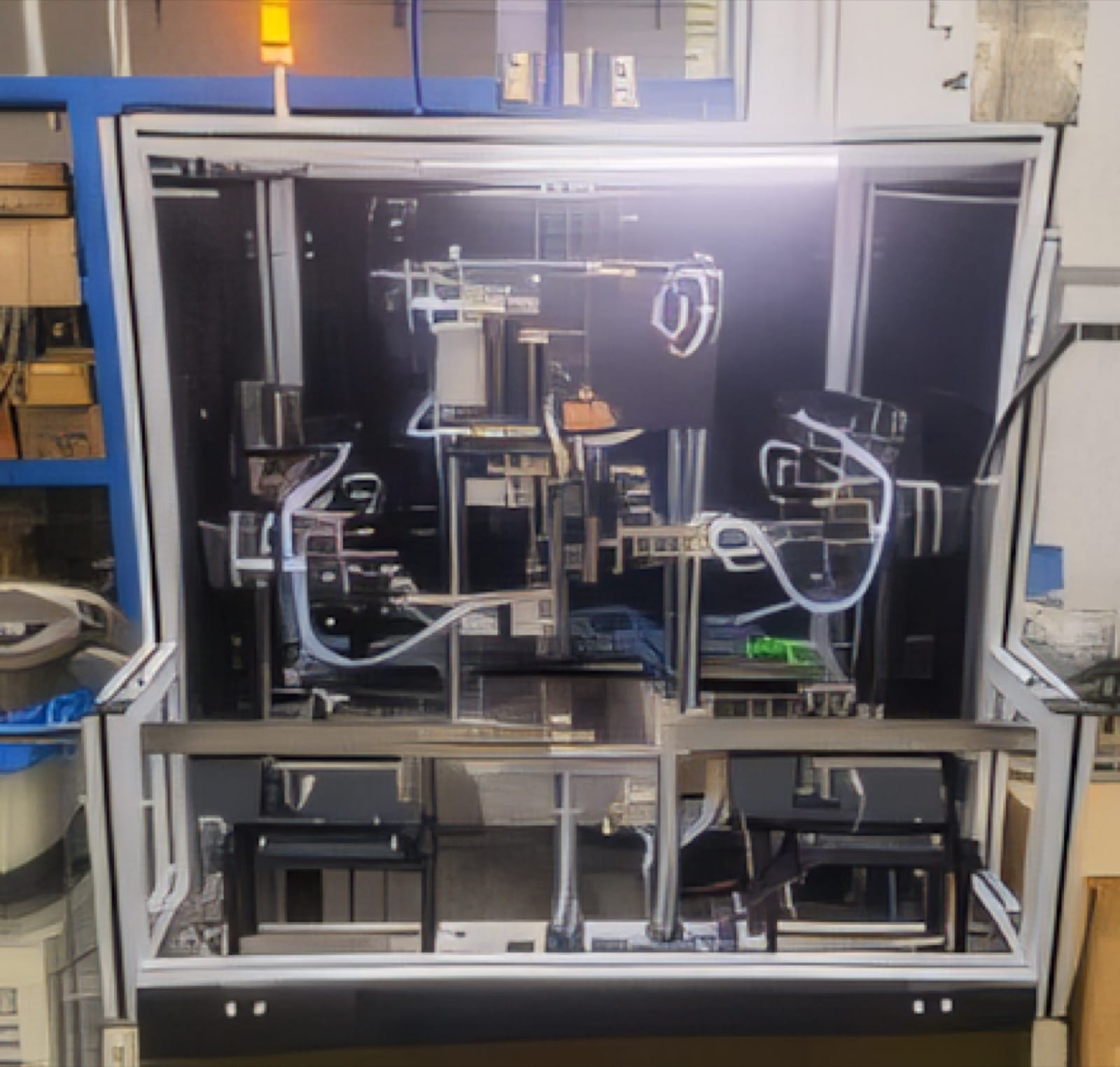 PME AUTOMATION
Use demand, process stability, quality, labour and service readiness to decide whether to automate now, stage the investment or wait.
Read guide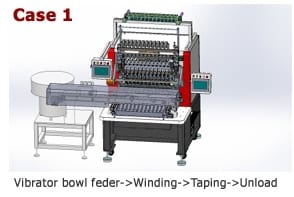 PME AUTOMATION
Understand the transformer coil winding process, tension control, layer formation and the production decisions that prevent avoidable defects.
Read guidePME AUTOMATIONA practical look at relay manufacturing equipment for pin insertion, winding, soldering and automated electrical testing.
Read guide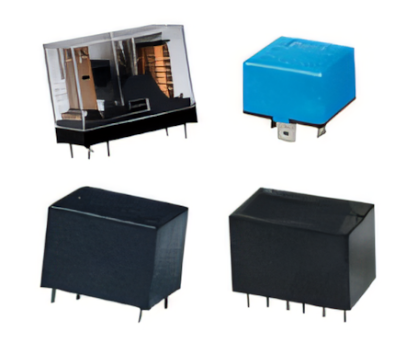 PME AUTOMATION
Plan feeding, coil preparation, assembly, soldering, testing and reject handling as one balanced relay manufacturing system.
Read guidePME AUTOMATIONCompare flexibility, output, changeover, tooling and operator workload before selecting an automatic coil winding machine.
Read guidePME AUTOMATIONA buyer’s guide to the factors behind automatic coil winding machine pricing, tooling, integration, validation and lifetime support.
Read guidePME AUTOMATIONSpecify bobbin handling, pin feeding, insertion force and quality checks for transformer, relay and coil production.
Read guide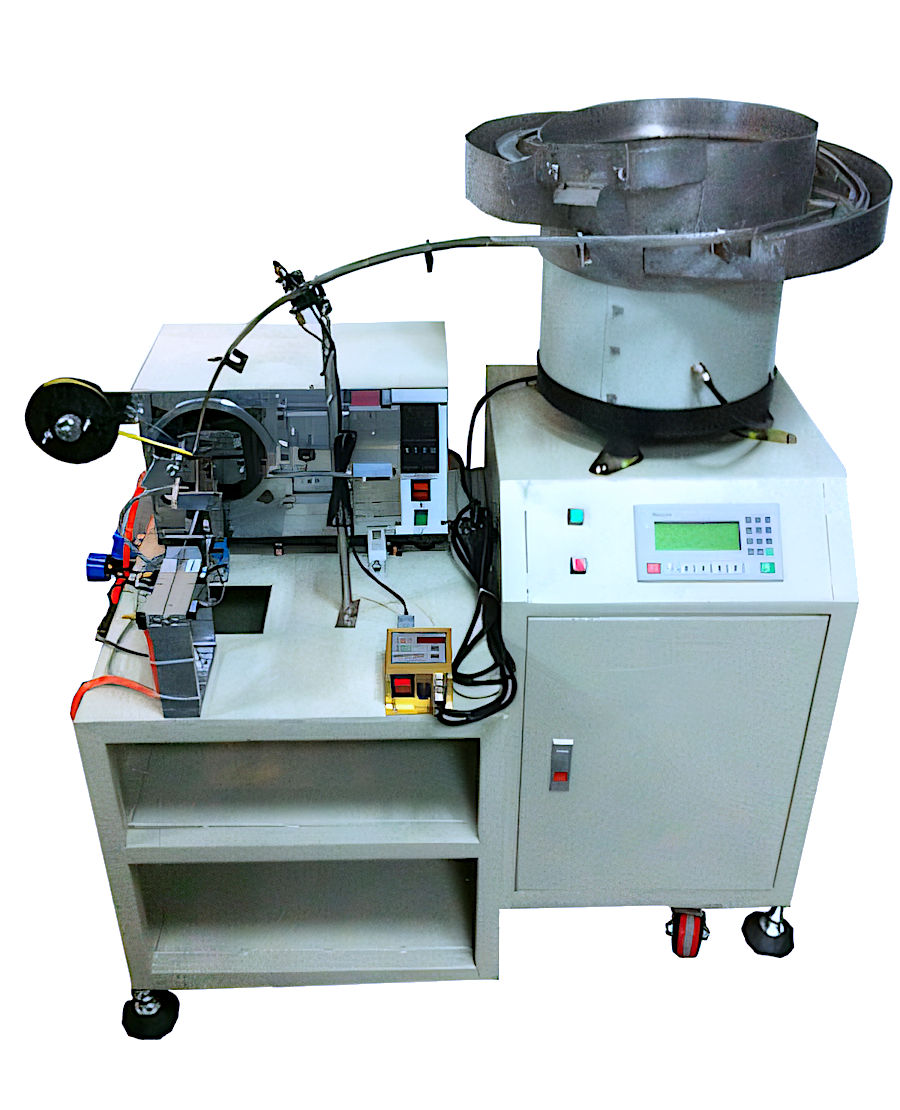 PME AUTOMATION
Control insulation coverage, tape tension and changeover when selecting a coil or transformer taping machine.
Read guide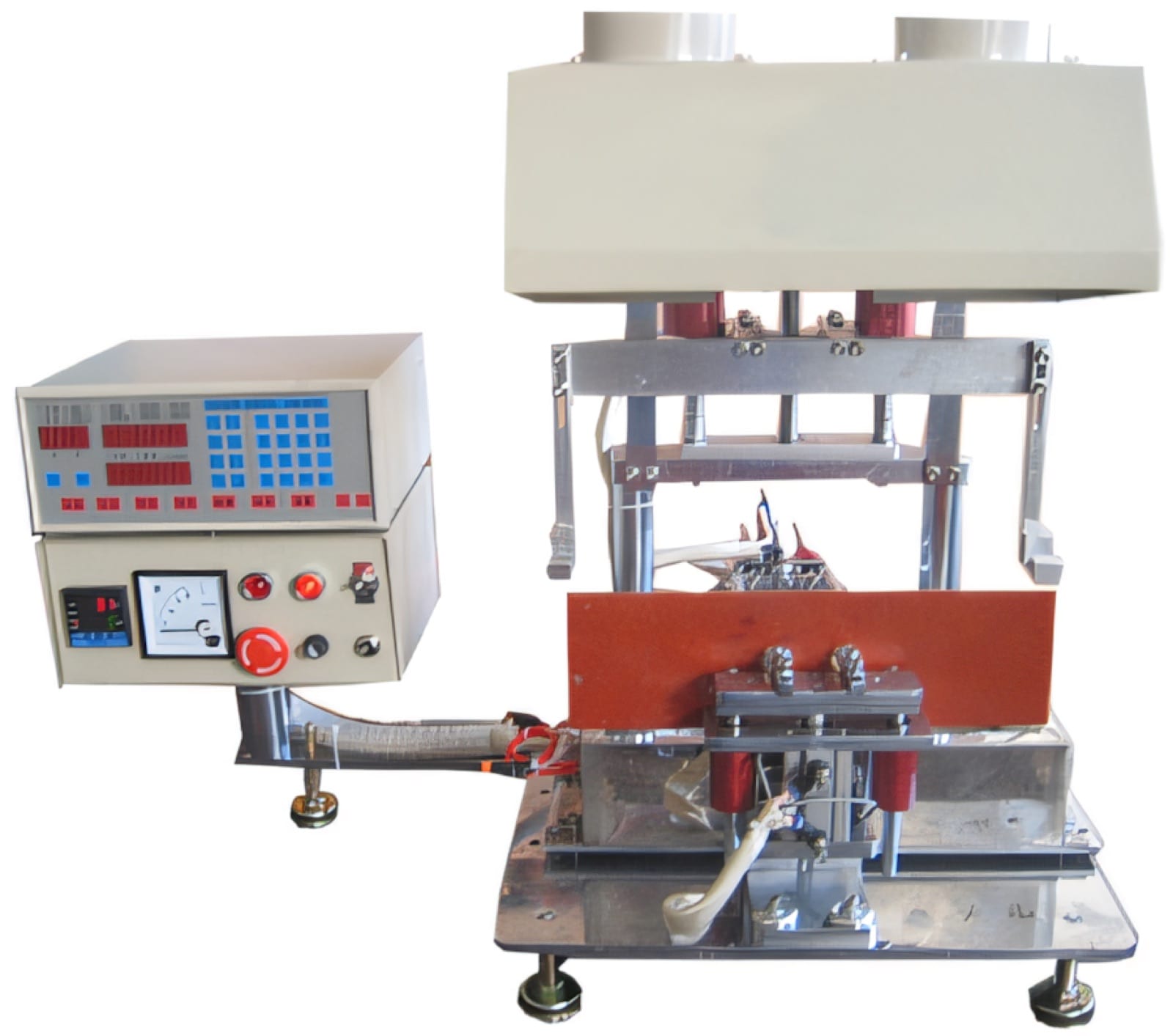 PME AUTOMATION
Plan repeatable coil terminal soldering with controlled flux, dwell time, temperature, fixtures and pass/fail handling.
Read guidePME AUTOMATIONChoose fixtures, measurements, recipes and reject handling for inductor, transformer and relay coil testing.
Read guidePME AUTOMATIONA practical framework for moving from manual coil production to a connected, repeatable inductor manufacturing process.
Read guidePME AUTOMATIONThe core equipment needed for winding, termination, soldering and electrical verification—plus when additional automation is justified.
Read guidePME AUTOMATIONHow to compare flexibility, output, labour, floor space and investment when choosing an automation architecture.
Read guidePME AUTOMATIONThe mechanical, control and quality interfaces that turn separate processes into one reliable production system.
Read guidePME AUTOMATIONA clear method for estimating labour savings, capacity value, quality improvements and payback without relying on optimistic assumptions.
Read guidePME AUTOMATIONWhy operator count depends on replenishment, changeover, inspection and material flow—not only the number of automated stations.
Read guidePME AUTOMATIONThe product, process and production questions that determine spindle count, tension control, tooling and automation level.
Read guidePME AUTOMATIONA direct comparison of scope, interfaces, flexibility and responsibility for manufacturers planning their next automation step.
Read guidePME AUTOMATIONA process-led approach to removing repetitive handling while protecting quality, flexibility and operator workload.
Read guidePME AUTOMATIONHow to turn electrical checks into a repeatable in-line process with reliable contact, recipes, traceability and reject handling.
Read guidePlanning a project?
Share your component, current process and target output. PME can help identify the right standalone machines or line architecture.
Discuss your requirement