
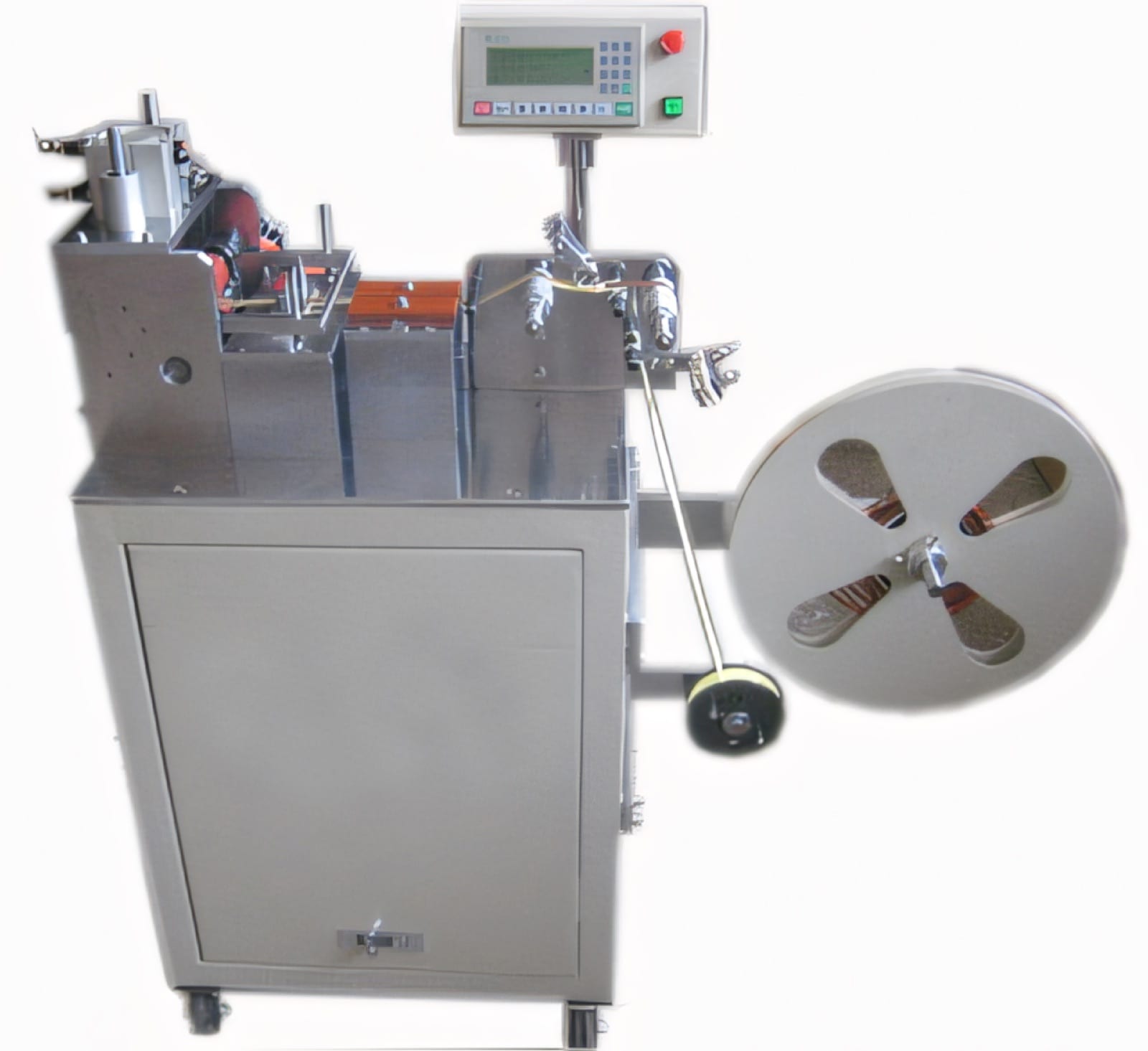
Define the foil function before the machine cycle
Copper foil can serve different purposes in a transformer design, including an electrostatic shield, grounding path or conductive layer within a specified construction. The drawing should define material, thickness, width, adhesive type, start and finish position, overlap or gap, and termination method.
Do not assume all copper tapes are electrically equivalent. Conductive and non-conductive adhesives behave differently, and backing softness influences how well the foil conforms. The approved material specification belongs in the machine recipe and incoming inspection plan.
Control cutting and edge quality
Accurate length supports repeatable overlap and terminal placement. Cutting should leave a clean edge without burrs, curled corners or adhesive transfer that interferes with handling. A liner, if present, must separate predictably without stretching the foil.
Validate the machine across the production roll, not only at the beginning. Roll diameter, unwind drag and material telescoping can influence feed. Sensors should distinguish a genuine end of material from a temporary feed fault and stop before an incomplete piece enters assembly.
Stabilize tension, position and overlap
Too little tension can produce wrinkles or loose application; too much can stretch the adhesive, deform soft foil or place unwanted force on the bobbin. Use enough controlled tension to create smooth contact while respecting the component and material limits.
The tooling should establish a reliable datum and keep the foil square to the application path. Check the first piece after setup and sample overlap, edge position and termination through the batch. Where shielding continuity matters, verify the finished electrical path using the approved test method.
- Cut length and width
- Edge position and overlap
- Wrinkles, tears and lifted corners
- Grounding or continuity result where specified
Automate around the real product mix
A dedicated copper-foil taping and cutting machine can reduce manual measurement and improve repeatability when the construction is stable. For varied transformers, recipe-controlled length and adjustable tooling can be more valuable than maximum speed.
The PME-220CF is intended for copper-foil taping and cutting operations. A production trial should confirm material feeding, cut quality, application position, changeover and the relevant electrical or visual acceptance requirements before final tooling is approved.
Relevant machinery for this process
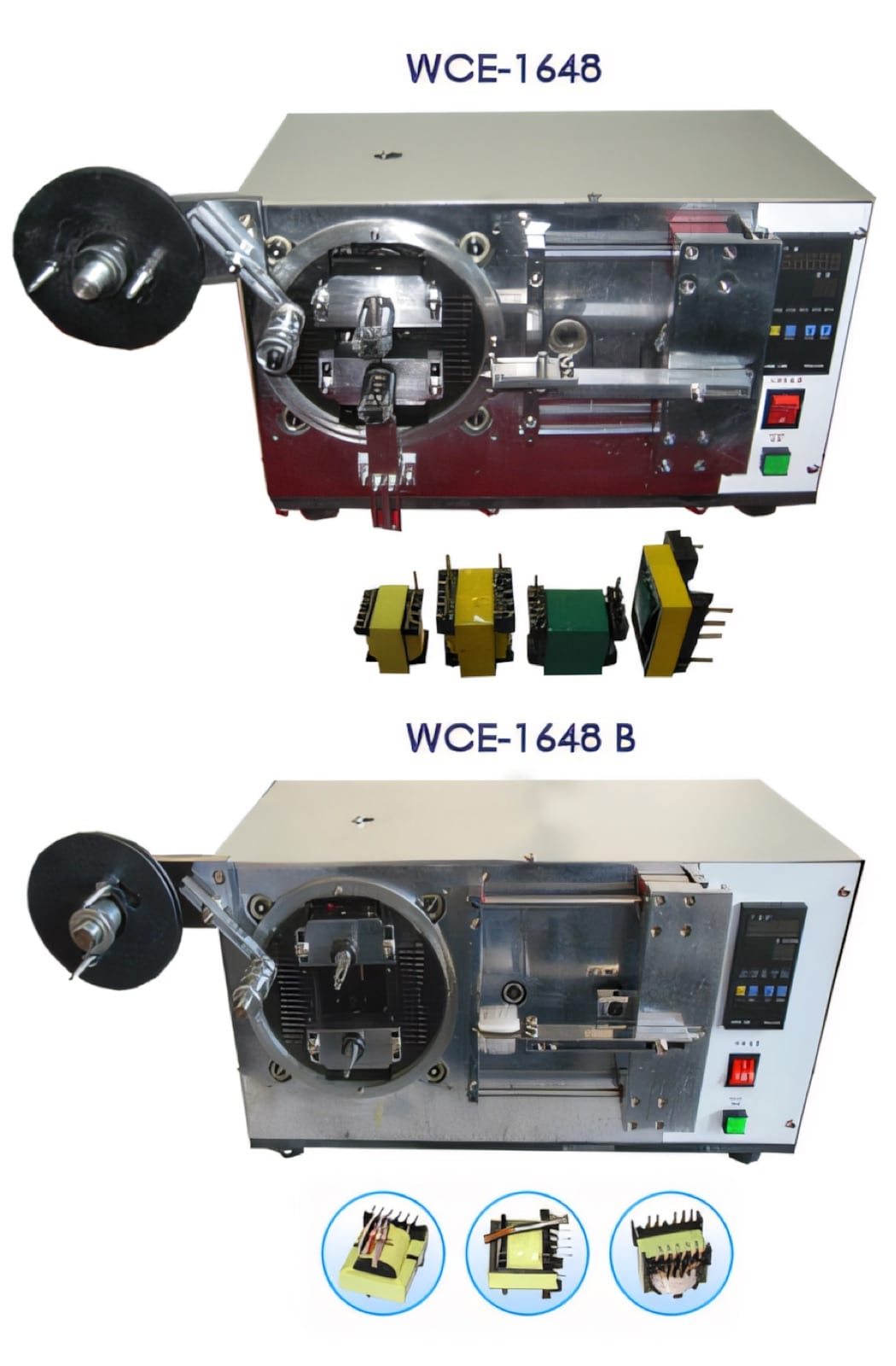
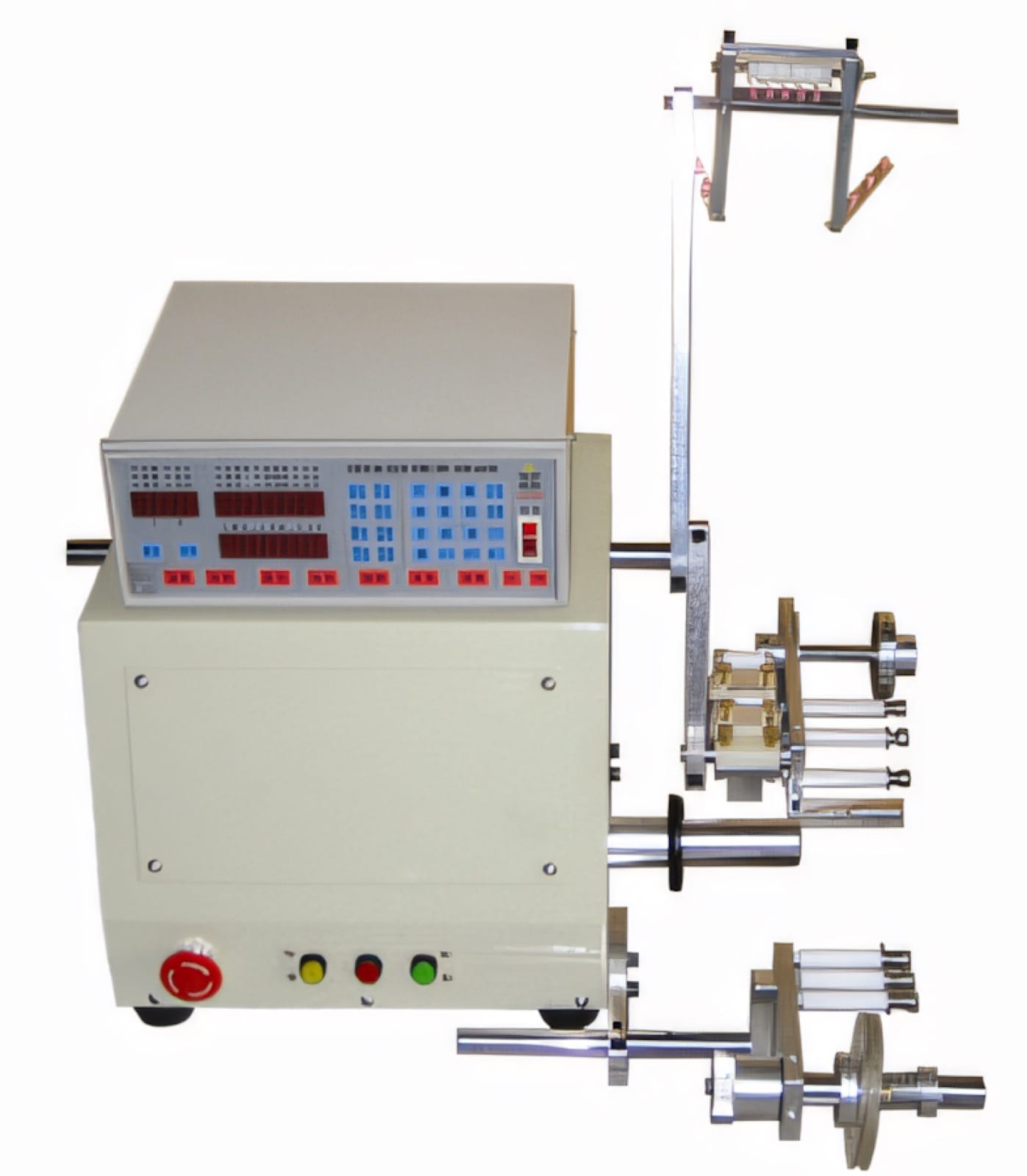
Explore PME equipment that can support the operations discussed in this guide. Final machine selection should be confirmed against your component, materials and target output.
Plan the next step
Discuss your component and production target with PME.
Share a drawing, sample, current process and expected output. We can help map the right machines and level of integration.