
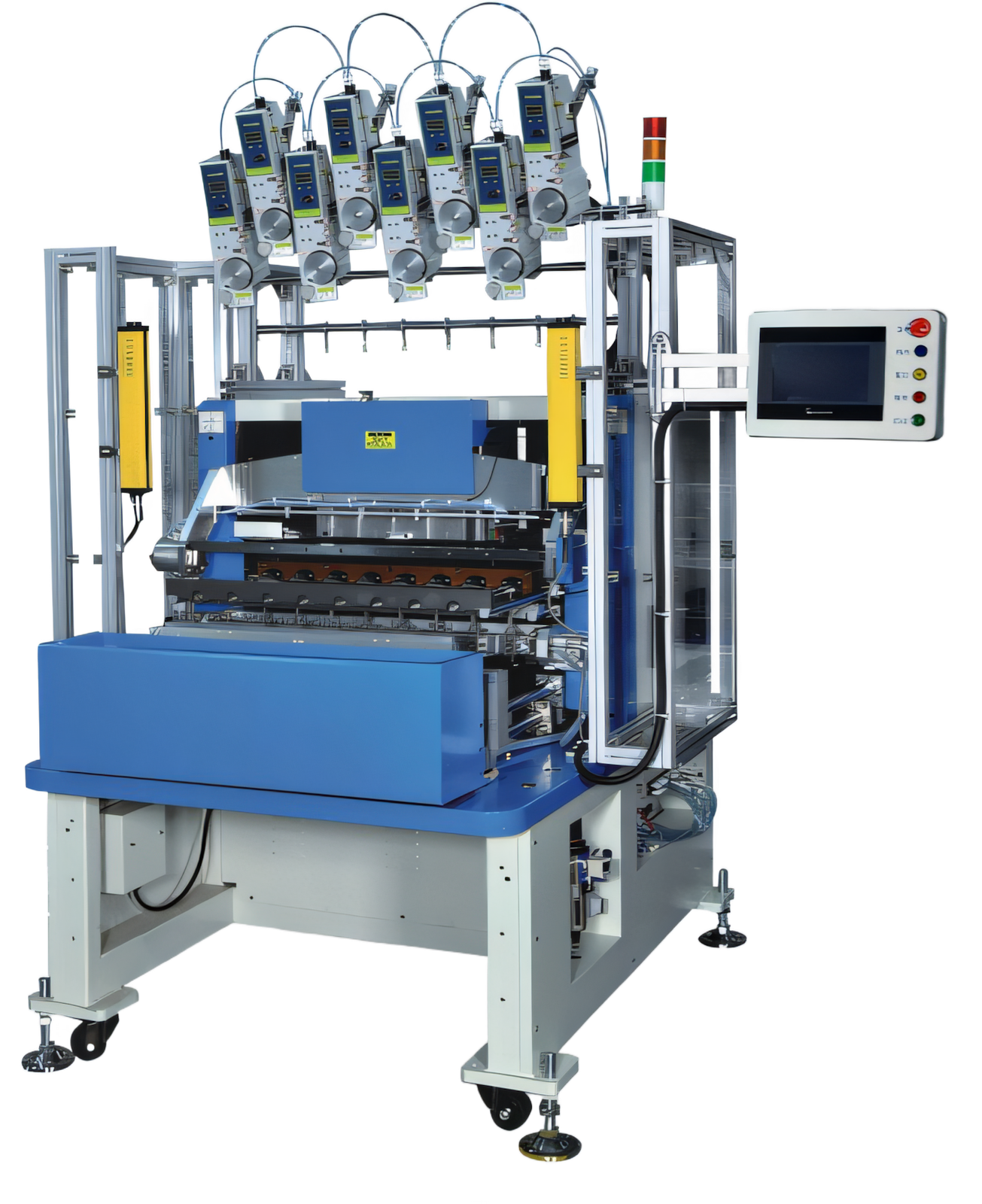
Automation level should follow production conditions
The best coil-production architecture depends on volume, variant mix, process stability, labour availability and quality risk. Full automation is not automatically the most economical answer, and manual work is not automatically the most flexible when operator skill becomes the constraint.
Map every operation and measure good output, touch time, queue, rework and changeover. This shows which step deserves automation first and which human tasks still add useful flexibility or judgement.
Manual production supports change but depends on skill
Manual or hand-assisted processes can suit prototypes, low volumes and frequent design changes. Tooling is often simple and a trained operator can adapt quickly to unusual components. The challenge is maintaining turns, tension, lead position, tape coverage and inspection consistency across people and shifts.
Use clear work instructions, fixtures and calibrated test methods even before automation. A poorly defined manual process is difficult to automate because the true settings and acceptance criteria remain inside individual operator experience.
Semi-automatic machines standardize the critical operation
A semi-automatic winding, taping or soldering machine can control motion and recipe while an operator loads, unloads or completes variable tasks. This often provides a strong balance for moderate volume or mixed products because the quality-critical operation becomes repeatable without dedicated feeding for every part.
Staffing still depends on cycle and replenishment. Design loading to be safe and mistake-resistant, and include operator time when calculating output. Several semi-automatic stations may also create queues that need planned material flow.
- Manual: highest human involvement and flexible tooling
- Semi-automatic: controlled process with assisted handling
- Fully automatic: connected feeding, processing and separation
- Hybrid line: different automation levels by operation
Full automation works best with a proven product family
A fully automatic line can connect loading, winding, taping, soldering and testing with common recipes and controlled transfer. It becomes attractive when demand is stable, part presentation can be standardized and the value of reduced handling justifies dedicated tooling.
Many factories use a staged path: automate the bottleneck, collect real production data and then integrate. PME offers flexible single-spindle machines, multi-spindle systems and connected process lines that can be evaluated against the product mix and investment plan.
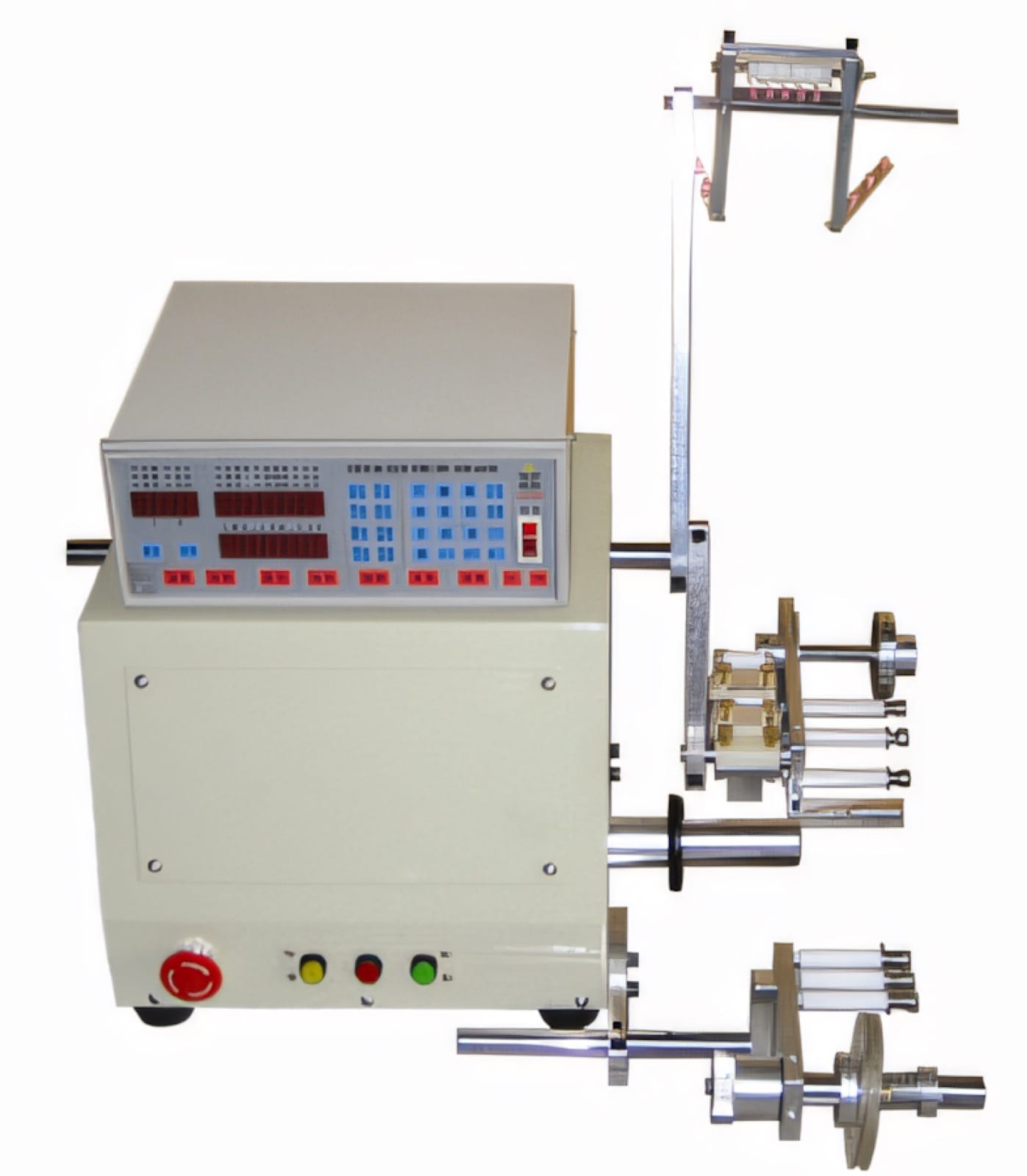
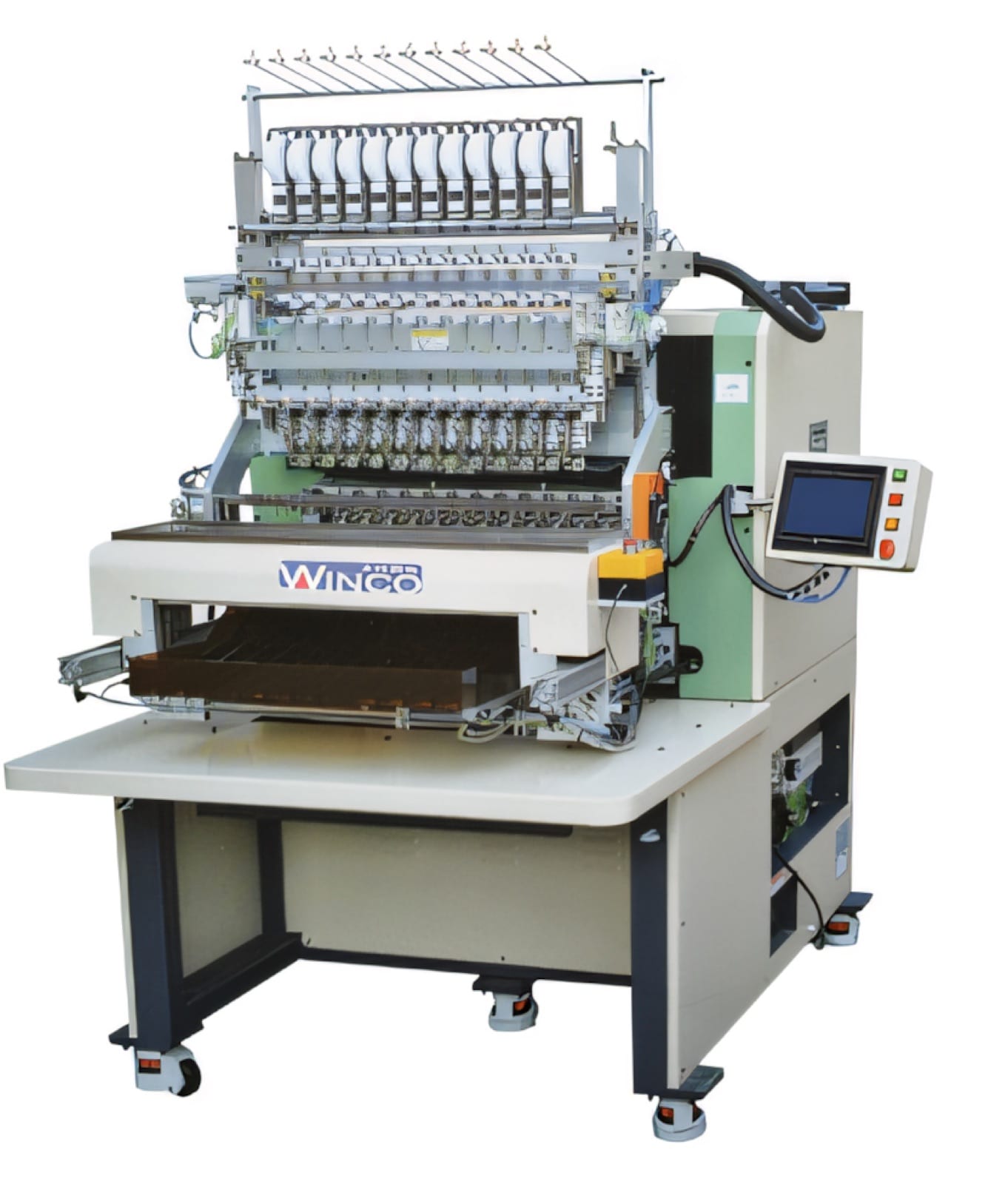
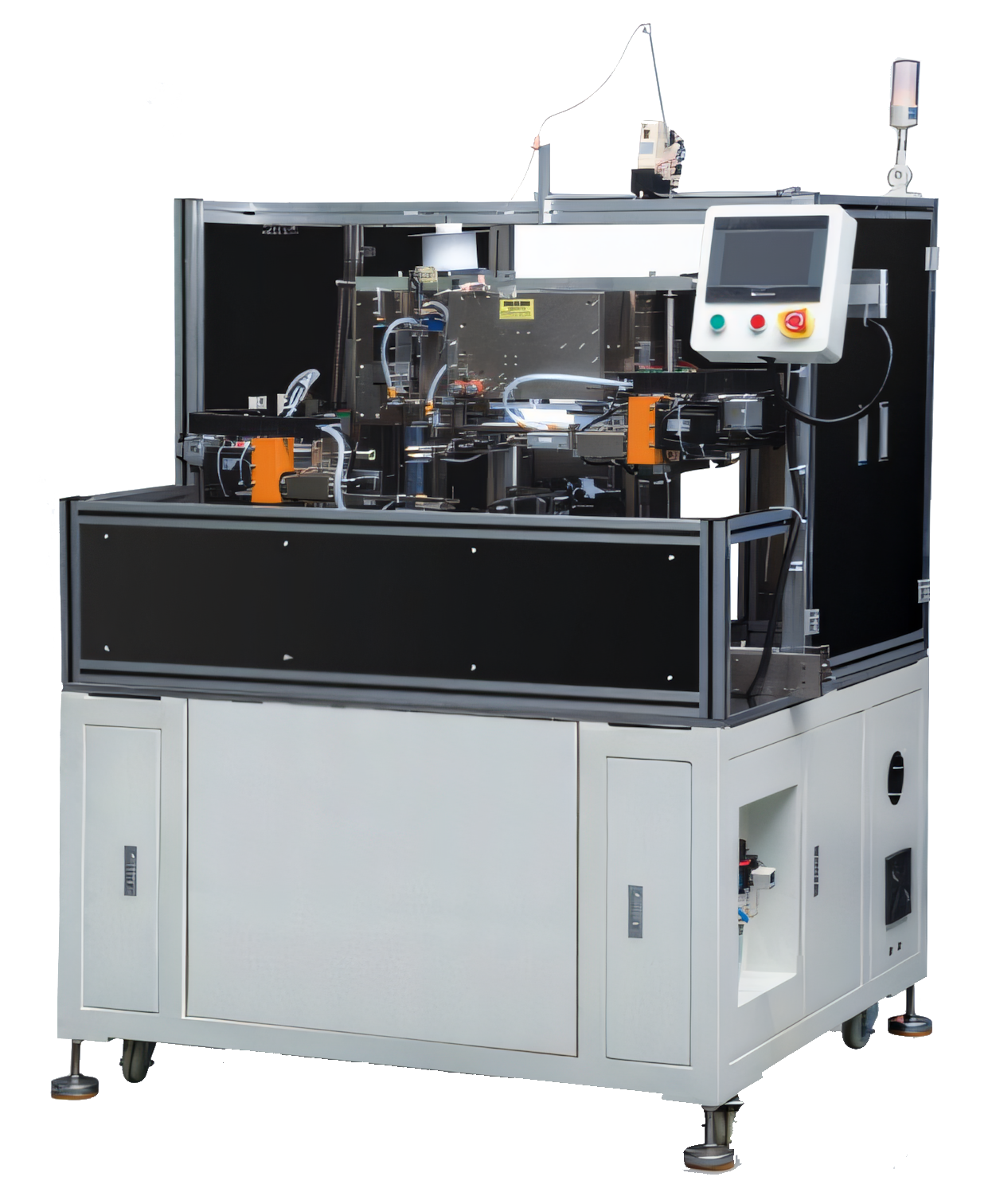
Relevant machinery for this process
Explore PME equipment that can support the operations discussed in this guide. Final machine selection should be confirmed against your component, materials and target output.
Plan the next step
Discuss your component and production target with PME.
Share a drawing, sample, current process and expected output. We can help map the right machines and level of integration.