
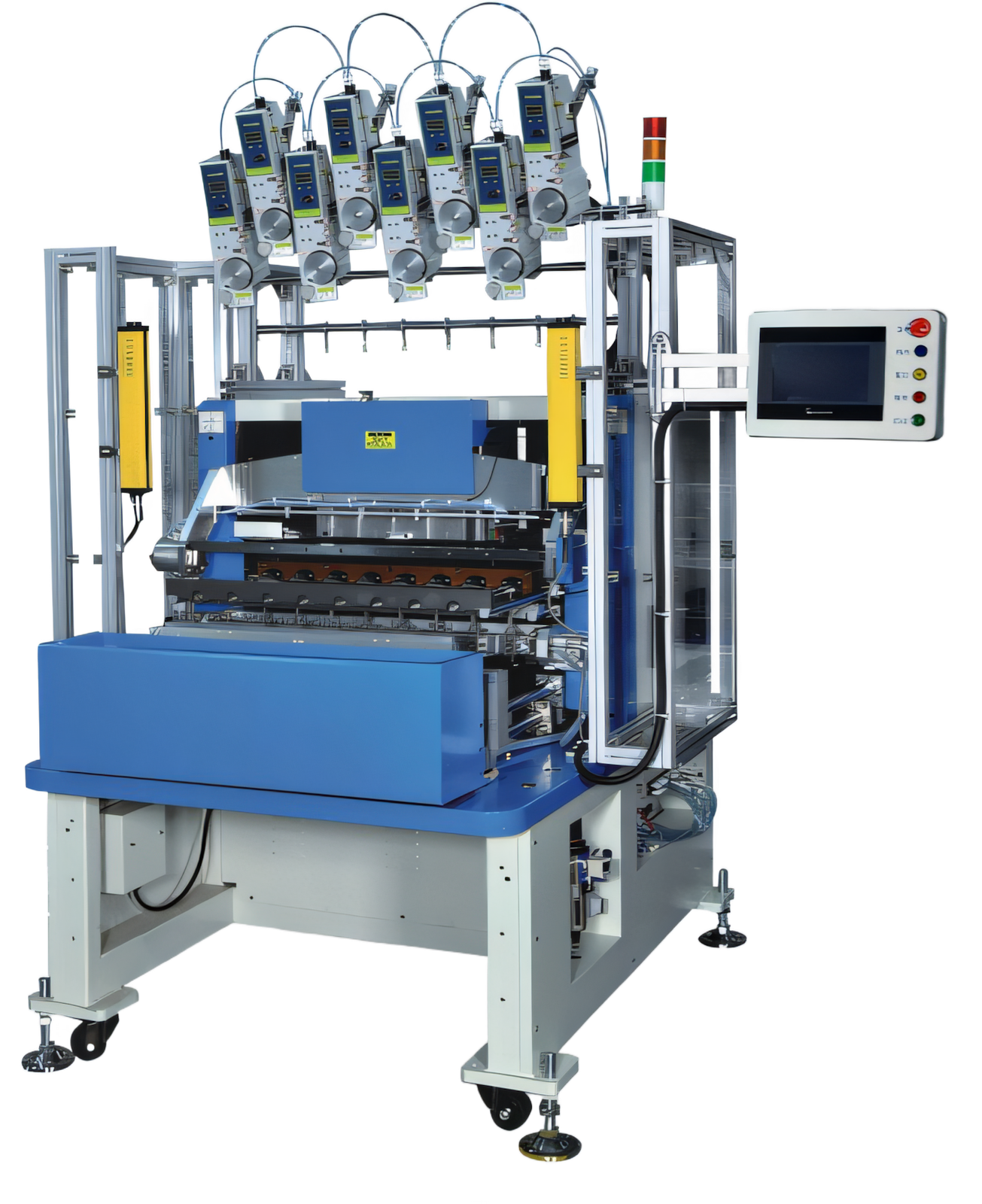
Define the coil family
Begin with drawings and representative samples for every planned variant. Record winding dimensions, wire range, turn count, layer pattern, winding direction, lead length, terminal method and allowable variation.
A machine selected around only the easiest part may struggle with the smallest wire, highest turn count or most difficult termination. The specification should identify the true operating envelope.
Match the winding architecture to the output
A single-spindle machine offers access and flexibility for varied production. Multi-spindle winding raises output when several identical parts can be loaded and processed together. Integrated machines can add tube insertion, taping or other operations when handling between stages is a major constraint.
- Required good parts per hour and shift pattern
- Number of variants and changeover frequency
- Manual, tray, bowl or in-line feeding
- Standalone use or future line integration
Pay attention to tension and wire control
Stable winding quality depends on controlled wire delivery, acceleration and traverse—not only spindle speed. Fine wire may require sensitive tension management and gentle handling. Larger wire may require more torque and robust guide components.
Review how the machine detects wire breaks, manages start and finish leads, and maintains repeatability after spool replacement.
Evaluate operation, changeover and support
Ask to see how programs are selected, tooling is changed, a fault is recovered and a new material spool is introduced. These routine activities determine the real output more than the advertised maximum speed.
A good proposal should state the sample requirements, acceptance criteria, training scope, documentation, spare-parts plan and options for later integration. Choose the machine as part of a production process, not as an isolated speed specification.
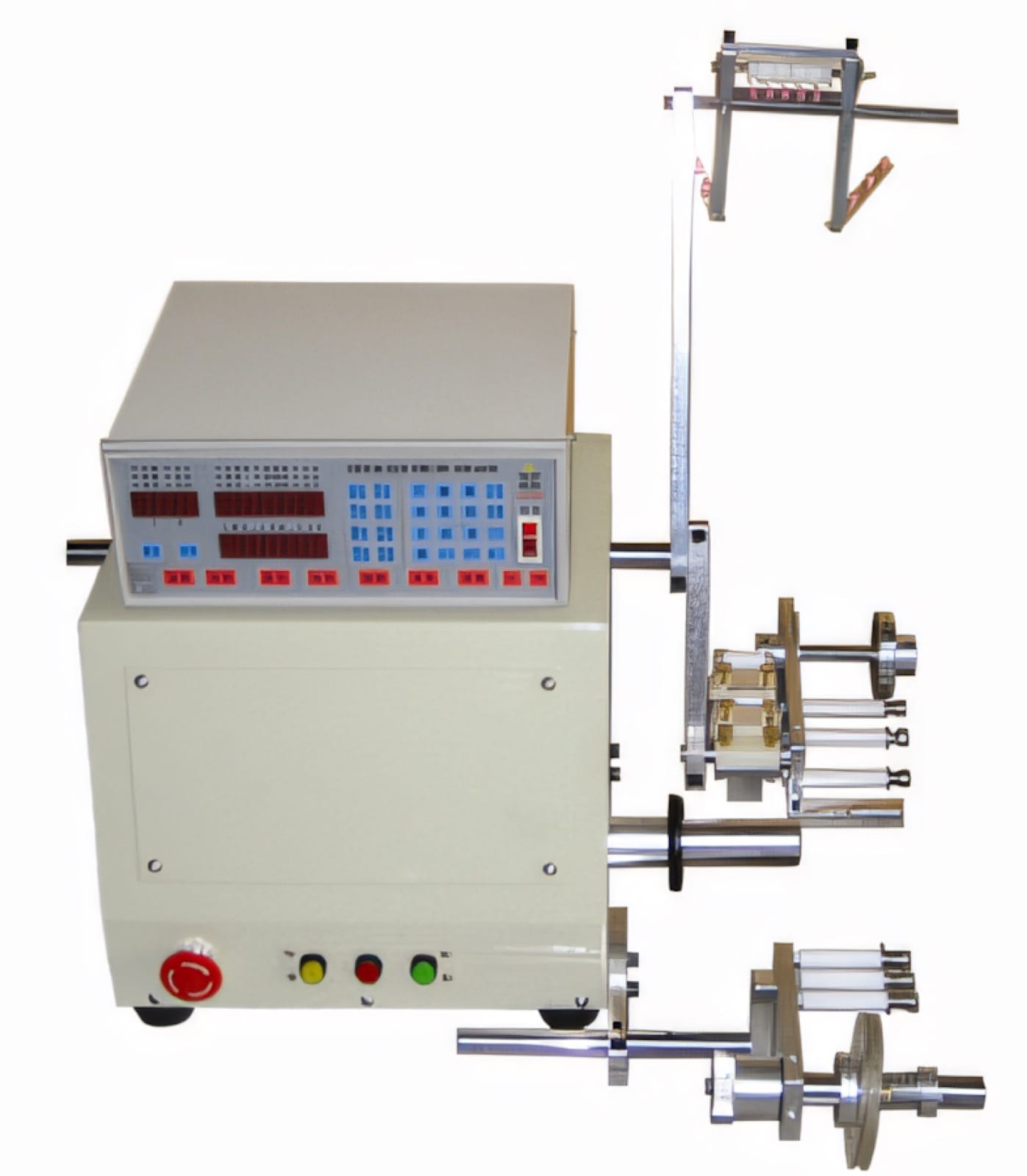
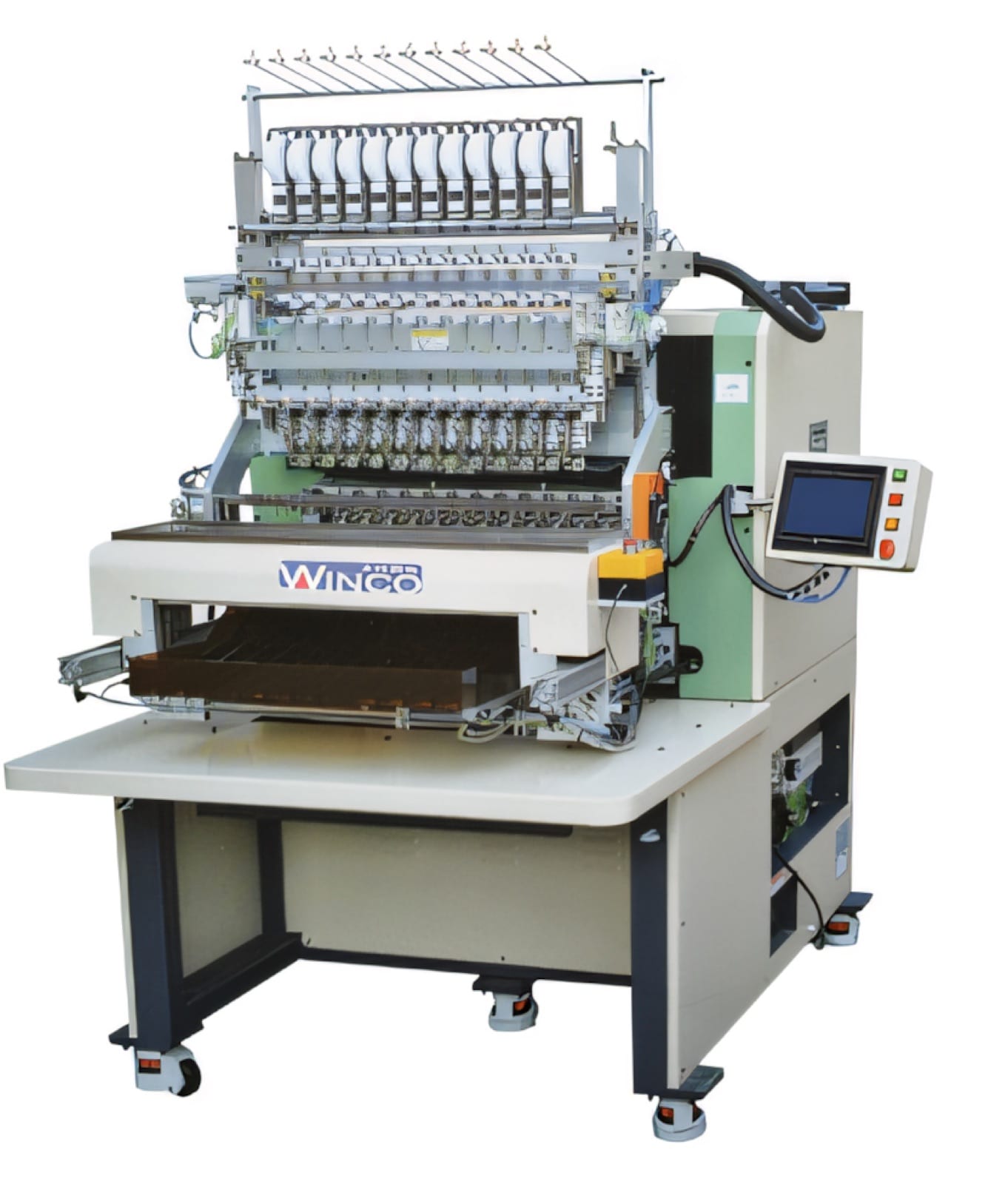
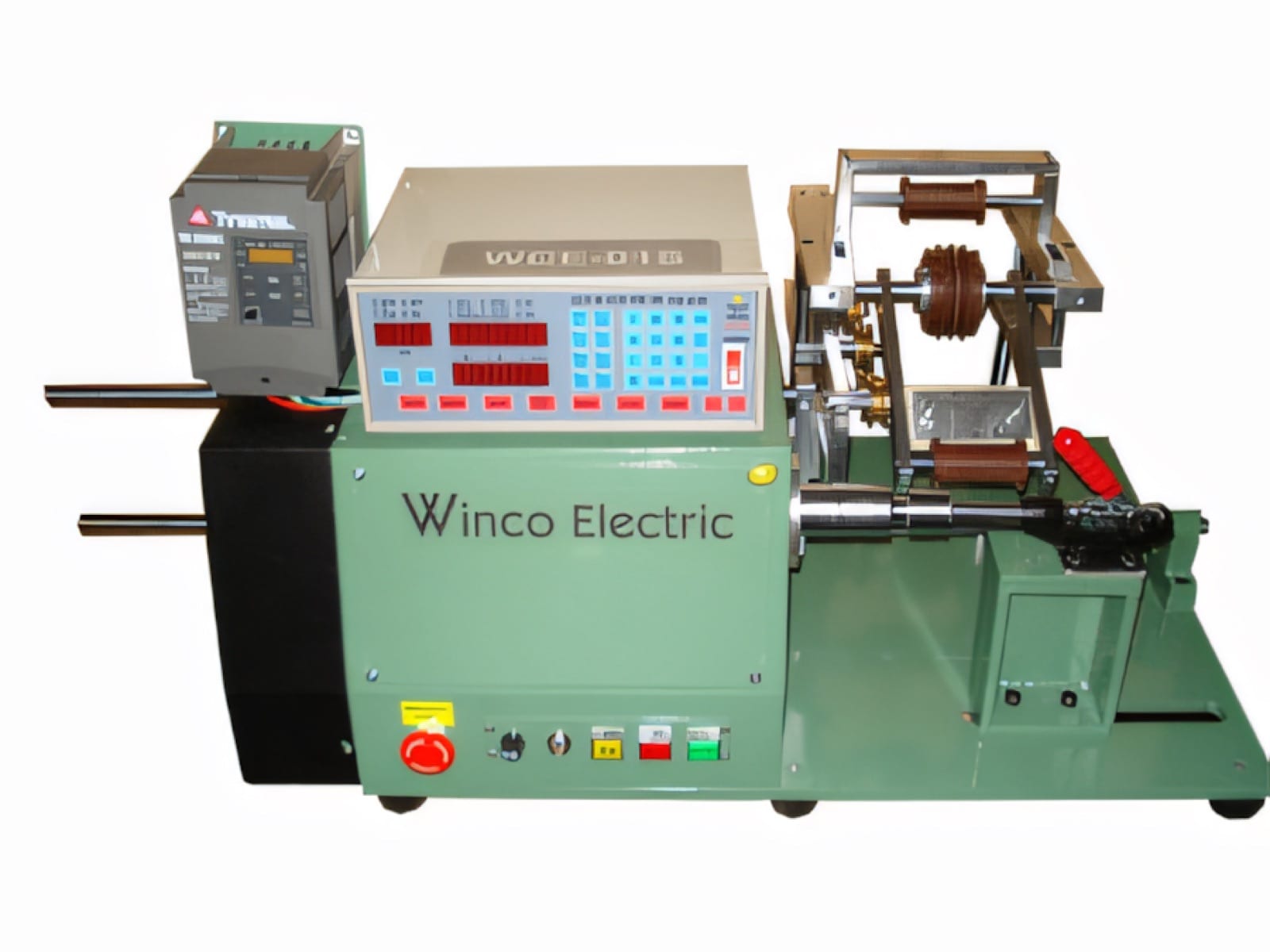
Relevant machinery for this process
Explore PME equipment that can support the operations discussed in this guide. Final machine selection should be confirmed against your component, materials and target output.
Plan the next step
Discuss your component and production target with PME.
Share a drawing, sample, current process and expected output. We can help map the right machines and level of integration.