
Create the process and product-family maps
An electronic component production line should be designed from the required transformations and tests. Map every operation from incoming bobbin, core, terminal, wire or housing to packed output, and identify where product variants enter the flow.
A product-family matrix shows which parts can share feeders, nests, tooling and recipes. It also reveals where a modular cell may be more practical than a fully dedicated line.
Balance stations around sustained takt
Measure realistic cycles for insertion, winding, taping, soldering, dispensing and testing. Include loading, verification, unloading and normal replenishment. The slowest repeatable process determines the base line rate unless parallel equipment is used.
Use small, controlled buffers only where process variation requires them. Large buffers hide problems, increase work-in-process and make mixed production harder to control.
- Target good parts per hour and shift
- Changeover frequency and product mix
- Material replenishment and operator walking
- Reject handling and traceability
Standardize mechanical and control interfaces
Every station needs a repeatable part datum and a clear handshake with upstream and downstream equipment. Common recipes should coordinate process parameters and test limits, while status data identifies whether a part may move forward.
Design safe fault behaviour before software commissioning. Decide when the whole line stops, when a station completes its cycle and where partly processed components go after recovery.
Plan a scalable automation architecture
Factory automation for electronic components can begin with the highest-value standalone machine and add modules later. Standard nests, transfer height, communication and data structures protect that migration path.
PME’s insertion, winding, taping, soldering, dispensing and testing range can support individual stations or connected systems. A process study helps decide which operations should be integrated now and which should remain flexible.
Relevant machinery for this process
Explore PME equipment that can support the operations discussed in this guide. Final machine selection should be confirmed against your component, materials and target output.
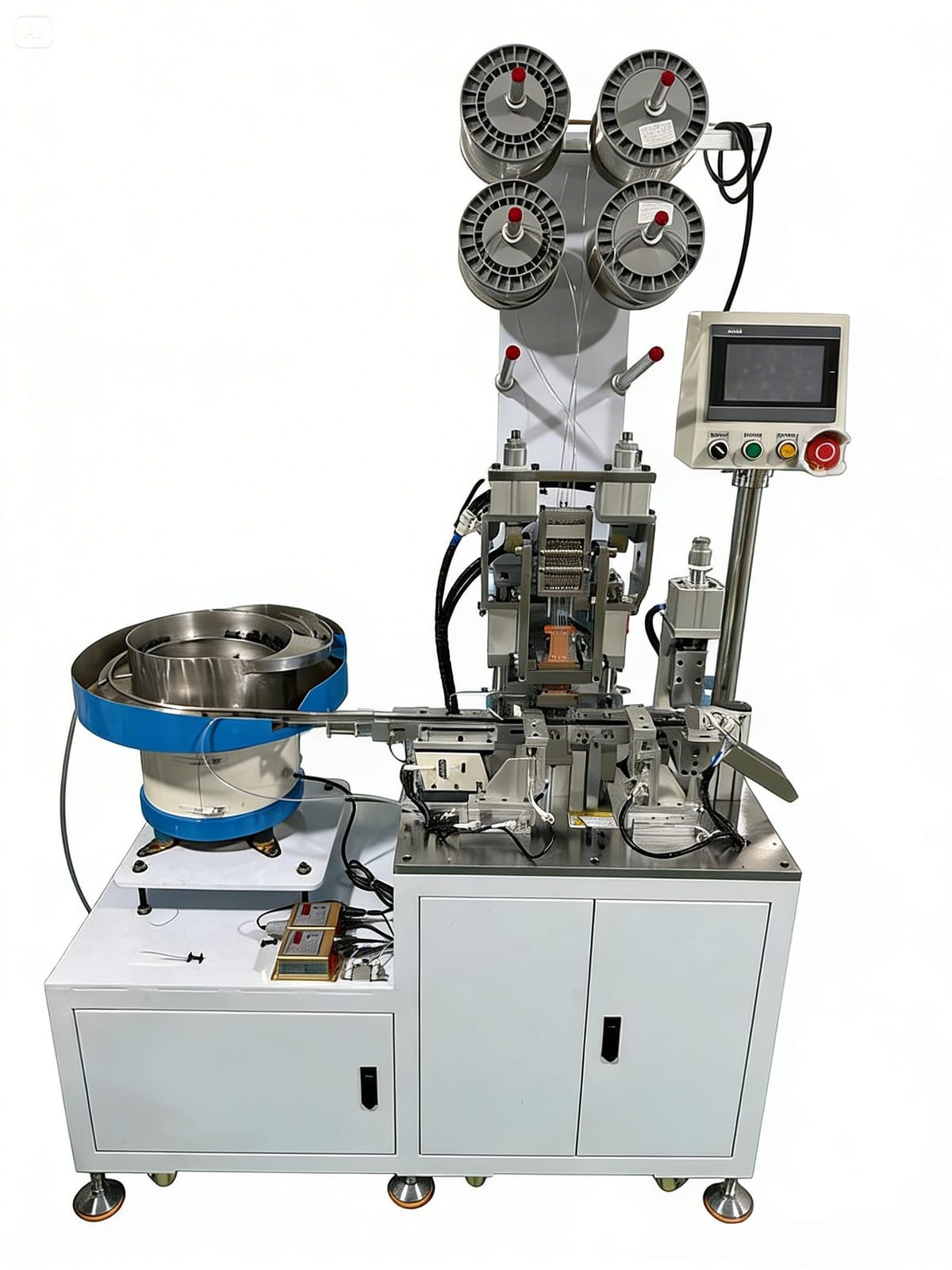 PME AUTOMATION
Pin Inserting Machine with Bowl Feeder
View machine ↗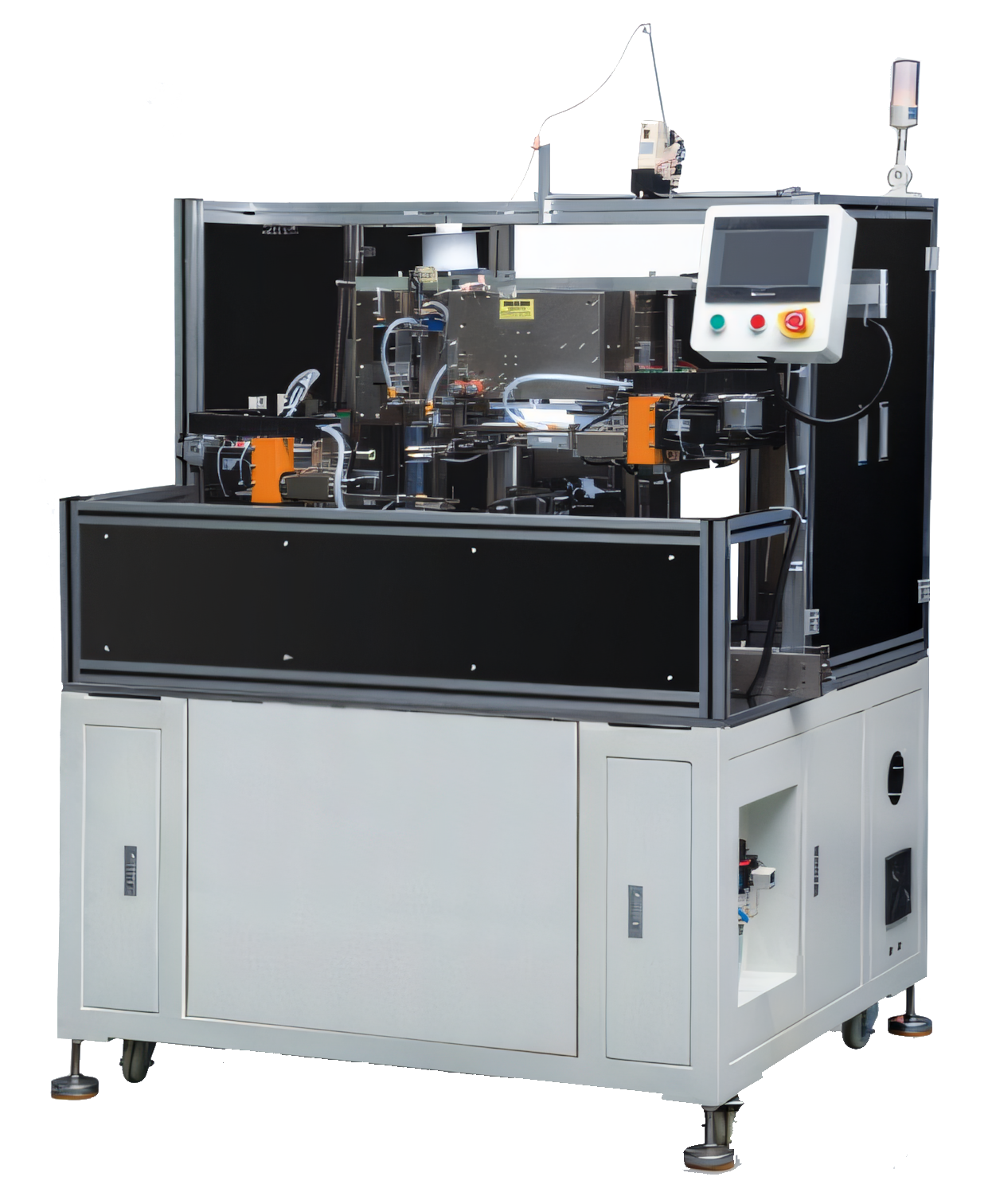 PME AUTOMATION
Auto Tube Insert, Winding & Taping Machine
View machine ↗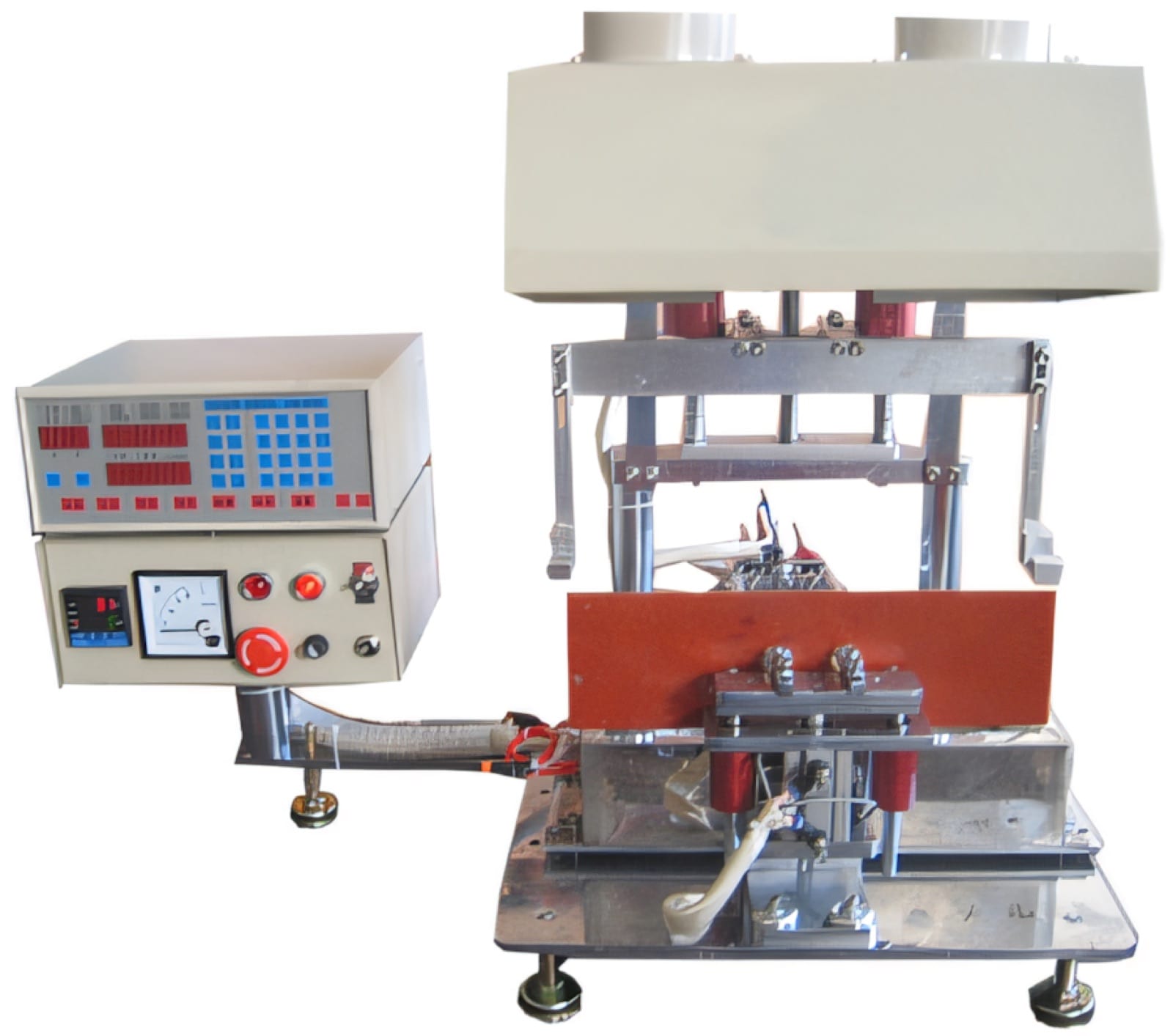 PME AUTOMATION
CNC In-line Auto Dip Soldering Machine
View machine ↗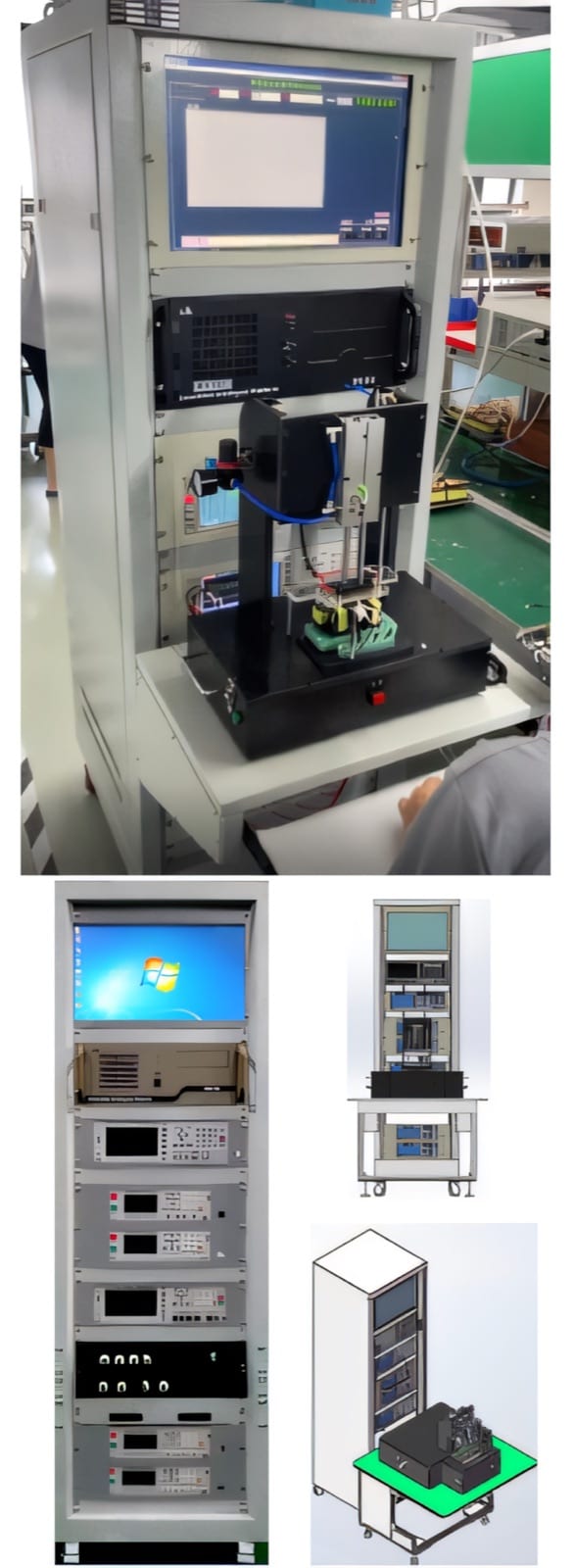 PME AUTOMATION
Combined Testing System — Inductance/CMN/Automobile Electronics
View machine ↗Plan the next step
Discuss your component and production target with PME.
Share a drawing, sample, current process and expected output. We can help map the right machines and level of integration.