
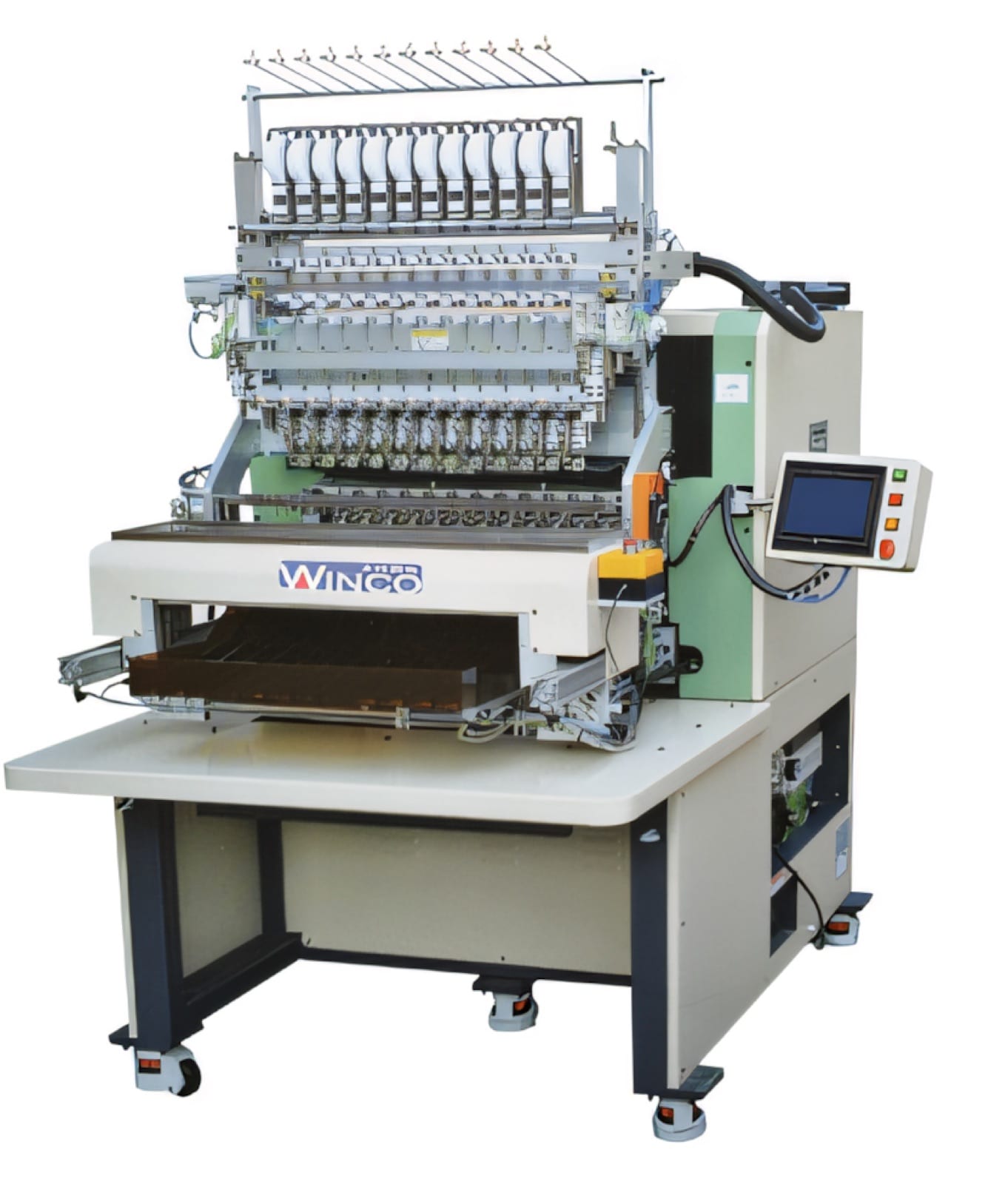
The essential machine groups
The exact equipment list depends on whether the inductor is wound on a bobbin, toroidal core or another geometry. Most production routes still contain four essential functions: prepare the part, wind the coil, make the electrical connection and verify the result.
These functions can be performed by individual machines, combined cells or a complete line. The correct choice depends on volume, part variety and the amount of handling that can be standardized.
- Coil winding machine
- Wire stripping, cutting or preparation equipment
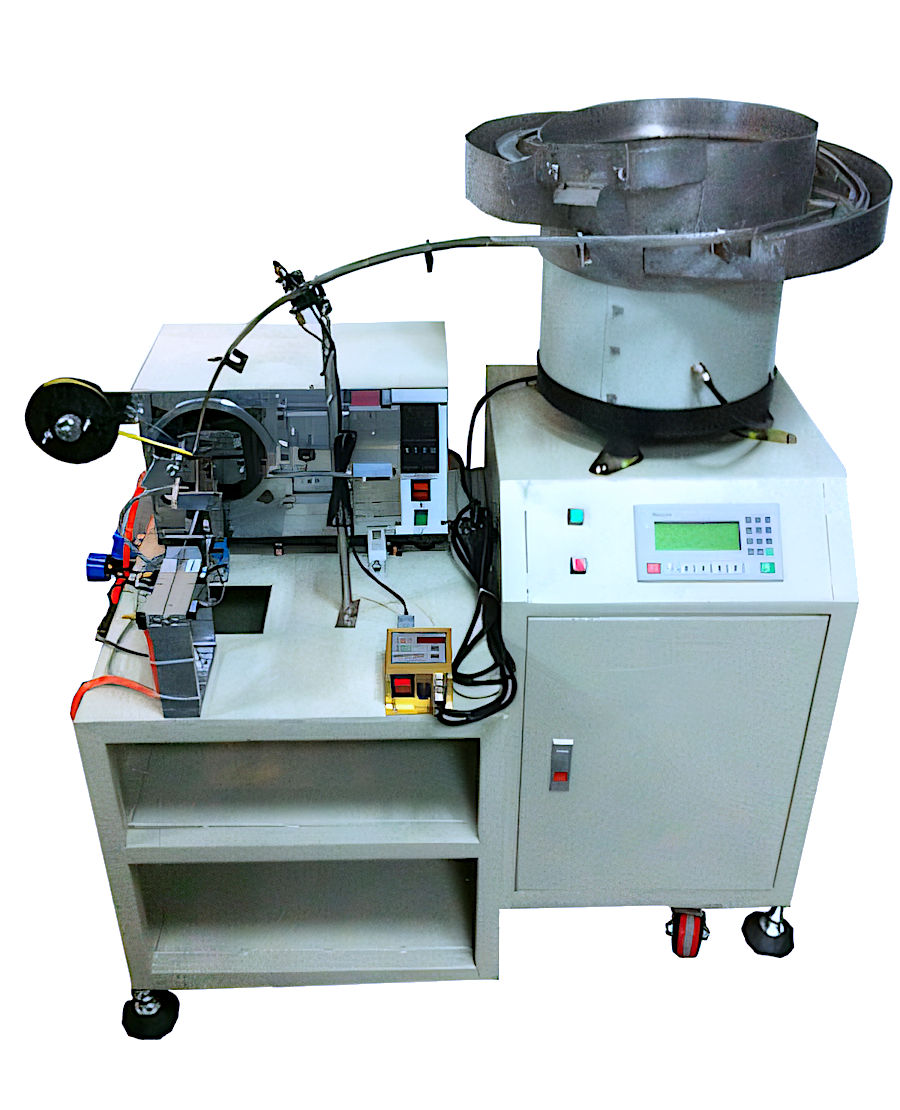
- Taping, termination, soldering or welding equipment
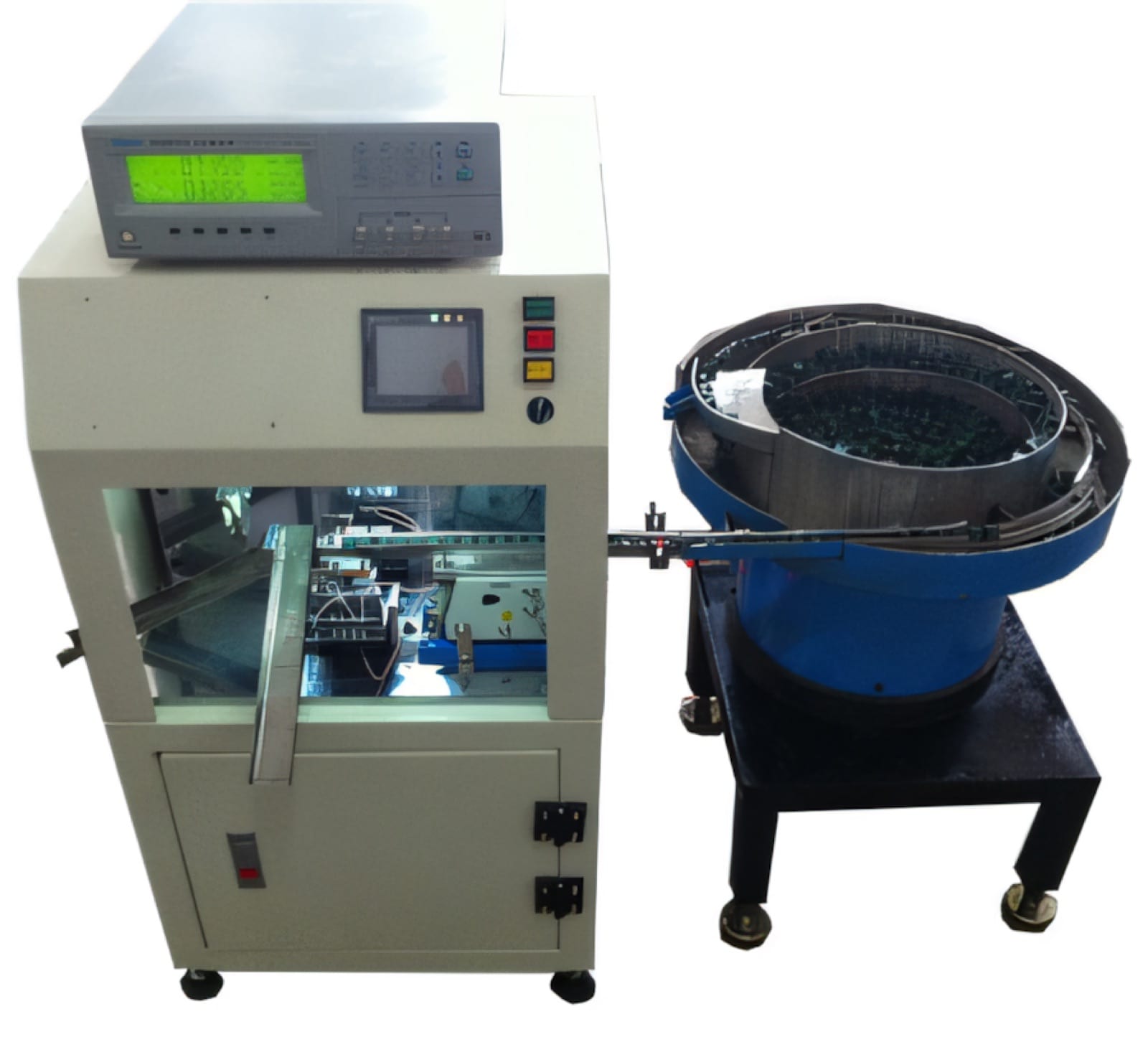
- Electrical testing system
Winding and wire preparation
The winding machine controls turns, speed, traverse and tension. Single-spindle equipment is flexible for lower volumes and frequent changes. Multi-spindle equipment raises output when several identical coils can be processed together.
Wire processing may be integrated into the winding cycle or handled separately. Fine wire, enamel removal, terminal wrapping and cut length all affect the tooling and sequence.
Joining, insulation and finishing
Depending on the design, the wound component may need core or coil taping, fluxing, dip soldering, spot welding or another joining process. Automation is especially valuable when dwell time, temperature, joint position or tape overlap must remain consistent.
Additional equipment may include tape dispensers, pin insertion, core assembly, impregnation or curing ovens. These should be added because the product requires them—not because a generic line includes them.
Electrical testing is a production machine
Testing should be treated as part of the manufacturing process rather than a final laboratory activity. The system may check inductance, resistance, continuity, insulation or other product-specific limits. Automated fixtures, recipe selection and reject separation reduce the risk of mixed or unverified output.
A useful equipment specification therefore starts with a process flow and test plan. Once these are agreed, each machine can be selected as a standalone station or integrated into one controlled line.
Relevant machinery for this process
Explore PME equipment that can support the operations discussed in this guide. Final machine selection should be confirmed against your component, materials and target output.
Plan the next step
Discuss your component and production target with PME.
Share a drawing, sample, current process and expected output. We can help map the right machines and level of integration.