
Start with good-parts demand and product mix
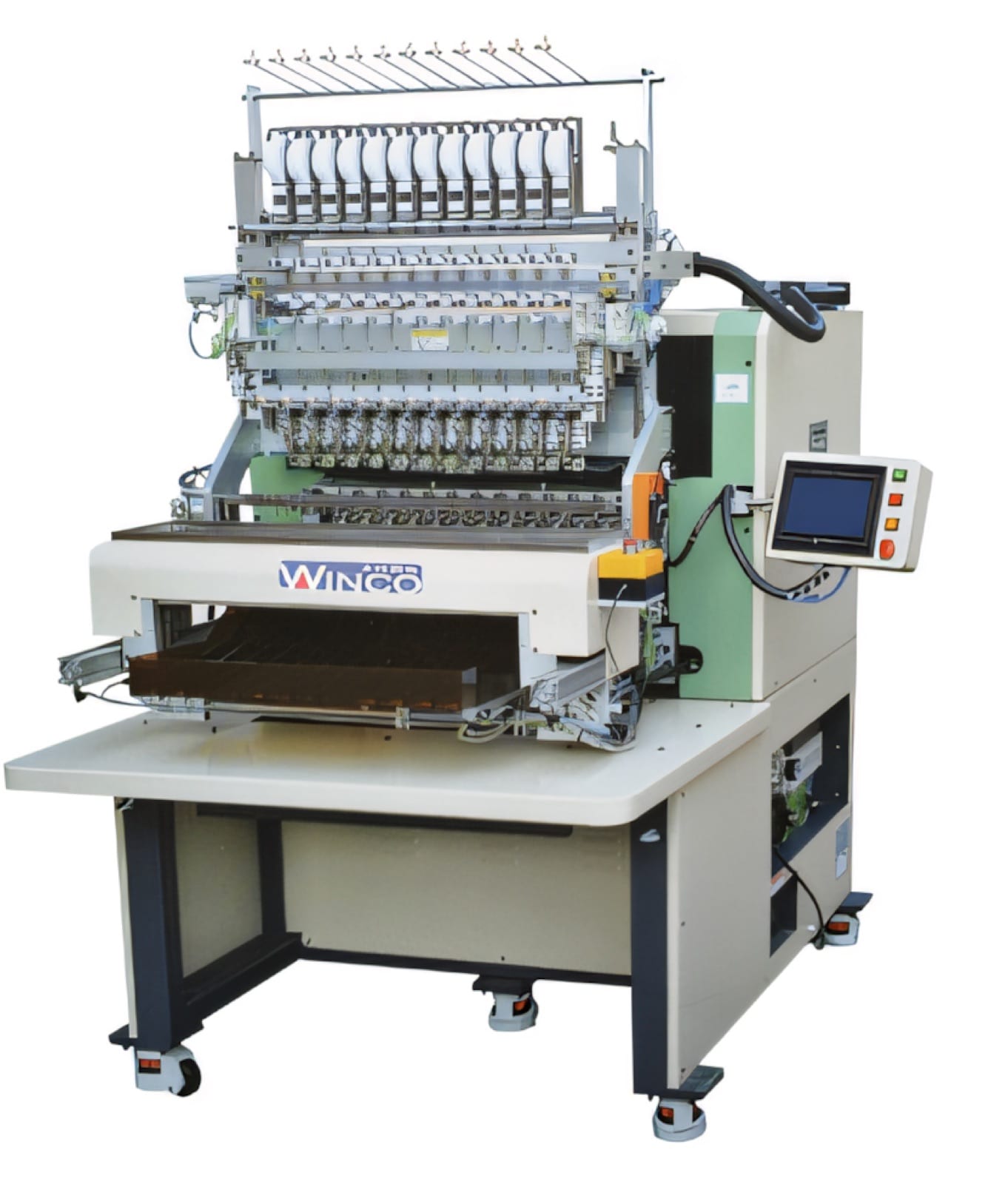
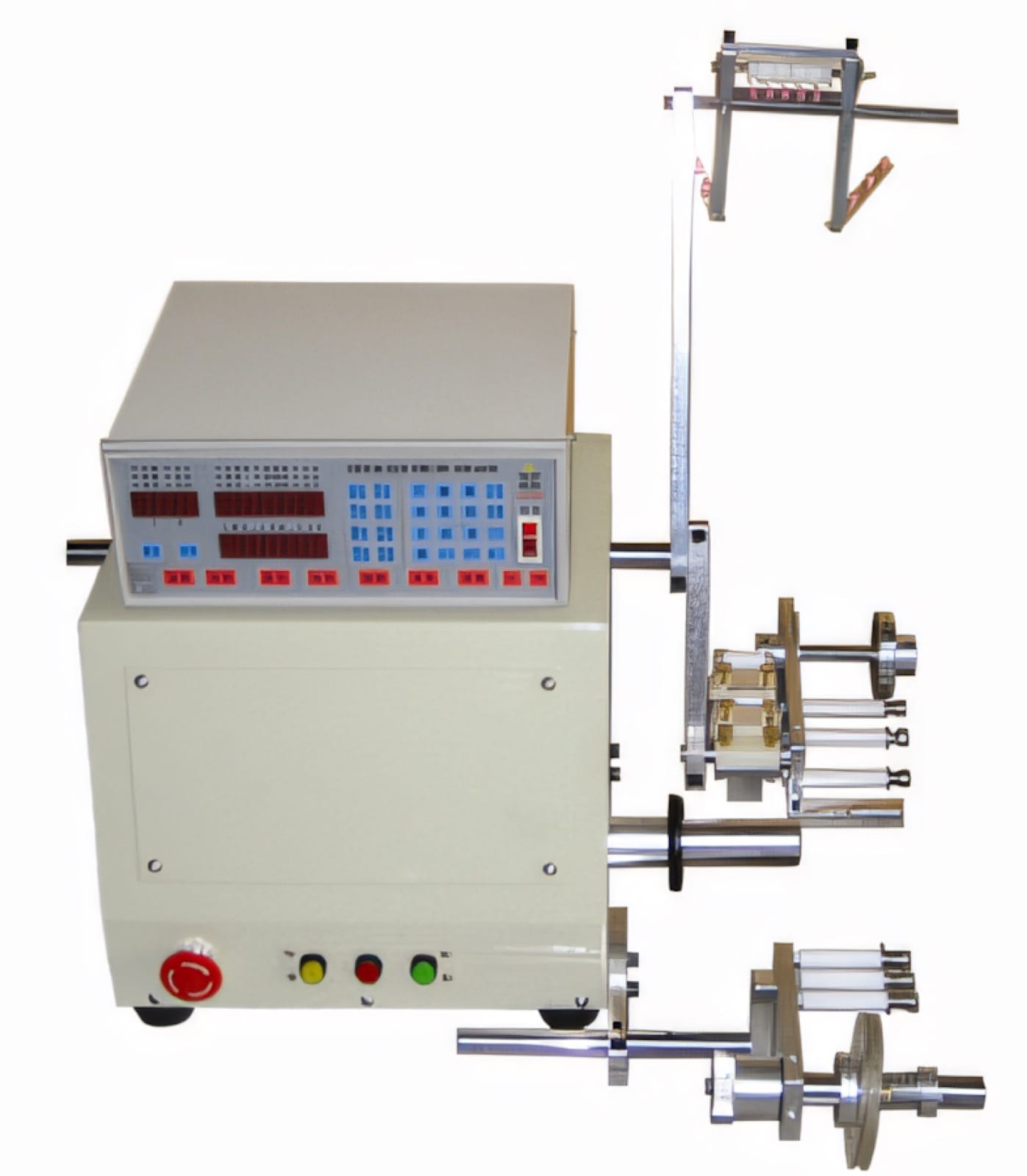
A single-spindle coil winding machine is usually easier to tool, observe and change, making it suitable for development, lower-volume products and frequent variants. A multi-spindle coil winding machine processes several matching parts in parallel and is strongest when demand and material presentation are stable.
Compare required good parts per shift rather than maximum spindle speed. Include loading, unloading, lead handling, spool changes, inspection, faults and changeover in the capacity calculation.
Understand parallel production
An 8, 12, 16 or 20 spindle automatic coil winding machine can multiply output, but every spindle depends on consistent tooling, bobbins and wire delivery. One damaged guide or incorrectly loaded part can affect the full batch if detection and recovery are not planned.
Multi-spindle tooling also needs reliable simultaneous clamping and consistent start positions. Review how individual failures are detected, whether one spindle can be disabled and how operators clear a broken wire safely.
- Parts loaded per cycle
- Common versus independent tension control
- Time to change tooling and programs
- Handling of one failed position
Compare changeover and labour
A single-spindle machine may need more loading cycles for the same output, yet it can reduce changeover effort and unfinished inventory. A multi-spindle machine can lower handling per part, although large fixtures and multiple wire paths take longer to set and verify.
Operator workload depends on feeder capacity and downstream flow. High winding output has little value if taping, soldering or testing cannot keep pace.
Validate with the most difficult part
Trial the smallest wire, highest turn count, most demanding lead position and least rigid bobbin. Measure tension stability, layer formation, cycle repeatability and the quality of every spindle rather than inspecting only one position.
PME offers the PME-801 CNC single-spindle winding machine and PME-8008/8012/8016/8020 multi-spindle range. A sample study can determine whether flexibility or parallel output creates the better production result.
Relevant machinery for this process
Explore PME equipment that can support the operations discussed in this guide. Final machine selection should be confirmed against your component, materials and target output.
Plan the next step
Discuss your component and production target with PME.
Share a drawing, sample, current process and expected output. We can help map the right machines and level of integration.