
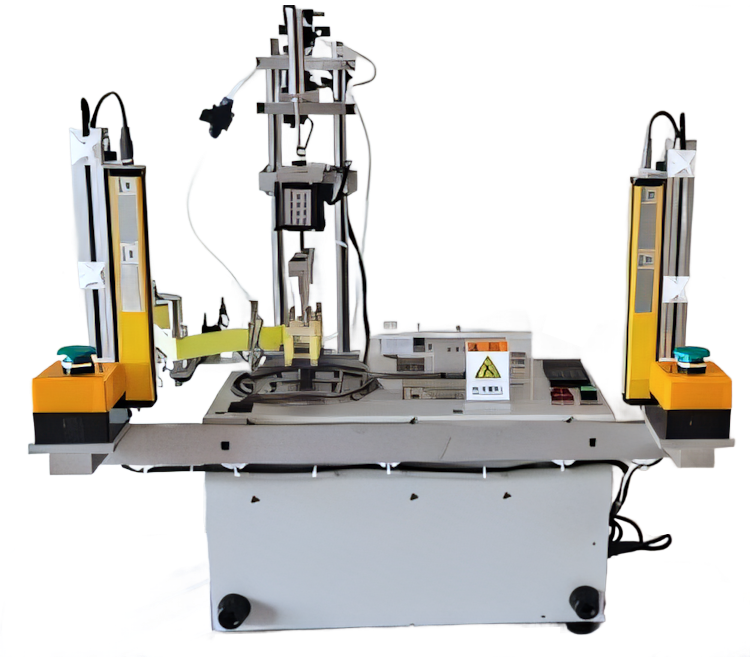
Describe the production need before the solution
A user requirement specification explains what the factory needs the machine to achieve and the conditions in which it must operate. Begin with the product family, current process, problem to solve and future production plan. Avoid locking the supplier into an unproven mechanism unless it is a genuine requirement.
Attach controlled drawings and representative samples. List variants, materials and characteristics that affect tooling. State which products are required at launch and which are only possible future additions, because that distinction changes cost and design risk.
- Product variants and approved drawings
- Current process and main production problem
- Target launch and future scope
- Factory location and operating schedule
Make output and quality measurable
Specify good parts per hour or takt together with batch size, changeover expectation and planned staffing. Define whether the target includes replenishment, inspection and routine stops. A bare cycle-time number can create a machine that moves quickly but misses the actual shift output.
List product acceptance criteria and how each will be measured. Identify tests performed by the machine, checks performed elsewhere and the required handling of rejects. Include representative known-failed samples when detection capability must be demonstrated.
Cover controls, usability and factory interfaces
Describe available utilities, communication needs, recipe control, data retention and required languages. State how the line should interact with upstream and downstream equipment. Define operator, maintenance and engineering access without prescribing every screen.
Include expectations for loading, ergonomics, material capacity, change parts, cleaning and maintenance access. Safety and regulatory requirements should be identified by the buyer’s responsible specialists for the installation location and application.
Define acceptance, documentation and support
State what must be proven at design review, factory acceptance and site acceptance. Name the materials, duration, sample size, witnesses and pass criteria. Include required drawings, manuals, backups, spare-parts recommendations and training.
Separate mandatory requirements from preferences and ask suppliers to identify exceptions clearly. PME can use a well-structured URS to recommend a standard machine, a configured model or a special automation project with a more reliable scope and acceptance plan.
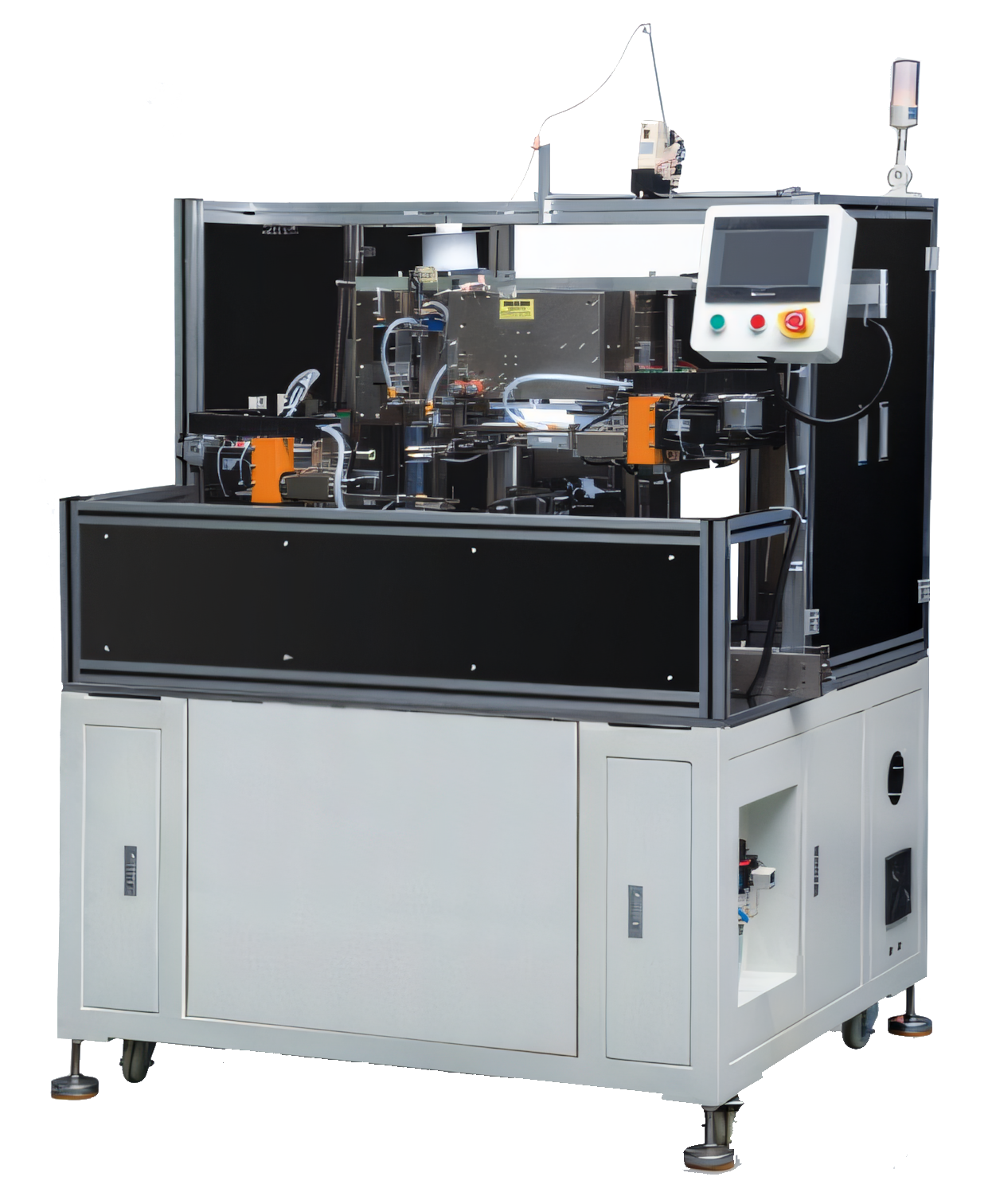
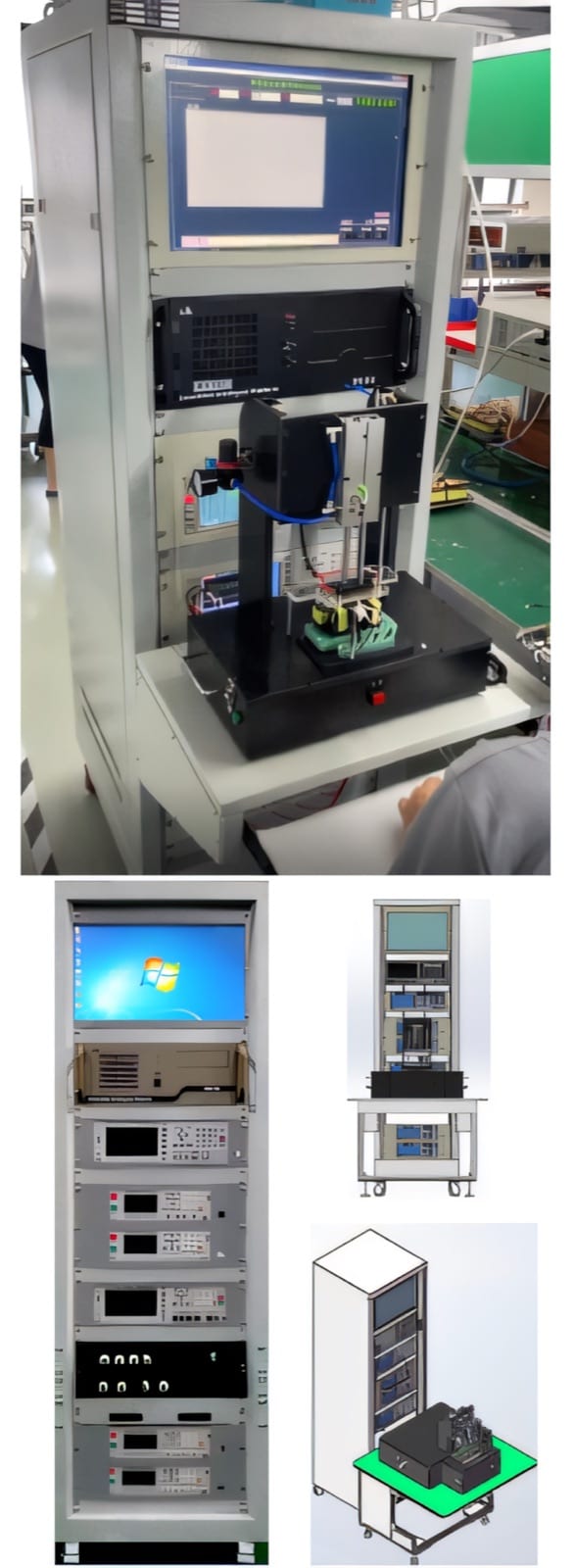
Relevant machinery for this process
Explore PME equipment that can support the operations discussed in this guide. Final machine selection should be confirmed against your component, materials and target output.
Plan the next step
Discuss your component and production target with PME.
Share a drawing, sample, current process and expected output. We can help map the right machines and level of integration.