
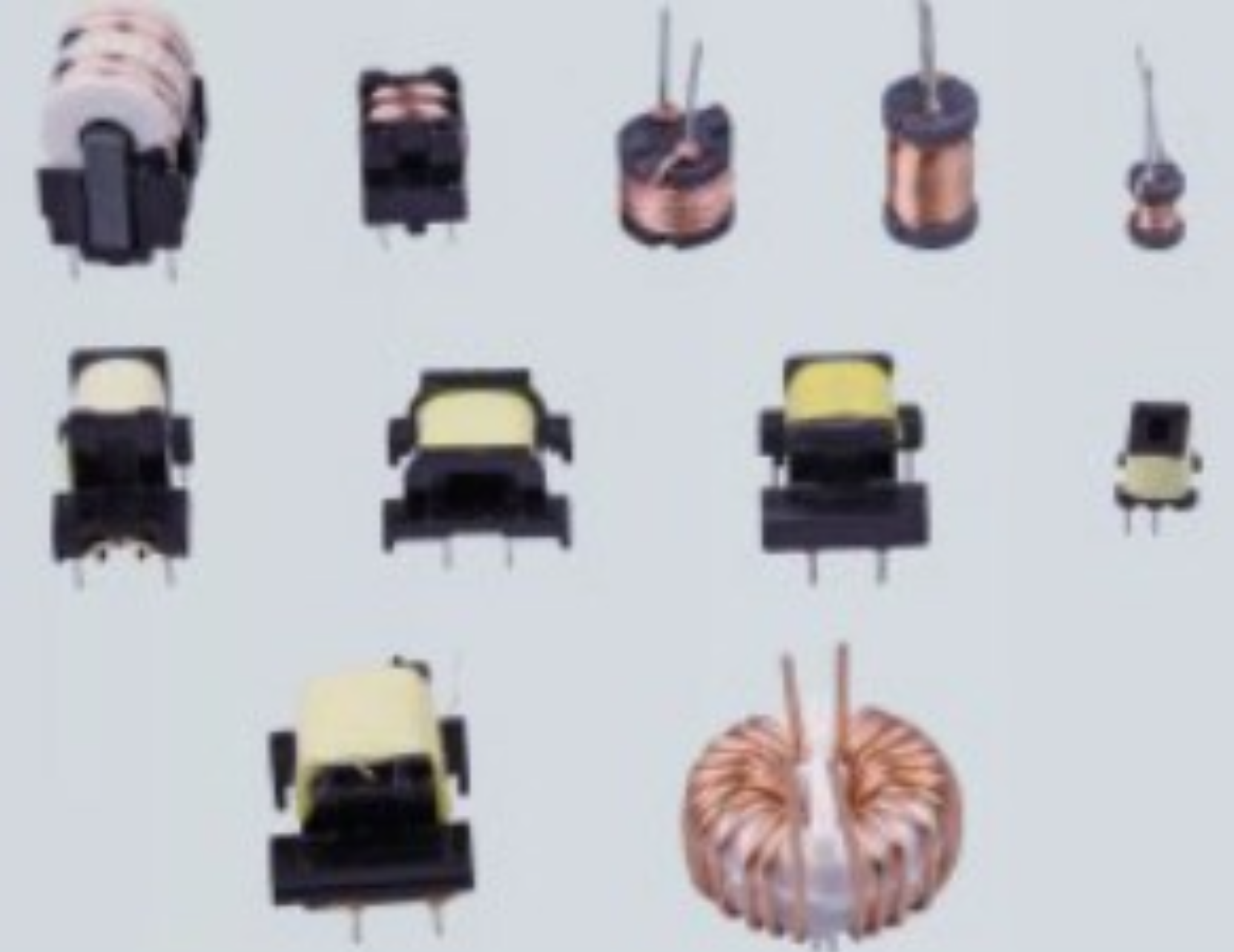
Send the complete product range—not one ideal part
A machine proposal becomes more reliable when the supplier sees controlled drawings and representative components from the intended production family. Include the smallest, largest and most difficult variants, plus normal manufacturing variation. Mark prototypes or non-production samples clearly.
Provide mating parts, fixtures and upstream material that affect the process. A bobbin alone may not reveal how wire, tape, solder, core or finished contacts behave. State which sample is the approved reference and which ones represent known problems.
- Controlled drawings and revision
- Representative samples from several lots
- Approved consumables and packaging
- Known failed or borderline parts where useful
Describe the current process with measured data
Share the operation sequence, staffing, cycle, output, changeover, scrap and rework using representative production records. Video can help explain handling, but it should support—not replace—measurements and a written process flow.
Identify the actual bottleneck and common failure modes. If manual lead positioning or inconsistent material causes most loss, the machine concept needs to address that condition rather than simply automate the visible final motion.
Define output and quality acceptance
State required good parts per hour, batch sizes, variants per shift and planned operators. Explain whether the target includes loading, replenishment and routine inspection. Provide the desired future volume separately from the minimum launch requirement.
Attach product acceptance criteria and test methods. For winding, include turn count and electrical limits; for soldering, joint and pull requirements; for dispensing, deposit and cure; for testing, parameter conditions and limits. The supplier needs to know how success will be judged.
Plan enough material for a meaningful trial
Ask the supplier how many components and how much consumable material are needed for development and acceptance. A few pieces may prove movement but not feeding stability, tool wear or sustained output. Include allowance for setup and destructive quality checks.
PME can review component drawings, samples, current process and target output to narrow the suitable standard or custom solution. Better input shortens clarification, improves quotations and creates an acceptance plan both parties can use.
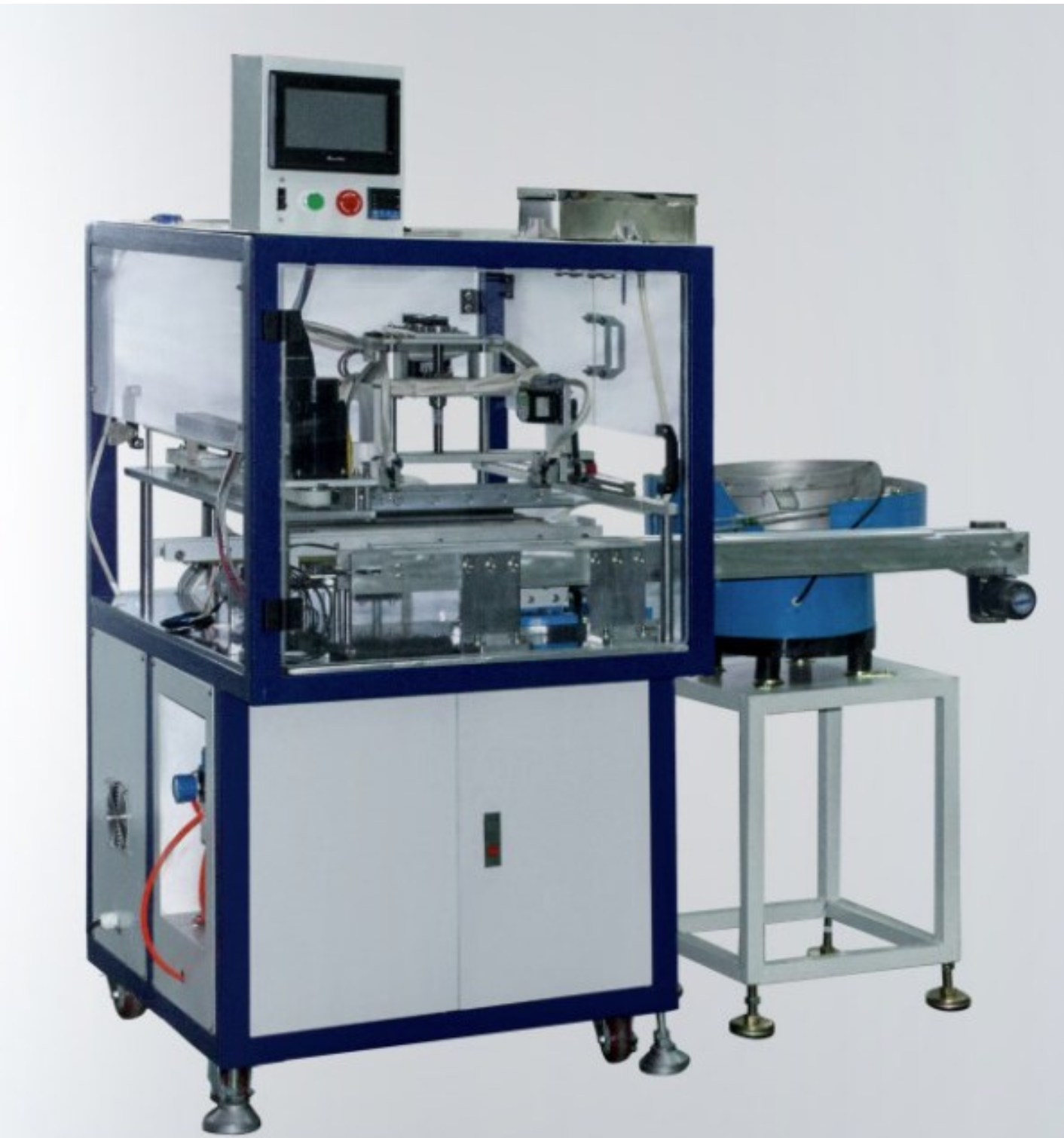
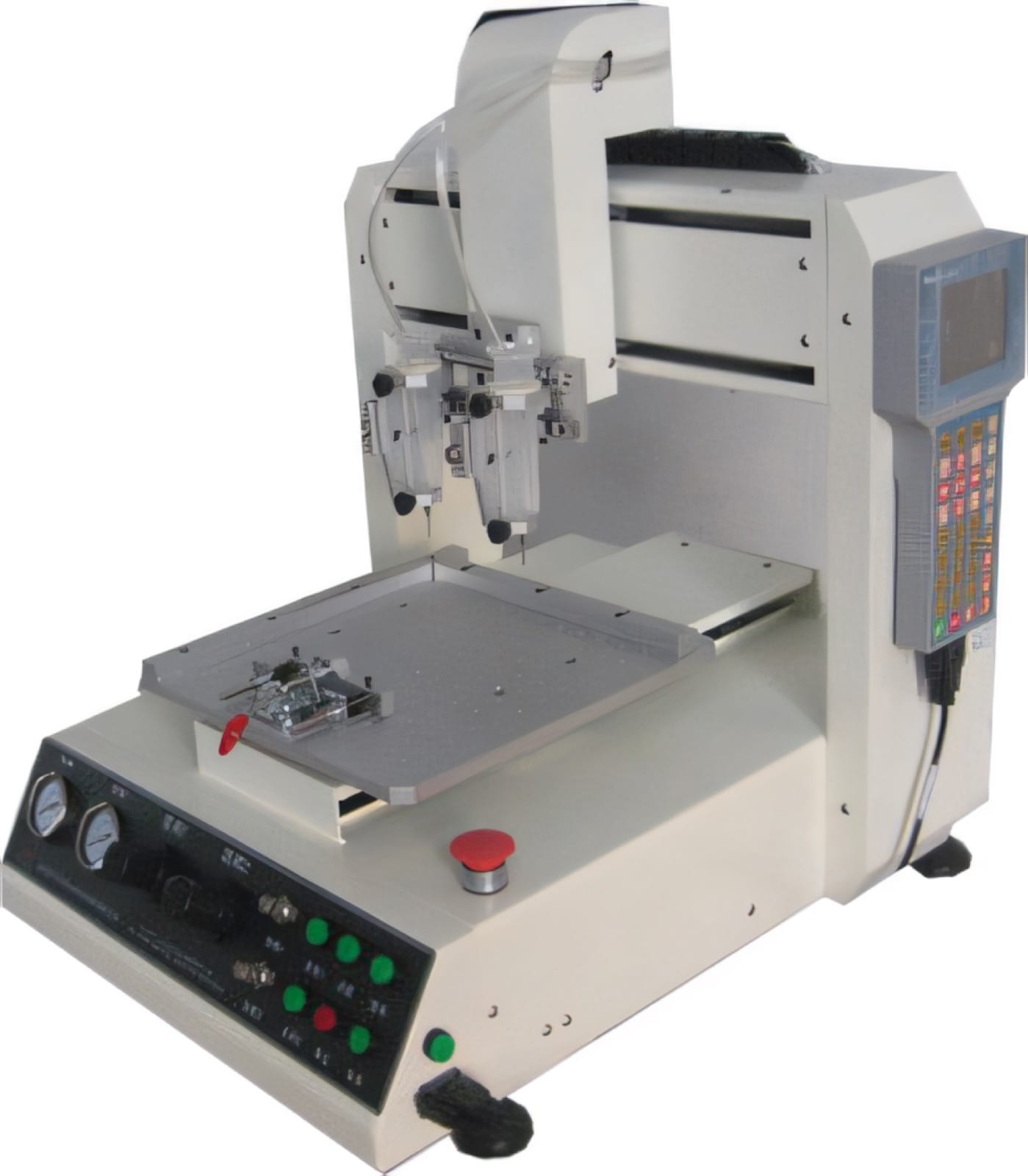
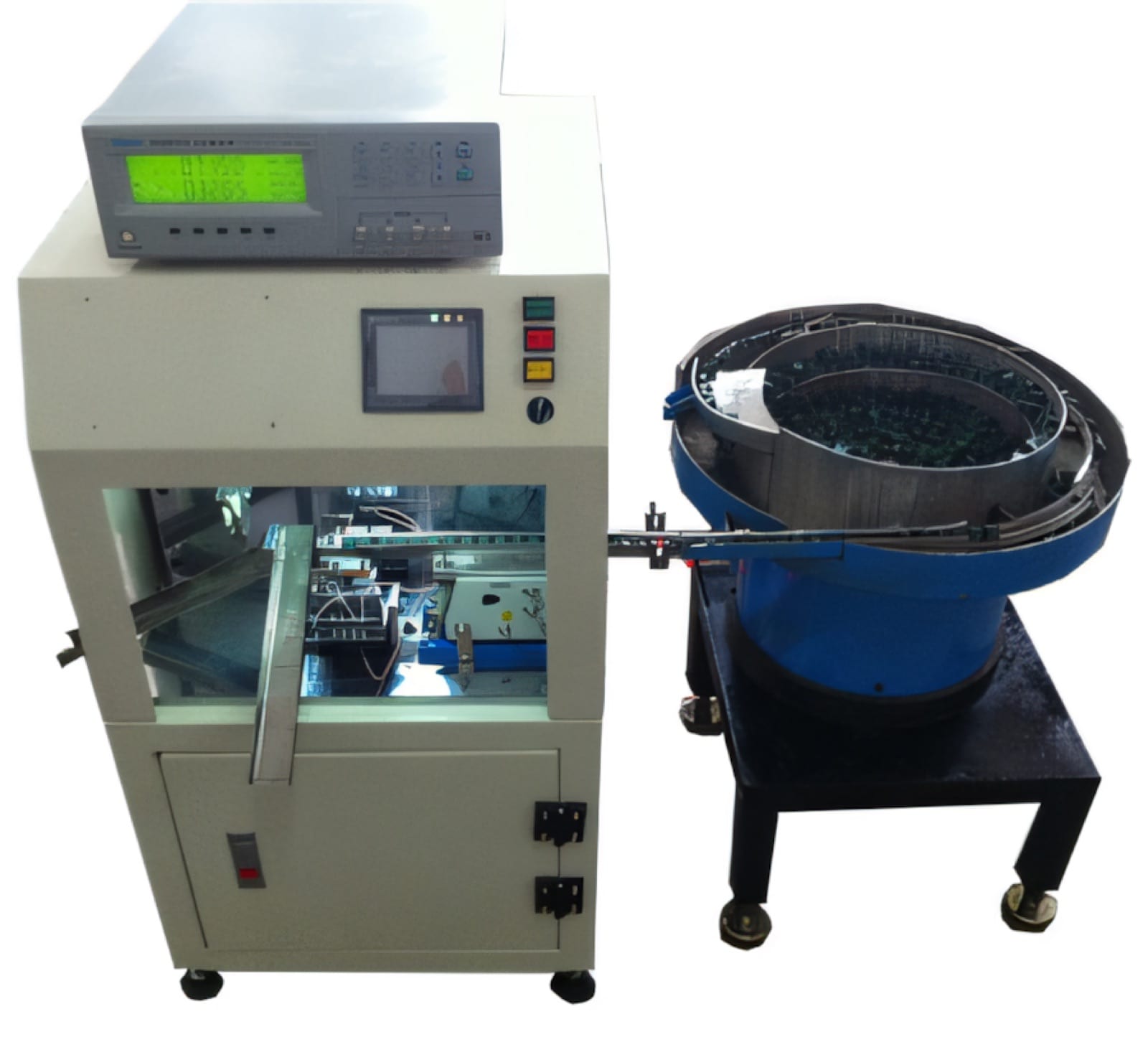
Relevant machinery for this process
Explore PME equipment that can support the operations discussed in this guide. Final machine selection should be confirmed against your component, materials and target output.
Plan the next step
Discuss your component and production target with PME.
Share a drawing, sample, current process and expected output. We can help map the right machines and level of integration.