
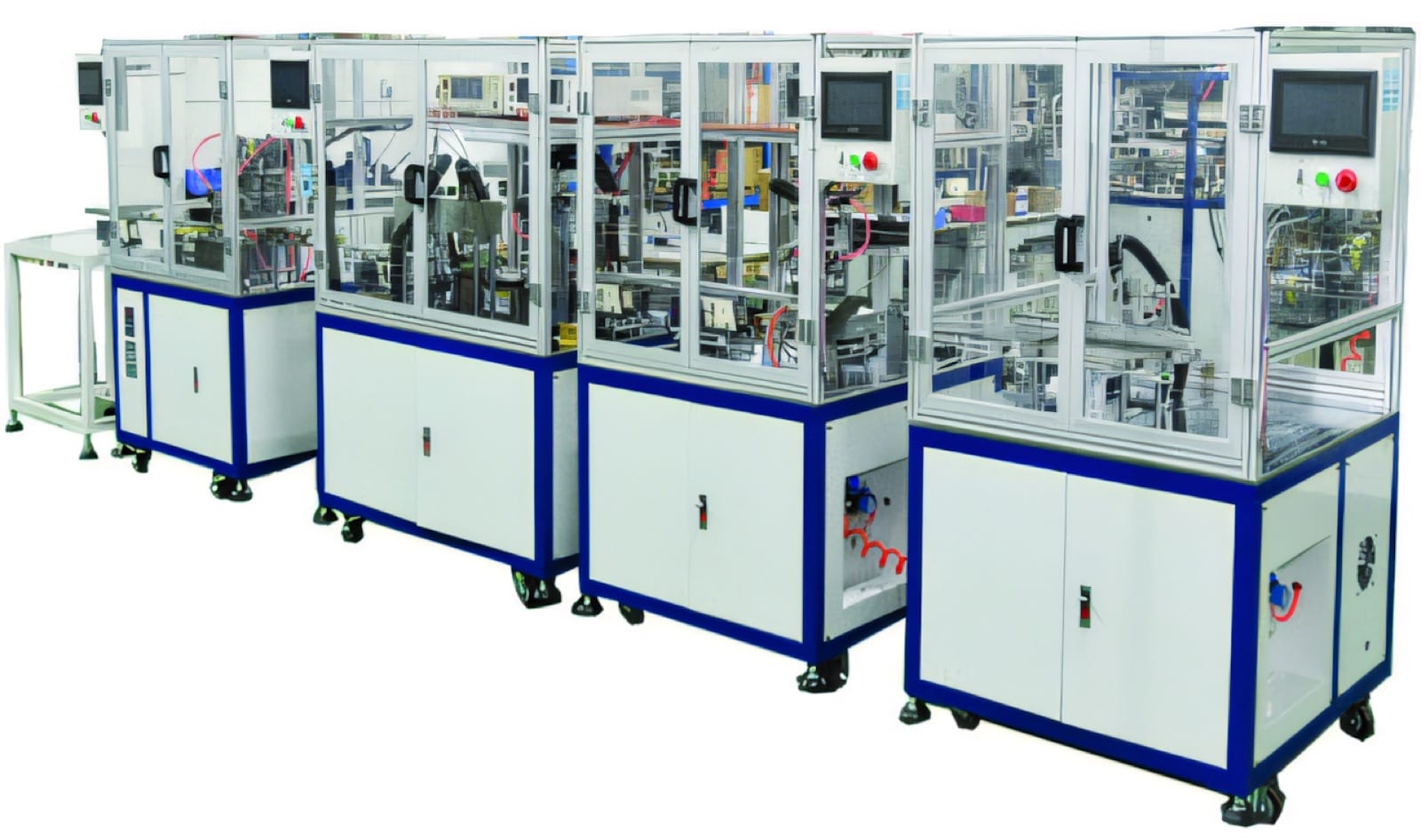
Individual machines offer modular flexibility
Standalone machines are often the best entry point when the product mix is changing, volumes are moderate or only one process is creating a bottleneck. Each station can be selected, installed and improved independently.
This approach also makes it easier to route different products through different process combinations. The trade-off is that operators or material-handling equipment must move work between stations, manage buffers and maintain traceability.
- Lower initial commitment
- Simpler process-by-process upgrades
- Flexible routing for varied products
- More manual transfer and work-in-process
A complete line optimizes the total flow
An automatic production line connects loading, winding, taping, joining and testing with common controls and planned part transfer. It can reduce repeated handling, limit queues and create a more consistent takt.
Integration works best when the product family is stable enough to justify dedicated tooling and when upstream material quality is controlled. A line does not remove the need for operators; it changes their work toward replenishment, supervision, changeover and fault response.
Compare the whole production system
Do not compare only the purchase price of the machines. Include floor space, operators, buffers, inspection, traceability, changeover, maintenance access and the cost of work waiting between operations.
A group of fast individual machines can still create poor overall output if one station is regularly starved or blocked. A line can also underperform if its slowest process was not understood during design.
A staged route is often practical
Many manufacturers begin with the highest-value standalone process—usually winding or testing—then add compatible stations. If the controls, fixtures and part-flow direction are planned from the start, those stations can later become modules within a connected line.
The right answer is therefore not always line or machines. It can be a deliberate migration path with clear triggers for the next level of integration.
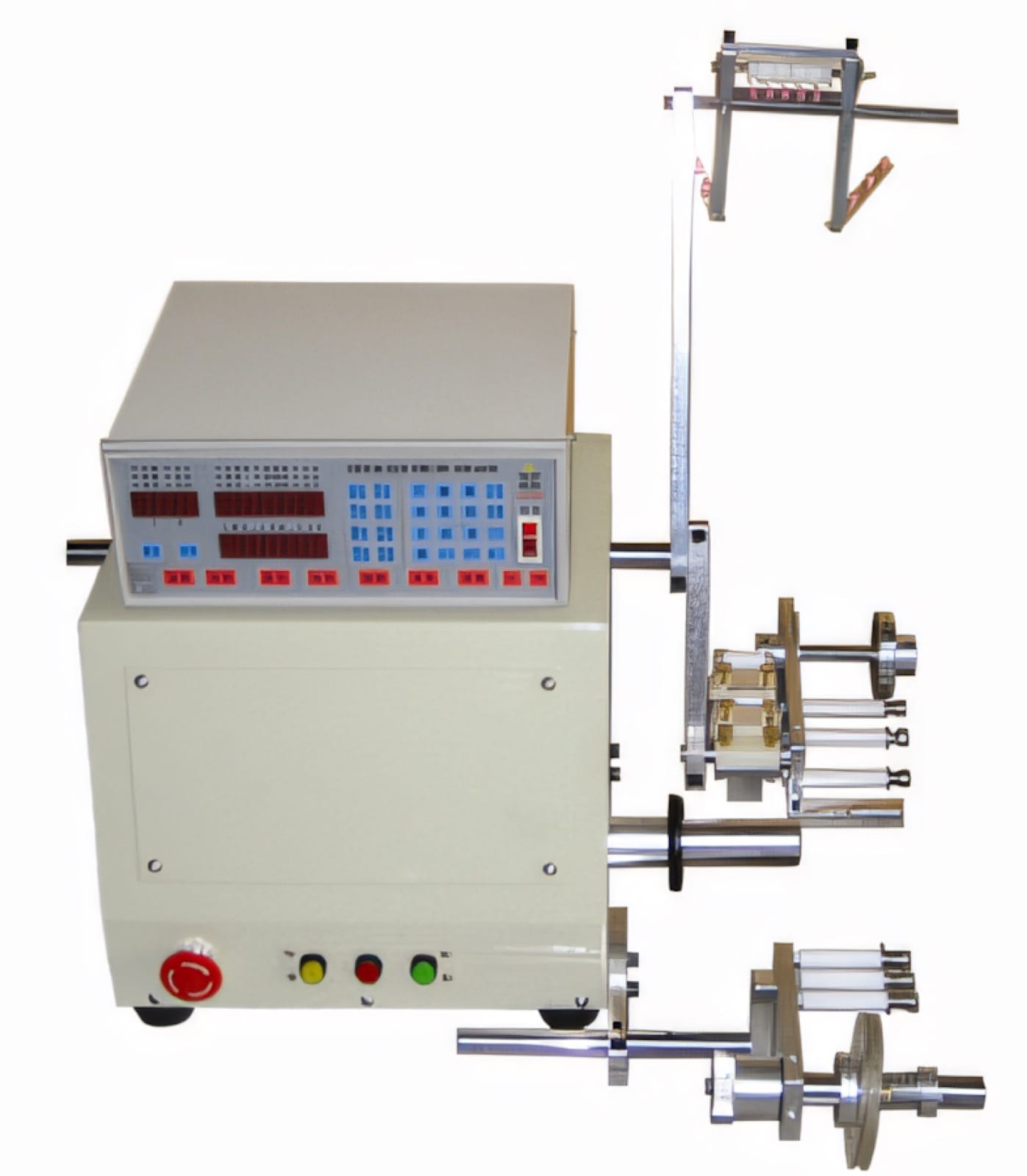
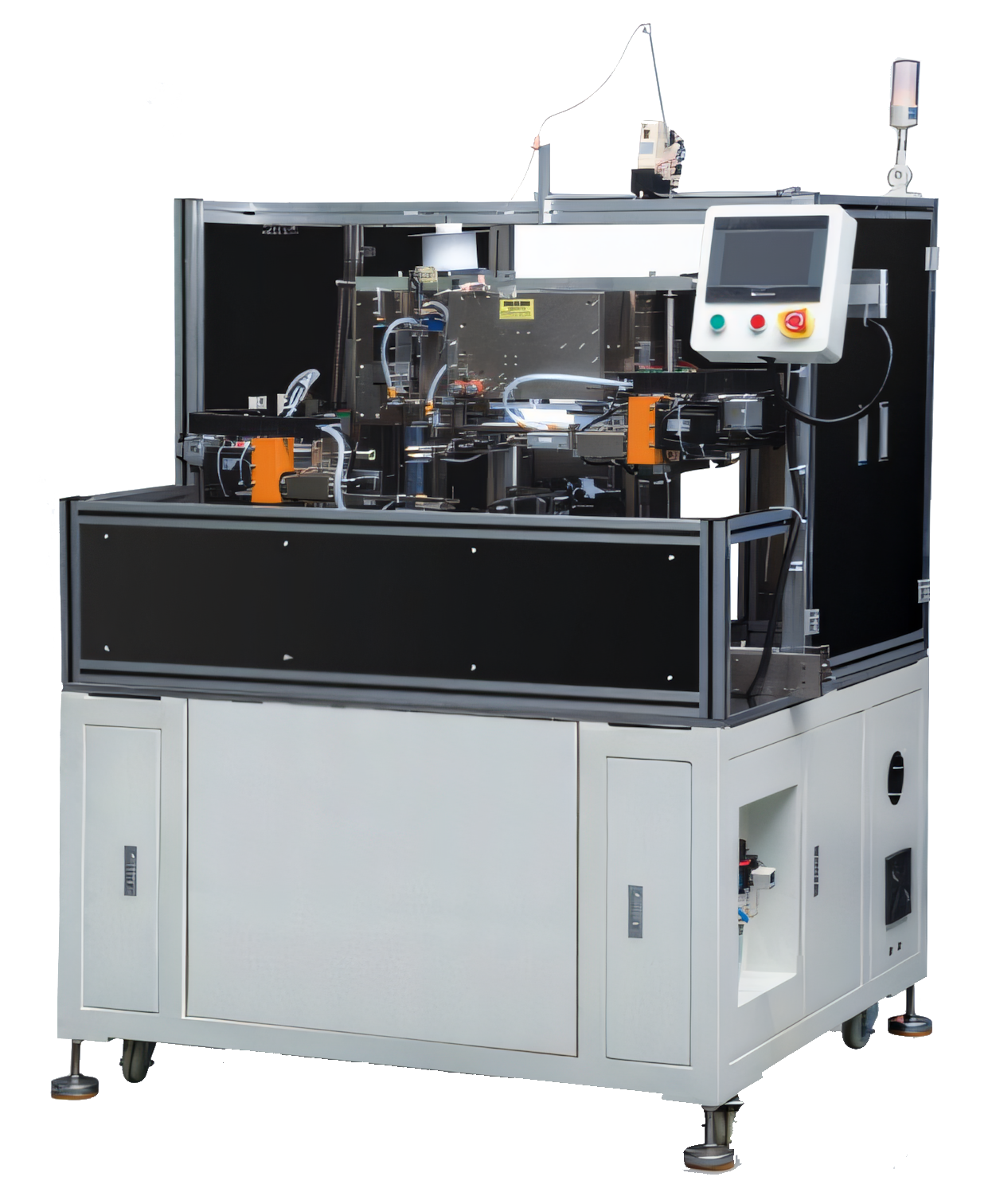
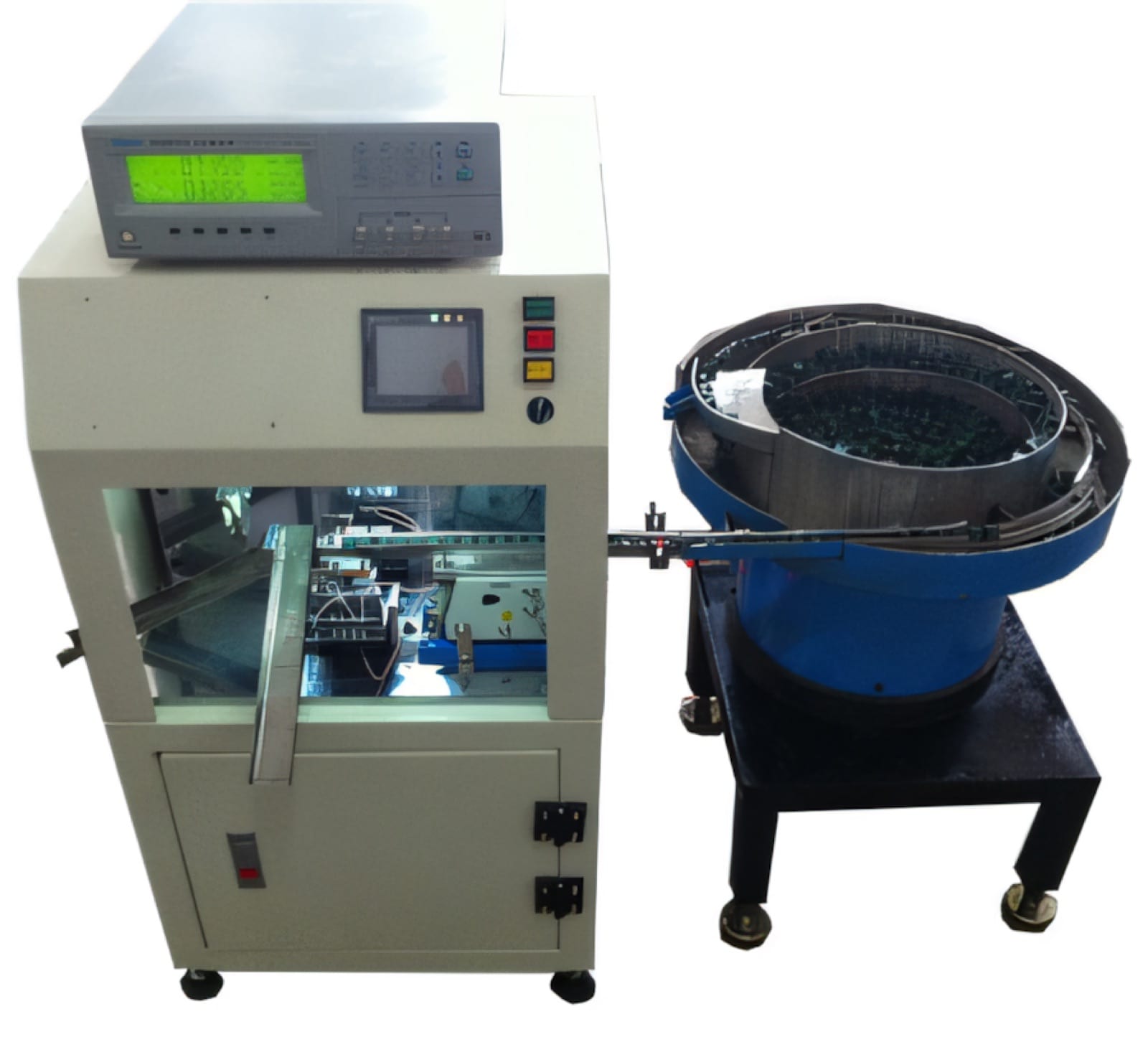
Relevant machinery for this process
Explore PME equipment that can support the operations discussed in this guide. Final machine selection should be confirmed against your component, materials and target output.
Plan the next step
Discuss your component and production target with PME.
Share a drawing, sample, current process and expected output. We can help map the right machines and level of integration.