
Translate the relay specification into a test plan
Relay production testing begins with the approved product specification and the failure modes the factory must prevent. Depending on the design, checks can include coil resistance, operate and release behaviour, contact continuity, contact resistance, timing and insulation-related tests. Not every parameter belongs at every station.
Define stimulus, measurement method, limits, settling time and test order for each product. Coil resistance changes with temperature, and contact results depend on the measurement conditions, so the plan should state the controlled environment or compensation method rather than using a value without context.
Design fixtures that do not create false failures
The fixture must locate the relay and contact every terminal consistently without damage. Probe resistance, contamination, travel and wear can look like product variation. Use a defined cleaning interval and confirm the station with approved reference parts before releasing production.
Where several relay types share one system, make tooling and recipes mistake-resistant. Mechanical keying, fixture identification and product scanning can prevent a correct relay from being tested against the wrong pinout or limits.
- Repeatable terminal contact force
- Fixture and recipe identification
- Reference-part verification
- Probe cleaning and life limits
Control retest and reject flow
An automatic testing machine should know whether each part completed every required measurement. A failed, interrupted or untested relay must move to a secure path rather than rejoining accepted product. Define whether retest is allowed and which conditions require fixture inspection first.
Store enough information to investigate trends: product recipe, result, failure parameter, station or fixture position and time. Even when full serial traceability is not needed, grouped data can reveal a drifting contact, changed coil lot or one weak assembly operation.
Validate measurement and handling as one system
Compare the automatic station against the approved reference using good, marginal and known-failed relays. Study repeatability over multiple insertions and fixtures, then run at target rate with normal feeding, pauses and rejects. A fast measurement is not a productive system if contact faults create frequent retests.
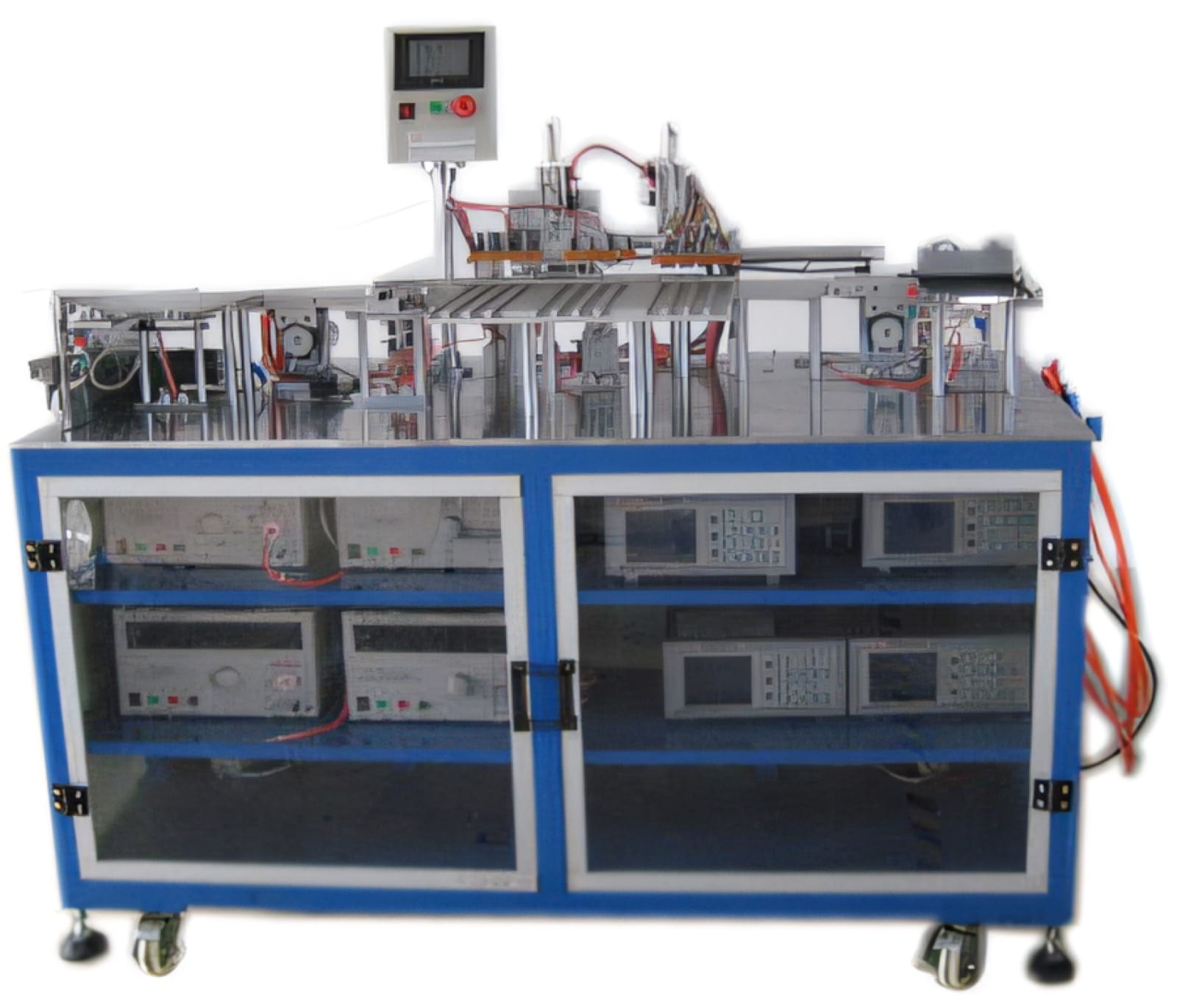
The PME-1013 fully automatic relay testing machine can be evaluated as a standalone process or within a relay production line. Final configuration should follow the relay specification, terminal design, feeding method, throughput and data requirements.
Relevant machinery for this process
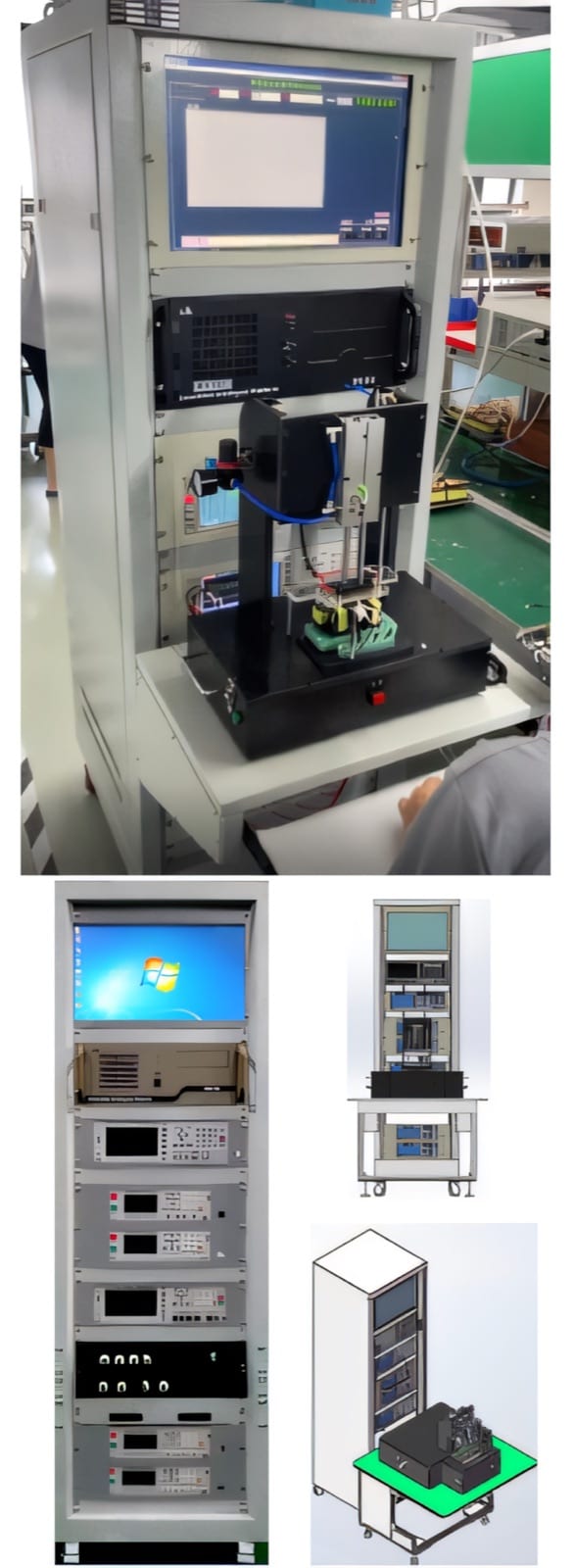
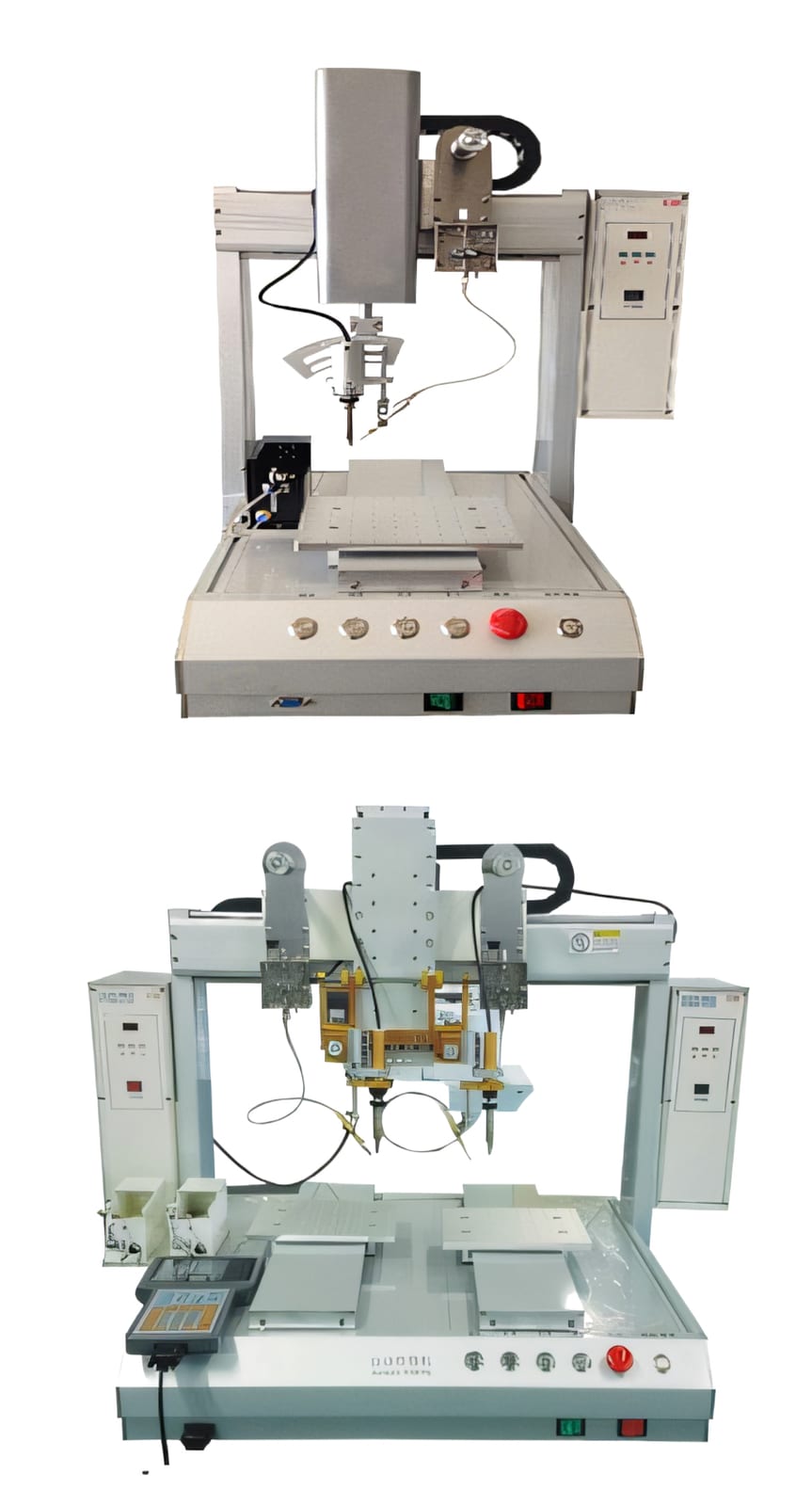
Explore PME equipment that can support the operations discussed in this guide. Final machine selection should be confirmed against your component, materials and target output.
Plan the next step
Discuss your component and production target with PME.
Share a drawing, sample, current process and expected output. We can help map the right machines and level of integration.