
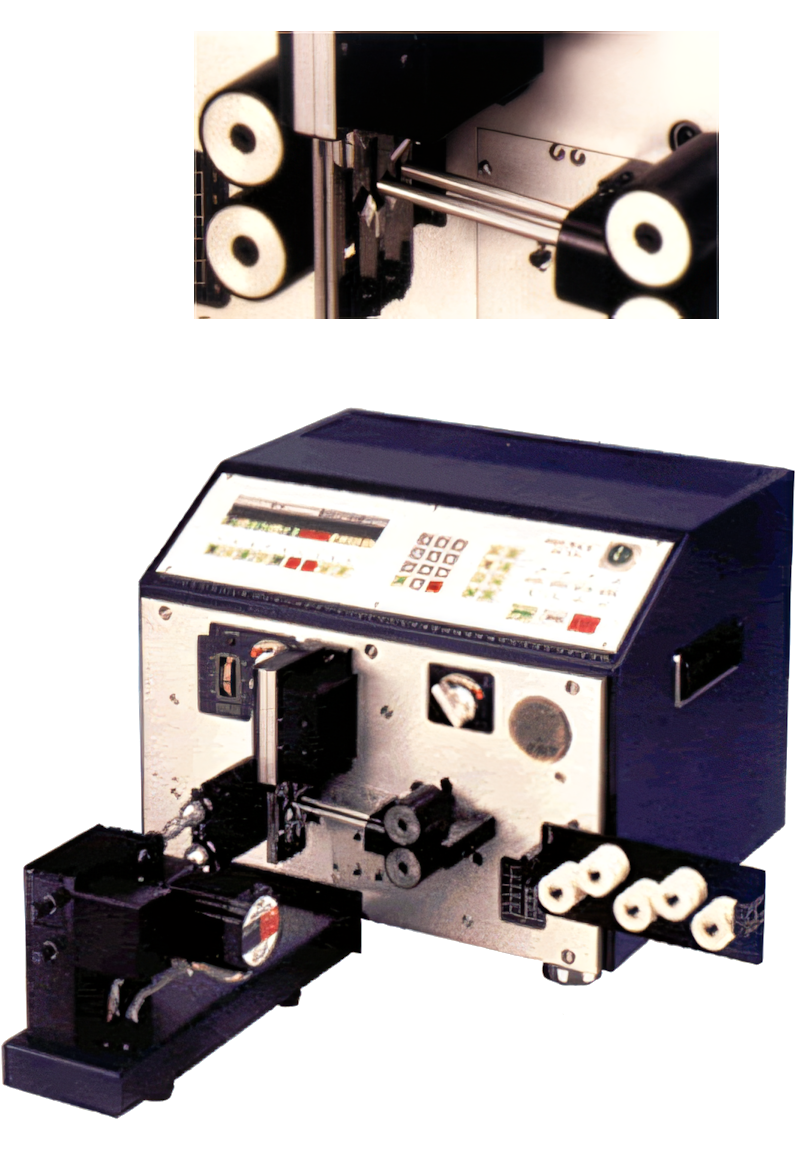
Define the wire and finished lead
An automatic wire cutting and stripping machine should be specified with the actual conductor, insulation, cross-section, finished length, strip length and allowable damage. Transformer lead wire, PVC-insulated cable and enamelled magnet wire require different tooling and process methods.
Provide minimum and maximum variants, including material from approved suppliers. Insulation hardness, conductor construction and reel condition can change feeding and strip quality even when nominal size is identical.
Match the stripping method to the material
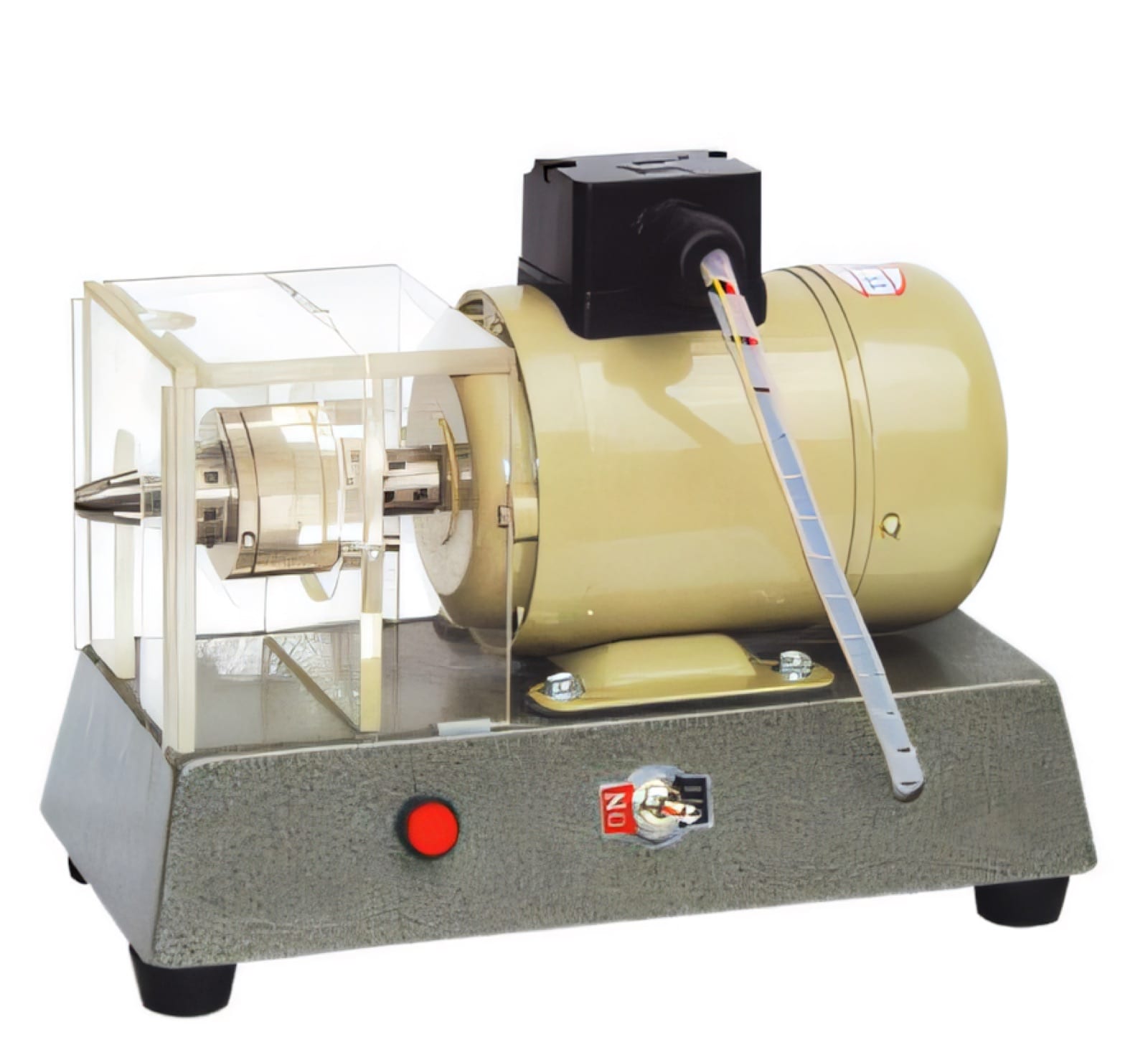
Blade stripping is common for many insulated wires, while enamel wire may need polishing, abrasion, heat or another application-specific method. The goal is complete insulation removal without nicking strands, reducing conductor diameter or leaving residue that affects soldering.
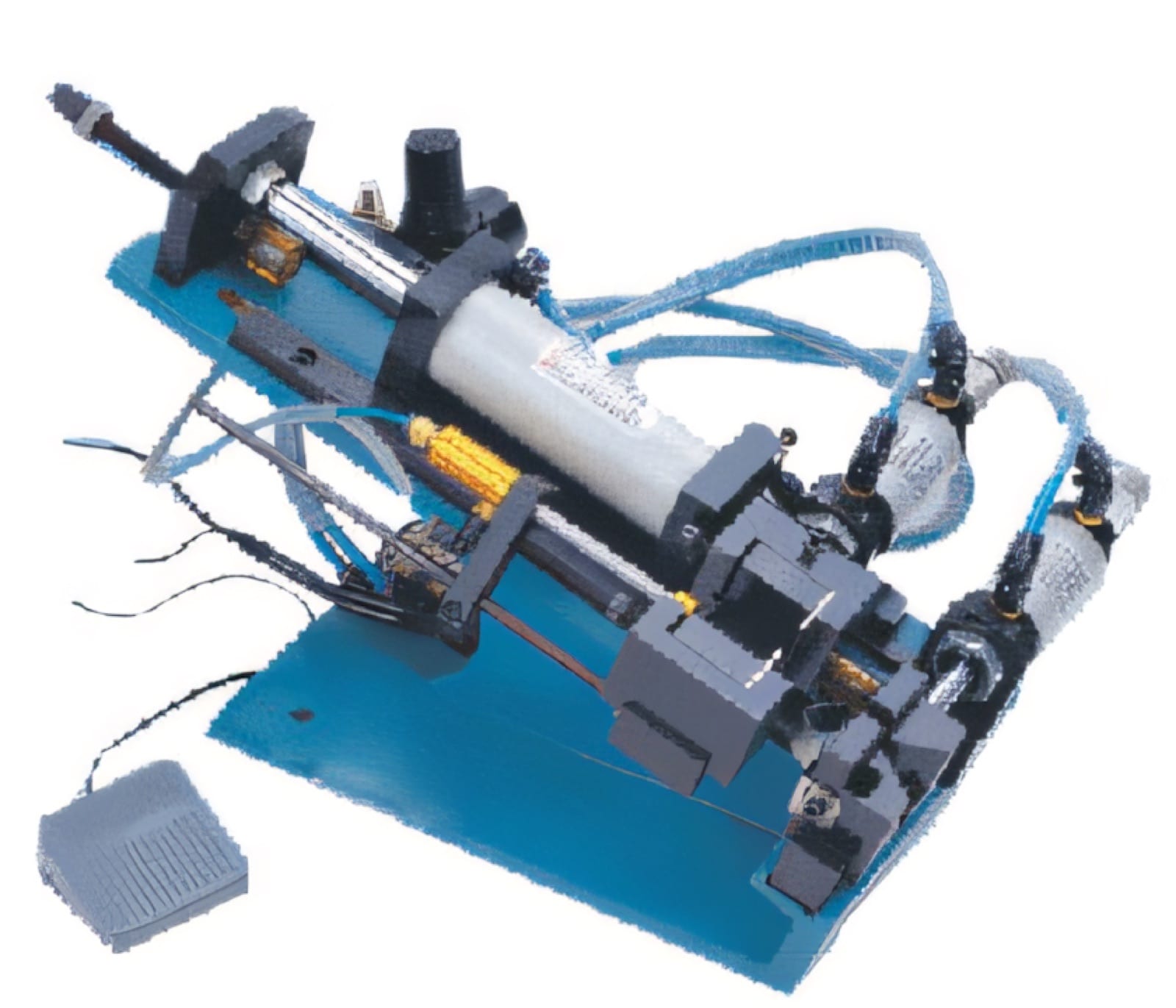
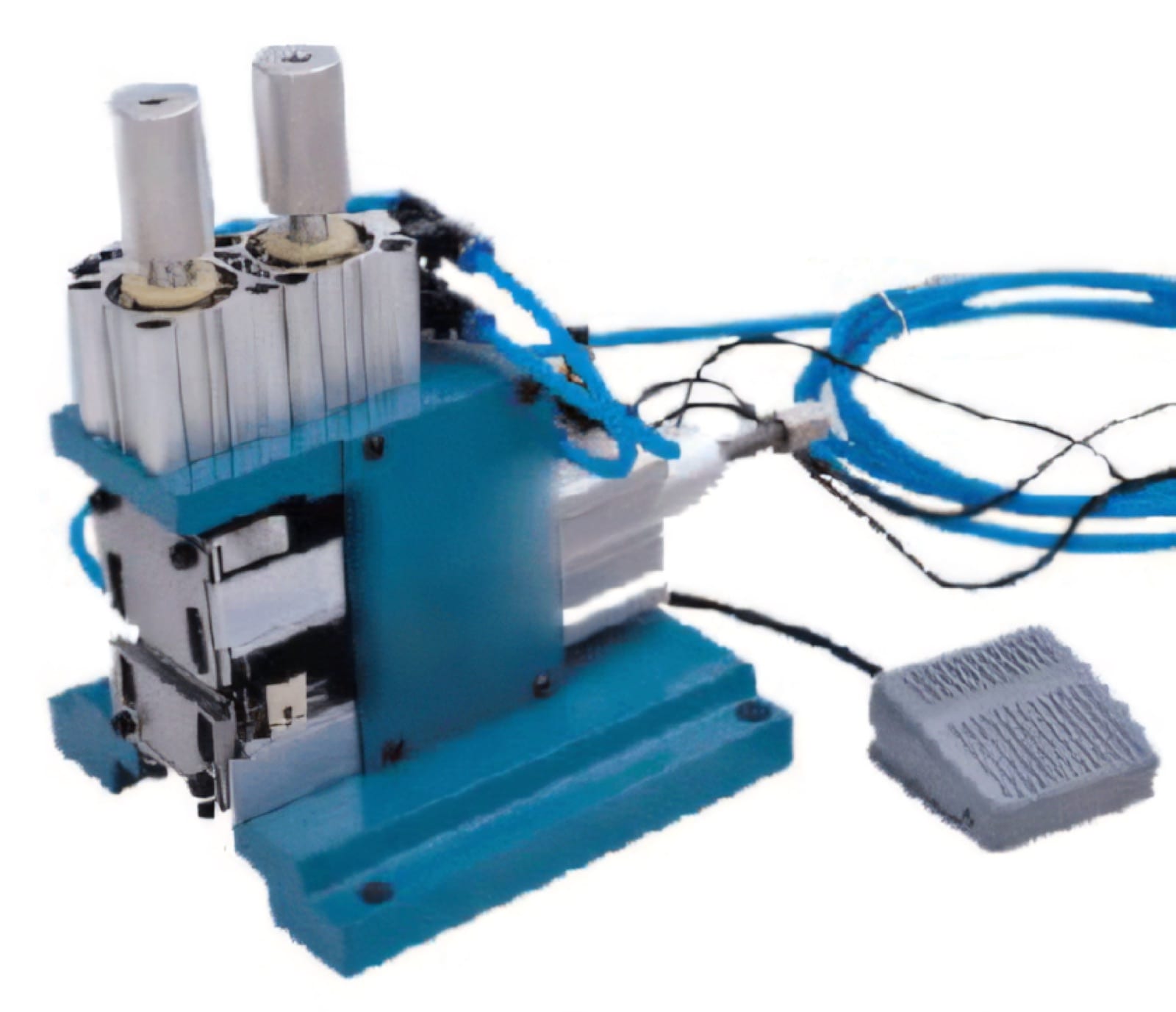
A compact wire stripper may suit prepared batches and varied work. Integrated cut, strip and twist equipment reduces handling when repeat lengths and terminations are stable.
- Conductor and insulation material
- Cut-length and strip-length tolerance
- Allowed strand or surface damage
- Twisting, marking or downstream termination needs
Control feeding and length accuracy
Straightening, drive pressure and encoder contact influence cut length. Too much pressure can mark soft insulation; too little can allow slip. Reels should unwind smoothly and include end-of-material or jam detection where production risk justifies it.
Validate the first piece after a reel change and sample output through the run. Inspection should include dimensional checks and a termination or solderability check relevant to the next process.
Plan the machine as part of the production route
Wire preparation can feed winding, assembly or harness operations as scheduled batches or as an in-line process. Compare buffer size, changeover, labelling and the risk of mixing similar wires before selecting the layout.
PME supplies wire polishing, stripping and automatic cut-strip-twist machinery for electronics manufacturing. Trials with production reels can establish the correct process and acceptance criteria.
Relevant machinery for this process
Explore PME equipment that can support the operations discussed in this guide. Final machine selection should be confirmed against your component, materials and target output.
Plan the next step
Discuss your component and production target with PME.
Share a drawing, sample, current process and expected output. We can help map the right machines and level of integration.