
Rank spares by consequence and lead time
A critical spare is not simply an expensive part. It is a component whose failure can stop production, create quality risk or require a long wait for replacement. Rank each item by failure consequence, supplier lead time, repairability and whether another machine can cover the process.
Begin with the as-built bill of materials and identify machine-specific items. A low-cost sensor with a unique connector may deserve local stock more than a costly standard motor available nearby. Review assumptions with maintenance and the equipment supplier.
- Production and quality consequence
- Expected failure or wear mechanism
- Replacement and supplier lead time
- Alternative part, repair or backup capacity
Separate consumables, wear parts and insurance spares
Consumables such as cutters, probes, tips or guides are used predictably and need reorder levels tied to production. Wear parts may last longer but should be replaced by condition or interval. Insurance spares are held for rare failures with severe downtime impact.
Use different stocking rules for each group. Treating everything as an insurance spare creates excess inventory, while treating a long-lead controller like a routine consumable may leave the factory unprotected when obsolescence appears.
Store parts so they remain usable
Record part number, machine location, compatible models, storage condition and last inspection. Protect electronics, seals and precision tooling from moisture, contamination and physical damage. Rotate shelf-life-limited items and test repairable spares when appropriate.
Keep current software backups, parameters and replacement instructions with the parts plan. A controller on the shelf does not shorten downtime if no one can restore the approved machine program or network settings.
Update the plan from real failure history
Track parts used, downtime avoided, repair result and replenishment lead time. Increase stock where recurring failure or growing demand changes the risk; reduce obsolete or duplicate inventory when the installed base changes. Review after major breakdowns and at least as part of the regular maintenance cycle.
PME supports spare-parts coordination for supplied machinery. Agree the initial recommendation during handover, then maintain a machine-specific list that reflects actual production criticality rather than a generic kit that never evolves.
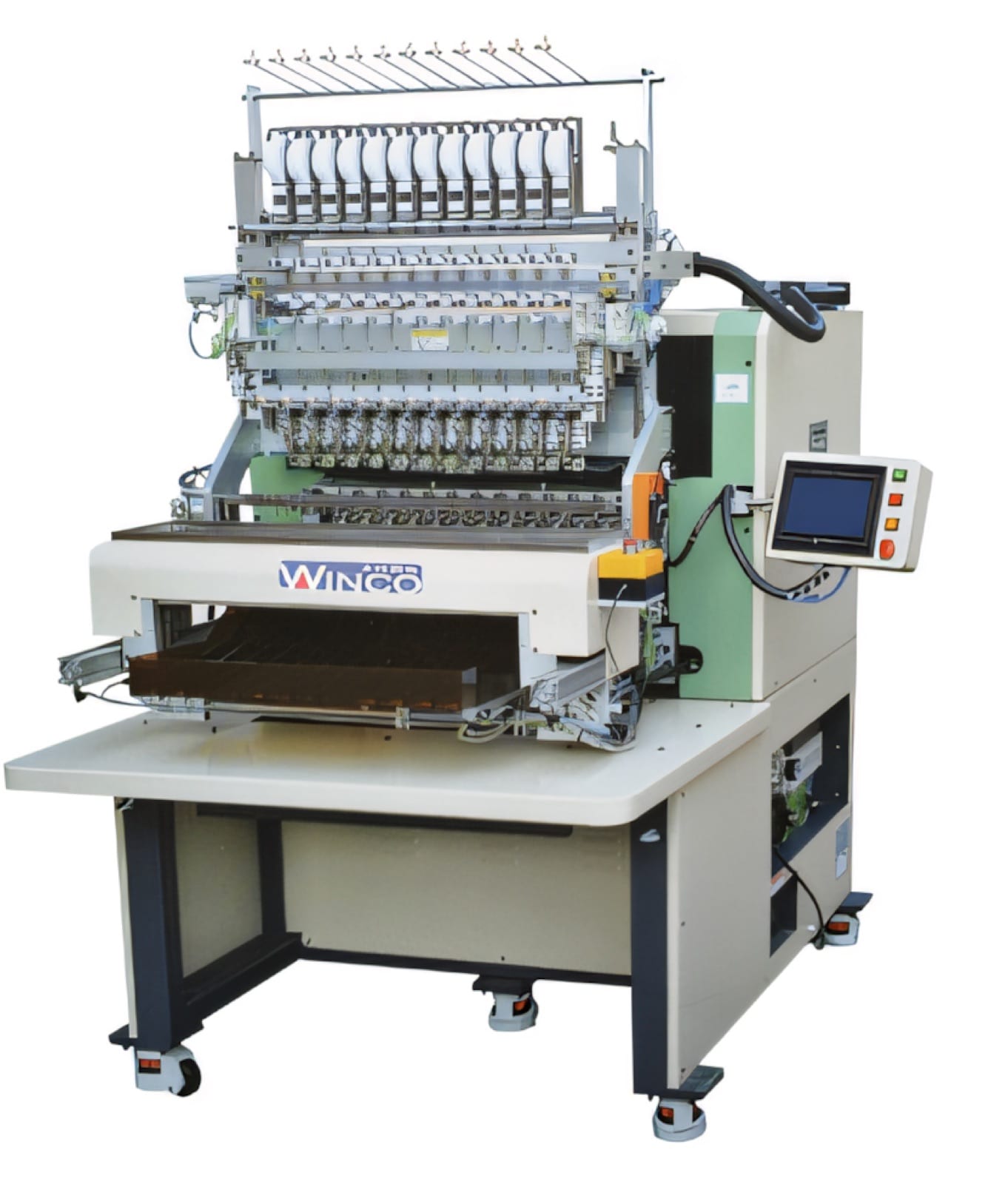
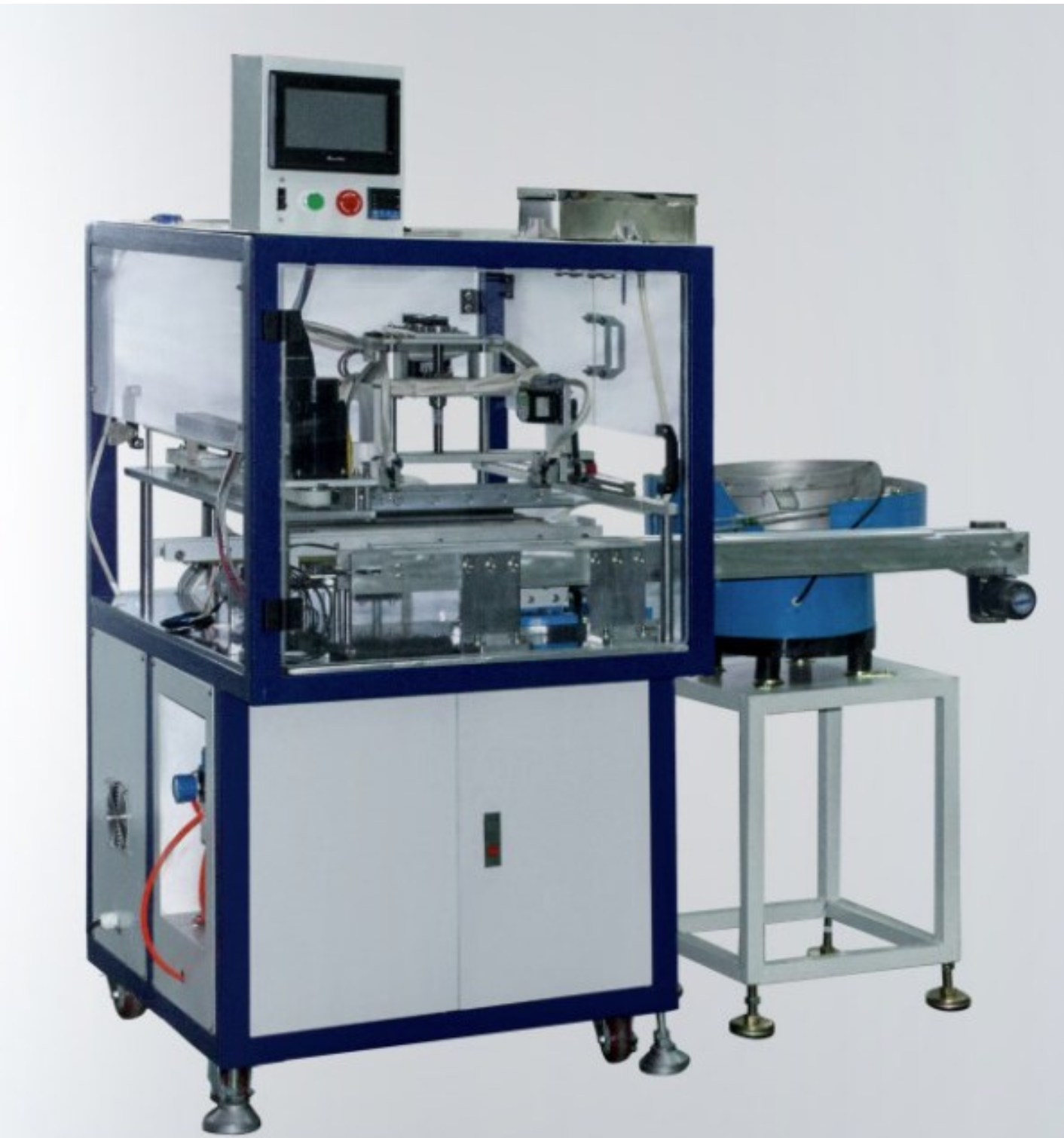
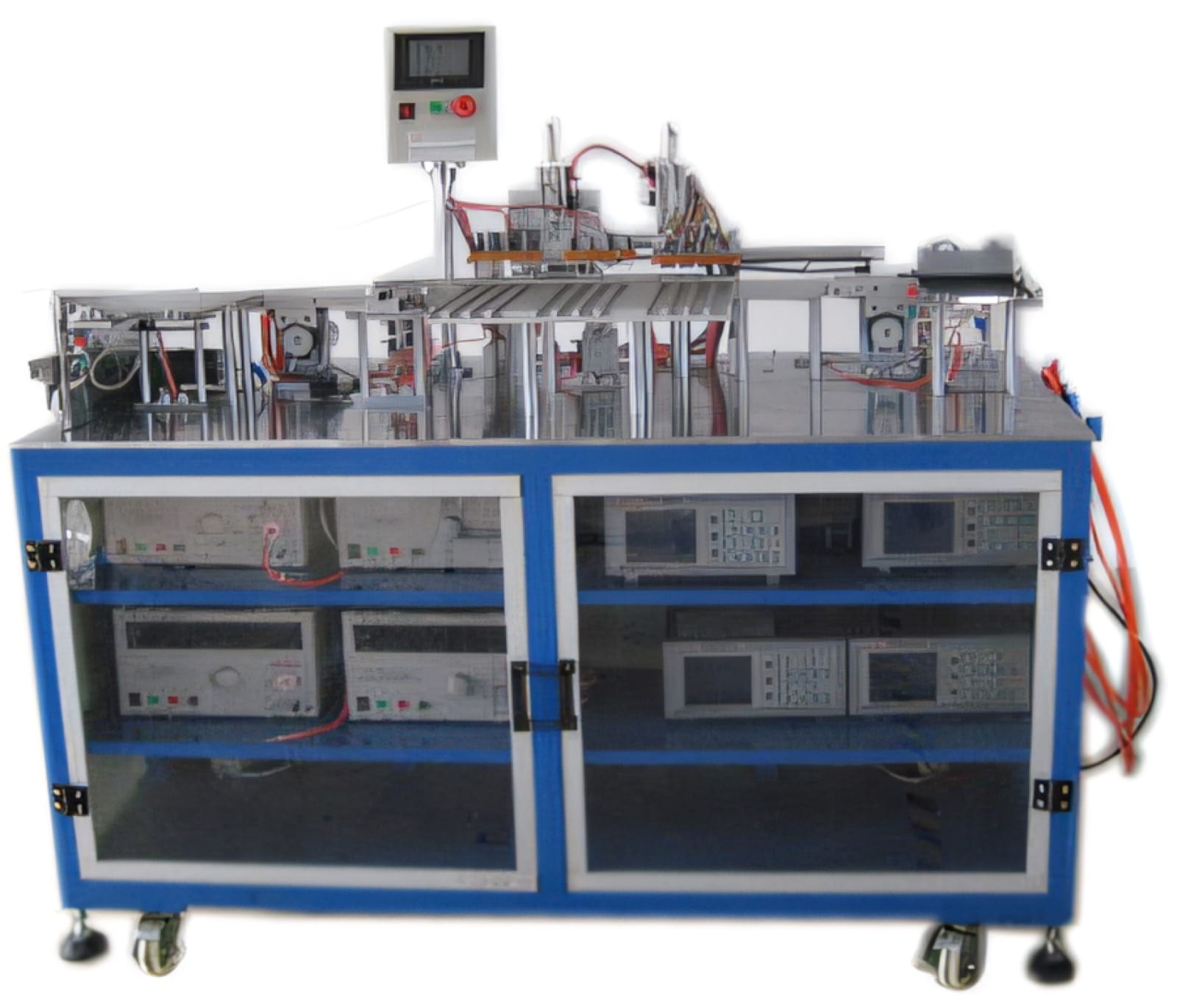
Relevant machinery for this process
Explore PME equipment that can support the operations discussed in this guide. Final machine selection should be confirmed against your component, materials and target output.
Plan the next step
Discuss your component and production target with PME.
Share a drawing, sample, current process and expected output. We can help map the right machines and level of integration.