
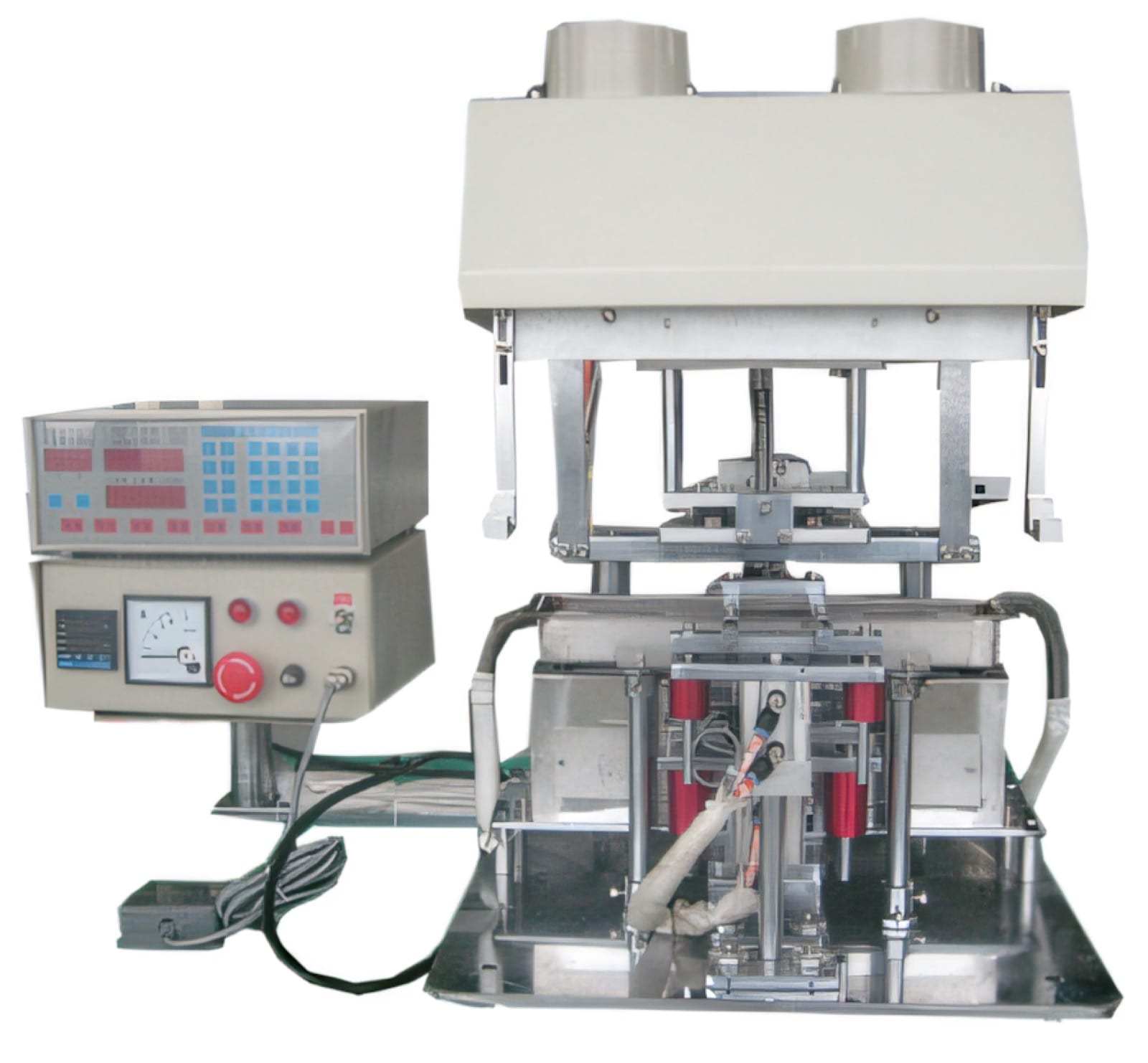
Diagnose the defect as a process result
Dip-soldering defects rarely come from one setting in isolation. Terminal condition, flux activity, solder temperature, immersion depth, dwell time, withdrawal speed, component angle and bath contamination all interact. Changing several parameters at once may hide the true cause and create a new problem later.
Begin by defining what changed. Compare the affected parts with an approved sample, note the machine recipe and material lots, and confirm whether the issue occurs on every fixture position. A defect tied to one position often points toward tooling or alignment; a defect across all parts suggests a common material or process condition.
- Photograph the joint before rework
- Record solder and flux batch information
- Check actual bath temperature independently
- Separate part-specific from machine-wide symptoms
Control bridging and solder icicles
Bridging occurs when solder connects conductors that should remain separate. Excess immersion, tight terminal spacing, slow drainage, unsuitable withdrawal angle or contaminated solder can contribute. Check that fixtures hold the part at the intended angle and that leads enter and leave the bath without touching a solder wave or accumulated residue.
Icicles are pointed projections that remain as the part exits. They are often associated with poor drainage, an unsuitable temperature-speed combination or insufficient surface preparation. Review withdrawal speed and orientation in small controlled steps, then verify that flux coverage is even and that the solder alloy remains within the approved composition range.
Investigate non-wetting and cold-looking joints
Non-wetting appears when molten solder does not form a reliable bond with the terminal. Oxidized leads, insufficient or degraded flux, contamination and inadequate heat transfer are common contributors. Confirm solderability of incoming components before compensating with a hotter bath or longer dwell, because aggressive settings can damage insulation and fixtures.
A dull or irregular joint is not automatically defective, particularly with some lead-free alloys, but it deserves comparison with the approved workmanship standard. If the joint is genuinely cold or incomplete, check whether the terminal reached process temperature and whether the solder pot reading matches the actual molten alloy temperature.
Build a repeatable defect-prevention routine
Lock an approved recipe after trials and control the variables around it. Standardize lead preparation, flux level, immersion depth, dwell, withdrawal and cleaning. Inspect fixtures for buildup that changes part height, and confirm the bath level because the same programmed motion can produce a different immersion depth as solder is consumed.
Use first-piece approval after changeover, scheduled checks during the run and periodic solder analysis where the process risk warrants it. Automatic flux-and-dip machines improve motion repeatability, but incoming material, bath condition and maintenance still determine whether that repeatability produces good joints.
Relevant machinery for this process
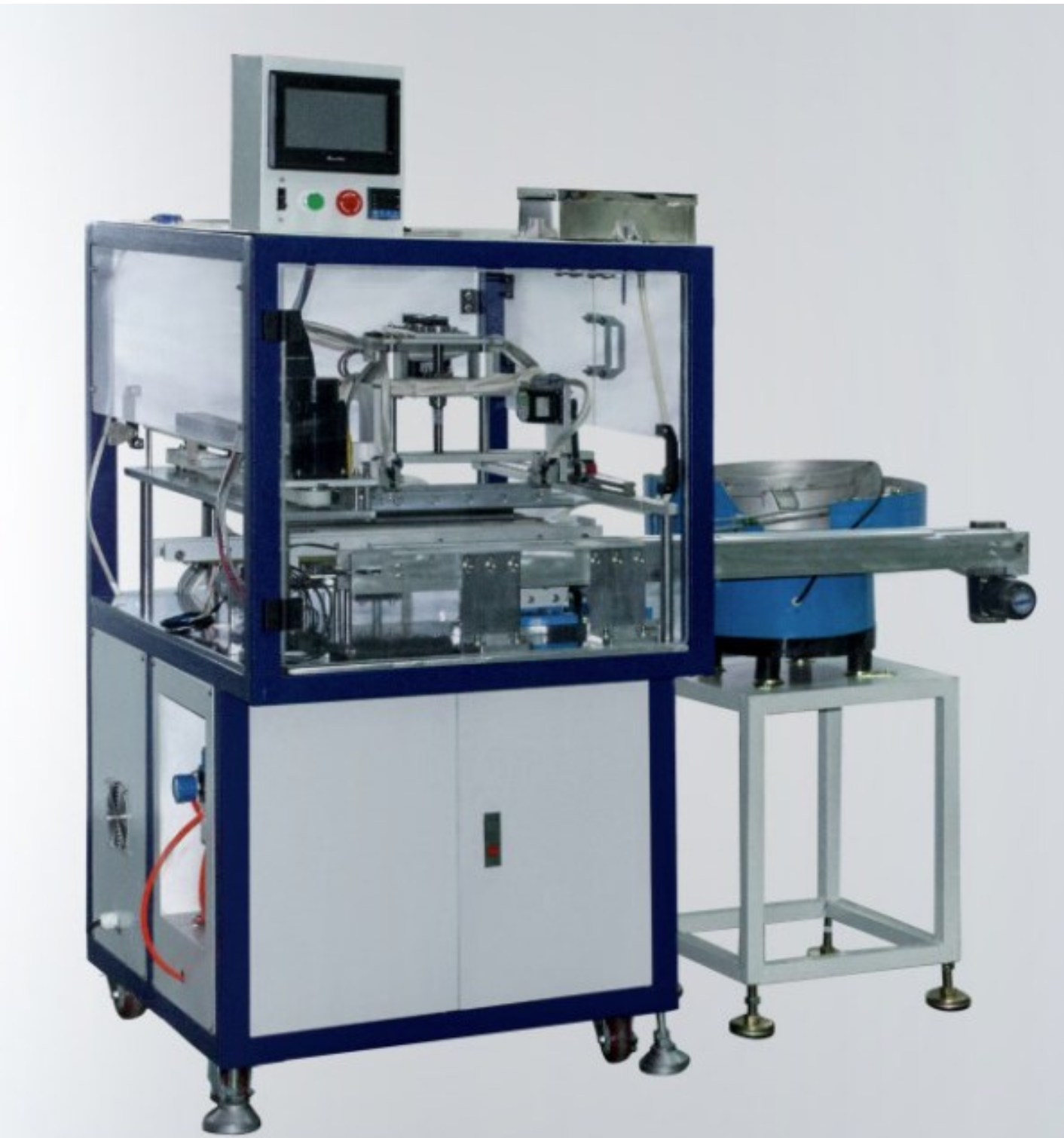
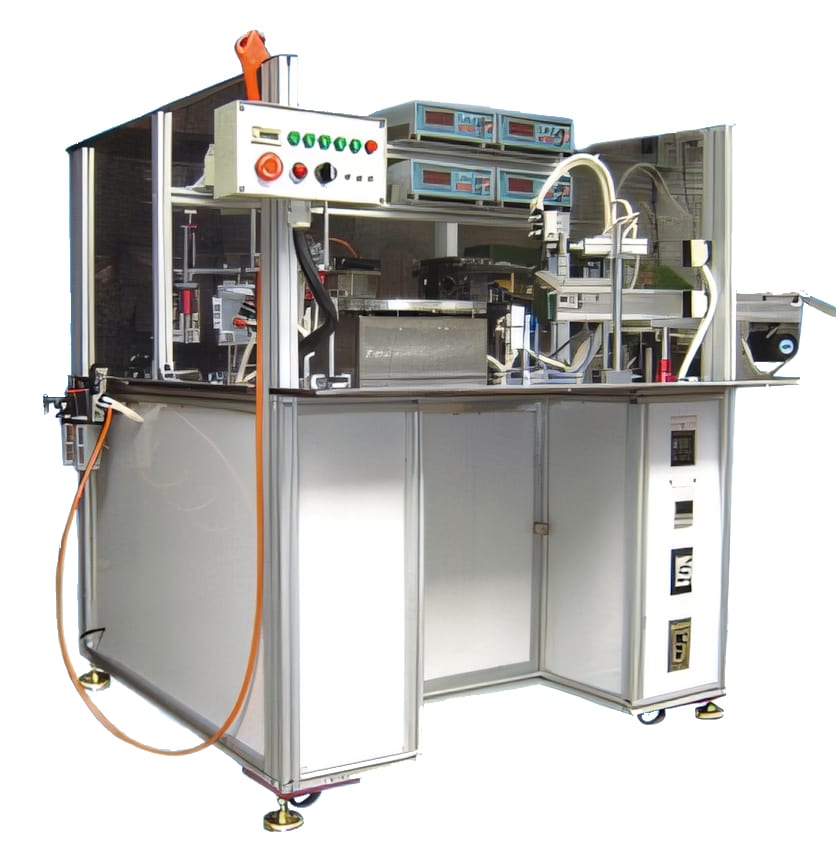
Explore PME equipment that can support the operations discussed in this guide. Final machine selection should be confirmed against your component, materials and target output.
Plan the next step
Discuss your component and production target with PME.
Share a drawing, sample, current process and expected output. We can help map the right machines and level of integration.