
Begin with the approved test plan
An automatic coil testing machine is only as useful as its limits and methods. Define which characteristics protect product function: continuity, winding resistance, inductance, polarity, insulation or other component-specific tests. State the test conditions and source of every limit.
Separate laboratory qualification from production screening. The production test must be fast and repeatable enough for the line while still detecting the failure modes that matter.
Design stable contact and part handling
Contact variation can look like product variation. Fixtures should locate the coil positively, reach terminals without damage and apply controlled probe travel. Include probe cleaning, wear limits and a verification routine using approved reference parts.
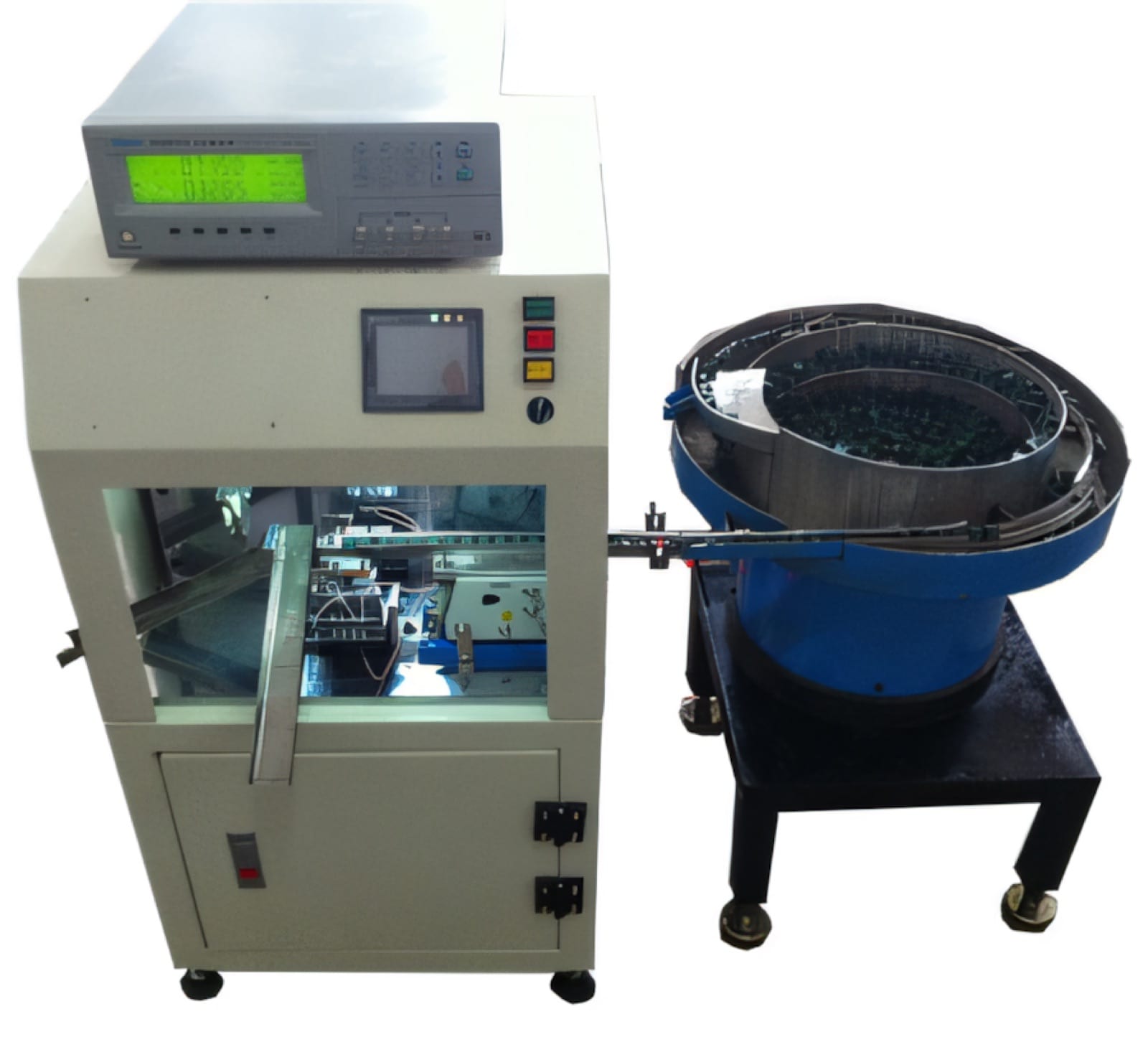
An inductor testing machine may use bowl feeding for repeat components; transformer and relay testing may require different nests and orientation checks. Feeding choice should never compromise terminal access or part protection.
- Part-present and orientation checks
- Contact-force and probe-life plan
- Golden-sample verification
- Secure pass and reject paths
Control recipes, retest and traceability
The product recipe should select the correct measurement sequence and limits. Access control reduces accidental changes, while fixture or barcode identification can prevent the wrong program from being used.
Define whether a failed component may be retested, who can authorize it and how results are stored. Automatic reject handling should prevent a failed or untested part from mixing with accepted output.
Validate measurement and production behaviour
Compare the automated system with the approved reference across good, marginal and known-failed samples. Study repeatability, fixture-to-fixture variation, temperature influence and contact contamination. Then run at target cycle with normal feeding and reject events.
PME offers automatic inductor, relay, transformer and combined testing systems. The suitable model depends on the component, parameters, handling method, line rate and traceability requirement.
Relevant machinery for this process
Explore PME equipment that can support the operations discussed in this guide. Final machine selection should be confirmed against your component, materials and target output.
 PME AUTOMATION
Fully Auto Inductor Testing Machine with Bowl Feeder
View machine ↗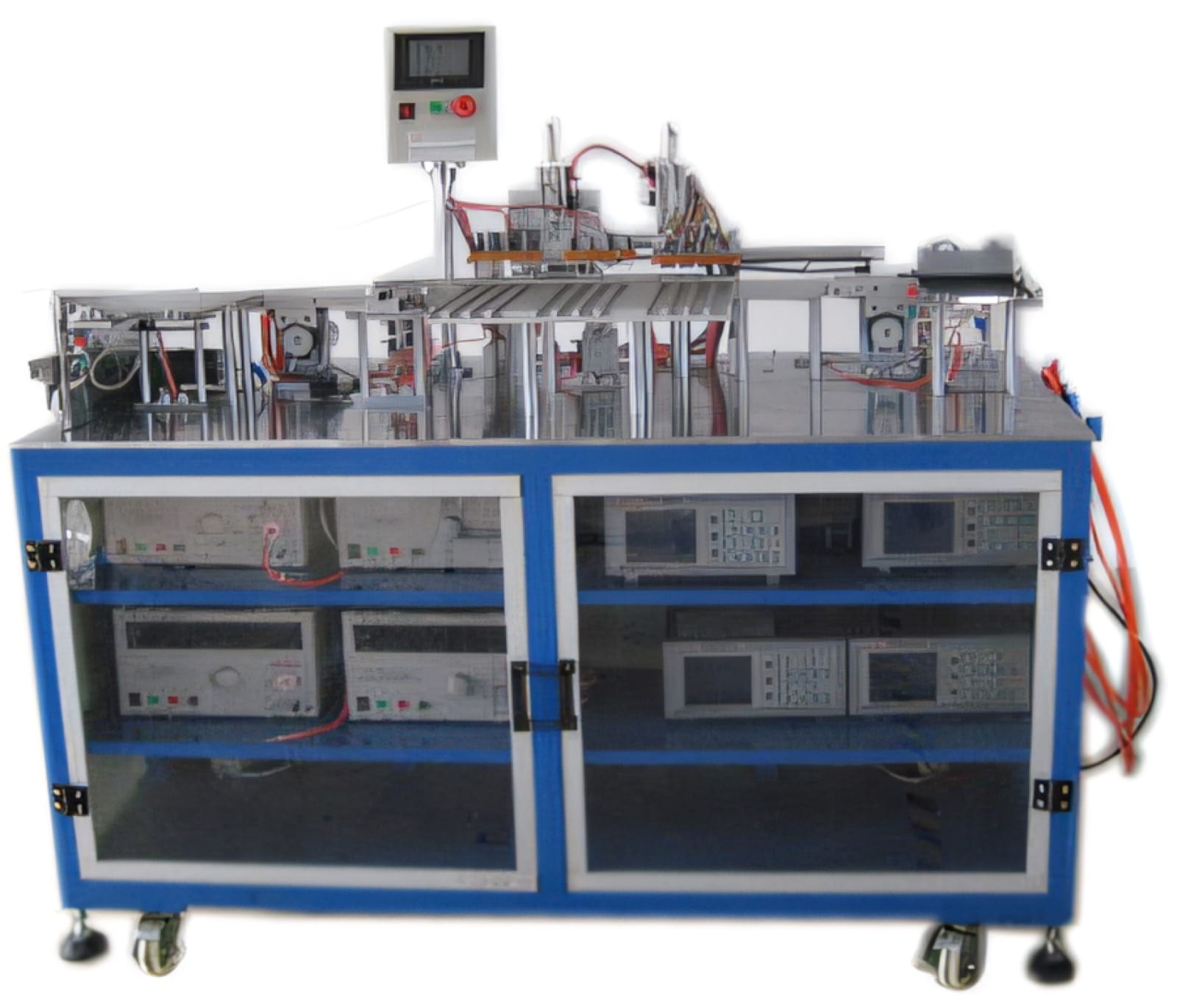 PME AUTOMATION
Fully Auto Relay Testing Machine
View machine ↗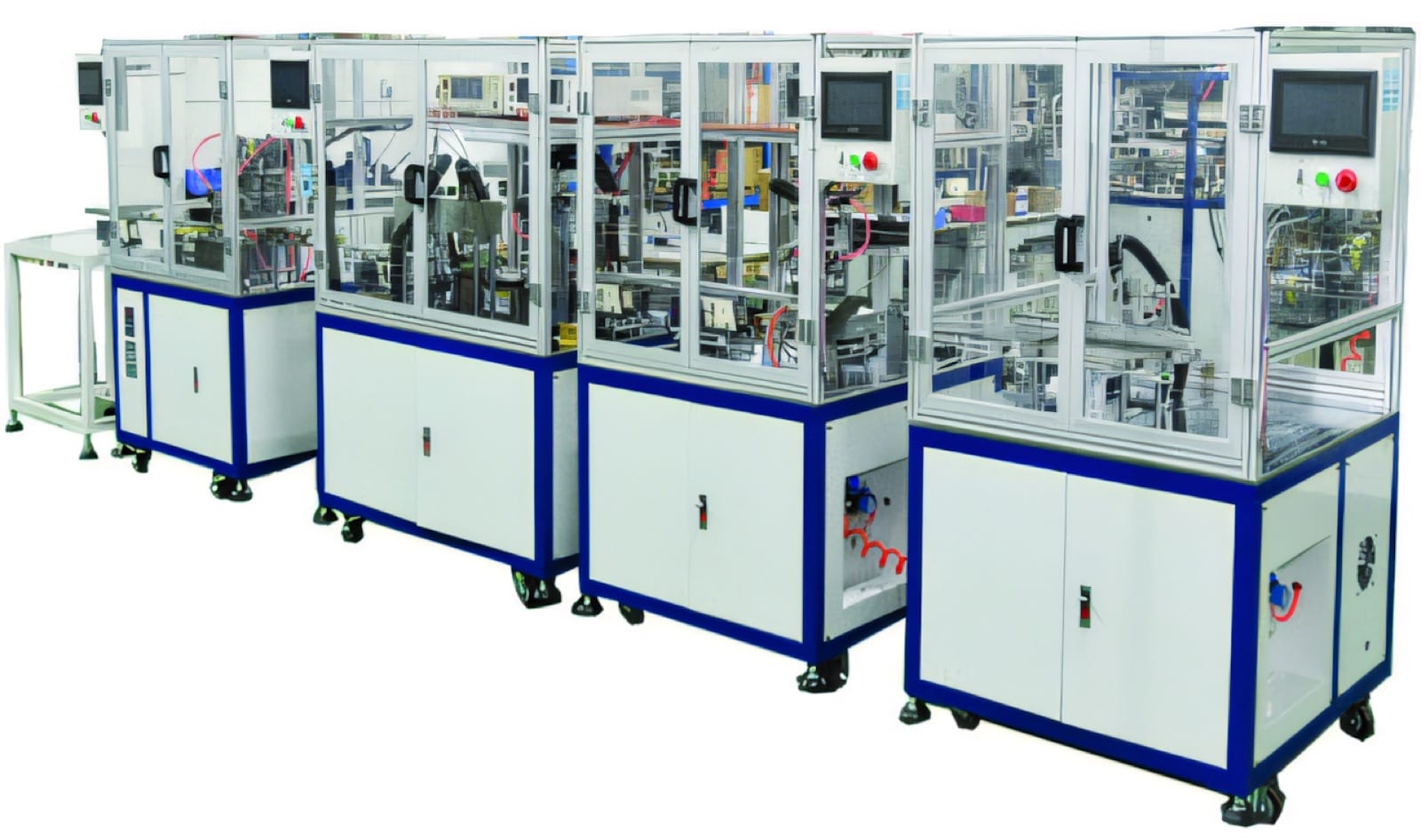 PME AUTOMATION
Fully Auto Transformer Core Taping & Testing Line
View machine ↗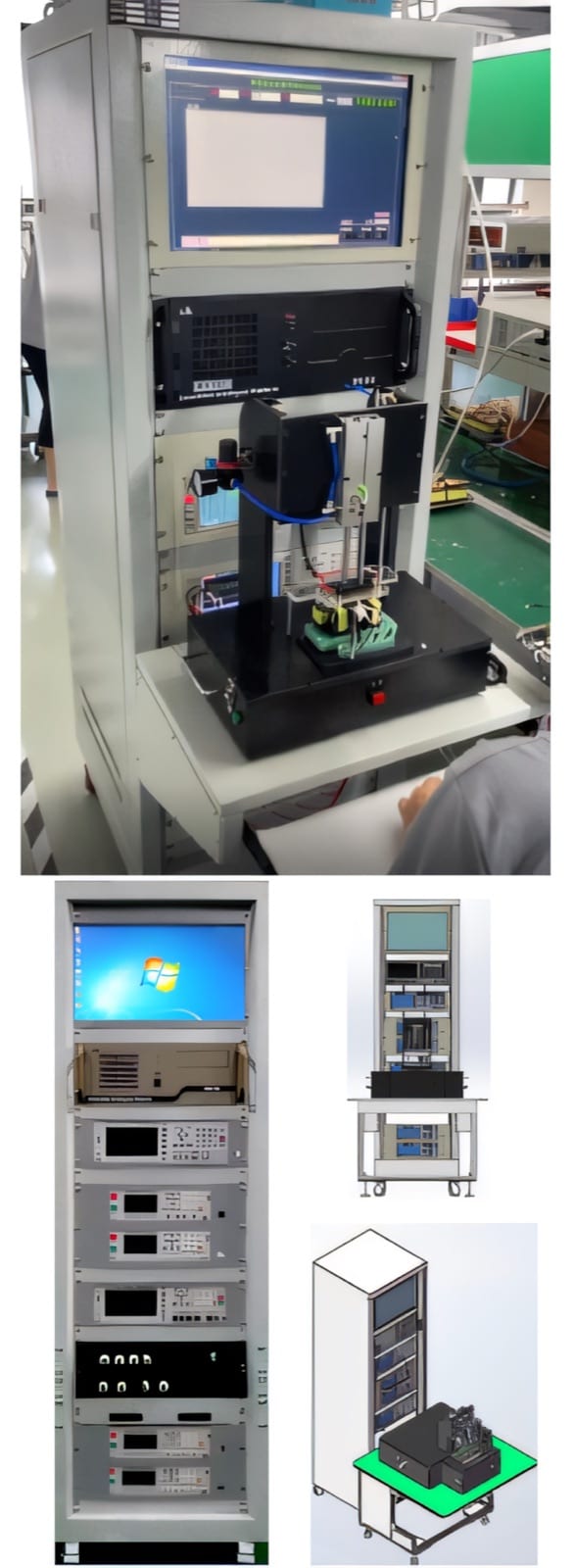 PME AUTOMATION
Combined Testing System — Inductance/CMN/Automobile Electronics
View machine ↗Plan the next step
Discuss your component and production target with PME.
Share a drawing, sample, current process and expected output. We can help map the right machines and level of integration.