
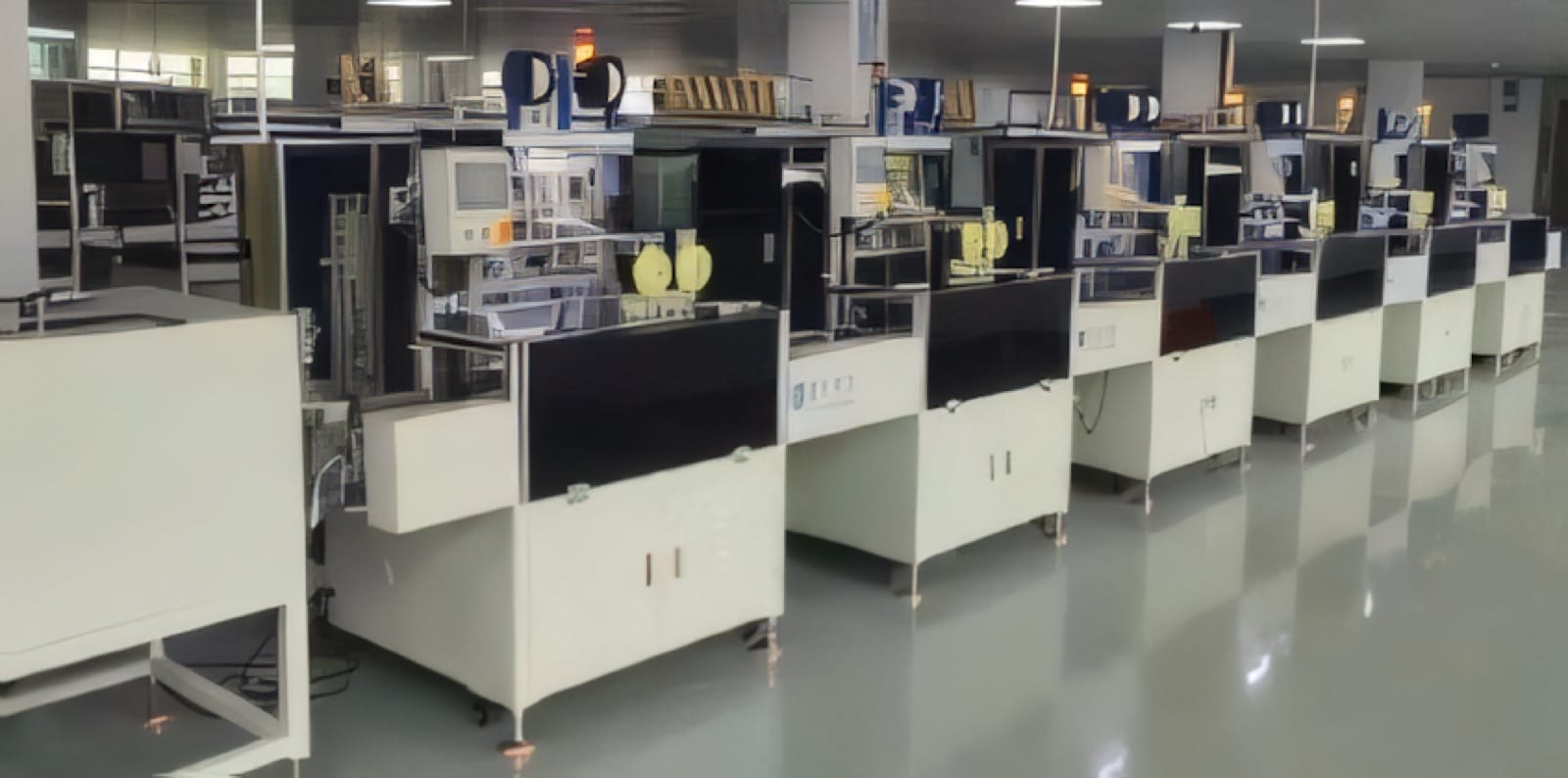
Confirm the site is ready before delivery
Commissioning starts before the truck arrives. Verify floor space, access route, foundation or levelling needs, electrical supply, air, extraction, network connection, environmental limits and safe maintenance clearance against the approved layout.
Assign owners for unloading, positioning, utilities, information technology, product material, safety review and production release. A machine can be mechanically complete yet remain idle because one connection, sample or approval was not scheduled.
Inspect installation before applying production load
Check for transport damage, loose connections and disturbed alignment. Confirm levelling, guards, interlocks, emergency functions and utility quality through the responsible site procedure before automatic operation. Match machine, tooling and documentation identifiers to the shipment record.
Restore the approved software and recipes, then verify sensors, motion and direction in a controlled sequence. Record any differences from the FAT configuration so later performance changes can be investigated rather than attributed vaguely to shipment.
- Machine position, level and service clearance
- Utility voltage, pressure, quality and capacity
- Guarding and interlock verification
- Program, recipe and backup identity
Repeat critical tests under site conditions
Site acceptance confirms that the installed machine integrates with the real factory. Run approved materials through normal loading, processing, rejection and unloading. Measure good output and quality after the machine reaches stable operating conditions.
Test interfaces with conveyors, upstream stations, plant data or utilities that were simulated at the supplier. Repeat critical alarms and recovery. If the site environment changes temperature, vibration, grounding or material presentation, include those influences in the investigation.
Train, hand over and plan the ramp-up
Operators should practice startup, replenishment, changeover, normal checks and safe recovery. Maintenance staff need access to diagnostics, service points, spares and backups. Demonstrated tasks are more useful than a classroom-only handover.
Close SAT actions with responsibility and dates, then release production through the factory’s quality process. Plan a controlled ramp-up with extra observation during early shifts. PME coordinates installation communication, training and service for supplied machinery according to the agreed project scope.
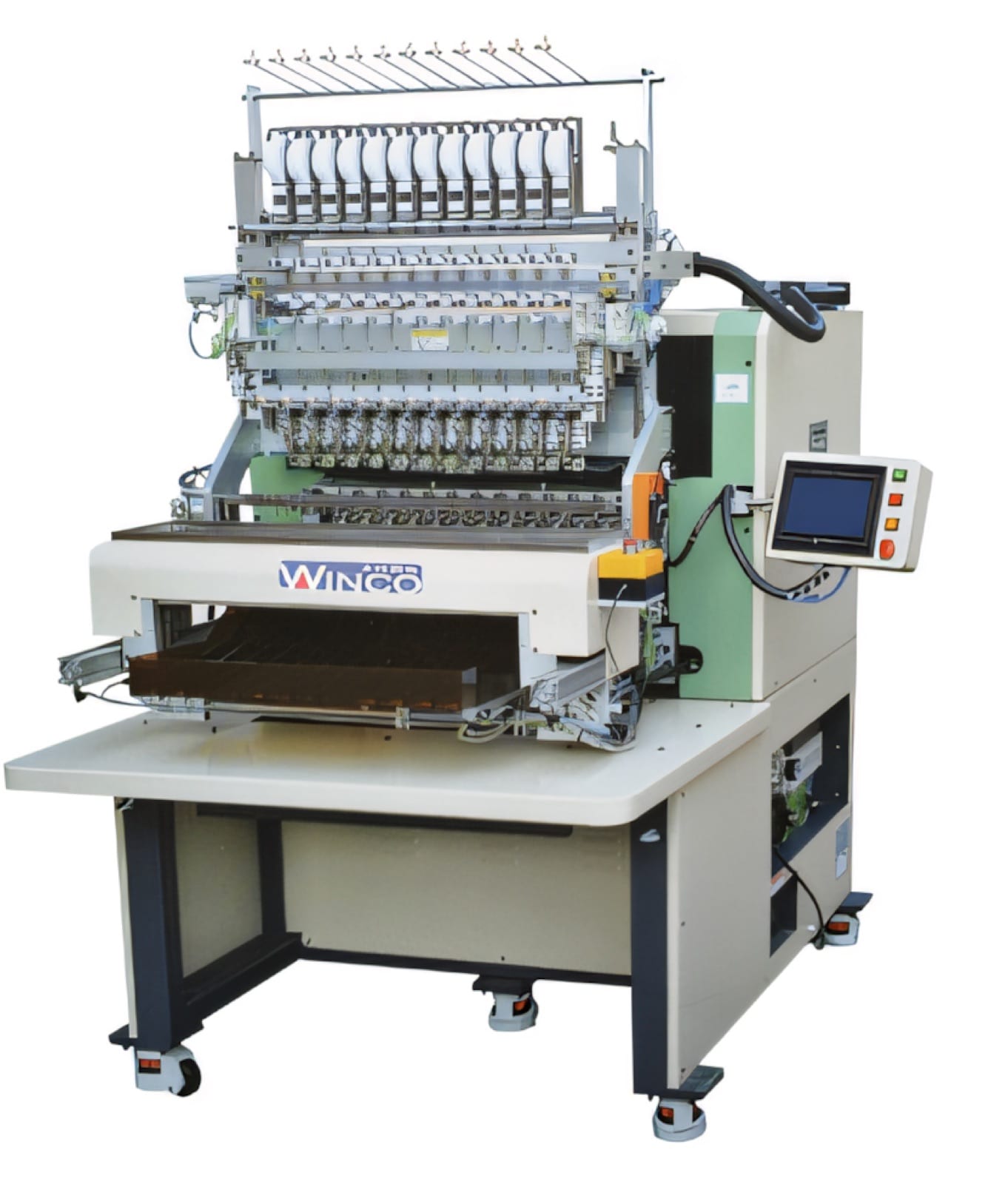
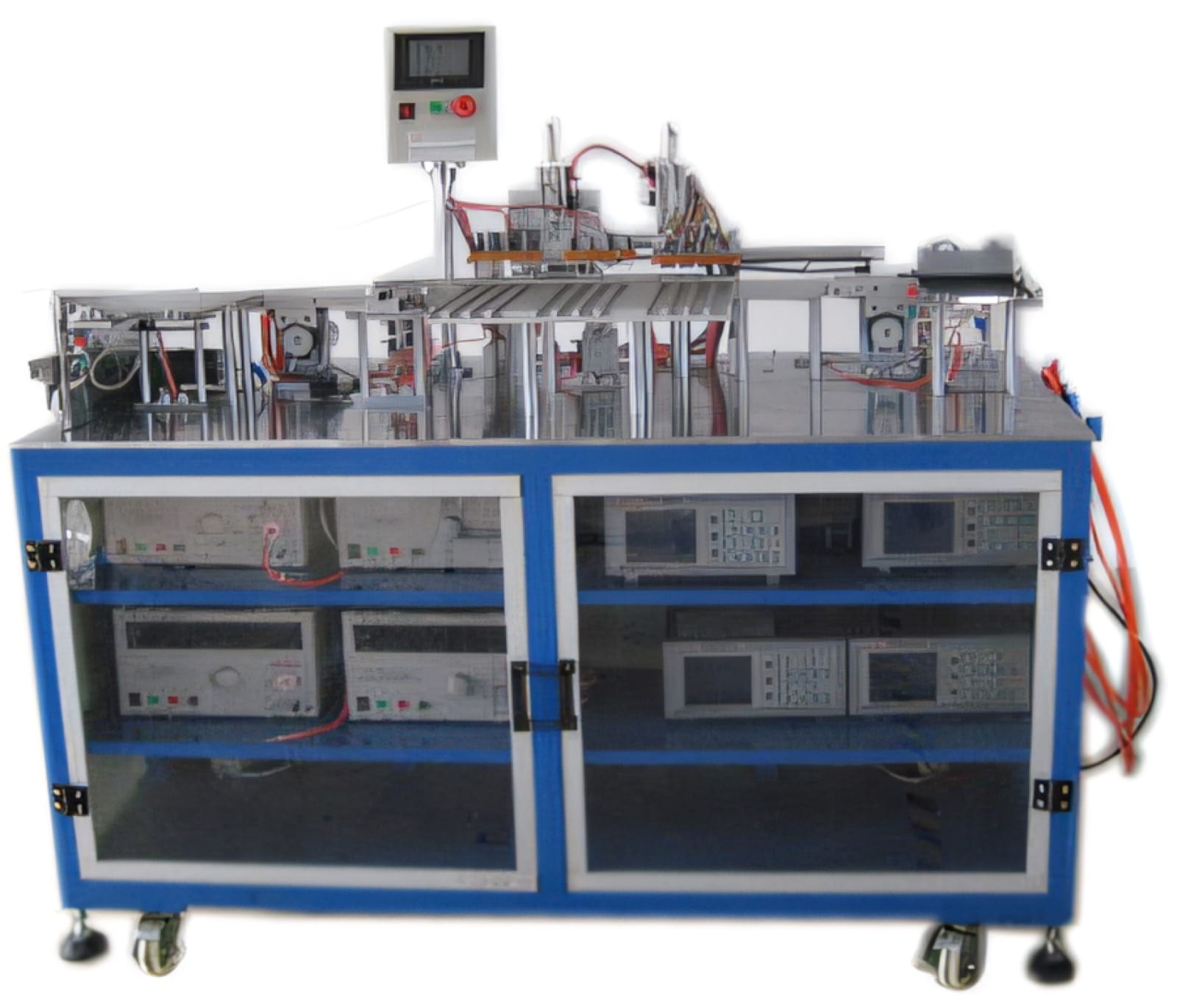
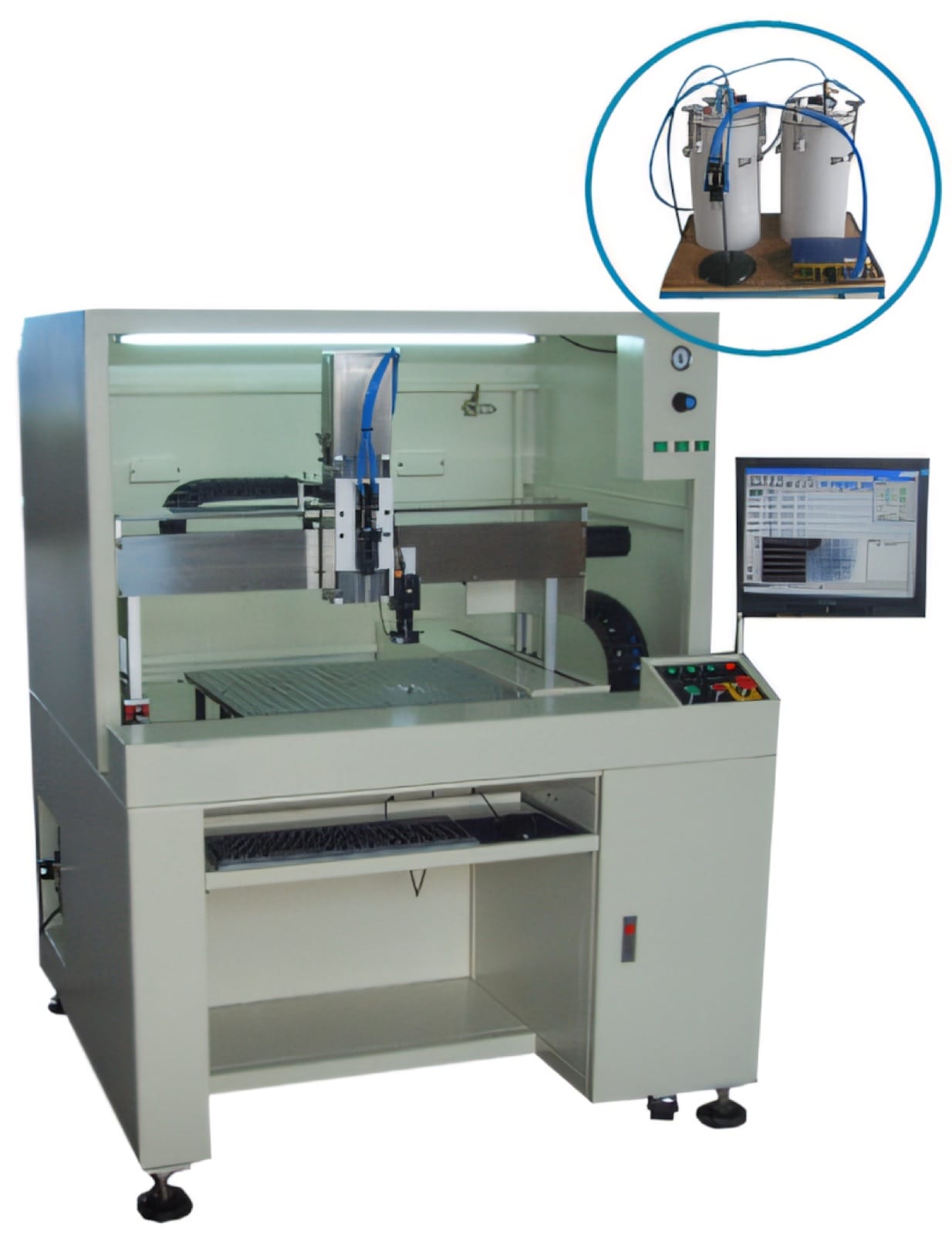
Relevant machinery for this process
Explore PME equipment that can support the operations discussed in this guide. Final machine selection should be confirmed against your component, materials and target output.
Plan the next step
Discuss your component and production target with PME.
Share a drawing, sample, current process and expected output. We can help map the right machines and level of integration.