
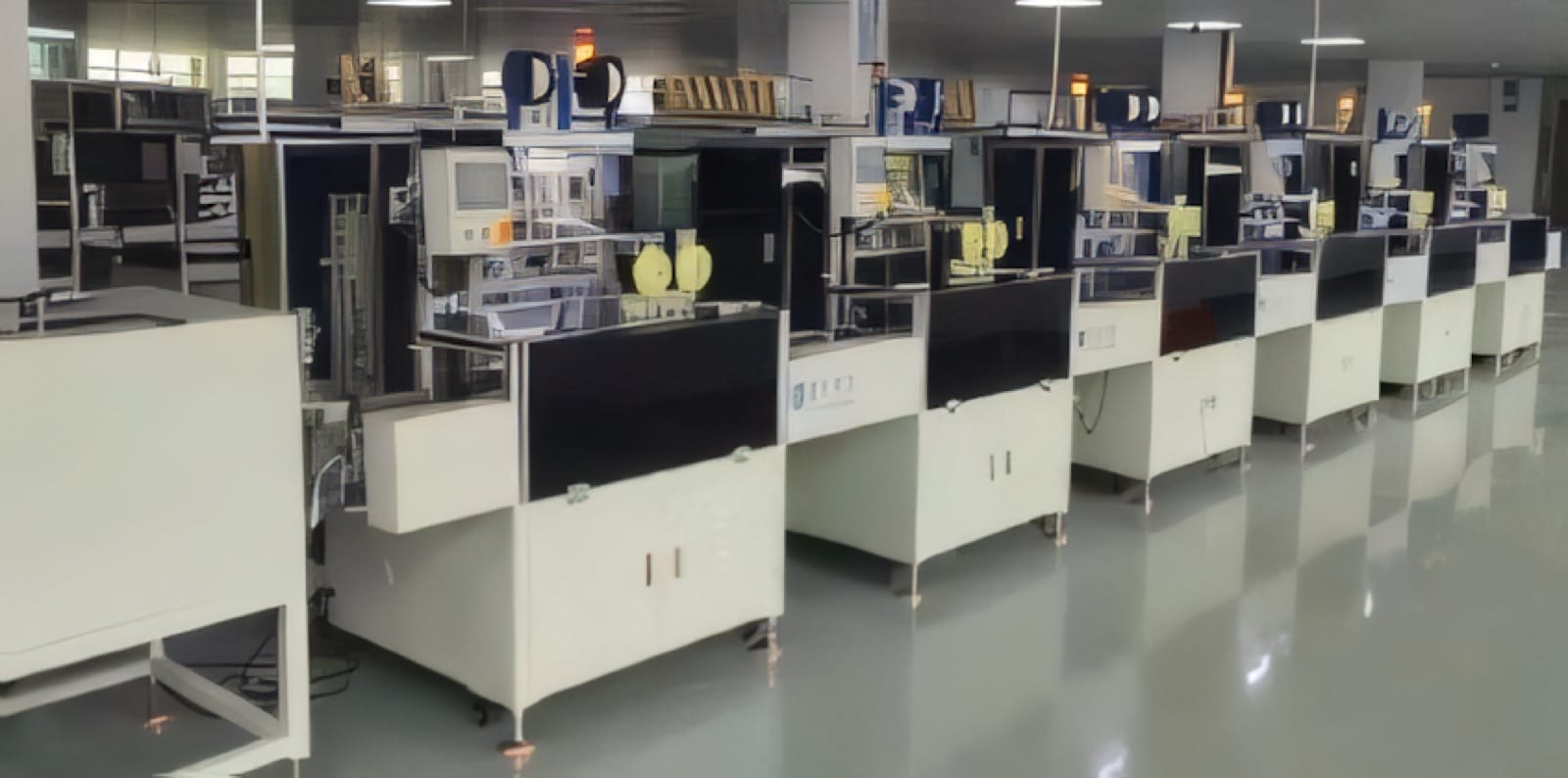
There is no universal operator number
A complete coil line can often combine work that was previously spread across several manual stations, but the final staffing level depends on how materials enter, how frequently variants change and which inspections remain manual.
Many lines are designed around one primary operator with periodic support from quality, maintenance or material-handling staff. That should be treated as a design target to validate—not a promise that applies to every product.
List the remaining human tasks
Automation changes the operator role from repetitive processing to line support. Estimate the time and frequency of every remaining task before deciding how many lines one person can supervise.
- Loading bobbins, cores, wire, tape, solder and consumables
- Removing finished trays and reject parts
- Changing tooling, recipes and material variants
- Responding to alarms and restarting safely
- Performing scheduled checks and cleaning
Use an operator workload study
Calculate the active minutes required per hour for replenishment, unloading, checks and normal recovery. Add walking time and allow for tasks that can occur at the same moment. A line with infrequent large-capacity feeders will require less attention than one using small trays that need constant replacement.
The study should also cover breaks and shift changes. If a line must run continuously, decide who covers the primary operator and who has authority to recover faults.
Design for safe, calm supervision
Reducing headcount is not useful if the remaining operator is overloaded. Locate consumables within easy reach, make alarms specific, provide clear reject access and avoid simultaneous replenishment points where possible.
The best staffing plan is confirmed during a full-rate production trial. Measure operator activity over a meaningful run and adjust feeder capacity, task timing or layout before finalizing the labour assumption.
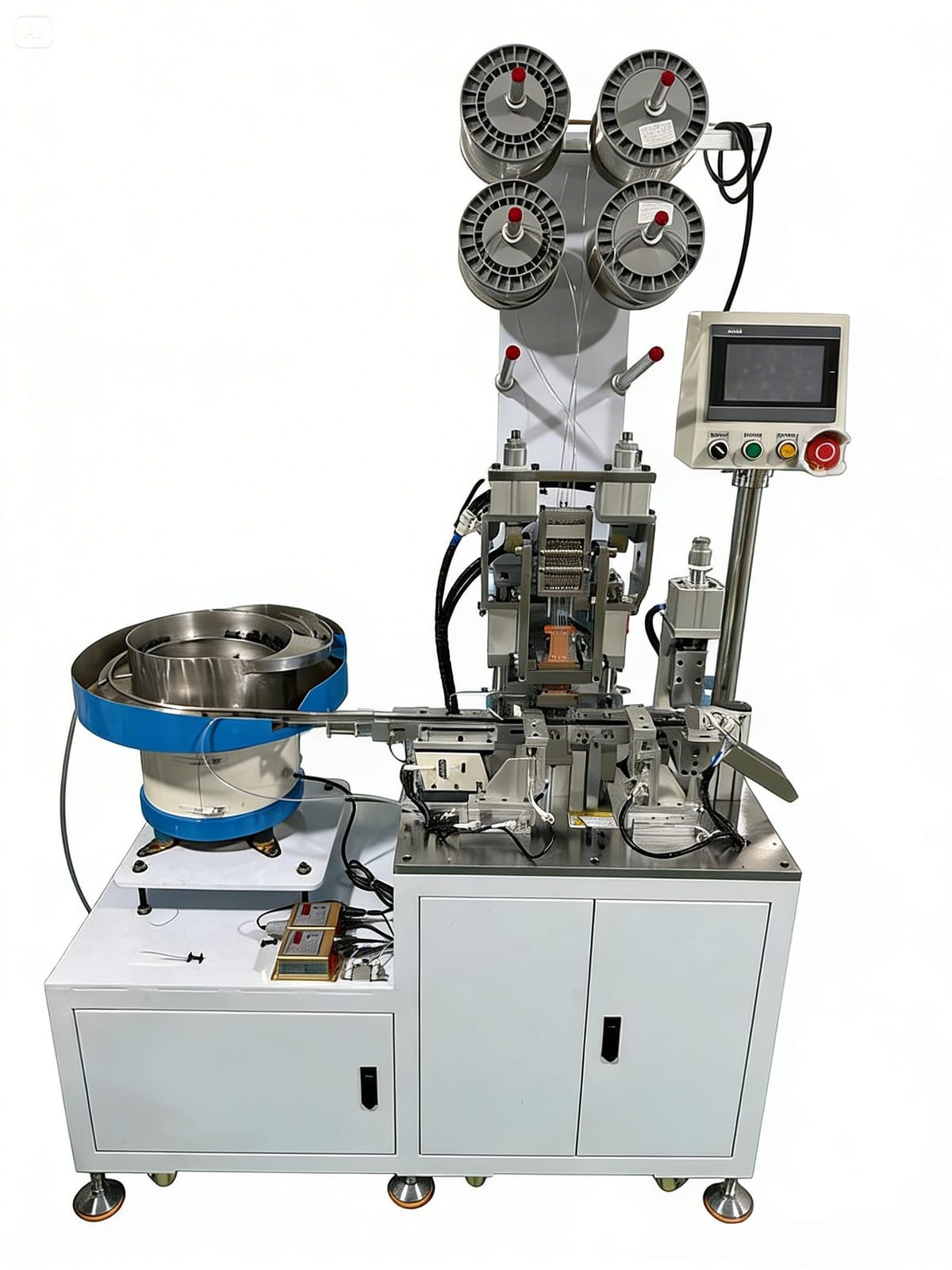
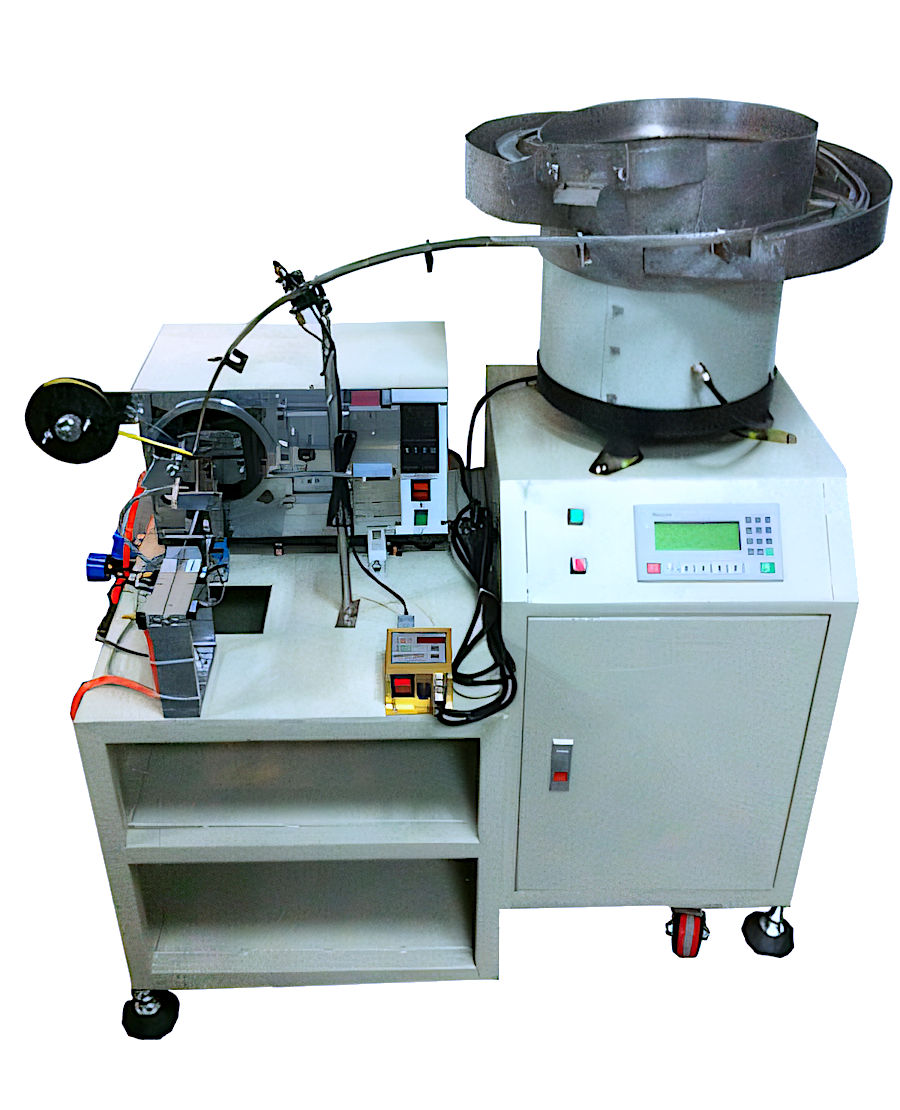
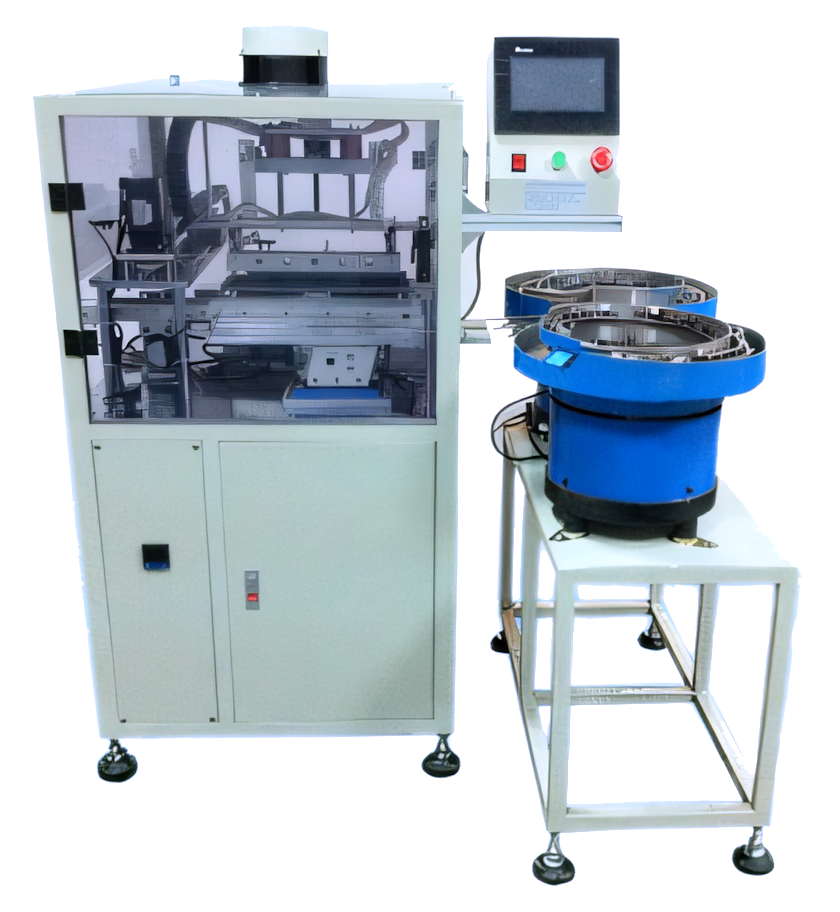
Relevant machinery for this process
Explore PME equipment that can support the operations discussed in this guide. Final machine selection should be confirmed against your component, materials and target output.
Plan the next step
Discuss your component and production target with PME.
Share a drawing, sample, current process and expected output. We can help map the right machines and level of integration.