
Define the solenoid family
A solenoid coil production line must accommodate the bobbin or former, wire range, turn count, winding dimensions, lead termination, housing and plunger or core assembly. Document the variants and the features that affect tooling or feeding.
Performance requirements such as resistance, force, stroke and duty cycle influence manufacturing checks. Translate them into production characteristics that the line can control or verify.
Stabilize winding and lead handling
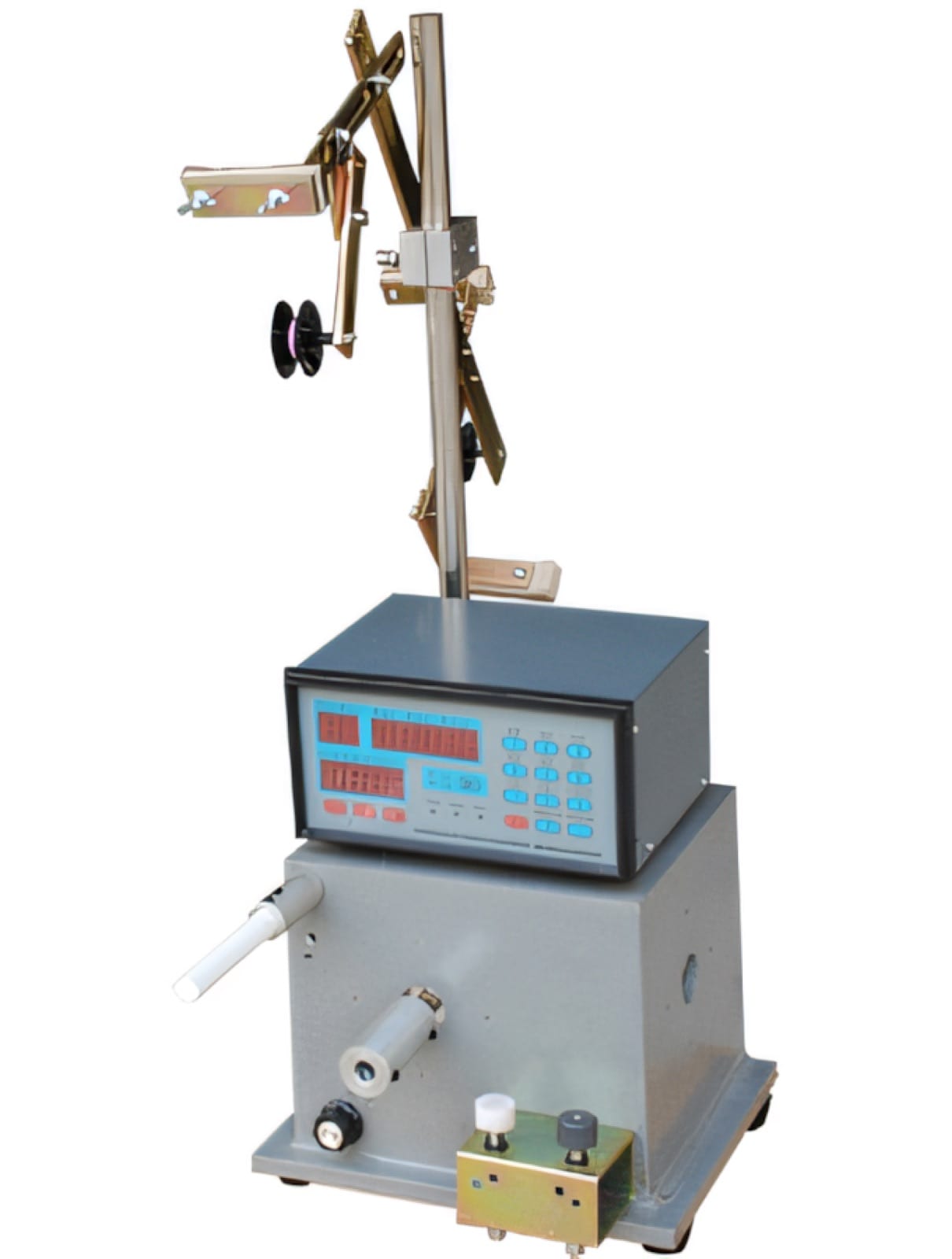
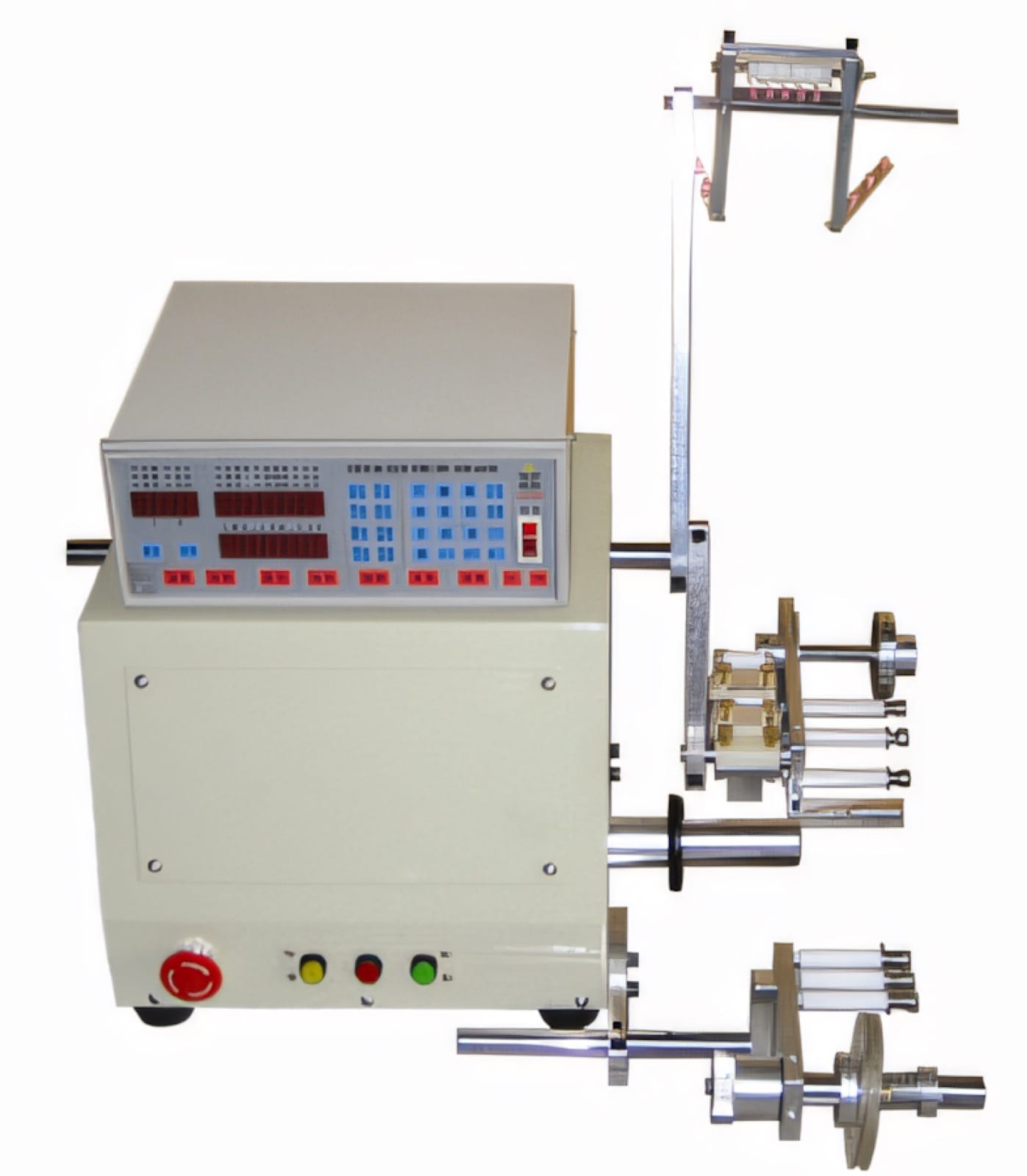
The solenoid coil winding machine controls turns, traverse, tension and lead position. The fixture must support the bobbin without distortion, while the wire path protects insulation through acceleration and termination.
Lead handling deserves early trials because manual correction can become the main labour source. Define whether wires wrap terminals, pass through slots or require cutting, stripping, soldering or welding.
- Wire range and tension window
- Coil dimensions and fill pattern
- Start and finish lead presentation
- Required termination and insulation
Integrate assembly and joining
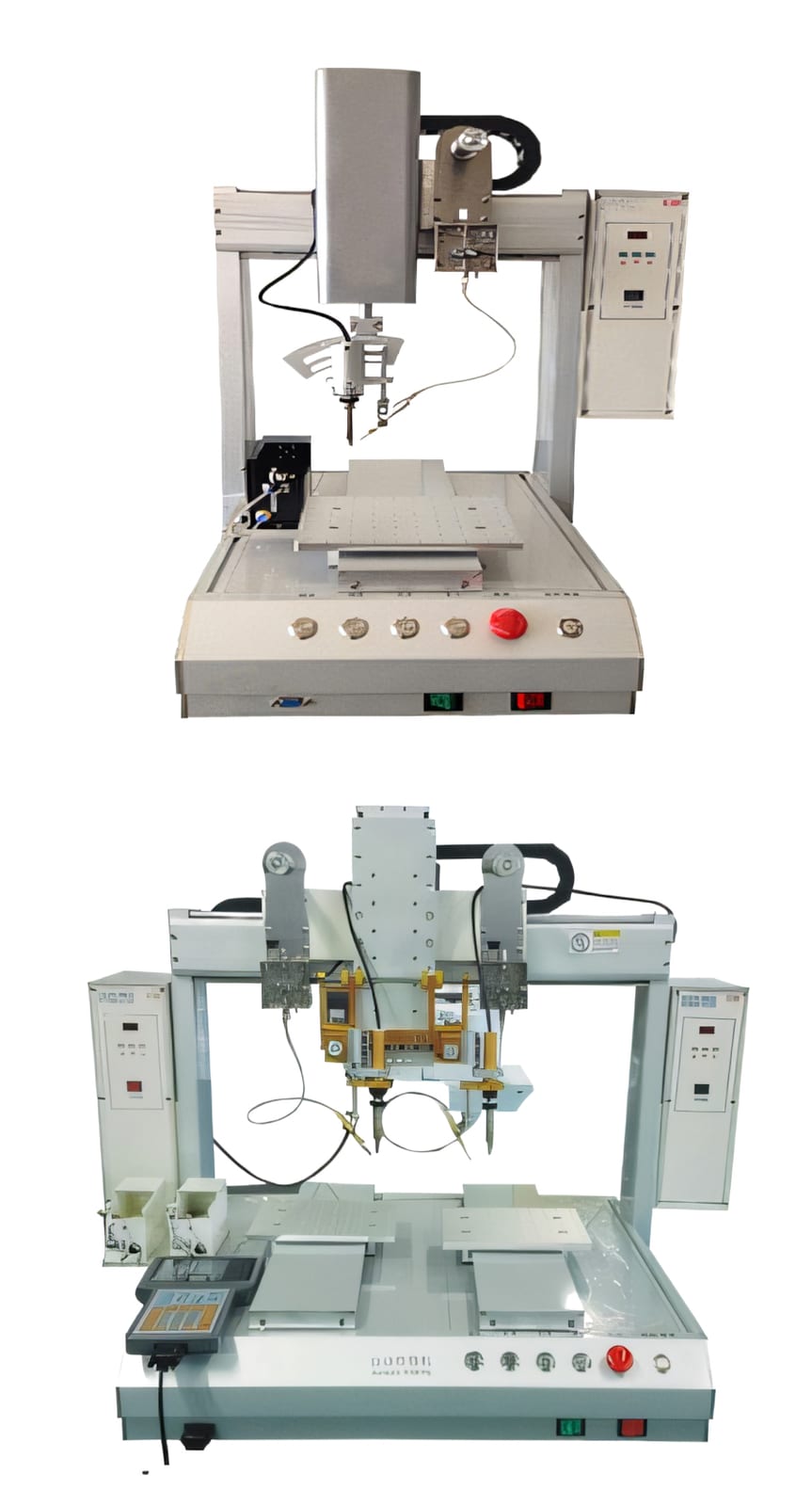
Depending on the design, the wound coil may be inserted into a housing, combined with a core or connected to terminals. Spot welding, soldering or another joining process should have controlled position, energy or dwell and a clear inspection method.
Transfer fixtures need to protect leads and keep the assembly orientation stable. Failed parts should leave through a secure path without blocking unaffected stations.
Test at the right stage
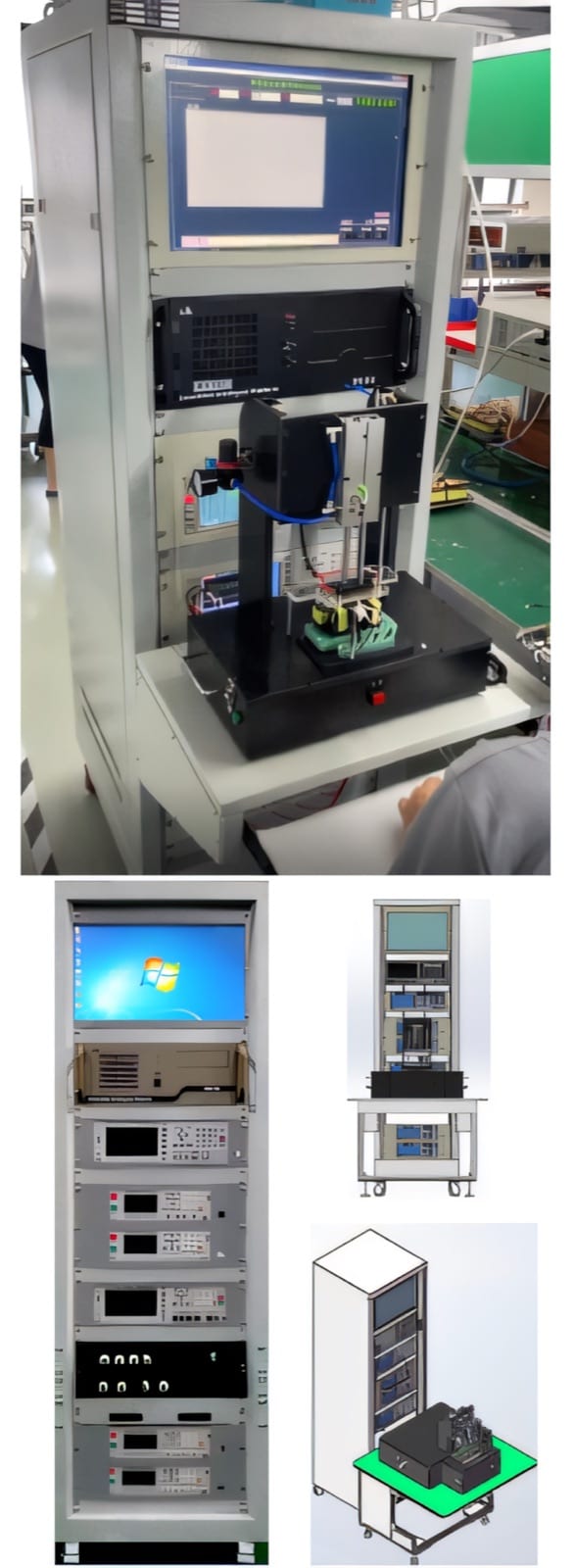
Resistance and continuity testing after termination can find coil failures before final assembly. Functional tests may follow once the magnetic and mechanical parts are present. Link test limits to the product recipe and control retest.
PME can configure winding, joining and testing machinery as standalone stations or an automatic solenoid production line. Representative samples and target output are needed to establish the best architecture.
Relevant machinery for this process
Explore PME equipment that can support the operations discussed in this guide. Final machine selection should be confirmed against your component, materials and target output.
Plan the next step
Discuss your component and production target with PME.
Share a drawing, sample, current process and expected output. We can help map the right machines and level of integration.