
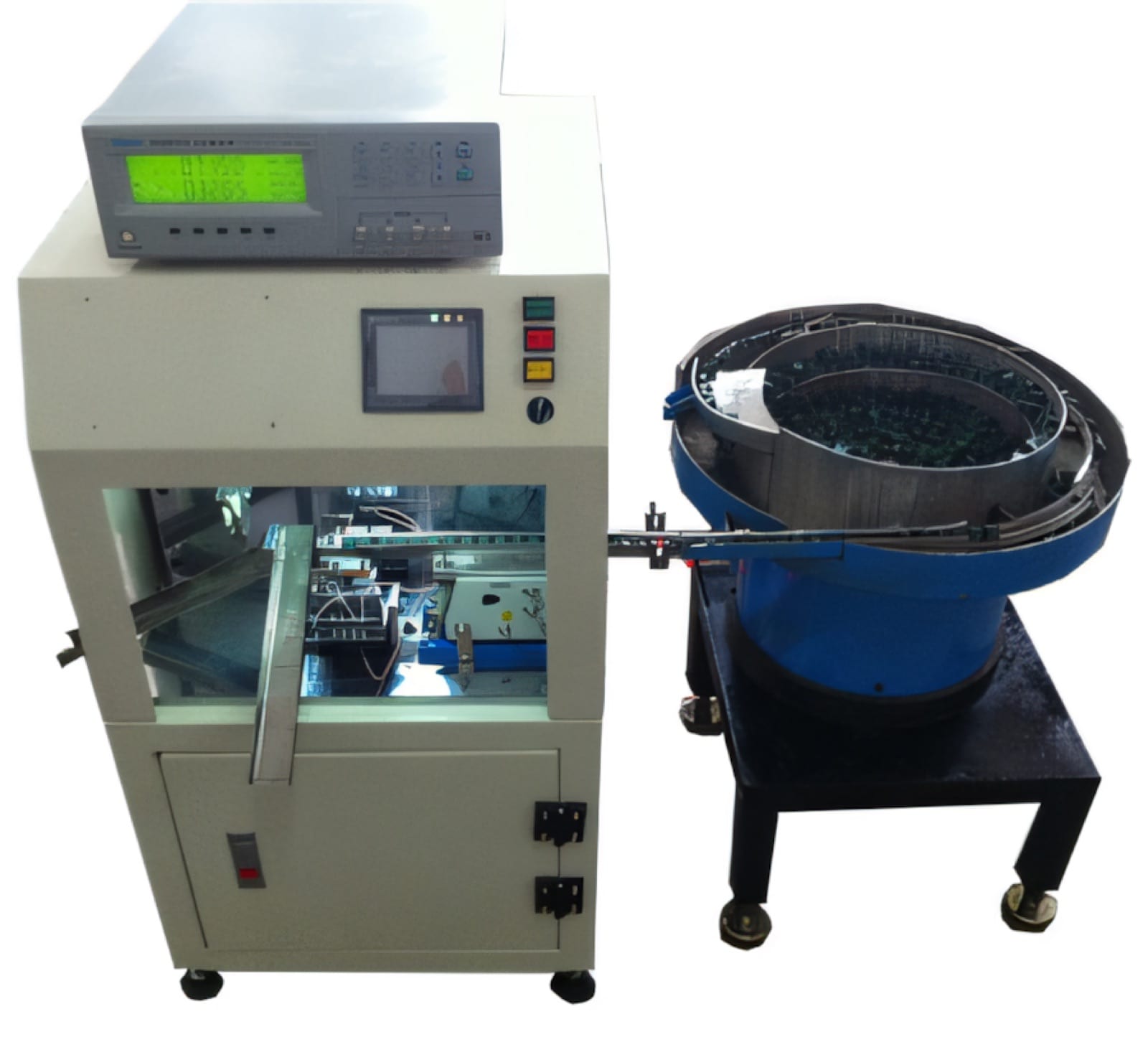
Define the production test plan
List the electrical characteristics that protect product function and customer requirements. Depending on the inductor, these may include inductance, resistance, continuity, insulation or other application-specific checks.
Set limits using approved engineering data and capable measurement methods. Avoid copying laboratory tests into production without confirming that the cycle, fixture and environment can support them.
Design repeatable electrical contact
Many apparent test failures are actually contact failures. The fixture must locate the component consistently, reach the terminals without damage and maintain stable pressure over its service life.
Include contact cleaning, wear checks and an easy replacement method. The tester should distinguish an open contact or missing part from a genuine product failure whenever practical.
- Positive part location and presence detection
- Protected probes with controlled travel
- Fixture life and preventive-maintenance plan
- Golden sample or verification routine
Connect recipes, results and part flow
The test recipe should be linked to the product being manufactured. In a complete line, the main recipe can select both process parameters and test limits. In a standalone tester, barcode, fixture identification or controlled operator selection can reduce mix-up risk.
Pass parts should move forward automatically, while failed parts enter a secure reject path. Store the result information needed for production control, troubleshooting and customer traceability without collecting data that will never be used.
Validate measurement and line behaviour
Compare automated results with the approved reference method across good, marginal and known-failed samples. Study repeatability, fixture variation, temperature effects and the response to contact contamination.
Then validate the complete production behaviour: retest rules, reject access, recipe changes, alarm recovery and data communication. Automated testing creates value when every shipped part has passed the correct test under controlled conditions.
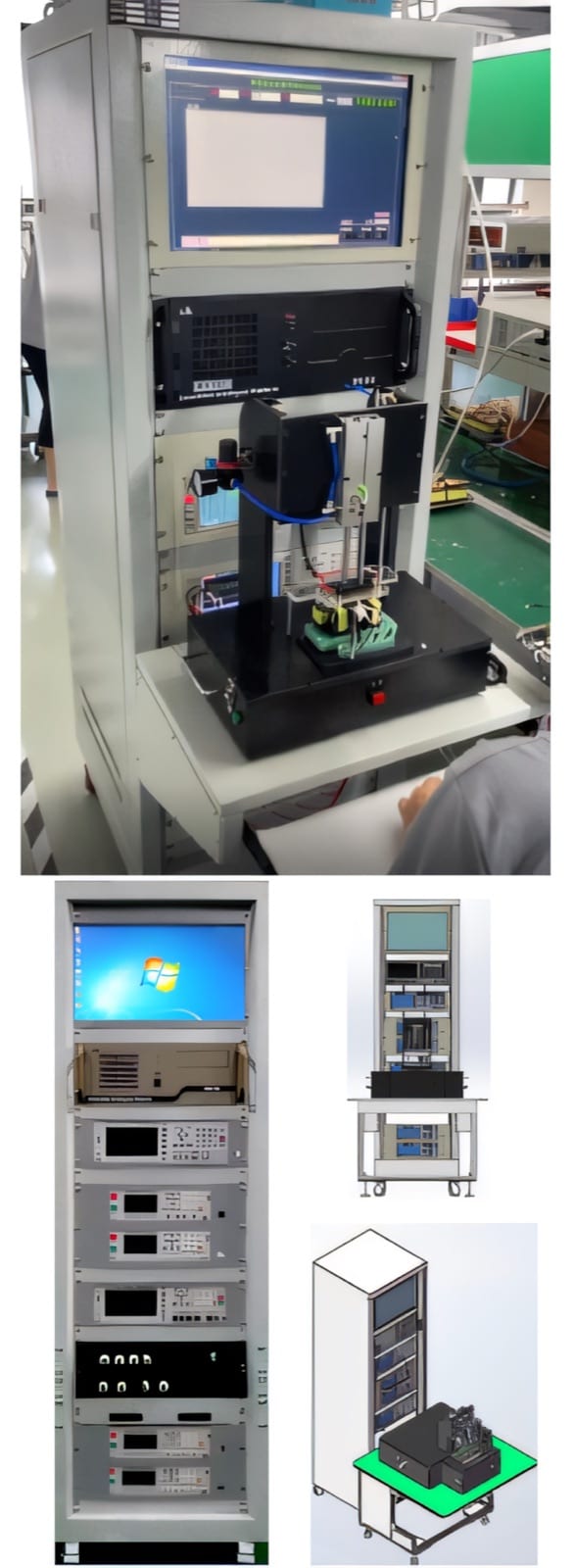
Relevant machinery for this process
Explore PME equipment that can support the operations discussed in this guide. Final machine selection should be confirmed against your component, materials and target output.
Plan the next step
Discuss your component and production target with PME.
Share a drawing, sample, current process and expected output. We can help map the right machines and level of integration.