
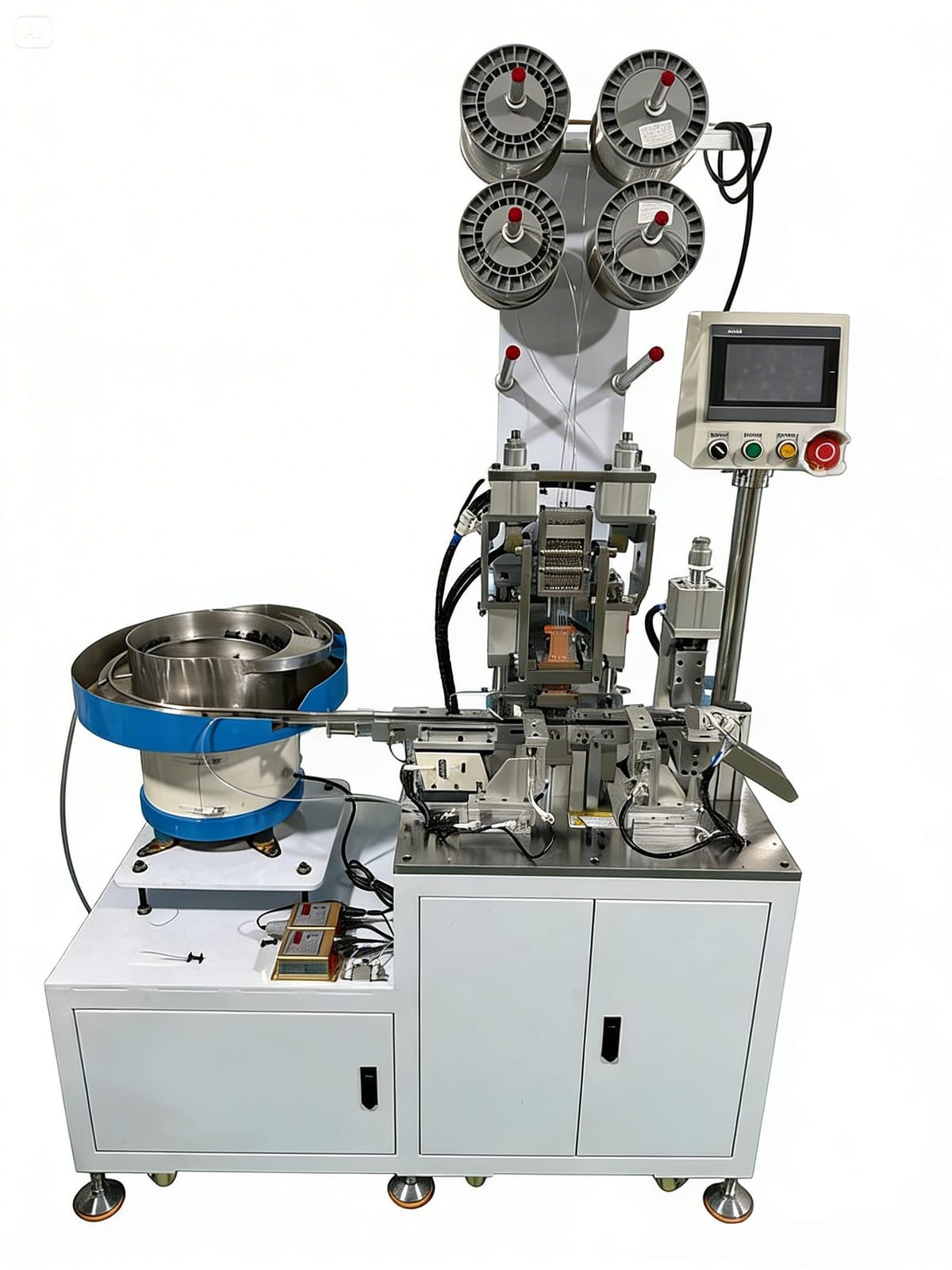
Define the bobbin-and-pin combination
An automatic pin insertion machine must be specified around the actual plastic bobbin, terminal pin and insertion pattern. Record pin length, profile, plating, orientation, pitch, insertion depth and the material condition of the moulded hole. Include every approved supplier and expected tolerance.
Transformer, relay and coil bobbins can look similar but behave differently during feeding and insertion. Representative samples reveal flash, warpage and hole variation that drawings may not show.
Choose manual, tray or bowl feeding
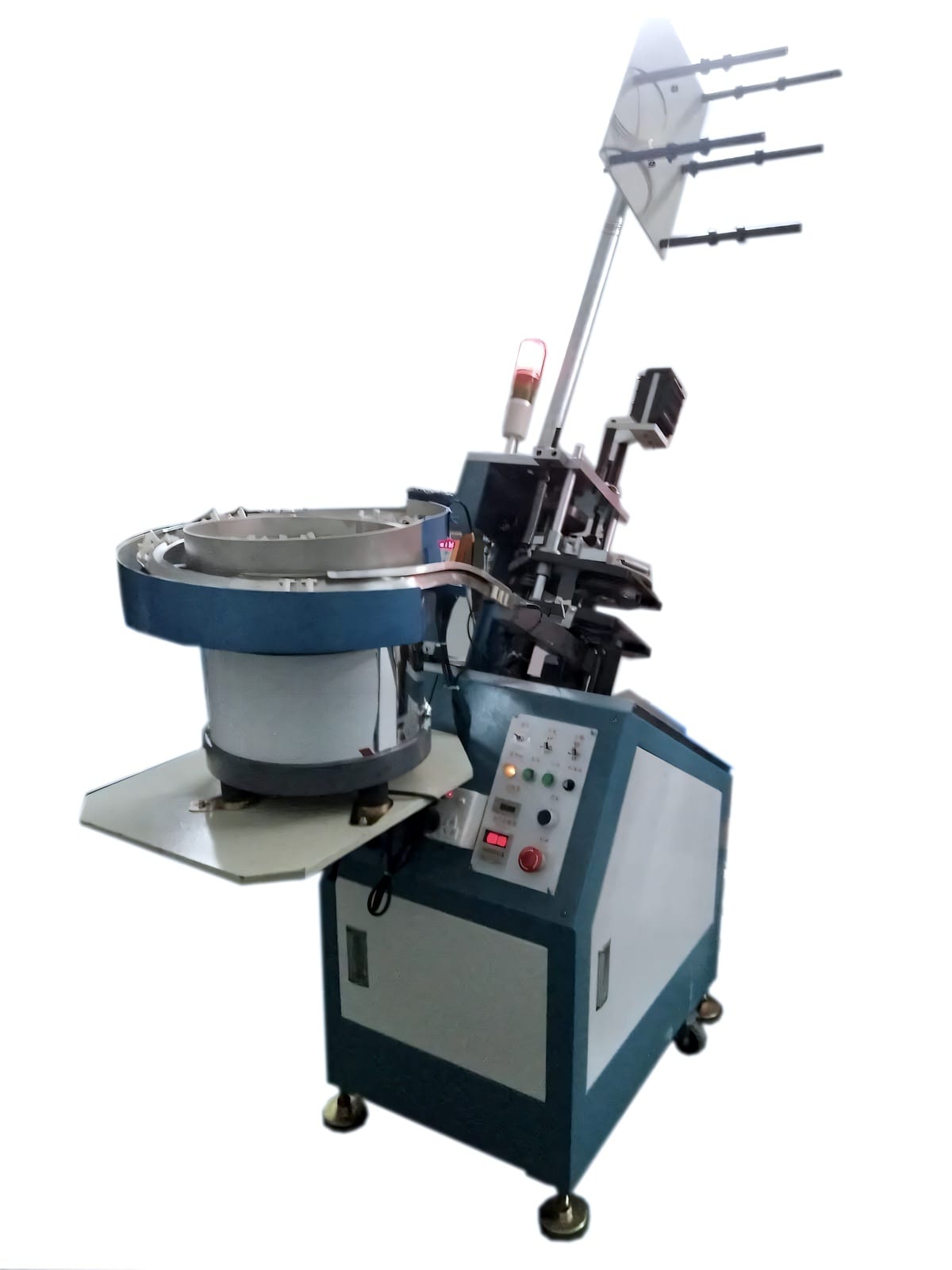
A manually loaded bobbin pin insertion machine is flexible for varied or moderate production. Bowl feeding can reduce handling for stable high-volume parts, while tray feeding may protect components that are difficult to orient or sensitive to contact.
Pin feeding also needs attention. The system should prevent doubled, reversed or damaged pins and give operators safe access to clear a jam without disturbing the setup.
- Parts per hour and batch size
- Number of bobbin and pin variants
- Replenishment frequency and operator workload
- Required orientation and surface protection
Control insertion and verify the result
Insertion depth, perpendicularity and retention are production characteristics, not only visual features. Depending on the application, verification may use position sensing, force monitoring, pin-presence checks or downstream gauges.
The fixture must support the bobbin without distortion. Tooling access, wear adjustment and quick replacement are important because the pin path and insertion punch are routine maintenance points.
Connect insertion to later processes
A consistent pin position improves winding lead placement, soldering contact and electrical testing. When insertion is part of a connected line, transfer the part status so a failed bobbin cannot continue unnoticed.
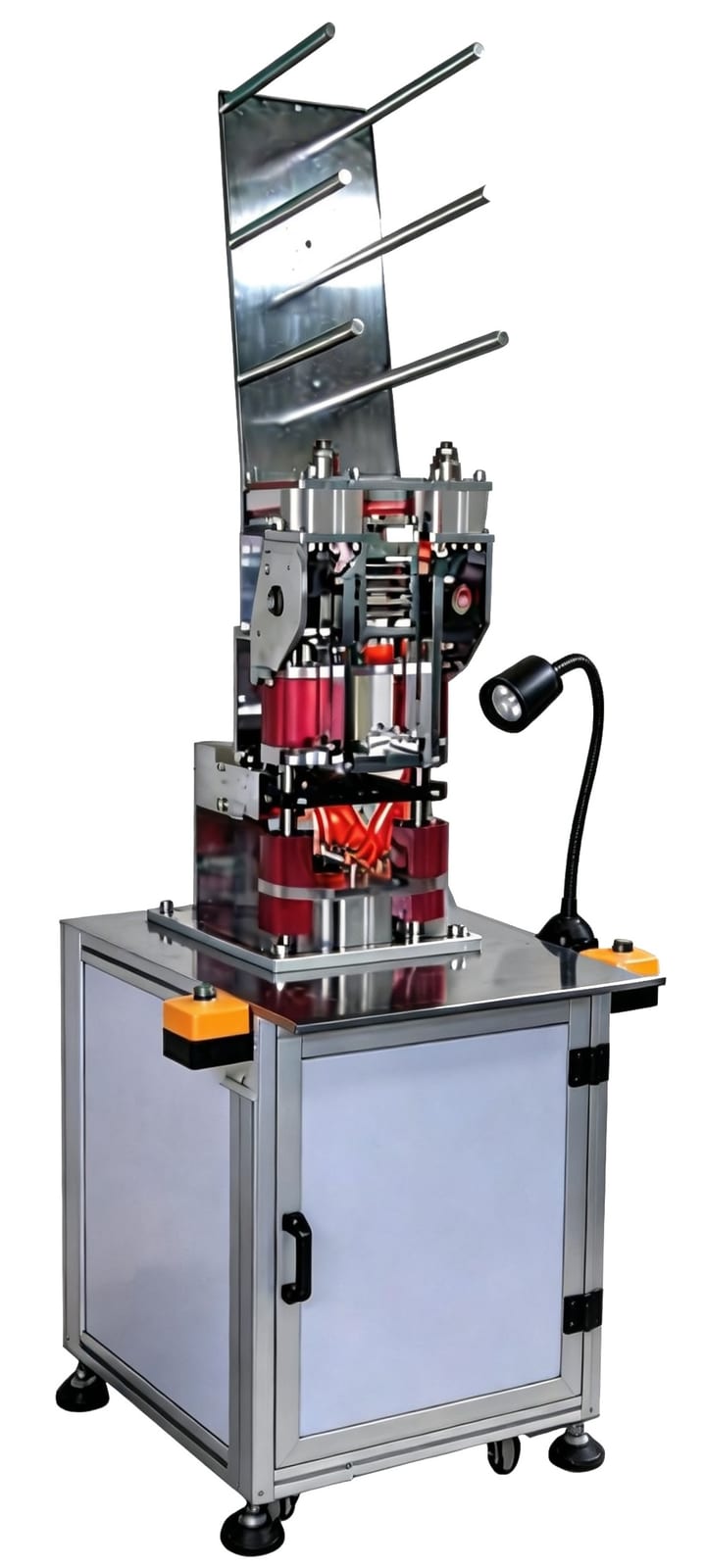
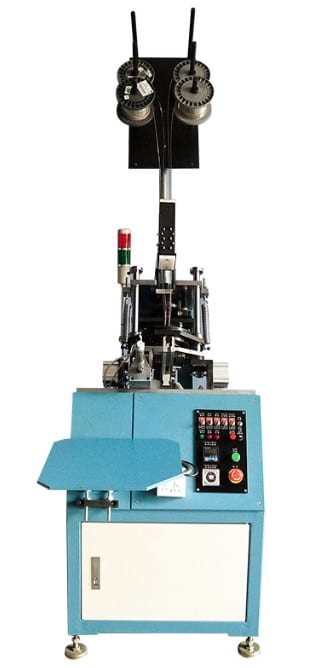
PME offers manual and automatic pin insertion models, including bowl-fed configurations. Sample trials can establish feeding reliability, insertion quality, output and the best integration point for the wider coil-production process.
Relevant machinery for this process
Explore PME equipment that can support the operations discussed in this guide. Final machine selection should be confirmed against your component, materials and target output.
Plan the next step
Discuss your component and production target with PME.
Share a drawing, sample, current process and expected output. We can help map the right machines and level of integration.