
Turn the insulation requirement into parameters
An automatic coil taping machine must reproduce the insulation drawing: tape material, width, number of wraps, overlap, direction, start position and finish position. The correct process may be full wrapping, edge coverage, core taping or a defined barrier between winding sections.
Record the allowable finished dimensions and appearance criteria. Tape stretch and overlap can change coil size, so a visually acceptable part may still cause a later assembly problem if the process is not controlled.
Stabilize tape tension and part location
Tape tension must be high enough to remove looseness without deforming the coil, core or bobbin. Braking, feed path, cutter condition and adhesive behaviour can all affect the result. Test the actual production tape across normal storage and environmental conditions.
The fixture should locate the part consistently and avoid damaging wire leads. For a transformer coil taping machine, tooling must also leave access for later soldering, core assembly or testing.
- Tape material, width and liner condition
- Overlap and number of turns
- Part datum and lead clearance
- Cut quality and end adhesion
Select assisted, automatic or integrated taping
A flexible coil wrapping machine suits varied work and operator loading. Bowl-fed automatic taping can increase output for stable parts. An integrated winding and taping machine removes a delicate transfer and can keep the winding program linked to the insulation recipe.
Compare the complete cycle and operator workload. Automatic loading is valuable only when replenishment, tape changes and fault recovery are straightforward.
Prove coverage before production release
Validate tape position, overlap, adhesion, dimensions and electrical performance using representative material lots. Run repeated cycles and inspect the first and last parts after a tape-roll change.
PME provides automatic coil/core taping, bowl-fed taping, PLC taping and integrated winding-and-taping options. The best machine depends on part geometry, insulation standard, volume and the upstream and downstream process.
Relevant machinery for this process
Explore PME equipment that can support the operations discussed in this guide. Final machine selection should be confirmed against your component, materials and target output.
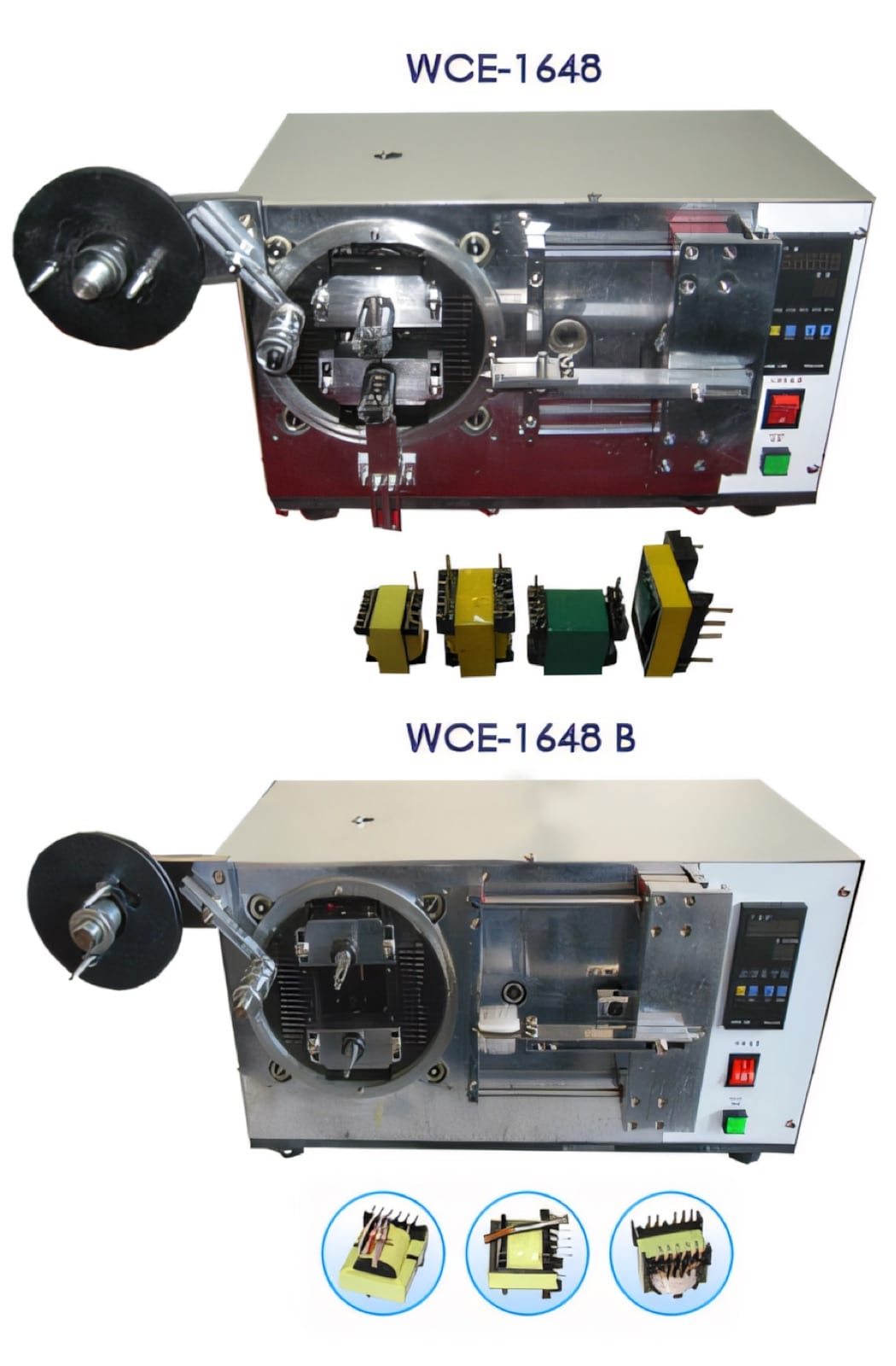 PME AUTOMATION
Auto Coil/Core Taping Machine
View machine ↗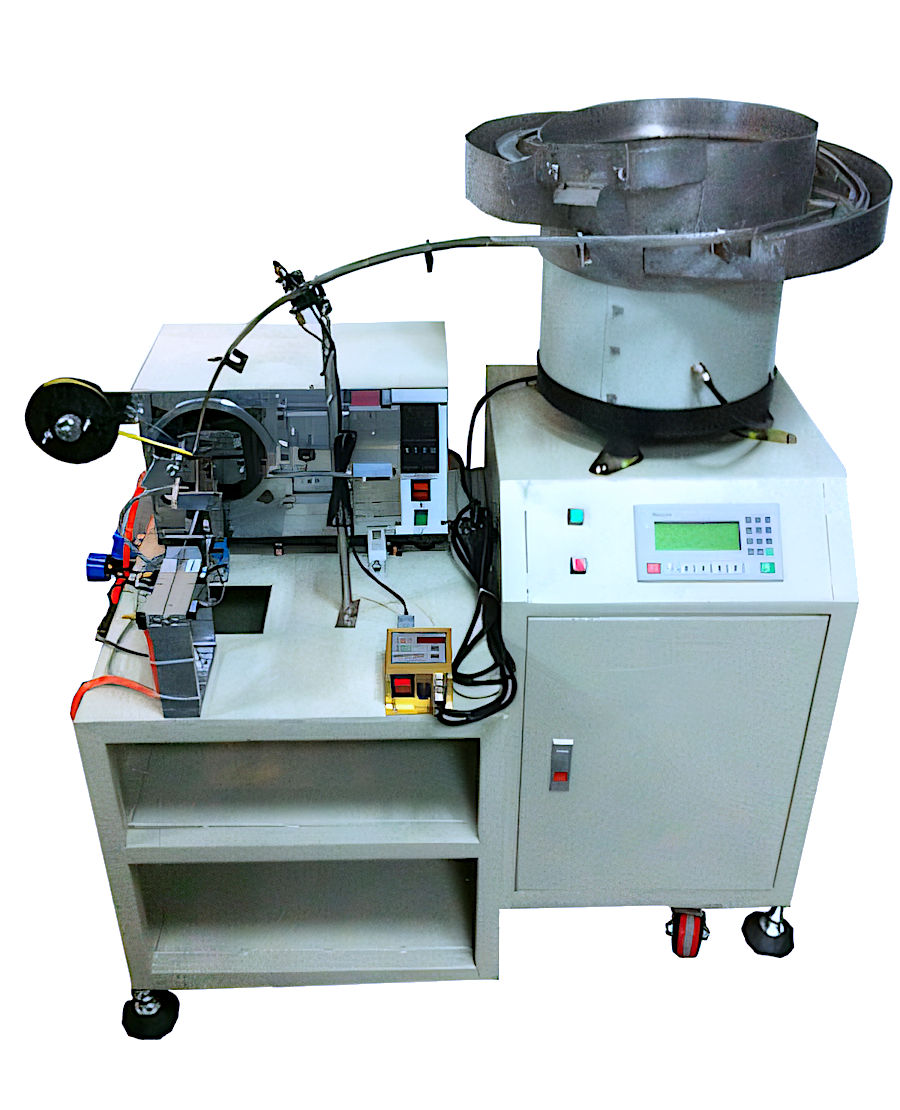 PME AUTOMATION
Fully Auto Coil Taping Machine with Bowl Feeder
View machine ↗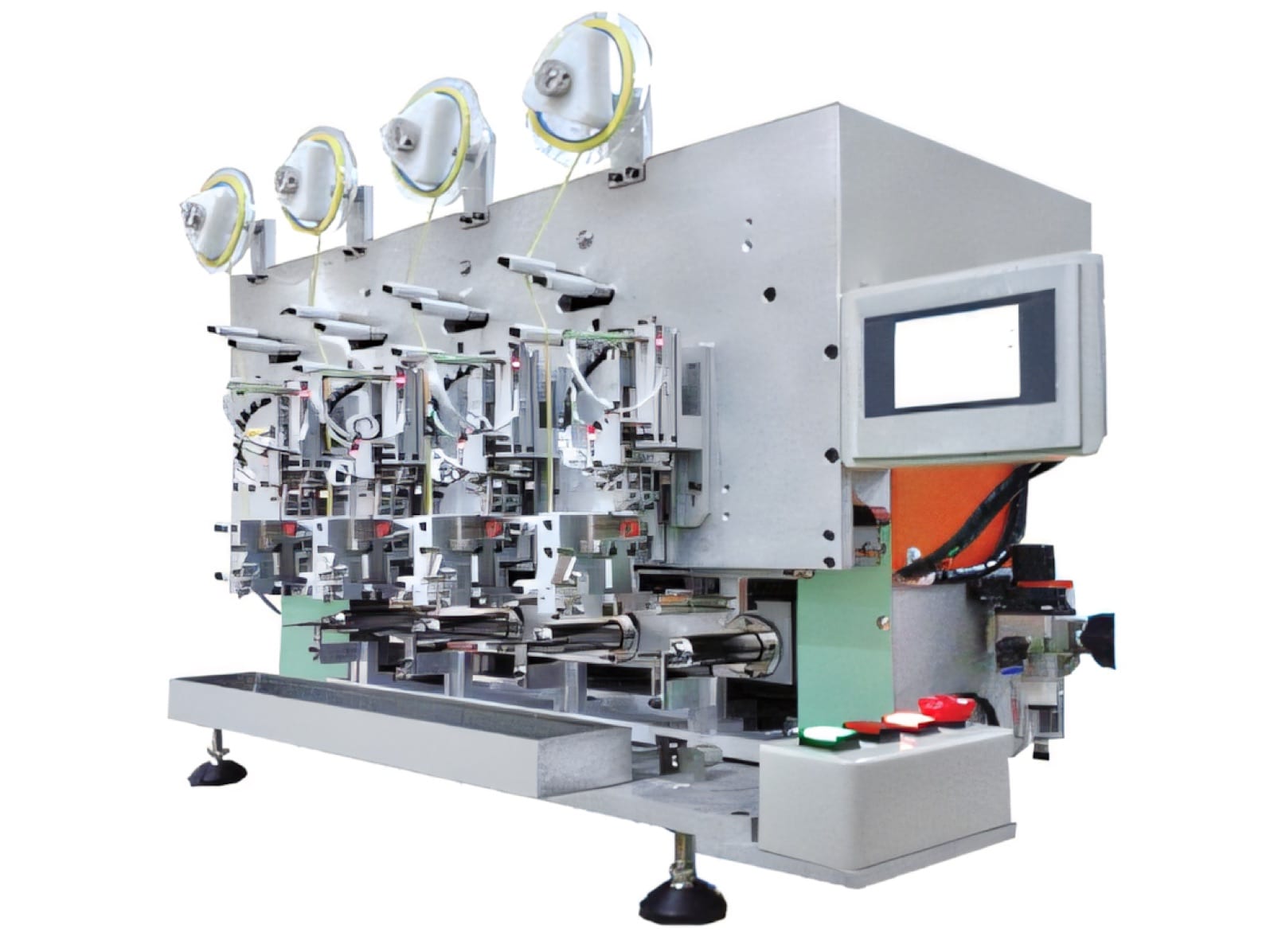 PME AUTOMATION
Automatic Taping Machine — PLC Control
View machine ↗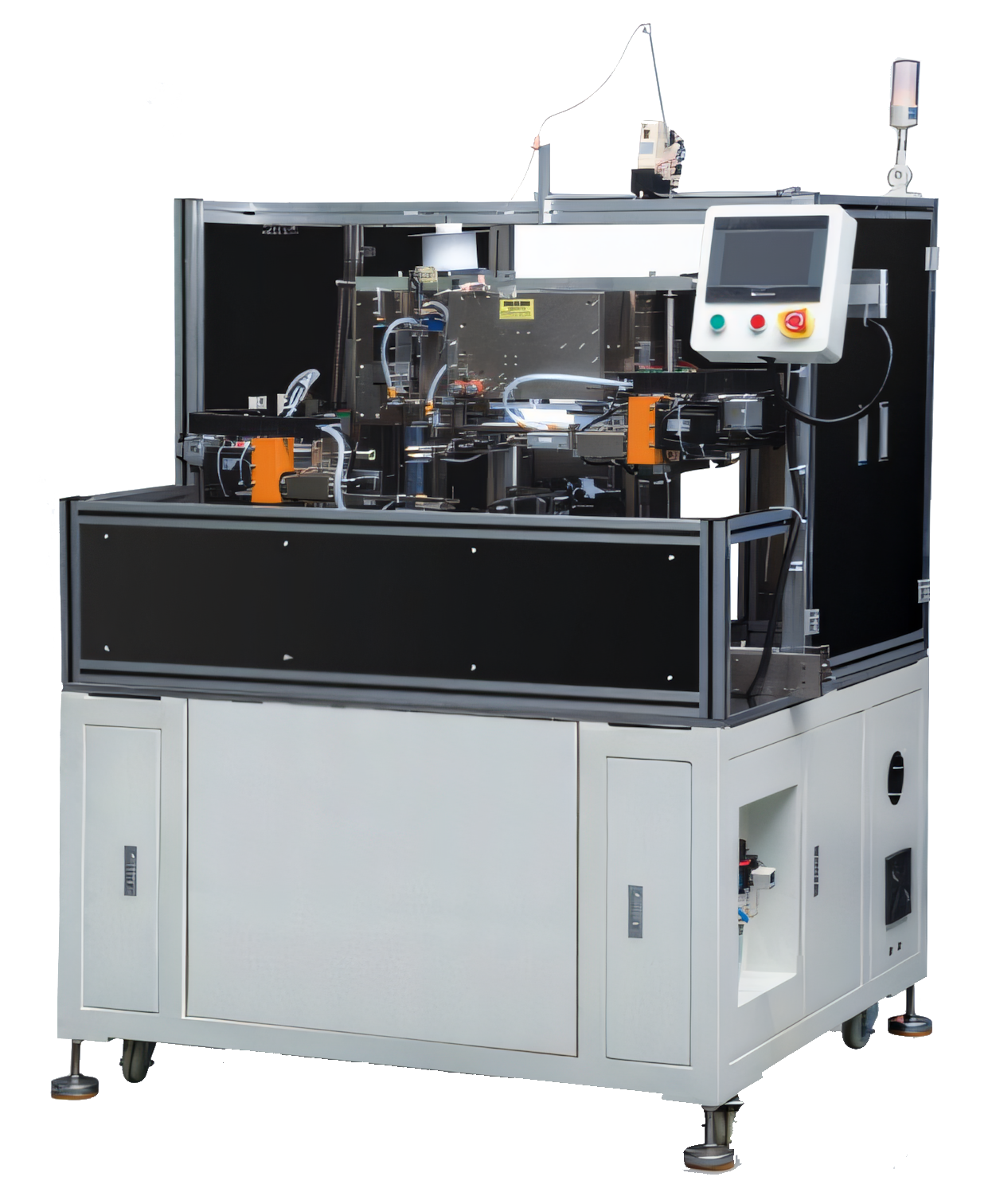 PME AUTOMATION
Auto Tube Insert, Winding & Taping Machine
View machine ↗Plan the next step
Discuss your component and production target with PME.
Share a drawing, sample, current process and expected output. We can help map the right machines and level of integration.