
Measure the current state
To calculate manufacturing automation ROI, begin with several representative weeks of output, staffing, overtime, scrap, rework, inspection, downtime and work-in-process. Separate scheduled time from actual run time and count only good parts.
Map operator activities rather than assuming every manual position disappears. Replenishment, changeover, quality checks and fault recovery remain after automation and must be included in the future staffing plan.
Value the complete set of benefits
Labour savings are easy to see, but additional capacity, lower variation, better test coverage and reduced work waiting between operations can be equally important. Assign each benefit its own formula and avoid counting the same improvement twice.
Capacity creates financial value only when the business can use or sell it. Quality improvement should use measured scrap, rework, warranty or inspection costs rather than a generic percentage.
- Direct labour hours reassigned or avoided
- Additional saleable output
- Scrap, rework and inspection reduction
- Lower work-in-process and handling
- Avoided overtime or floor-space expansion
Include full implementation cost
The investment includes machinery, tooling, integration, utilities, freight, installation, training, validation, spares and internal engineering time. Add maintenance and consumables to the recurring cost.
Model a ramp-up period instead of assuming full output on the first day. Product trials, operator learning and process stabilization may temporarily reduce the expected benefit.
Stress-test the business case
Calculate base, conservative and upside scenarios. Reduce volume, delay ramp-up and increase downtime in the conservative case. A project that remains viable under realistic pressure is more robust than one that depends on every assumption being perfect.
PME can help translate component and output requirements into a defined machine or line concept. The ROI should then be recalculated using that proposal’s cycle, staffing, tooling and support plan.
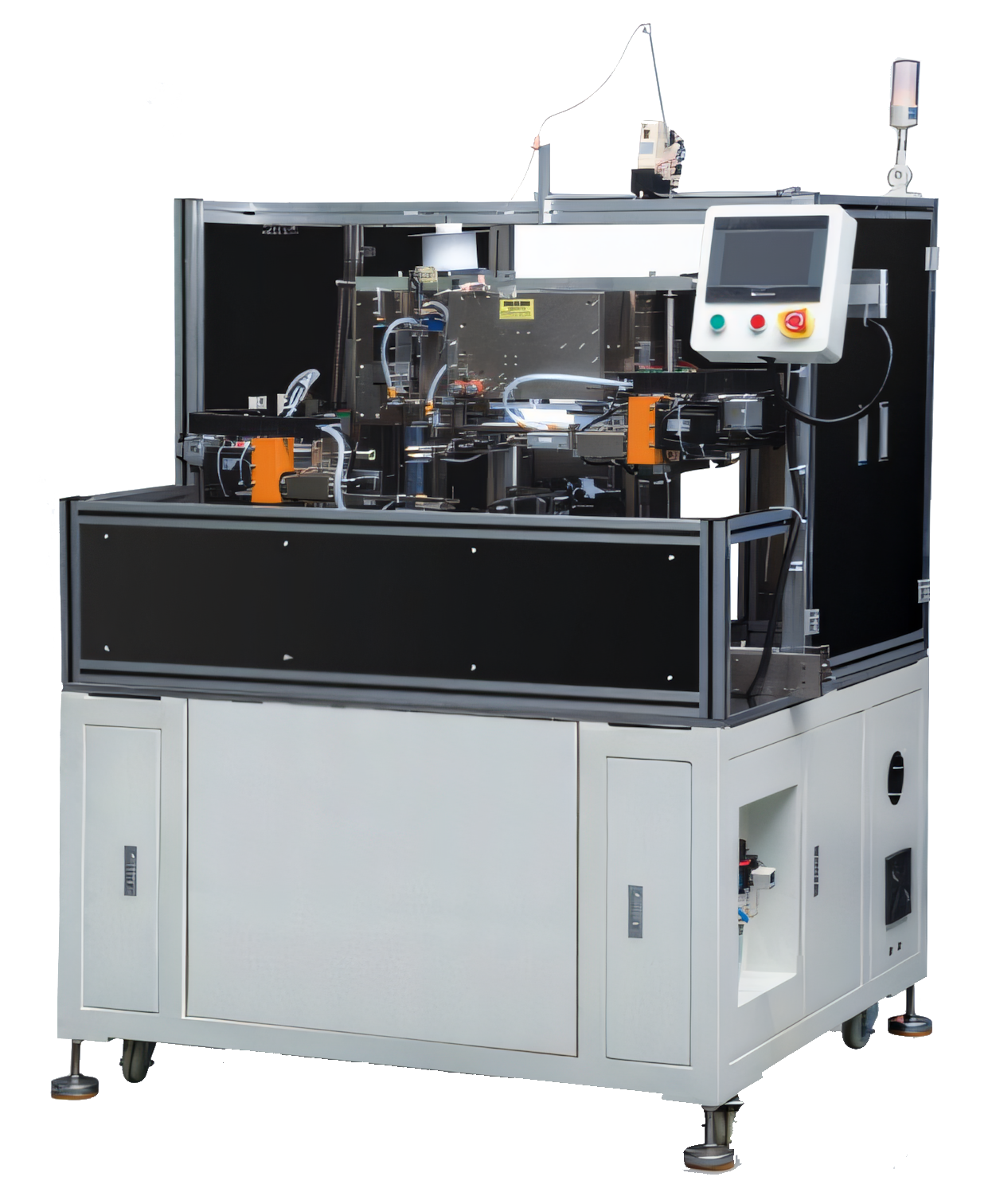
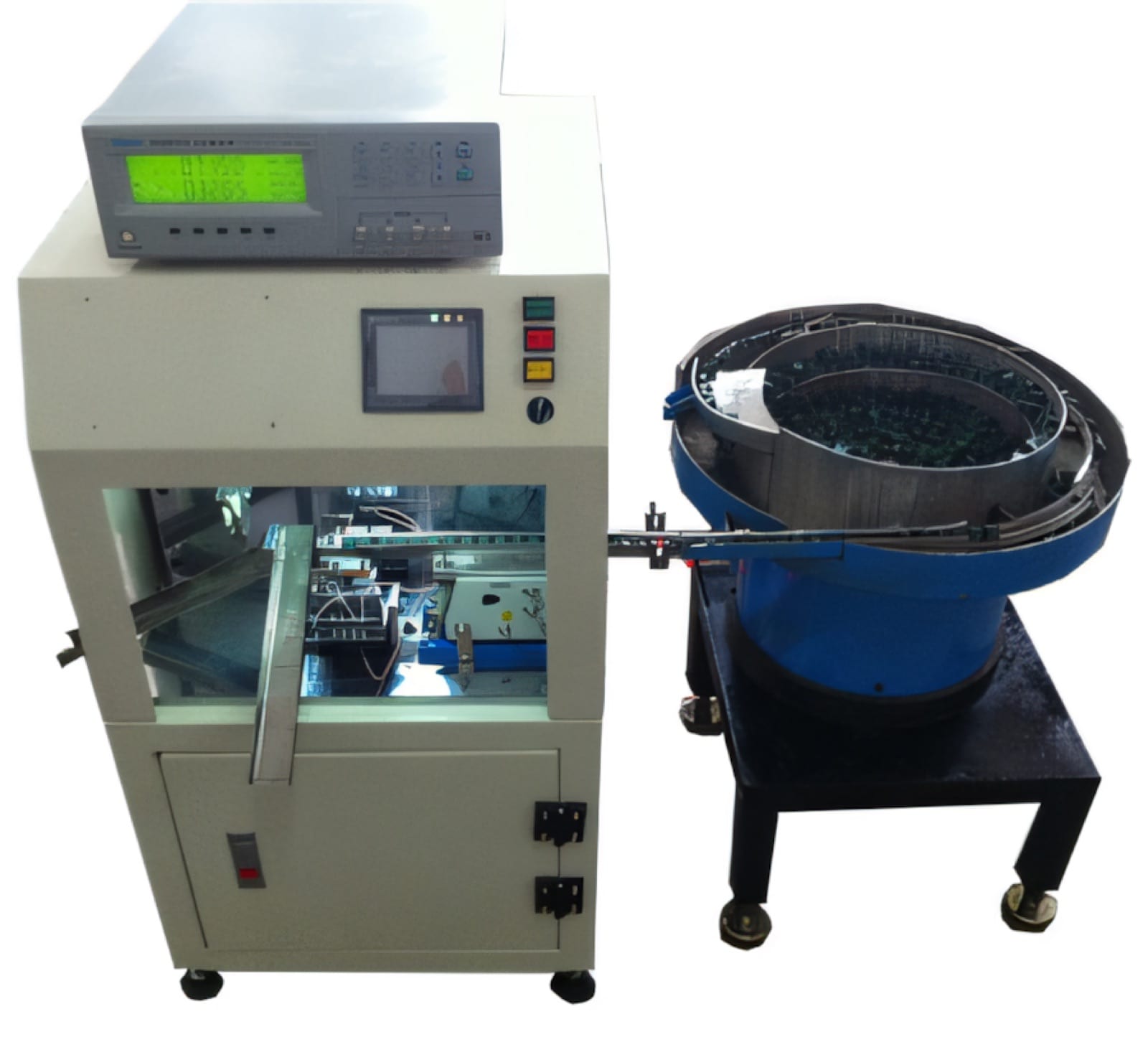
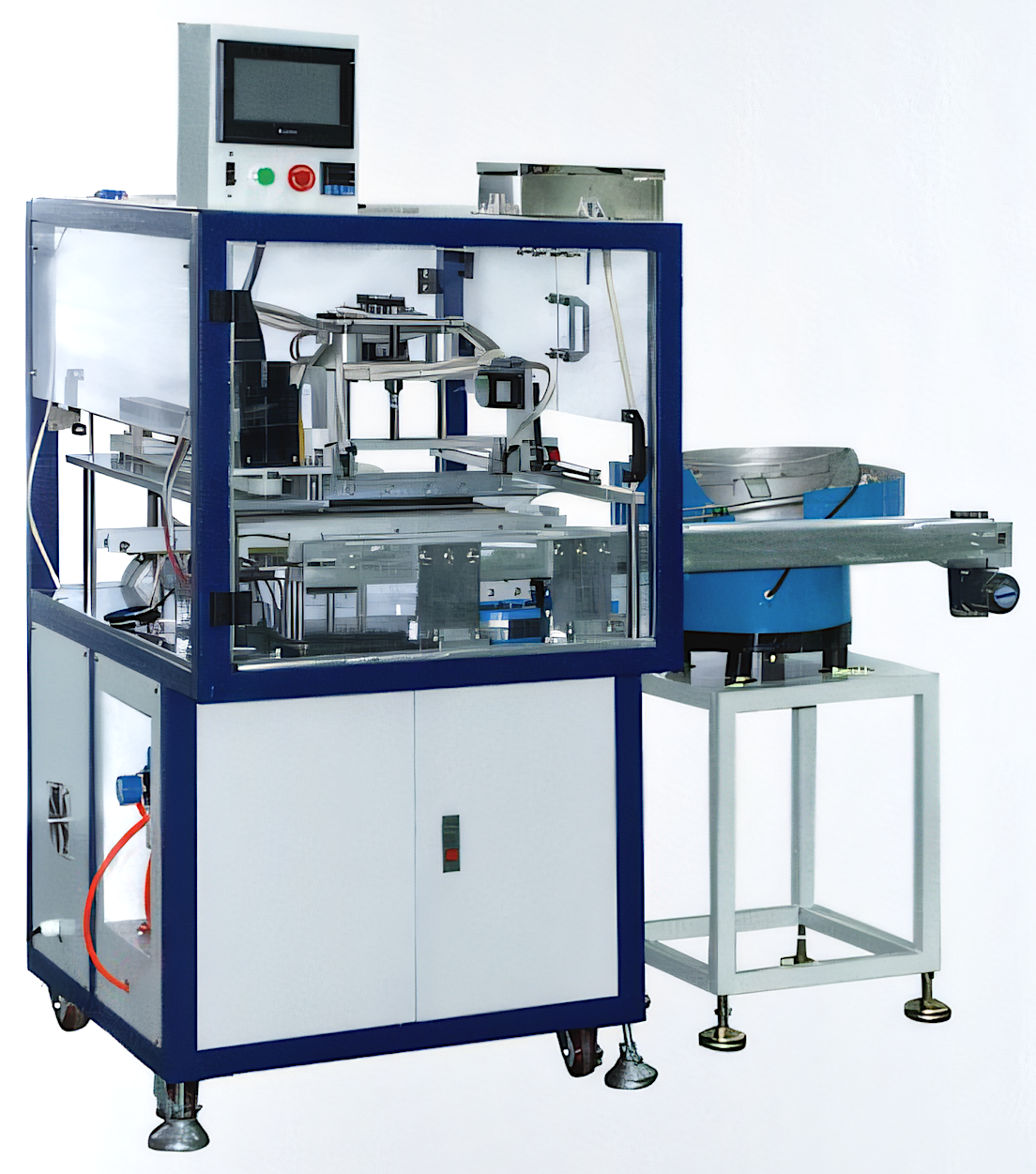
Relevant machinery for this process
Explore PME equipment that can support the operations discussed in this guide. Final machine selection should be confirmed against your component, materials and target output.
Plan the next step
Discuss your component and production target with PME.
Share a drawing, sample, current process and expected output. We can help map the right machines and level of integration.