
Base the cure on the material system
The correct curing schedule comes from the approved varnish, resin, adhesive or insulation system and the component qualification. Oven temperature and time should not be guessed from appearance. A part can look dry at the surface while the material inside a dense winding has not completed the intended thermal cycle.
Translate the supplier’s guidance into a production recipe that defines preheat, ramp, soak, cooling and any staged cure. Record whether the specified time begins when the oven reaches setpoint or when the coldest monitored component reaches its required temperature.
Control load pattern and airflow
A lightly loaded oven and a full production batch do not heat at the same rate. Standardize basket position, spacing, component orientation and maximum load. Avoid blocking supply or return airflow with large trays or closely packed parts.
Validate uniformity at the actual working volume. Sensors placed only near the heater can miss colder zones and slow-heating components. Temporary thermocouples on representative parts help establish the relationship between displayed air temperature and product temperature.
- Approved minimum and maximum batch loads
- Defined tray and rack positions
- Product-temperature verification points
- Alarm and recovery rules for interrupted cycles
Plan doors, batches and recovery
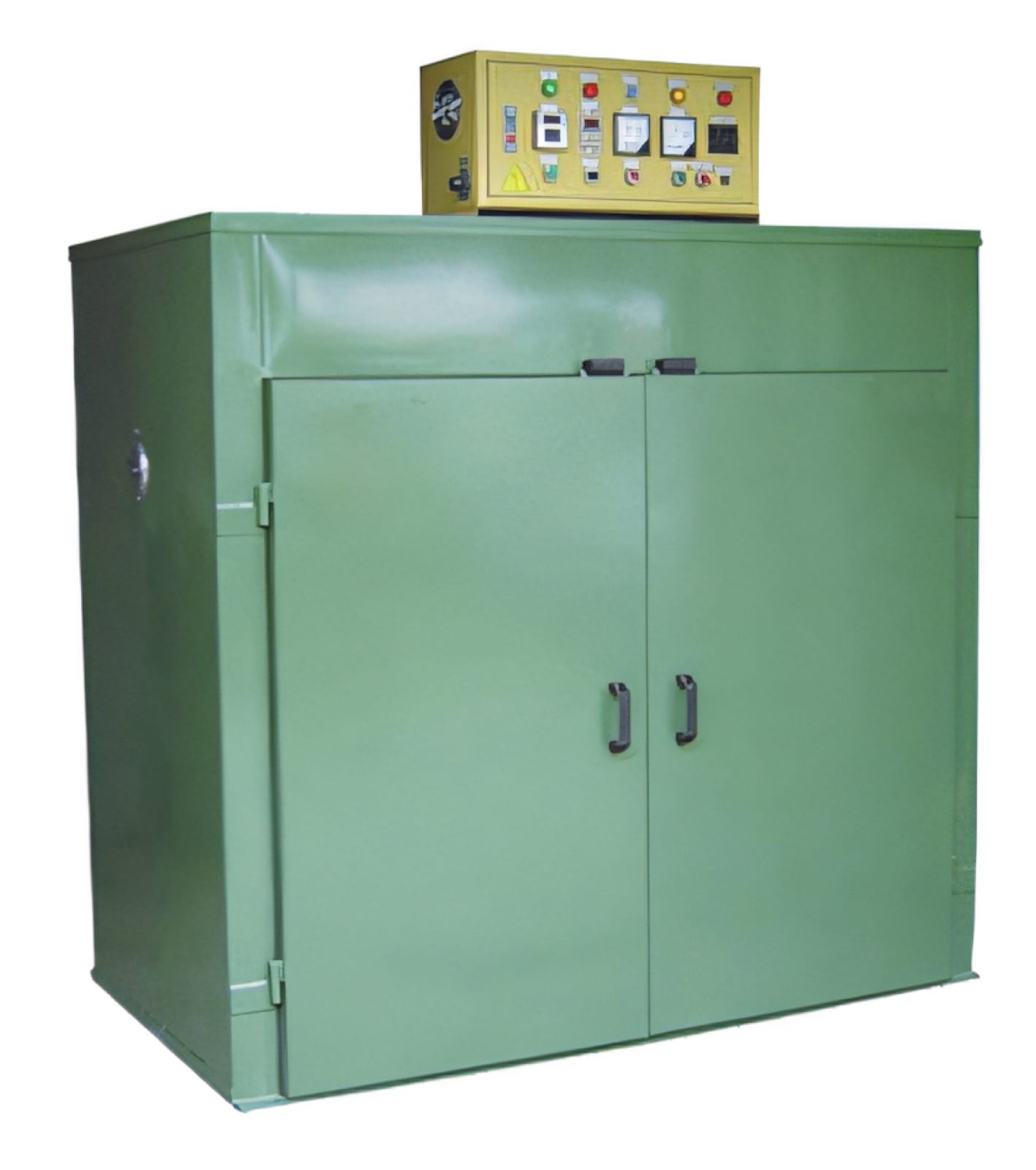
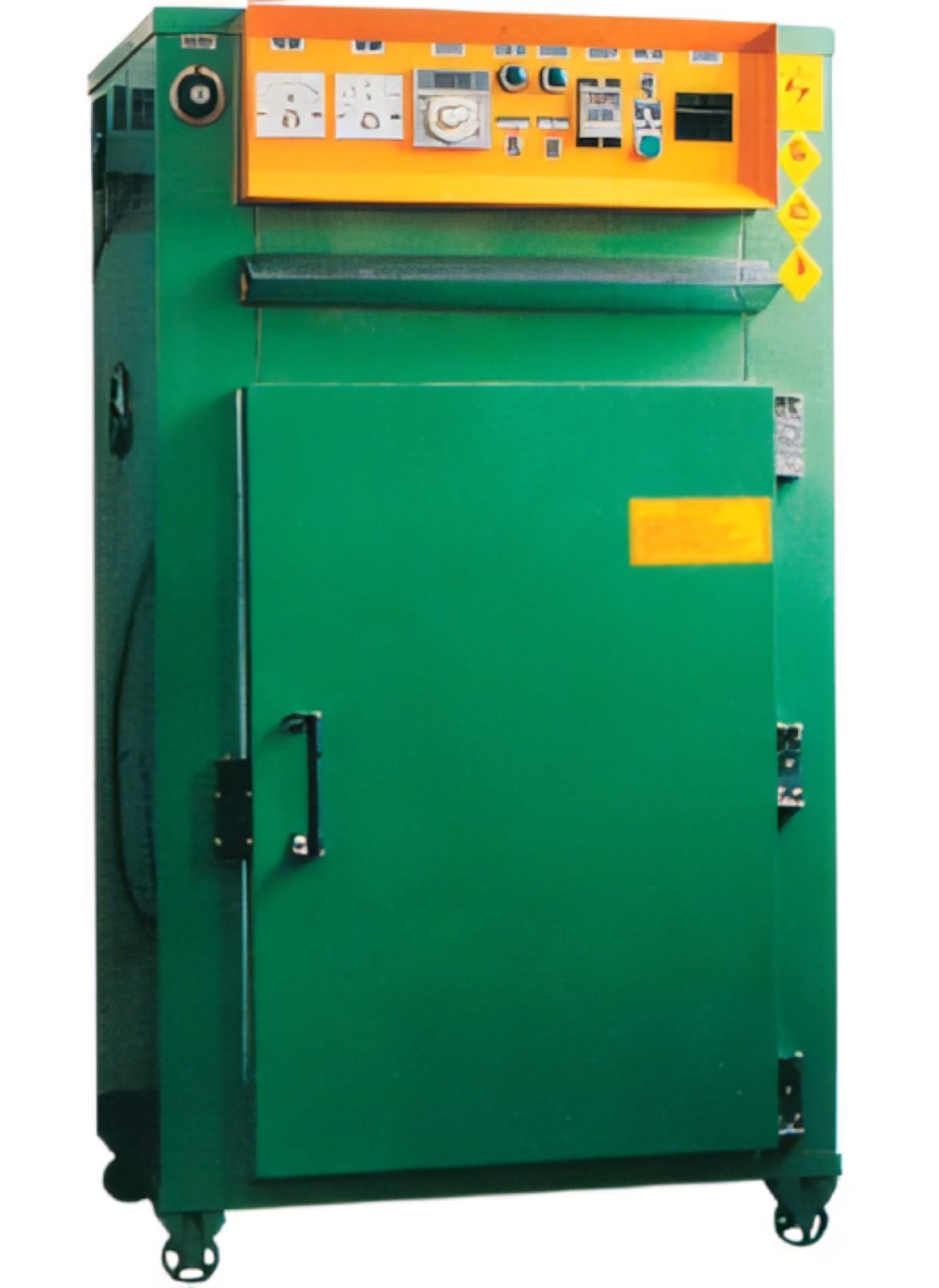
Opening a door releases heat and disturbs airflow. A single-door oven may be straightforward for scheduled batches, while a twin-door arrangement can support the factory’s loading and unloading pattern or process separation. The benefit depends on layout, interlocks and how often doors are opened.
Measure recovery after a normal batch is loaded. If the oven spends much of the shift returning to temperature, nominal chamber capacity may overstate real output. Staggering loads or using more than one controlled batch can sometimes improve flow without increasing peak temperature.
Verify cure and maintain traceable recipes
Use product-specific evidence such as weight change, hardness, insulation performance, adhesion or another approved test. Record batch identity, recipe, start and finish times, alarm events and operator actions so a questionable result can be traced to its thermal history.
PME single- and twin-door automatic-temperature ovens can support transformer, inductor and coil production after impregnation or other material application. Chamber size, load arrangement and control features should be qualified with the intended product and cure schedule.
Relevant machinery for this process
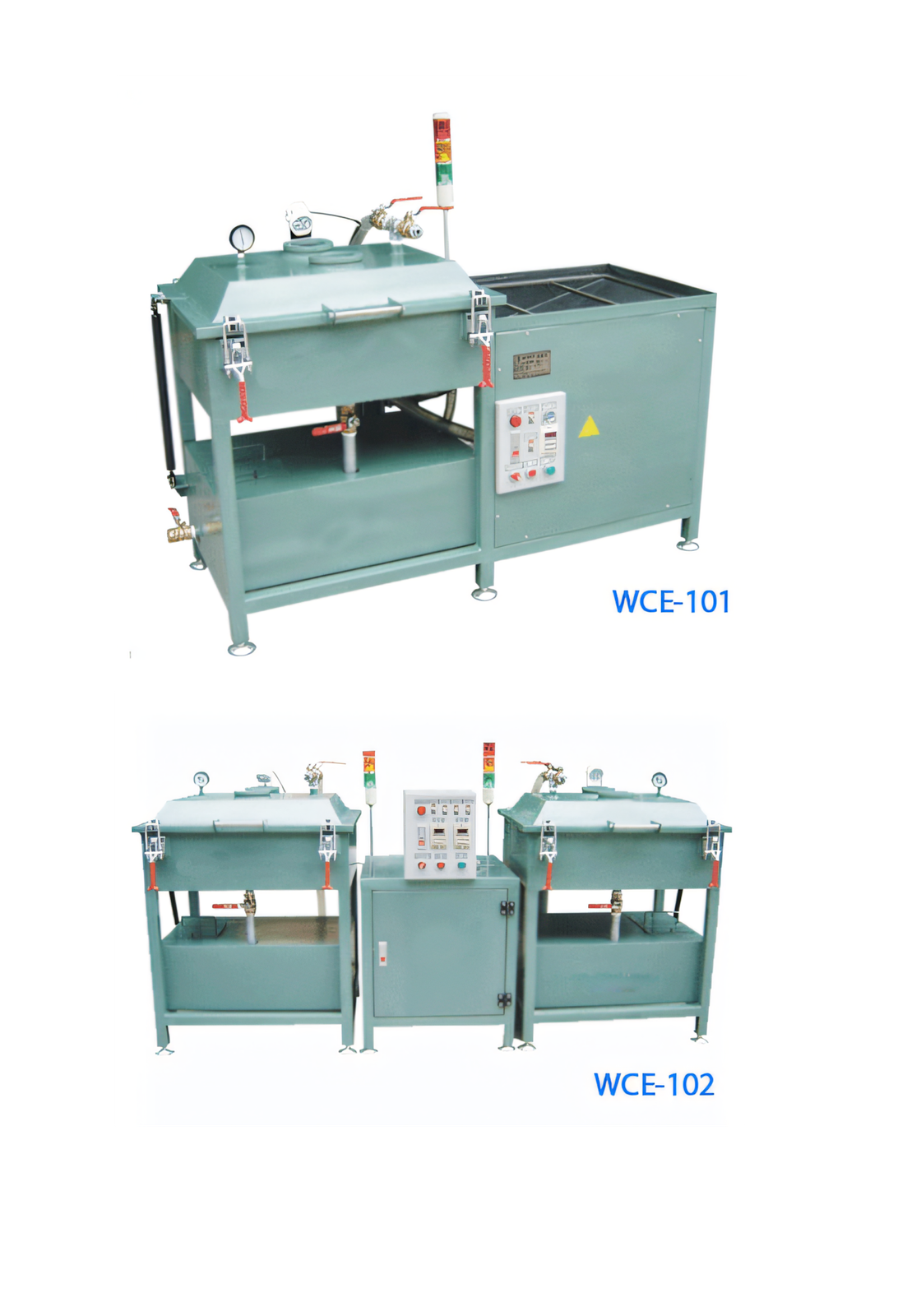
Explore PME equipment that can support the operations discussed in this guide. Final machine selection should be confirmed against your component, materials and target output.
Plan the next step
Discuss your component and production target with PME.
Share a drawing, sample, current process and expected output. We can help map the right machines and level of integration.