
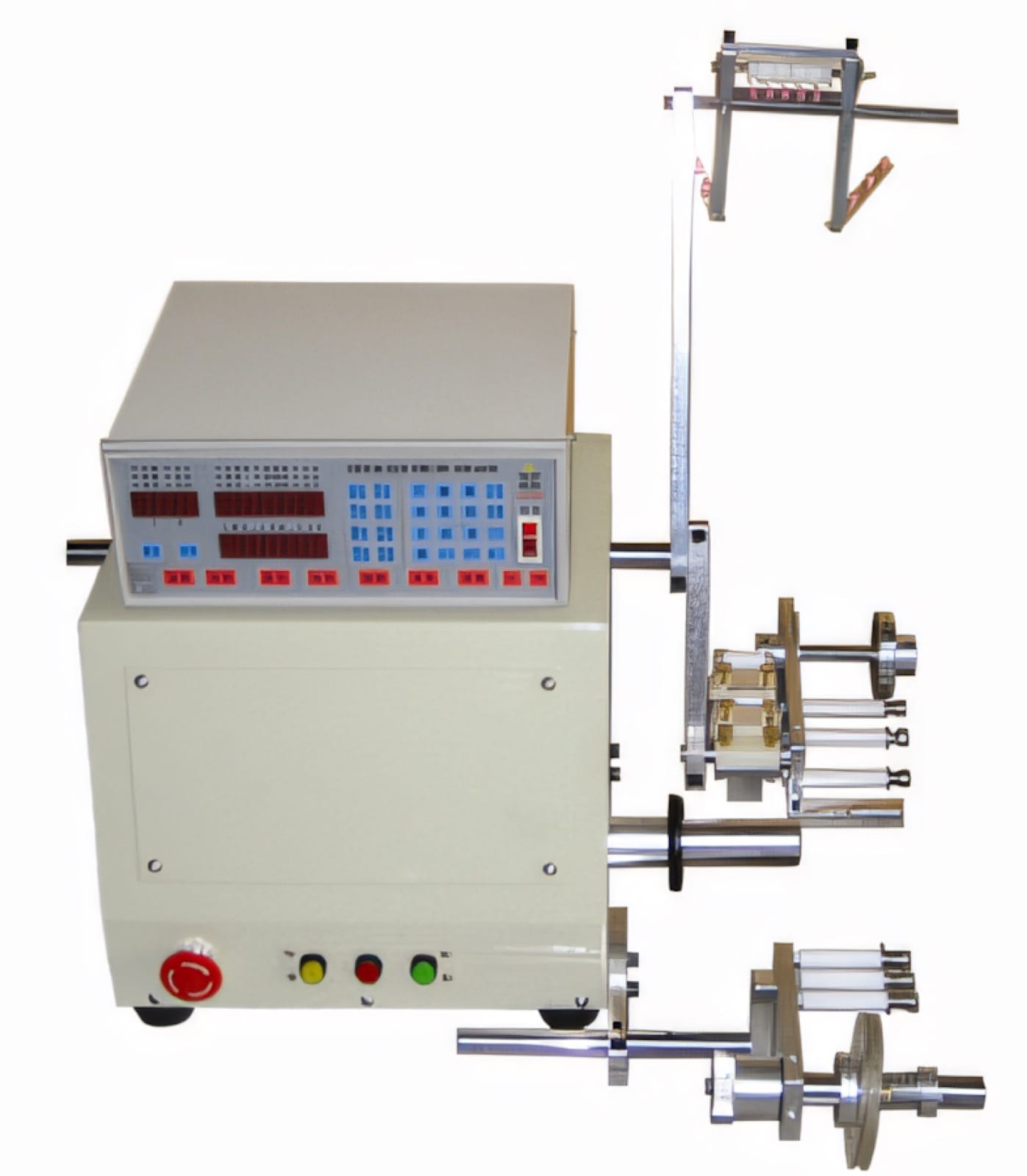
Measure changeover from last good to first good
A useful changeover measure begins when the last acceptable part of one product is completed and ends when the first acceptable part of the next product is running at the intended conditions. Stopping the clock when tooling is installed hides program checks, material loading and first-piece approval.
Observe several real changeovers and list every task, delay, walk and correction. Separate work that can happen while the machine is producing from work that genuinely requires a stop. This creates a factual improvement list rather than asking operators to move faster.
Prepare materials, programs and tools externally
Stage approved bobbins, wire, tape, fixtures, probes and documents before the planned stop. Verify identity and condition away from the machine. Programs should have controlled names and revision status so the operator does not search through similar files at the HMI.
Pre-setting guides or tooling on a bench can move adjustment out of downtime. Use carts or kits arranged in the order of use, and provide a defined location for removed parts so nothing is damaged or mixed during the transition.
- Pre-staged material and change parts
- Controlled recipe and revision
- Tools located at point of use
- Clear path for removed tooling
Replace adjustment with repeatable location
Keyed fixtures, hard stops, scales, quick connectors and captured fasteners reduce trial-and-error setup. The goal is not to remove every adjustment but to make the normal position visible and reproducible. Record settings that cannot be physically fixed.
Mistake-proof similar tooling with labels, shape or identification that the control system can verify. A fast change to the wrong fixture is more costly than a slightly longer controlled setup. Protect critical alignments from being disturbed by unrelated routine access.
Keep first-piece approval proportionate and strong
Predefine the checks needed after each change: turns, dimensions, tape overlap, solder position, electrical result or another product-specific characteristic. Capture data automatically where practical, but do not remove verification that detects a real setup risk.
Track median changeover and variation, not only the fastest event. A stable 20-minute process is more useful for planning than a best case of 12 minutes followed by frequent 35-minute recoveries. PME machine recipes and change tooling can be planned around the product mix when variant data is shared early.
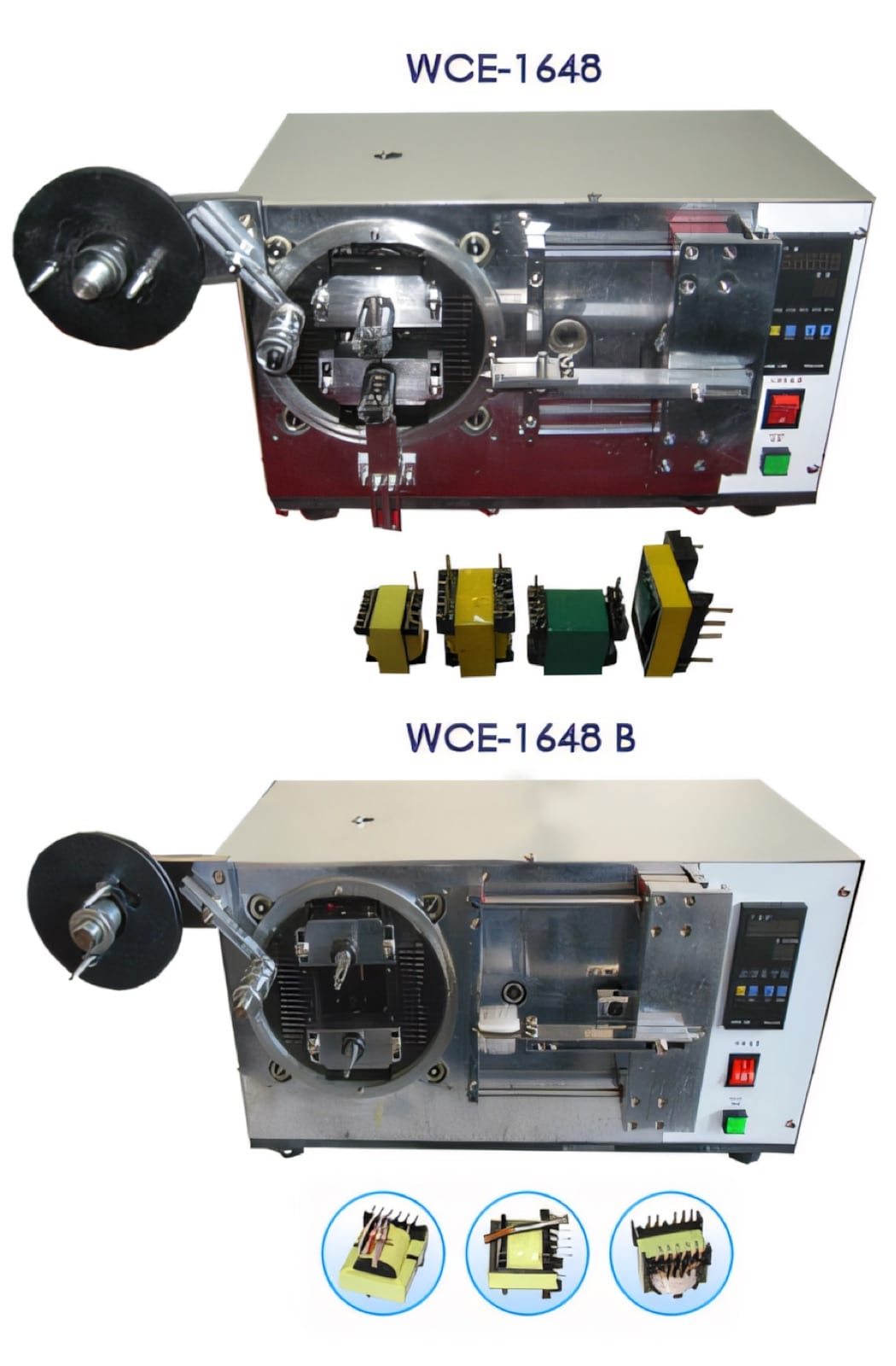
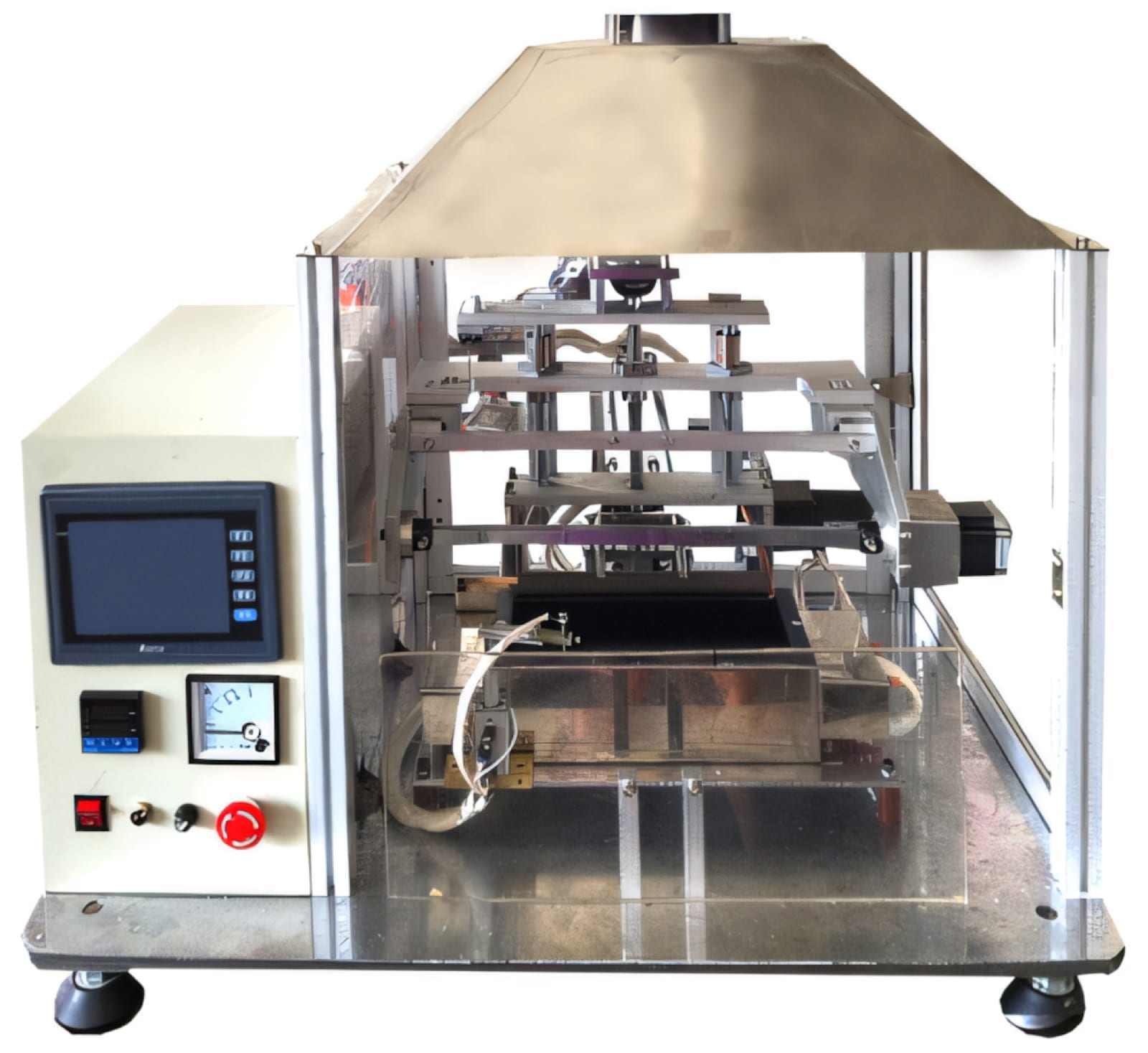
Relevant machinery for this process
Explore PME equipment that can support the operations discussed in this guide. Final machine selection should be confirmed against your component, materials and target output.
Plan the next step
Discuss your component and production target with PME.
Share a drawing, sample, current process and expected output. We can help map the right machines and level of integration.