
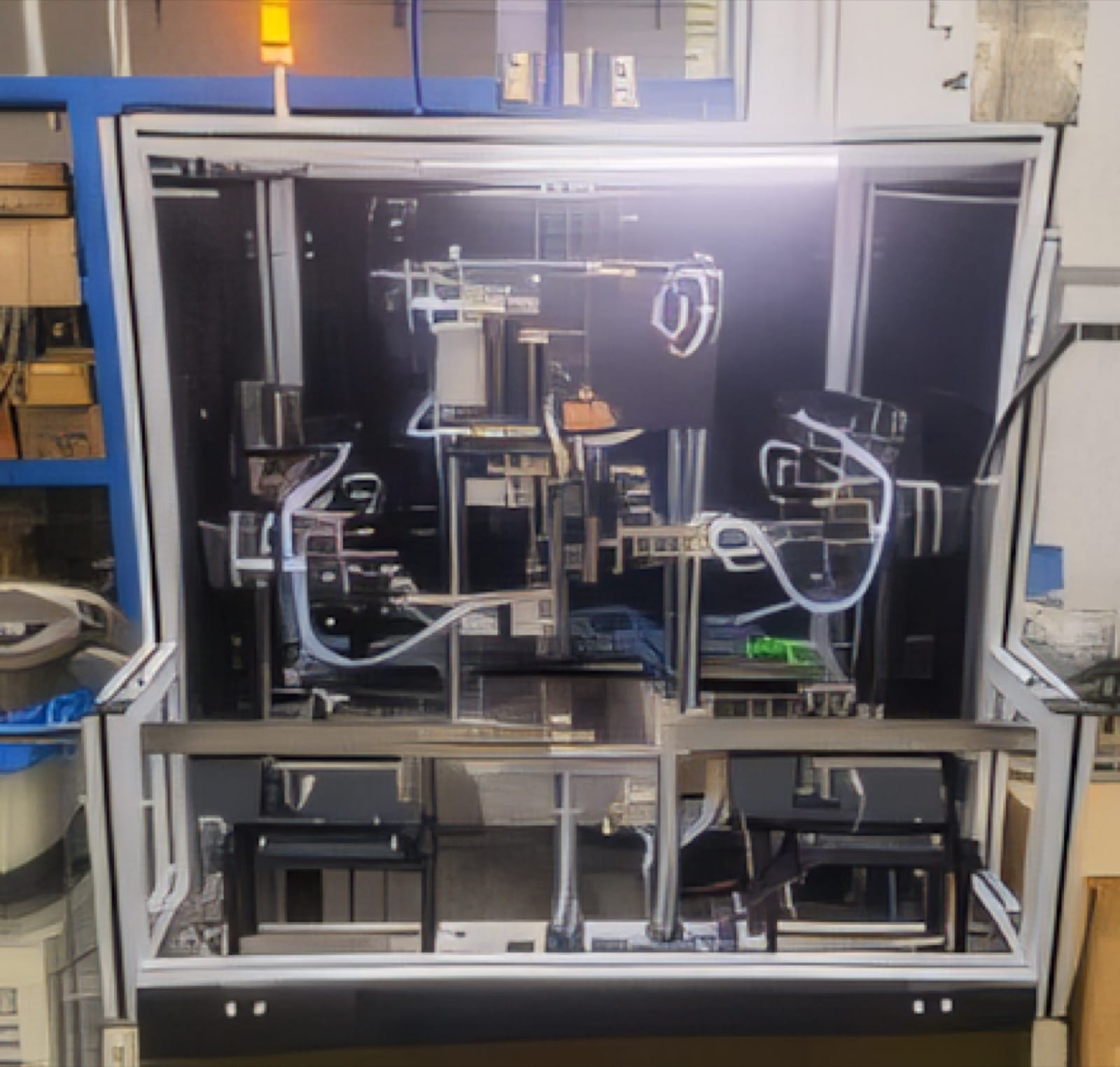
Look for a stable, costly constraint
A factory should automate coil production when a repeatable process limits output, quality or labour availability and the product family is stable enough to define tooling and acceptance. High demand helps, but stability and measurable pain matter just as much.
Common signals include a winding bottleneck, excessive handling between stations, operator-dependent quality, rising inspection effort or insufficient traceability. Document the current state before proposing equipment.
Check whether the process is ready
Automation will reproduce incoming variation unless materials and methods are controlled. Review bobbin dimensions, terminals, wire, tape, solder and test limits. Resolve unnecessary variants and unclear work instructions first.
The team also needs approved samples, drawings and a person who can make product decisions during trials. Without this ownership, equipment projects slow down or accept the wrong criteria.
- Demand and product mix are understood
- Materials and dimensions are controlled
- Quality limits and test methods are approved
- Maintenance and operator ownership are assigned
Choose the smallest useful automation step
If winding alone is the constraint, a CNC or multi-spindle machine may deliver the quickest return. If handling and recipe coordination create larger losses, integrated winding, taping, soldering and testing may be justified.
A staged plan can protect flexibility. Select standalone machines with future part datums, transfer direction and control interfaces in mind so they can become modules later.
Approve the project against measurable outcomes
Set targets for good output, first-pass yield, staffing, changeover and downtime recovery. Calculate ROI with realistic ramp-up, maintenance, tooling and support costs, then test conservative scenarios.
PME can help electrical and electronic component manufacturers compare coil manufacturing equipment and line architectures. The decision should follow a process study and sample trial, not a generic promise that automation always reduces cost.
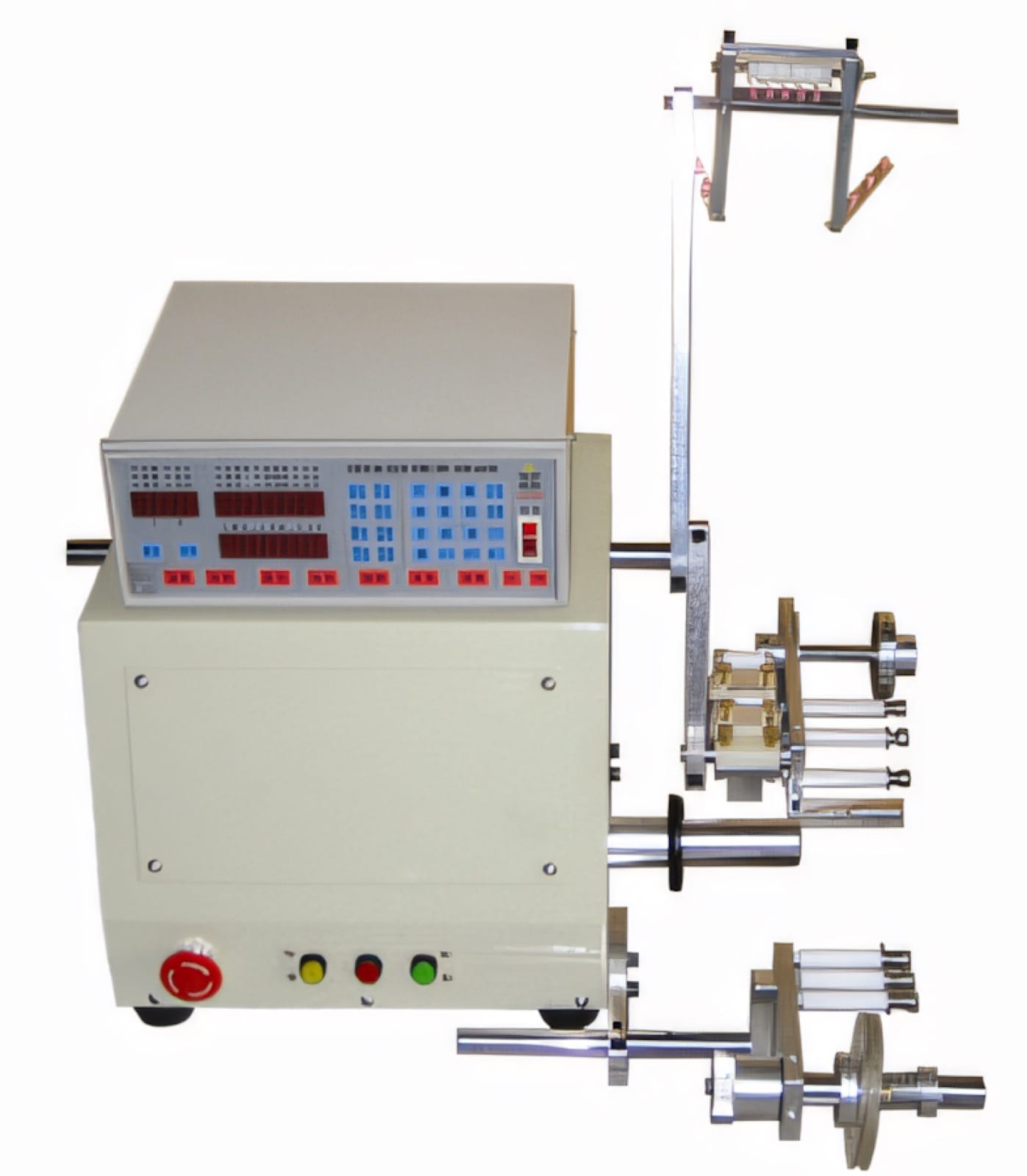
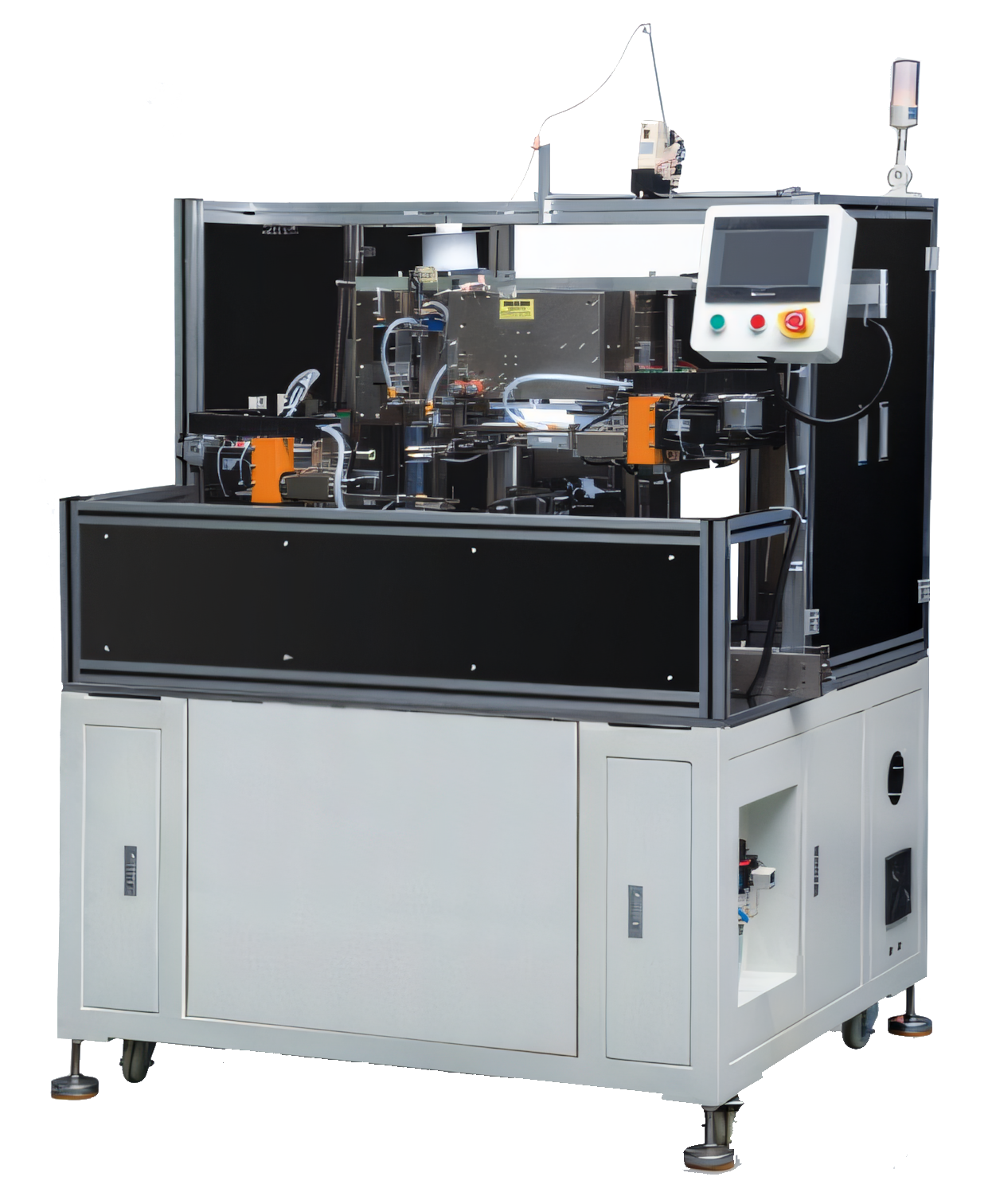
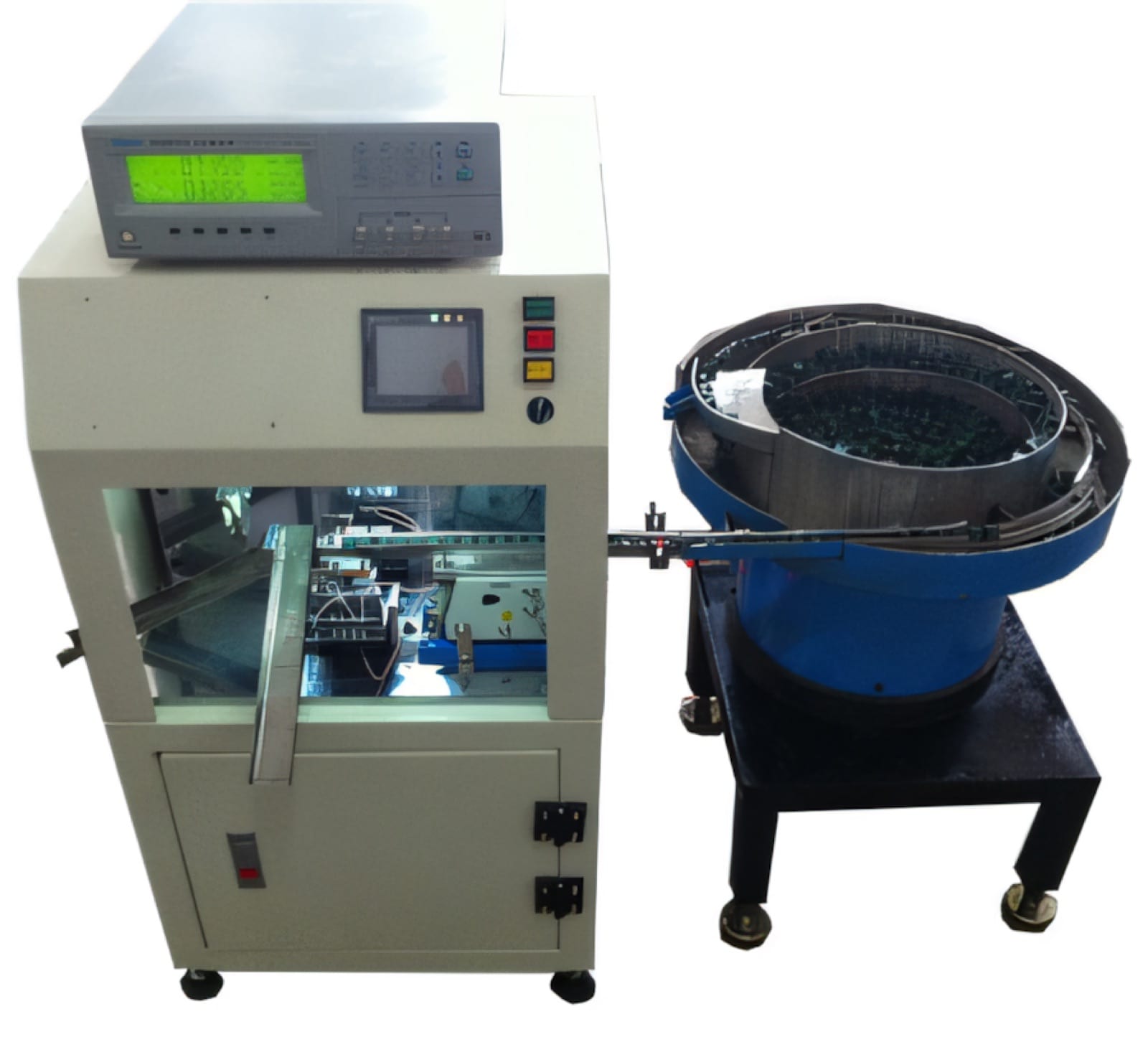
Relevant machinery for this process
Explore PME equipment that can support the operations discussed in this guide. Final machine selection should be confirmed against your component, materials and target output.
Plan the next step
Discuss your component and production target with PME.
Share a drawing, sample, current process and expected output. We can help map the right machines and level of integration.