
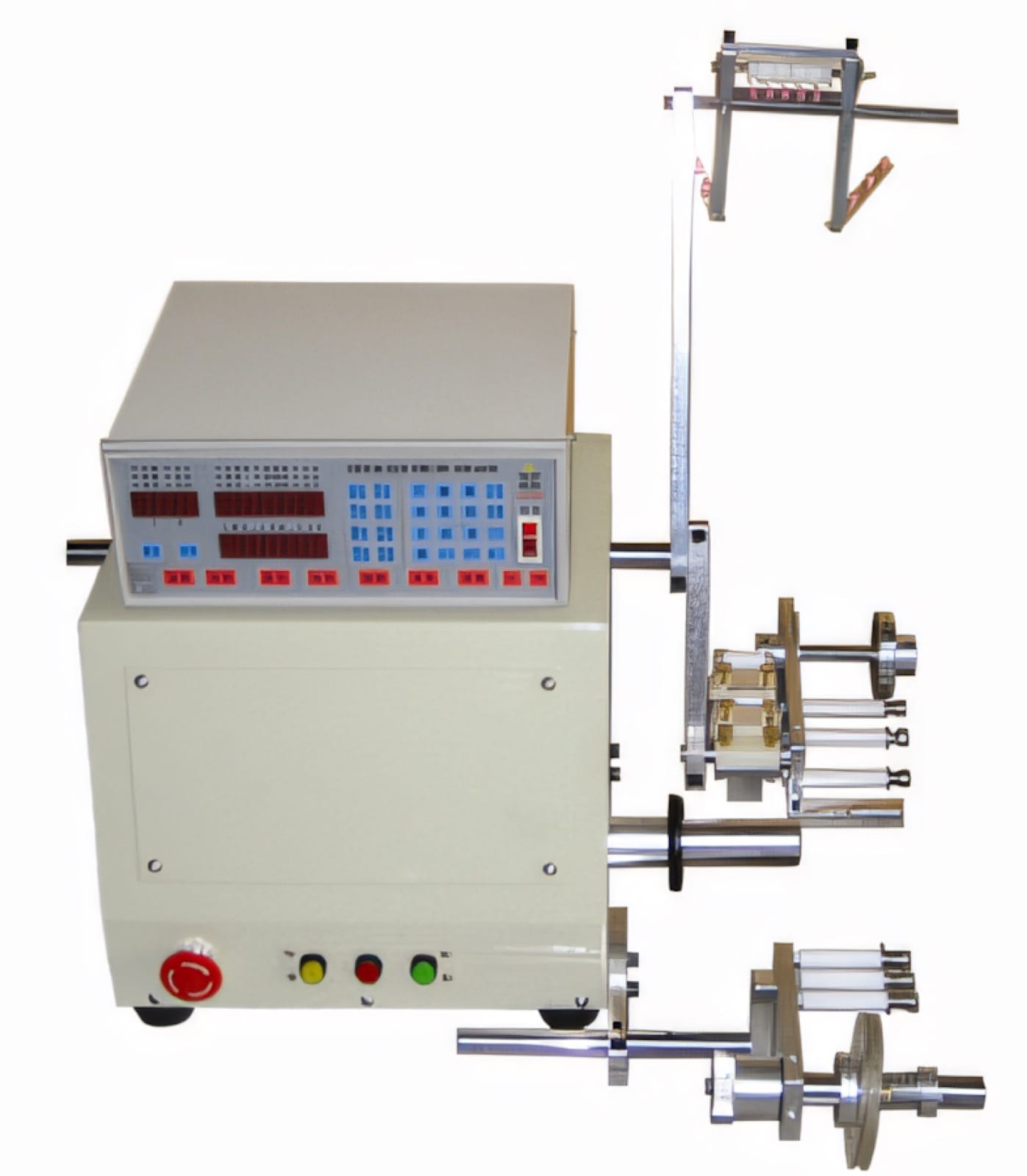
A standalone machine owns one defined process
A standalone winding machine receives a part and wire, produces a wound coil and returns it for the next operation. Loading, unloading and transfer may be manual or automated, but the machine is primarily responsible for winding quality and cycle.
This narrow boundary makes the equipment easier to install, move and repurpose. It also leaves the manufacturer responsible for balancing the surrounding operations.
A production line owns the flow between processes
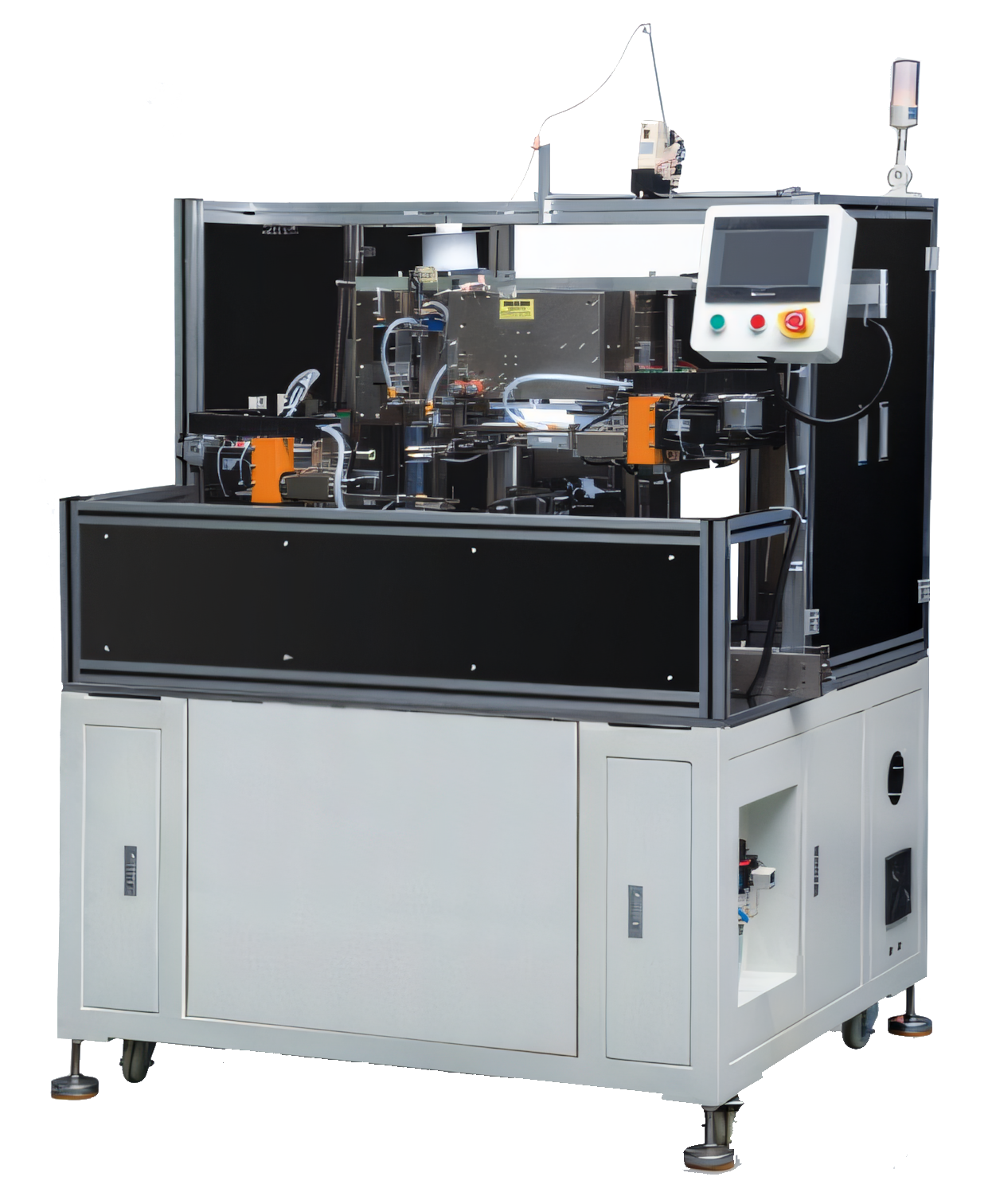
A complete line connects several operations such as loading, winding, taping, soldering and testing. It includes the transfer, common control and fault logic needed to keep those stations working as one system.
The line must manage part identity, recipe coordination, rejects and recovery across multiple machines. This creates greater overall control but requires a more stable product definition.
The commercial and engineering scope is different
With a standalone machine, acceptance can focus on one operation. A line requires agreement on total output, inter-station balance, material supply, finished handling and overall quality. Site preparation and cross-functional involvement are usually broader.
- Standalone: faster deployment and higher routing flexibility
- Complete line: lower transfer labour and stronger process coordination
- Standalone: easier process-by-process replacement
- Complete line: one integrated takt and data structure
Choose based on the constraint
If winding is the clear bottleneck and other operations are stable, a standalone machine may deliver the fastest benefit. If handling, queues, mixed recipes or inconsistent inspection are limiting the whole process, a connected line may solve the larger problem.
A future integration plan can preserve both options. Standardize part datum, communication and material-flow direction so a successful standalone station can become part of a later line.
Relevant machinery for this process
Explore PME equipment that can support the operations discussed in this guide. Final machine selection should be confirmed against your component, materials and target output.
Plan the next step
Discuss your component and production target with PME.
Share a drawing, sample, current process and expected output. We can help map the right machines and level of integration.