
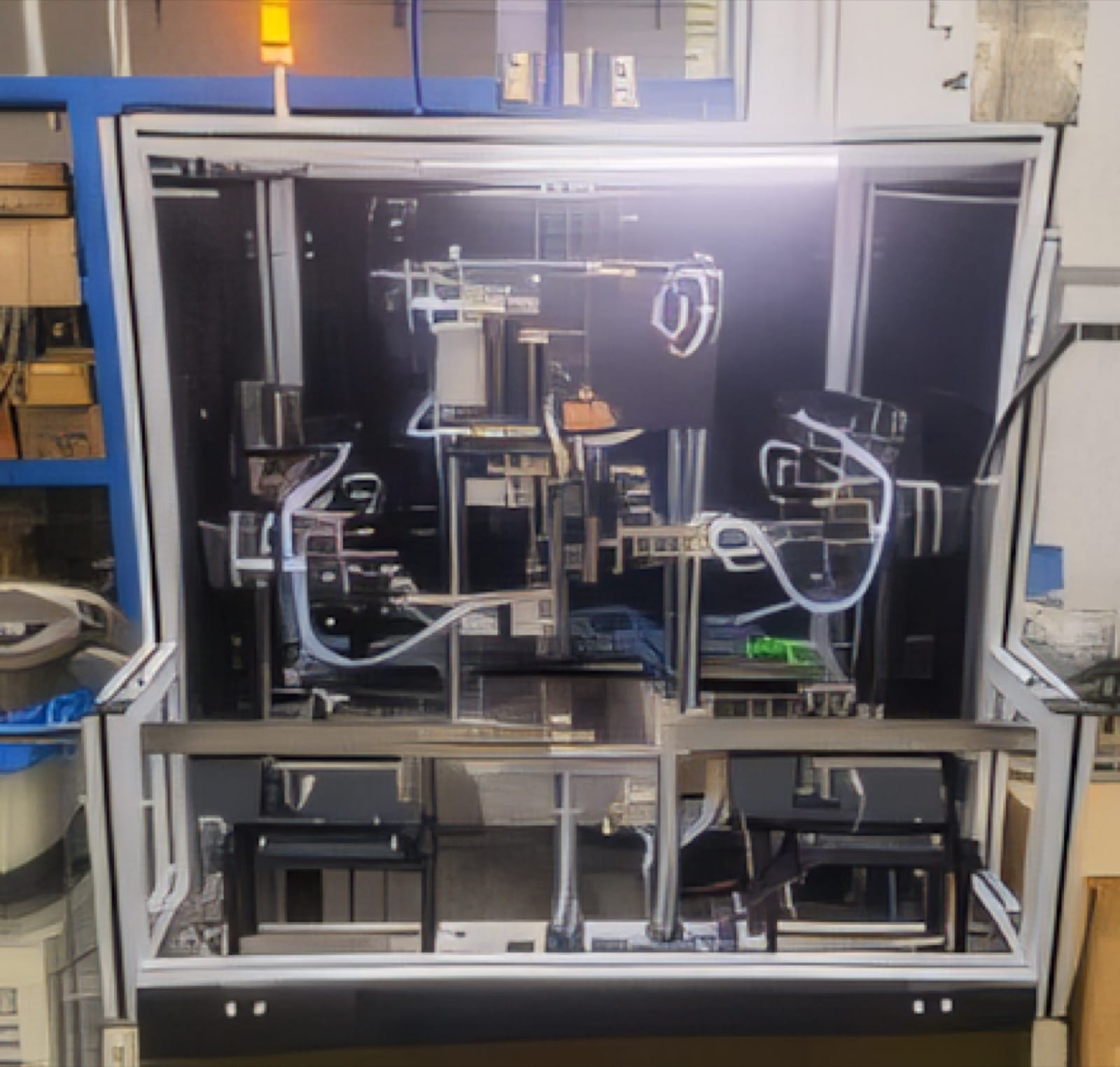
Measure touches rather than headcount
Start by counting every time an operator picks, positions, transfers, inspects or records a part. Repetitive touches are usually the clearest automation opportunities because they add labour without changing the product.
Separate skilled decisions from routine motions. The aim is to automate repeatable work while keeping people focused on replenishment, improvement and exception handling.
Remove handling around the main process
A fast winding machine will not reduce much labour if every part is still manually oriented, transferred, taped and presented for testing. Feeding, unloading and pass/fail separation should be considered alongside the core machine.
- Use trays, bowl feeding or guided nests for consistent loading
- Combine compatible operations in one cycle
- Transfer pass/fail status automatically
- Increase consumable capacity to reduce replenishment frequency
Standardize before automating
Variation in bobbins, terminals, wire position or incoming material can force manual correction. Work with suppliers and internal quality teams to define the range the automation must accept.
Reduce unnecessary product variants and align tooling datums where possible. Standardization often removes labour even before the machine is installed and makes automation more reliable afterward.
Track the new operator workload
After automation, measure replenishment, changeover, alarm response and inspection time. If multiple automated stations create overlapping tasks, the planned labour reduction may not be sustainable.
A successful project produces a calm, repeatable role with clear priorities. Validate it during a representative production run and revise feeder capacity, layout or recovery instructions where needed.
Relevant machinery for this process
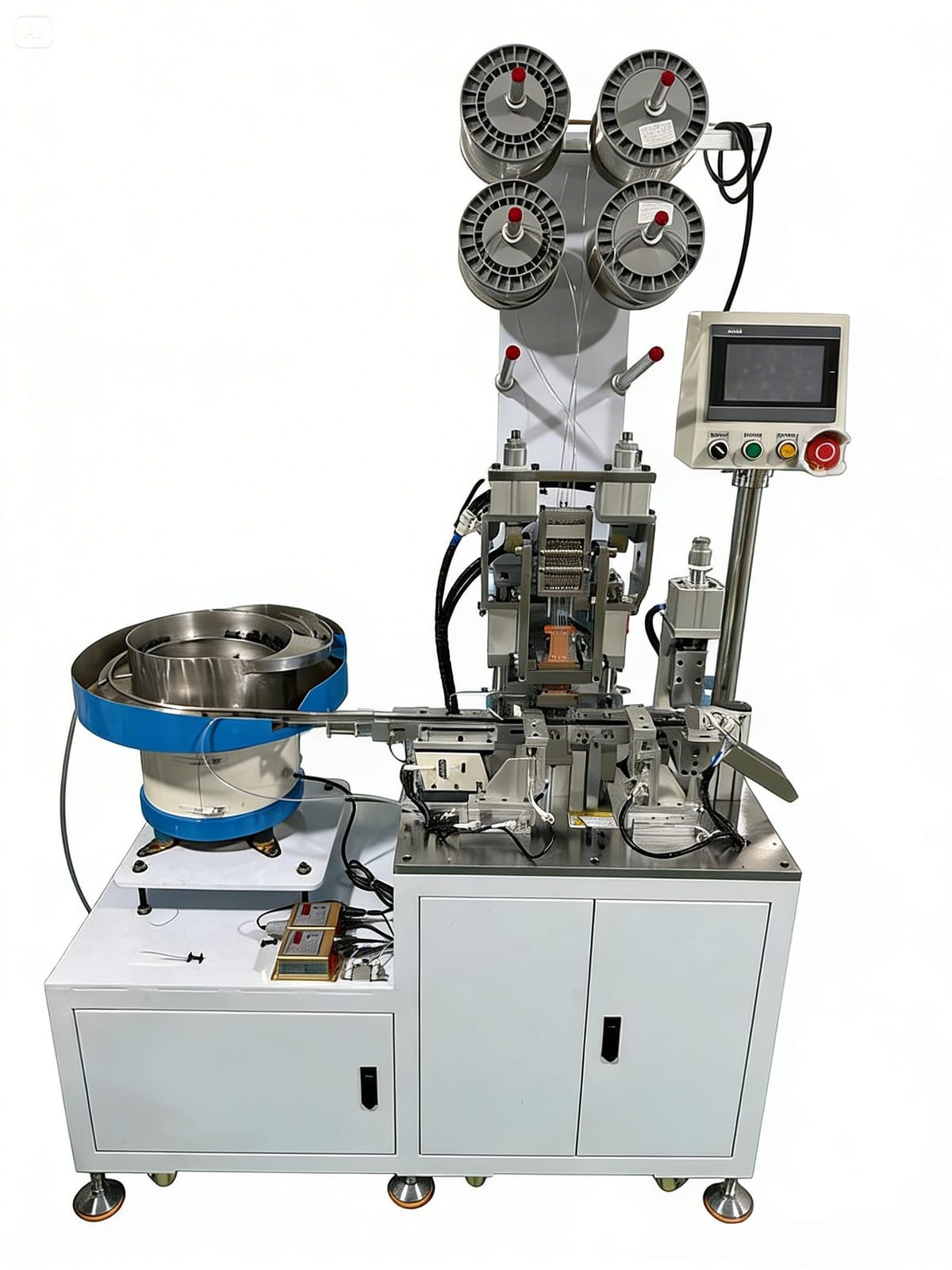
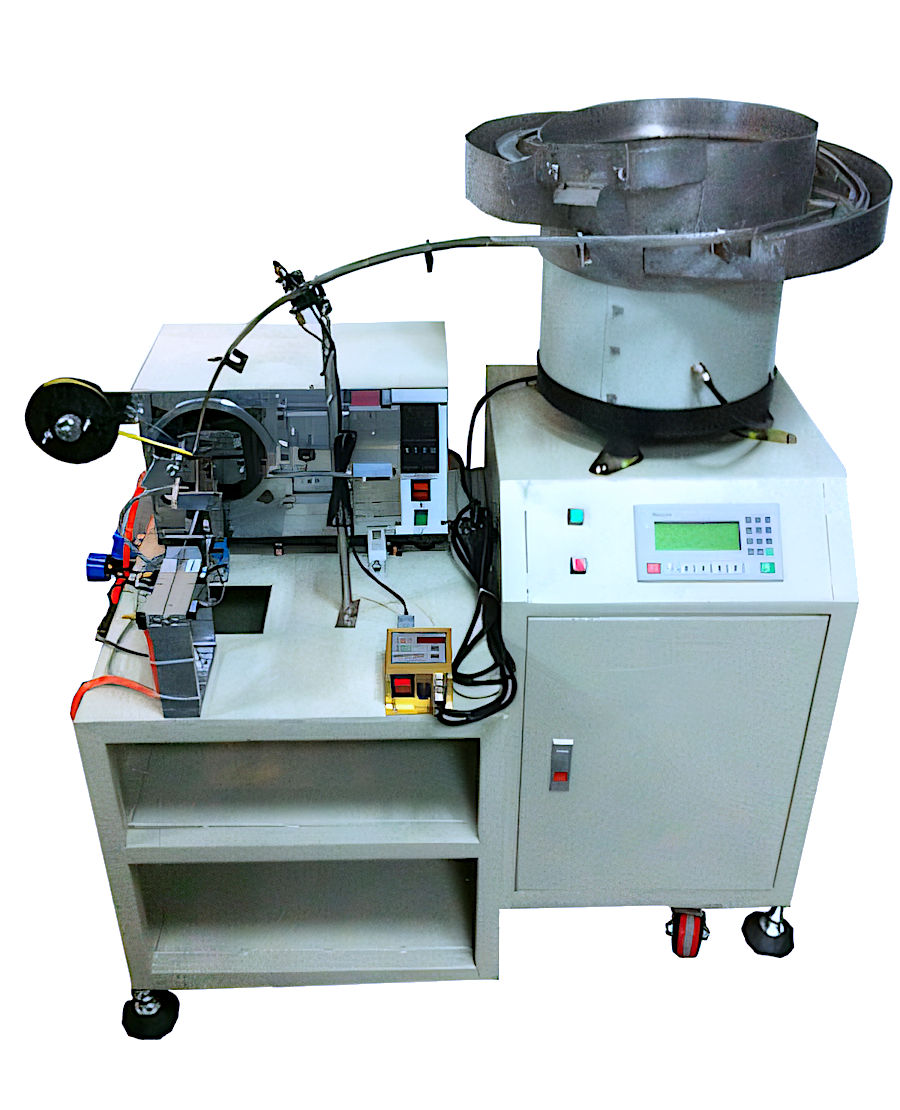
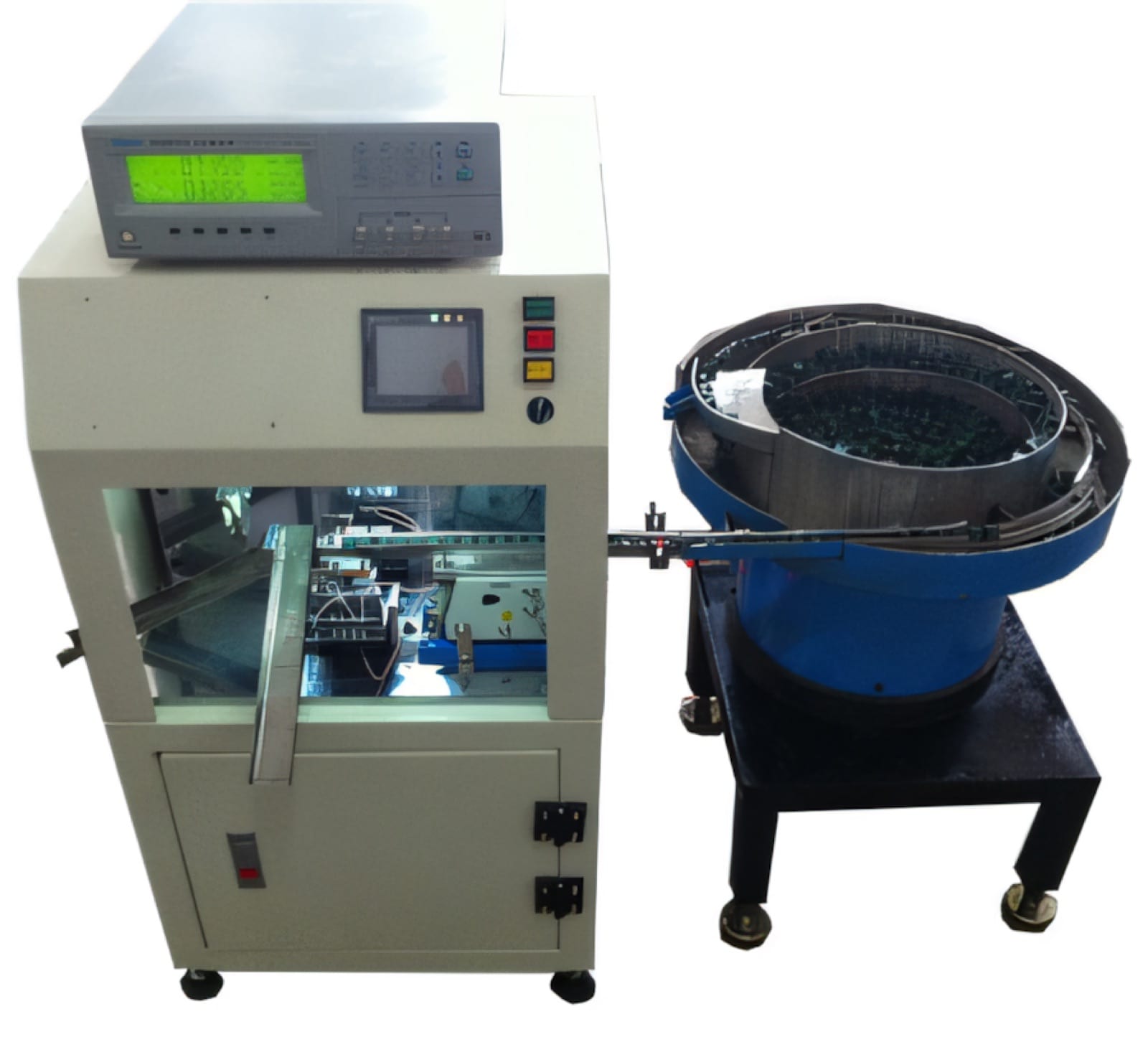
Explore PME equipment that can support the operations discussed in this guide. Final machine selection should be confirmed against your component, materials and target output.
Plan the next step
Discuss your component and production target with PME.
Share a drawing, sample, current process and expected output. We can help map the right machines and level of integration.