
Build the ROI model from the current process
Return on investment should begin with measured production data. Record direct labour by shift, actual output, first-pass yield, scrap, rework, overtime, downtime and work-in-process. Use several representative weeks rather than one unusually good or bad day.
The automated case should use a realistic ramp-up curve. Include planned maintenance, replenishment, changeover, operator breaks and the time needed to recover from normal faults.
Count every recurring benefit
Labour reduction is only one source of value. Automation can add sellable capacity, reduce variation, improve test coverage and lower the amount of material waiting between processes. These benefits should be valued separately so the model remains understandable.
- Direct labour hours reassigned or avoided
- Additional good parts produced within available shifts
- Lower scrap, rework and inspection effort
- Reduced work-in-process and handling
- Avoided overtime or future expansion cost
Include the full investment
The investment side should include the machine or line, tooling, integration, utilities, site preparation, training, validation, initial spares and internal engineering time. If a new product will require future tooling, include a reasonable changeover allowance.
A simple payback calculation divides the total implemented investment by the annual recurring benefit. A fuller financial model can add depreciation, financing, tax treatment and the time value of money.
Test the result with conservative scenarios
Run the model with lower volume, slower ramp-up and smaller labour savings. Also test an upside case where the line releases capacity that can actually be sold. The decision is stronger when it remains attractive under the conservative case.
PM Electronics recommends confirming the model against the proposed cycle time, staffing plan and acceptance criteria before placing an order. ROI should be tied to a defined production system, not a generic automation percentage.
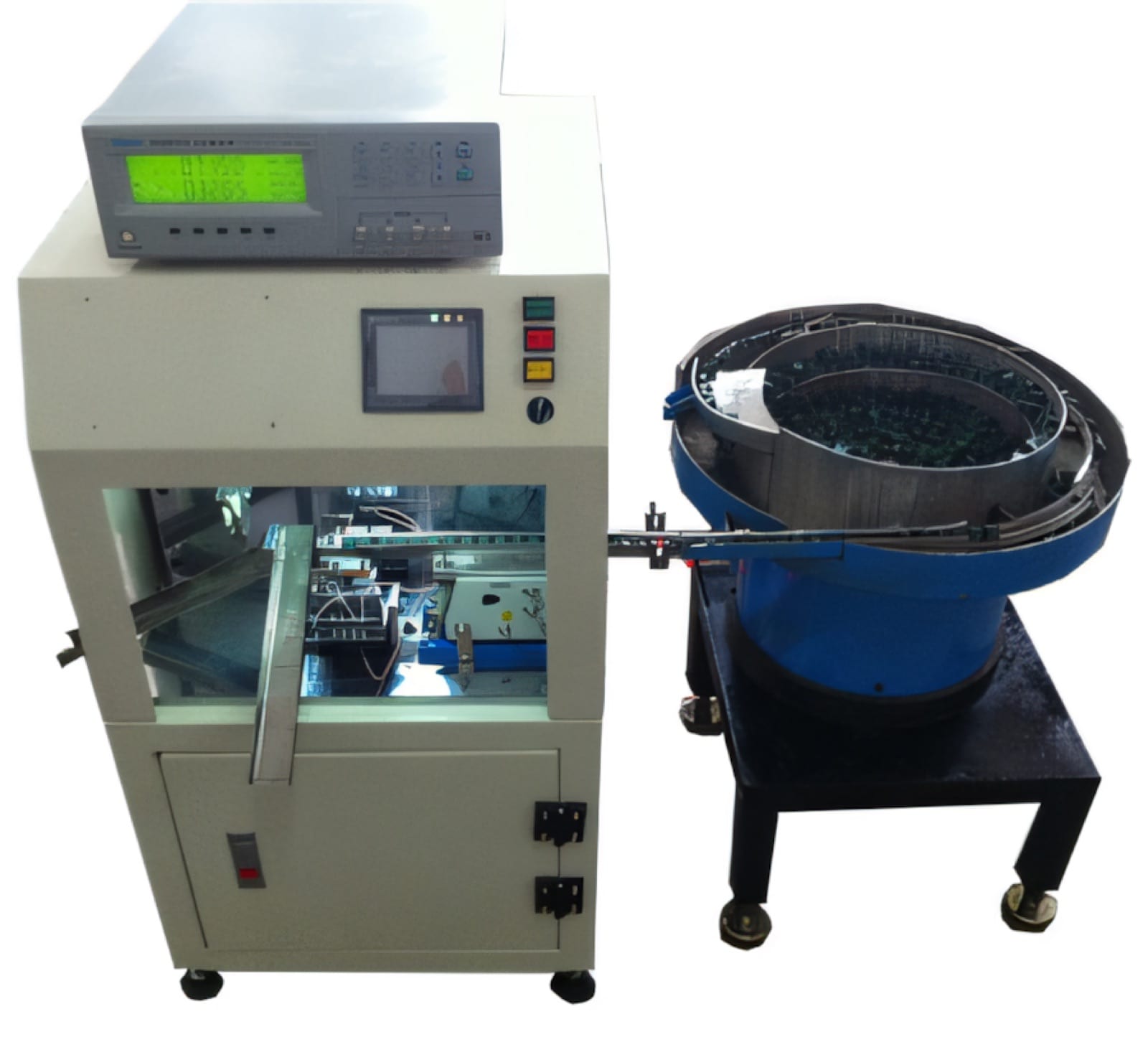
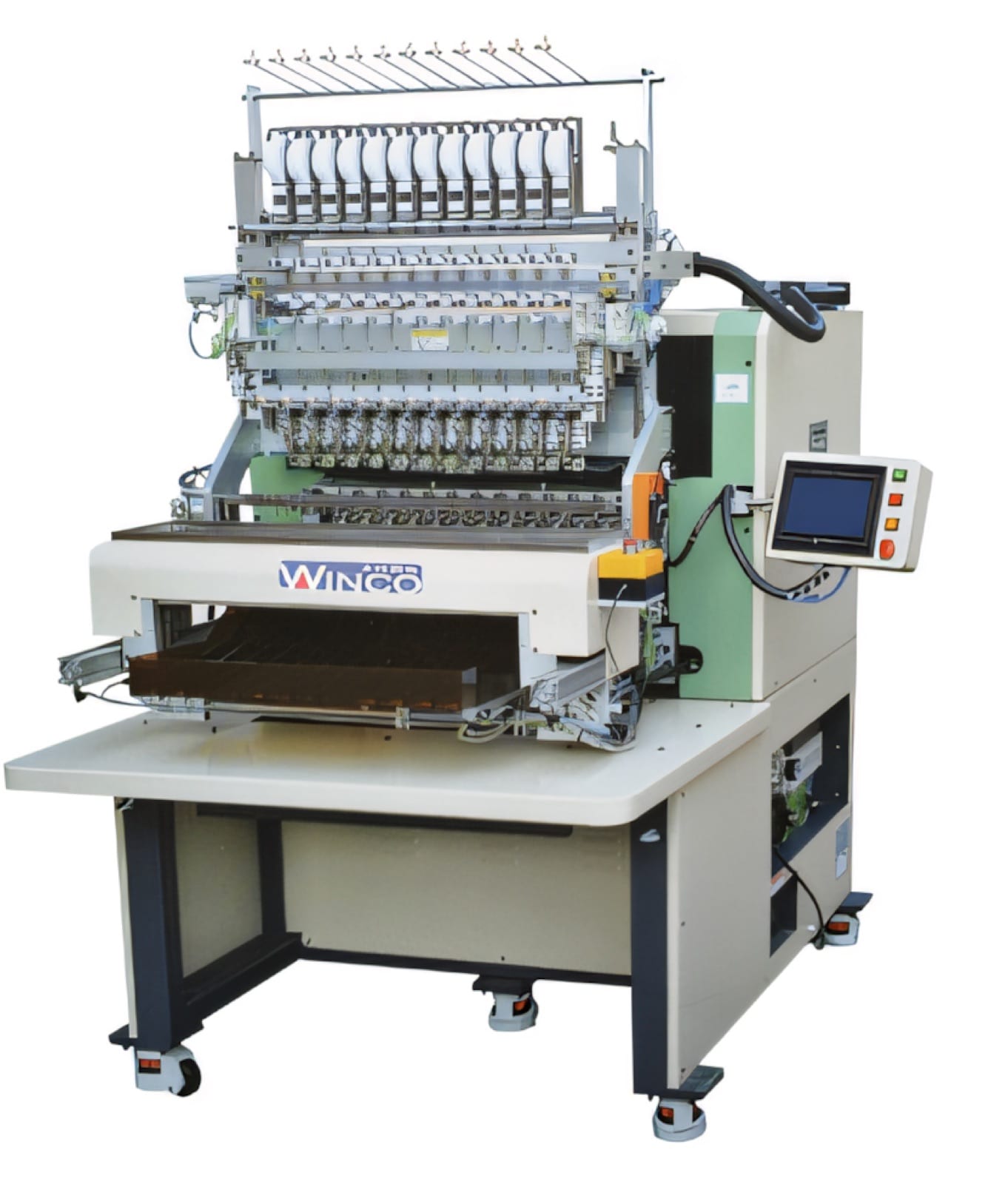
Relevant machinery for this process
Explore PME equipment that can support the operations discussed in this guide. Final machine selection should be confirmed against your component, materials and target output.
Plan the next step
Discuss your component and production target with PME.
Share a drawing, sample, current process and expected output. We can help map the right machines and level of integration.