
Separate coil production from final relay assembly
The relay manufacturing process includes coil preparation as well as magnetic and contact assembly. For automation planning, define the boundary clearly: bobbin pin insertion, relay coil winding, termination, soldering and coil testing may form one controlled module before the yoke, armature, spring and contact system are assembled.
This separation makes capacity and quality easier to analyse. It also identifies whether the immediate need is a relay coil production process or a complete automatic relay production line.
Prepare the bobbin and terminals
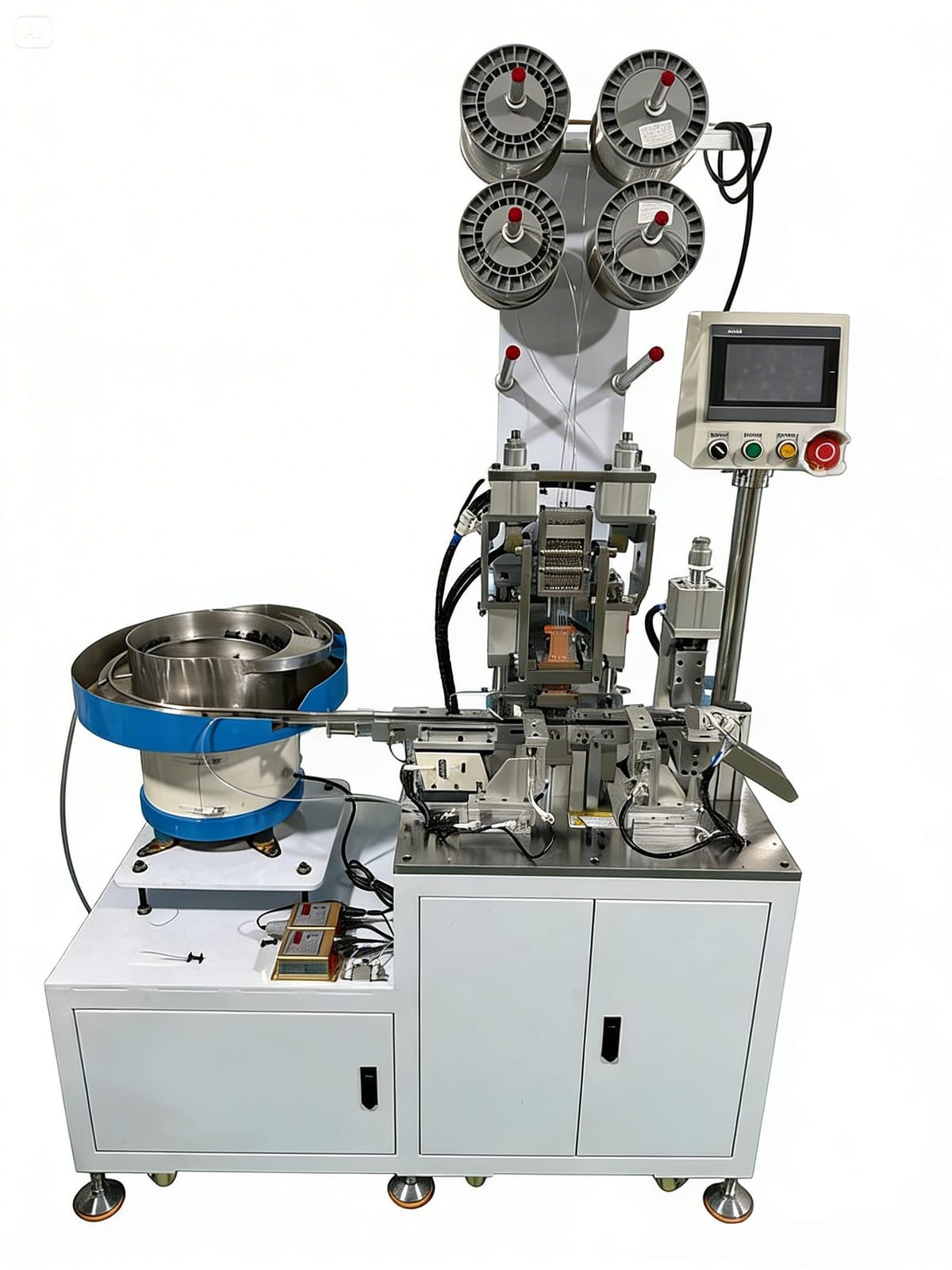
Consistent pin position is essential because later winding, soldering and testing tools reference the terminals. A bobbin pin insertion machine may use manual loading for flexible work or a bowl feeder for higher-volume repeat production. Pin presence, insertion depth and orientation should be checked before winding.
Incoming bobbin variation must be included in the equipment study. Warpage, flash and dimensional variation can affect feeding, insertion force and winding alignment even when the nominal drawing is correct.
Wind, terminate and solder the relay coil
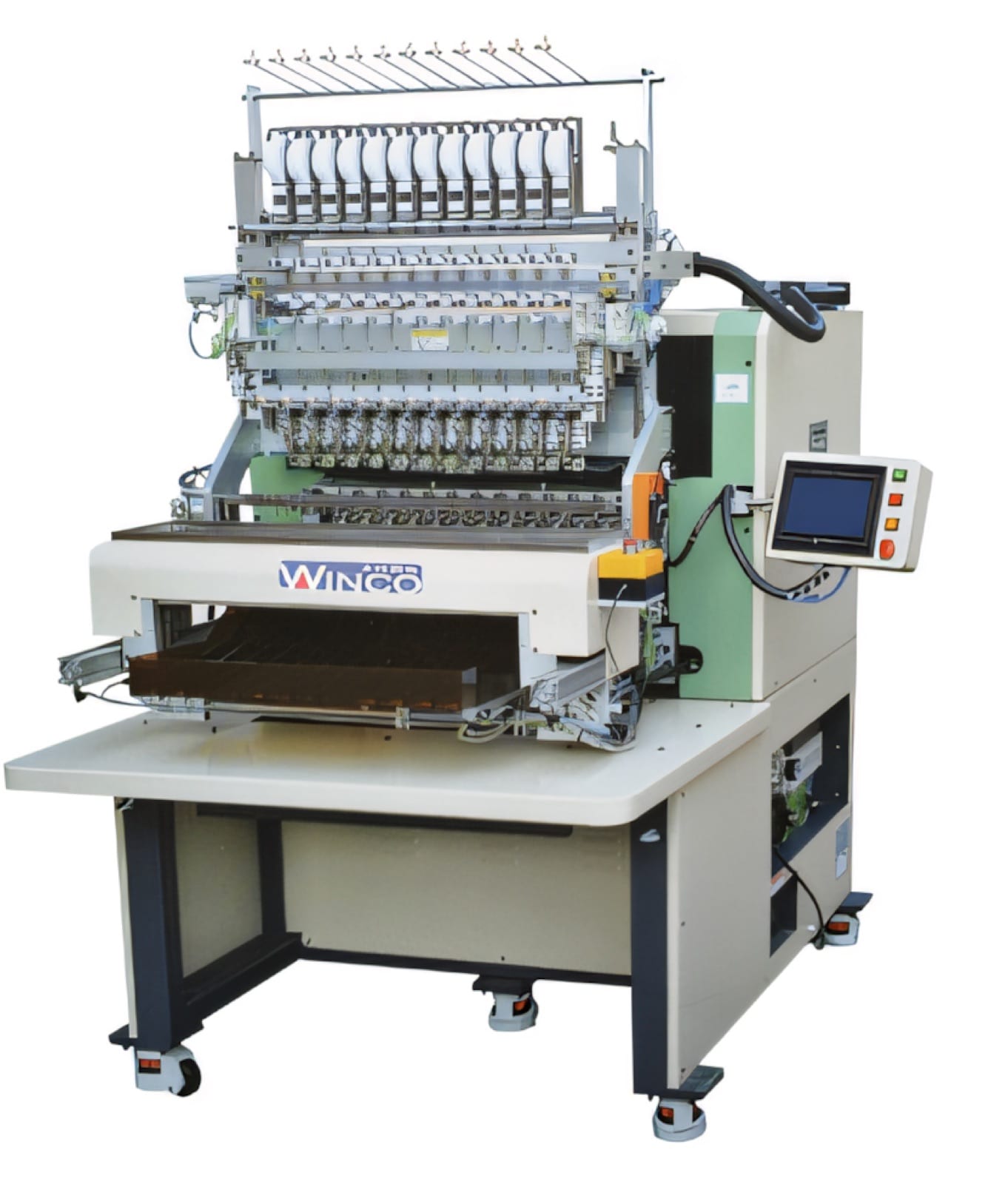
A relay coil winding machine controls turns, wire placement and tension, then presents start and finish wires for terminal connection. Multi-spindle systems are attractive when identical coils can be processed in parallel; integrated handling becomes valuable when fine wire is vulnerable during manual transfer.
Automatic dip soldering can stabilize fluxing, immersion position and dwell time. The fixture must protect the bobbin and maintain terminal presentation while allowing routine cleaning and product changeover.
- Link the winding and soldering recipes
- Protect fine wire between operations
- Check terminal contact before electrical testing
- Separate failed coils from accepted output
Use testing as an in-line production decision
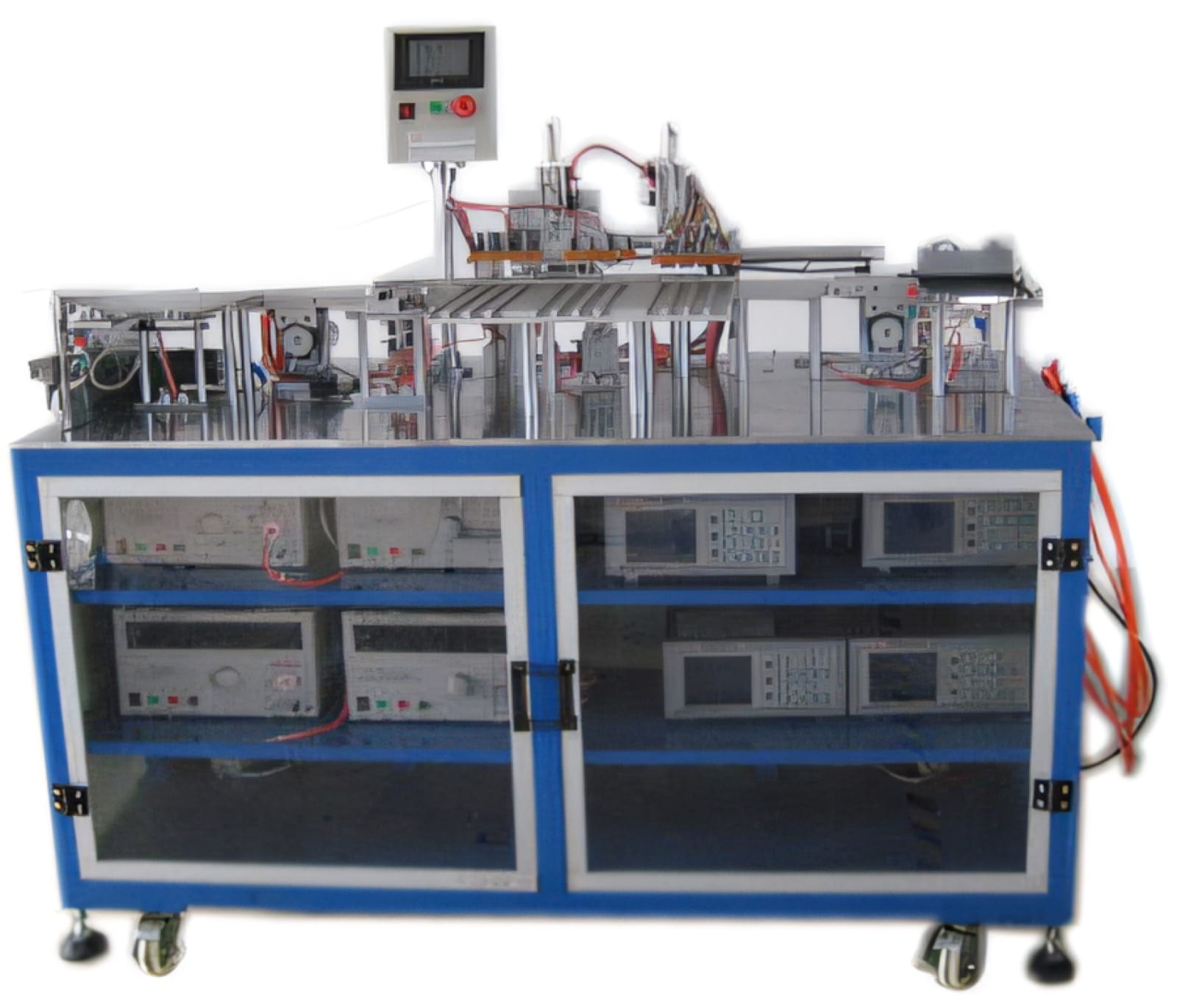
A relay coil testing process may verify resistance, continuity and other product-specific limits before final assembly. Automatic feeding and secure rejection reduce the risk of an untested or failed coil returning to good production.
PME offers insertion, winding, dip soldering and fully automatic relay testing machinery that can be specified individually or as modules in relay manufacturing automation. Final selection should follow sample trials and agreed acceptance criteria.
Relevant machinery for this process
Explore PME equipment that can support the operations discussed in this guide. Final machine selection should be confirmed against your component, materials and target output.
Plan the next step
Discuss your component and production target with PME.
Share a drawing, sample, current process and expected output. We can help map the right machines and level of integration.