
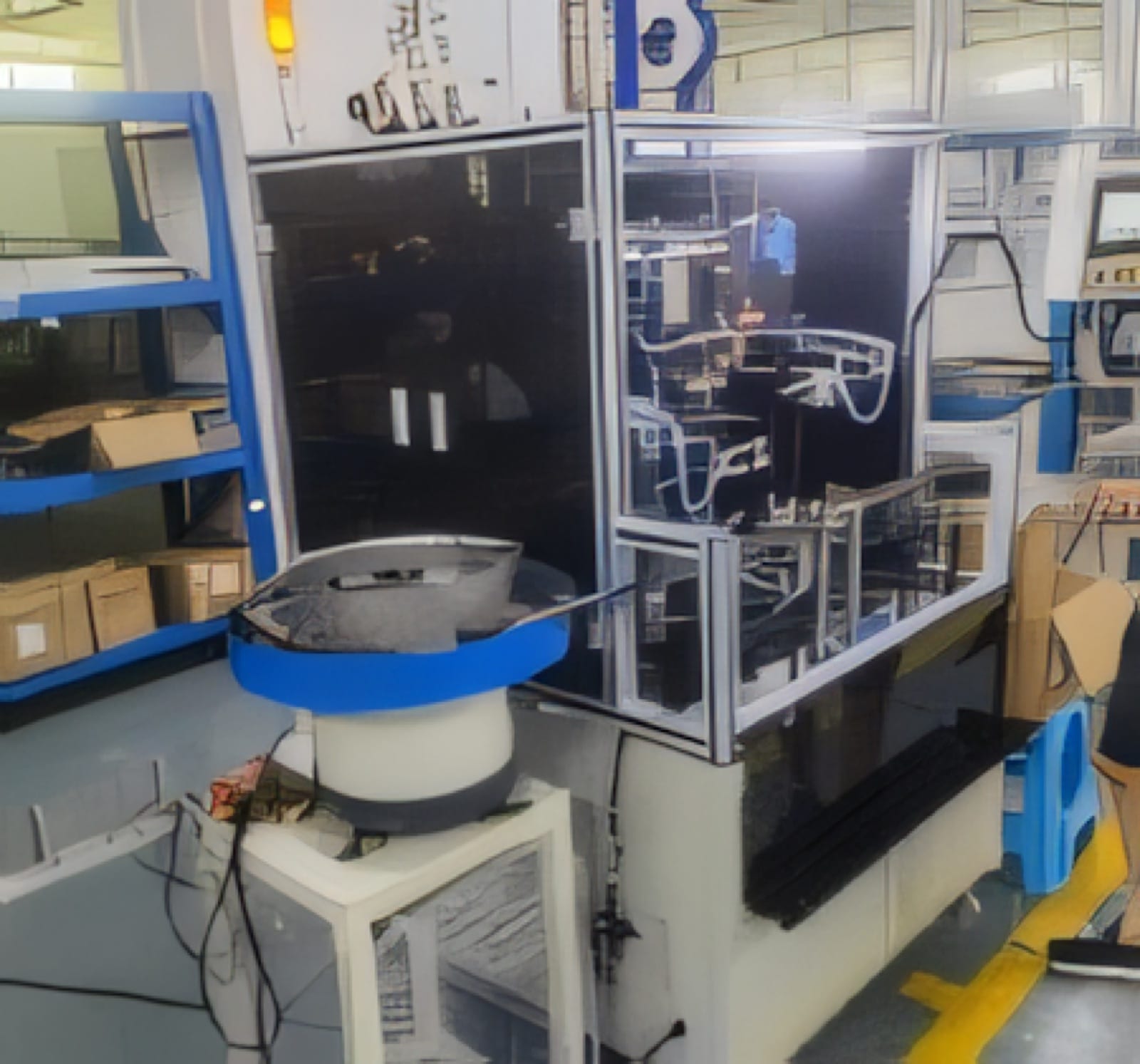
Freeze the test plan before the FAT
A factory acceptance test should demonstrate that the complete machine operates against the agreed functional specification before shipment. The test document needs clear steps, expected results and pass criteria that can be signed by the supplier and buyer.
Agree the product variants, materials, quantities and test duration in advance. If production samples or consumables are missing, the FAT may prove only empty machine motion. Record approved substitutions and any tests that must move to site acceptance.
- Referenced requirement for every test
- Named witness and responsibility
- Objective pass or fail criteria
- Method for recording open actions
Prove normal production and quality
Run the machine from startup through normal automatic production with representative parts. Measure good output over an agreed period, not a single best cycle. Include normal replenishment, unloading and operator checks so the result reflects how the system will actually be used.
Inspect the product using the approved method. For a winding line, that may include turns, tension-related appearance and electrical results; for soldering, joint criteria and immersion control; for dispensing, deposit and cure. Tie machine performance to good parts rather than motion speed alone.
Test alarms, faults and recovery
Create controlled events such as a missing part, empty feeder, open guard, failed test, material end and loss of a permitted utility. Confirm that the machine reaches the intended state, identifies the cause clearly and prevents unprocessed product from being accepted.
Ask the intended operator to recover the machine using the instructions and HMI. Recovery that depends on the original programmer’s memory is not ready for production. Record access levels, recipe protection and backup or restore behaviour.
Close documentation and action items before shipment
Review drawings, manuals, parts lists, software backups, calibration records, certificates agreed in the purchase scope and training material. Confirm machine and tooling identification, utilities and site-preparation details. Photograph shipment-sensitive settings where that supports reassembly.
List every deviation with an owner, due date and closure evidence. Decide which items block shipment and which can be completed at site. PME recommends treating FAT as a planned project milestone tied to the approved component and requirements, not a last-minute demonstration.
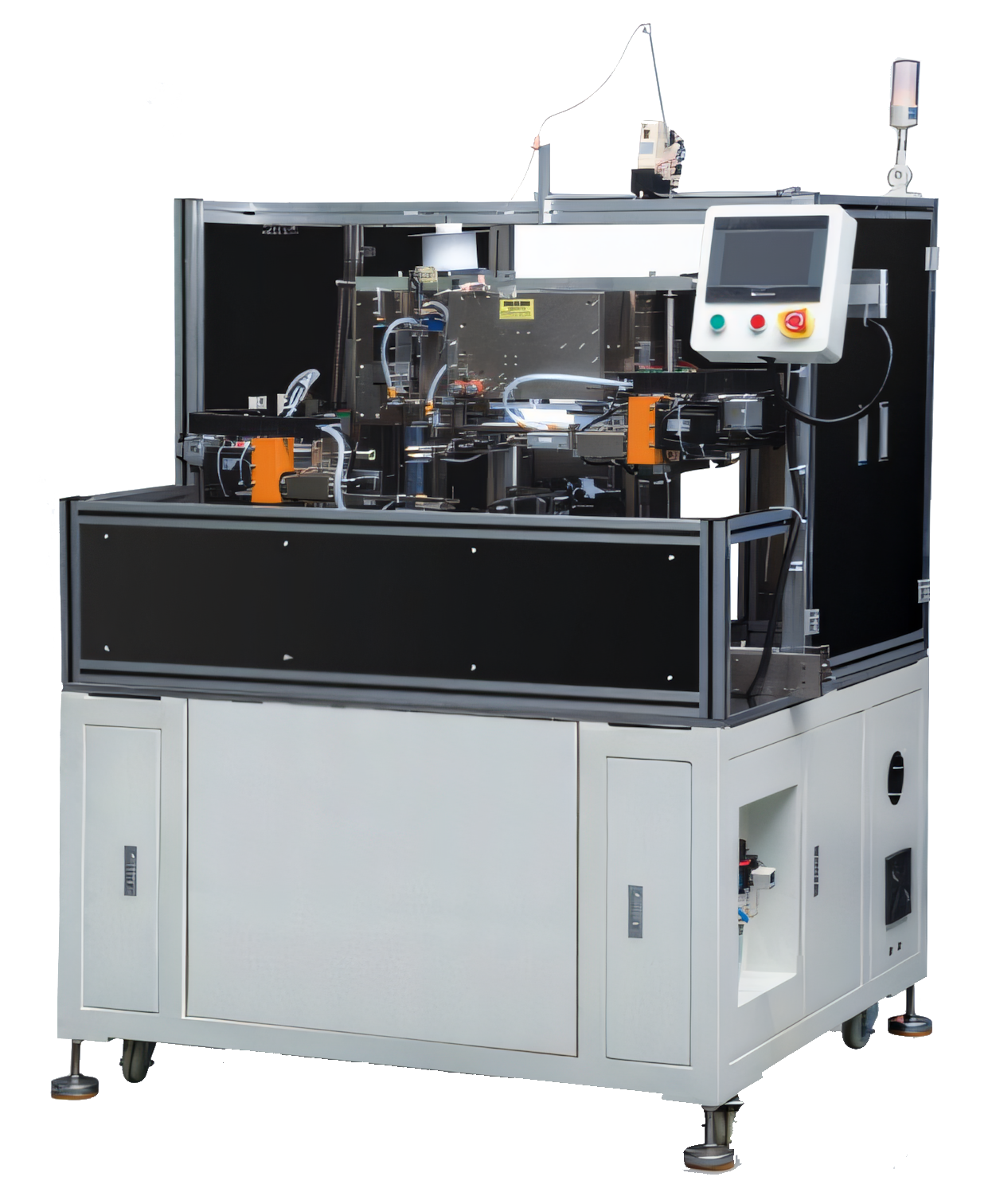
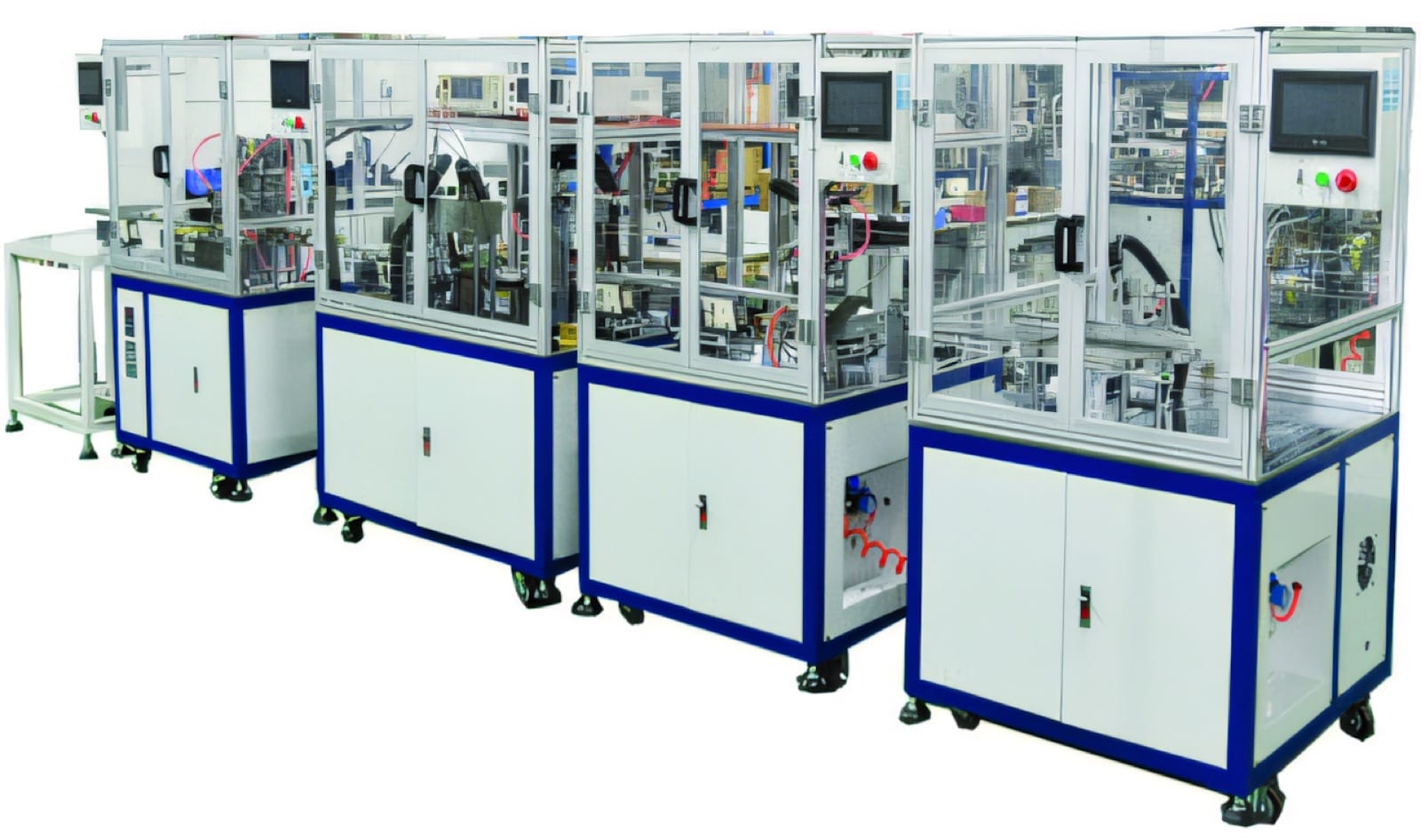
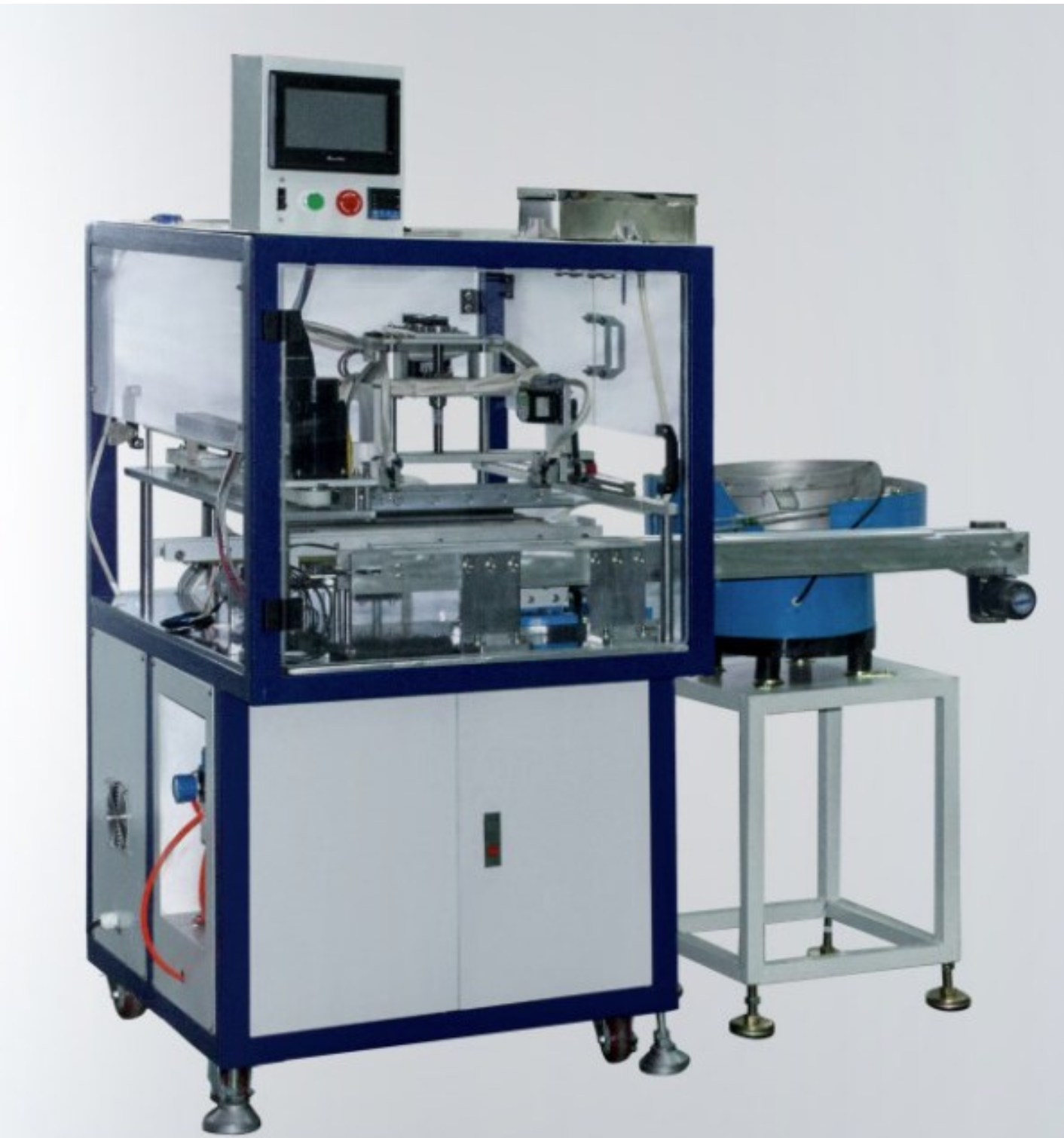
Relevant machinery for this process
Explore PME equipment that can support the operations discussed in this guide. Final machine selection should be confirmed against your component, materials and target output.
Plan the next step
Discuss your component and production target with PME.
Share a drawing, sample, current process and expected output. We can help map the right machines and level of integration.