
Define the joint and allowable process window
An automatic coil soldering machine should be configured around terminal material, magnet-wire preparation, flux, solder alloy, immersion depth, dwell time and acceptable joint appearance. Heat limits for the bobbin and nearby insulation must also be documented.
Use approved samples and destructive or electrical checks where required. A shiny joint alone does not prove wetting, mechanical strength or enamel removal.
Control fluxing and dip soldering
Flux quantity and coverage influence wetting and residue. The fixture must present terminals at a repeatable angle and depth, then move through the solder in a controlled cycle. Temperature should be monitored at the working bath, with a defined response when it leaves limits.
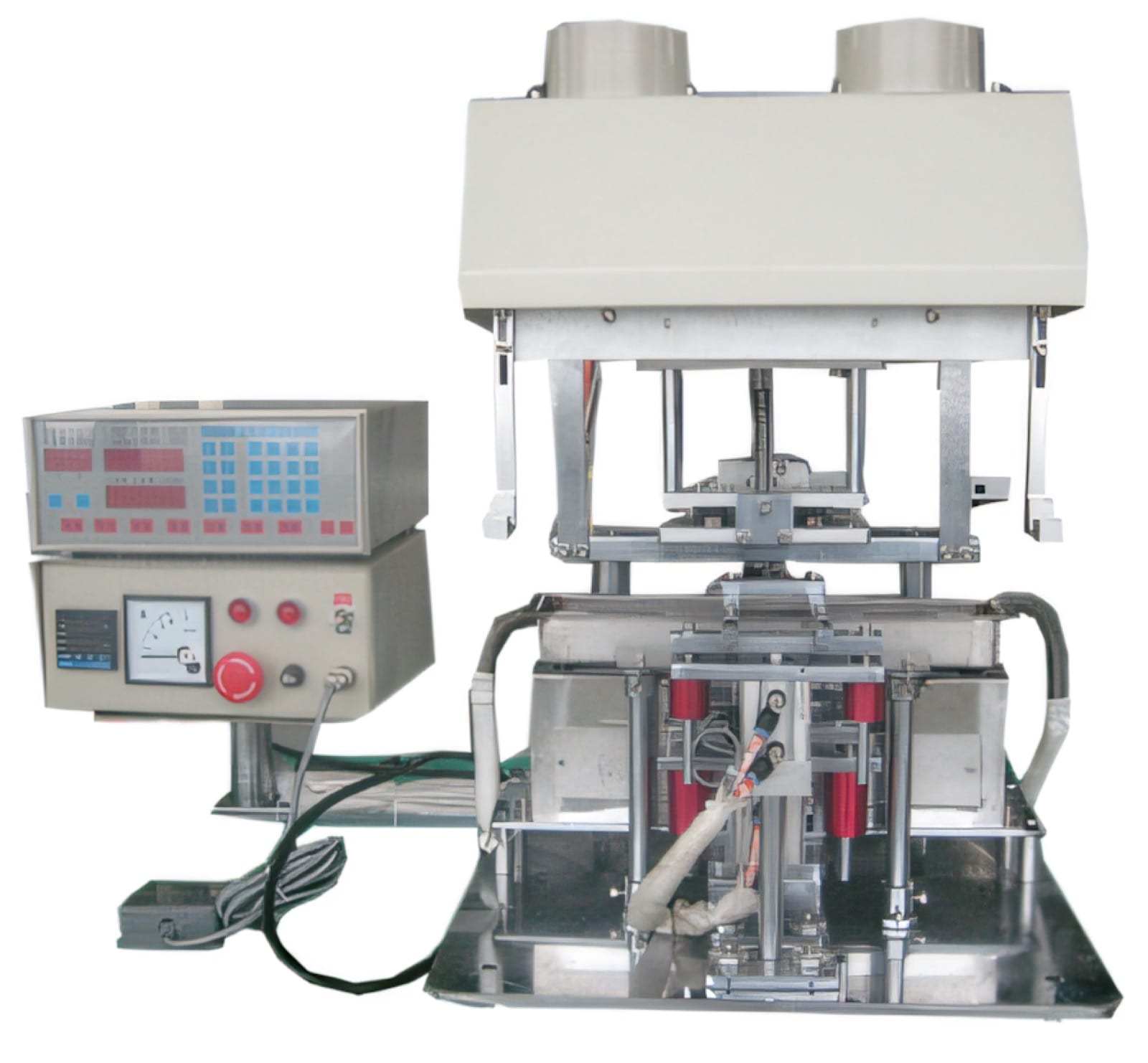
Automatic fluxing and soldering equipment can combine the steps, while multi-station or conveyor systems can increase output. The correct arrangement depends on cycle time, cooling, cleaning and the number of part variants.
- Terminal preparation and flux compatibility
- Solder temperature, depth and dwell
- Fixture material and maintenance
- Fume extraction and operator protection
Design fixtures for quality and maintenance
The fixture should hold parts securely without hiding the joint or trapping excessive heat. It needs repeatable datums, easy loading and access for cleaning. Flux residue and solder buildup can gradually shift part position if maintenance is not planned.
Where an automatic dip soldering machine runs in-line, make reject and recovery paths explicit. A missing part, low bath temperature or incomplete cycle should not be recorded as good production.
Integrate with winding and testing
A coil winding and soldering machine or connected line should preserve lead position between processes and link both recipes. Electrical testing after the joint stabilizes can catch opens, shorts and resistance problems before additional assembly value is added.
PME offers manual-load, PLC, bowl-fed, multi-station and CNC in-line soldering solutions. Sample trials help determine fixture design, cycle, solder quality and the most suitable level of automation.
Relevant machinery for this process
Explore PME equipment that can support the operations discussed in this guide. Final machine selection should be confirmed against your component, materials and target output.
 PME AUTOMATION
Auto Flux and Dip Soldering Machine
View machine ↗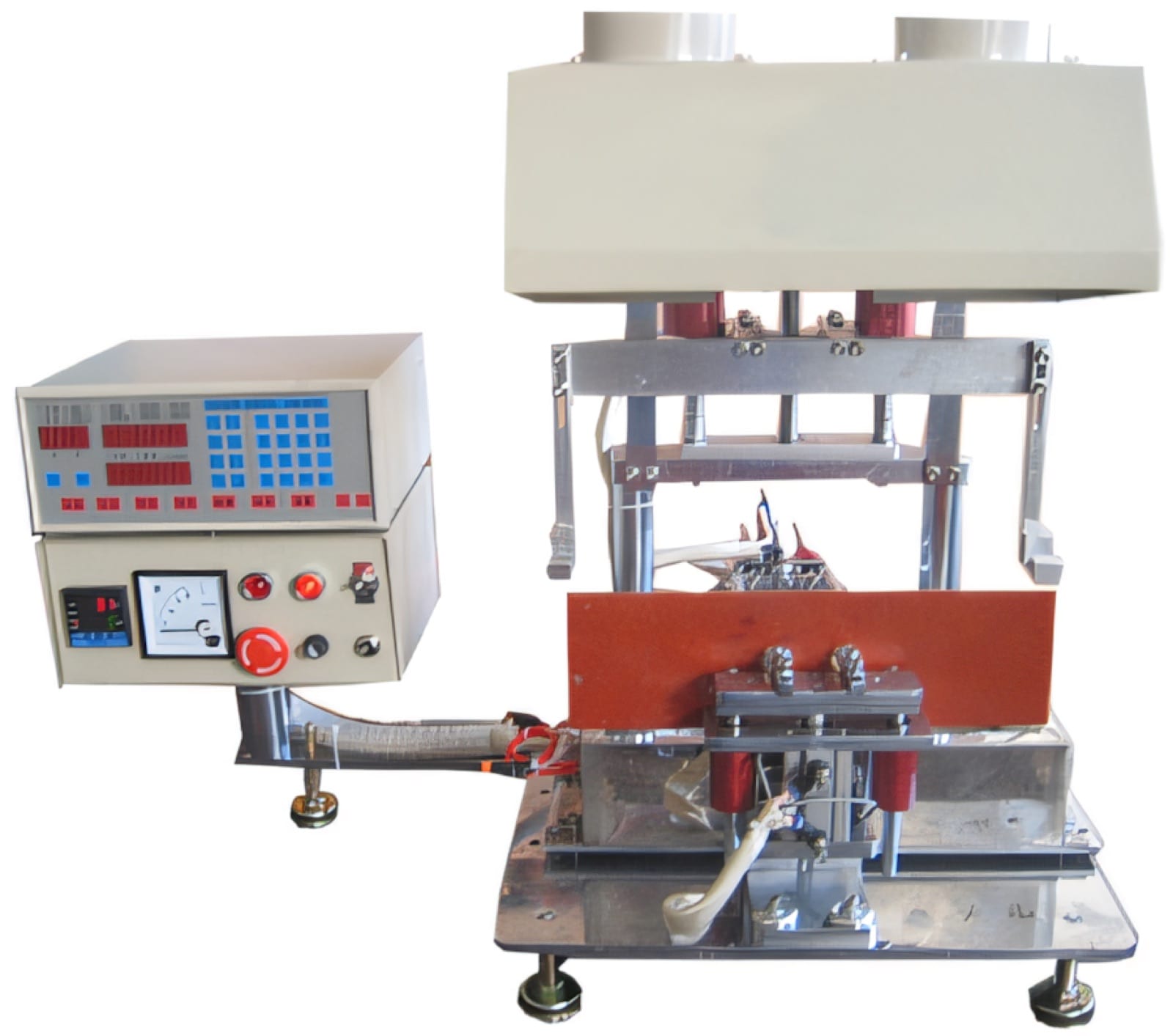 PME AUTOMATION
CNC In-line Auto Dip Soldering Machine
View machine ↗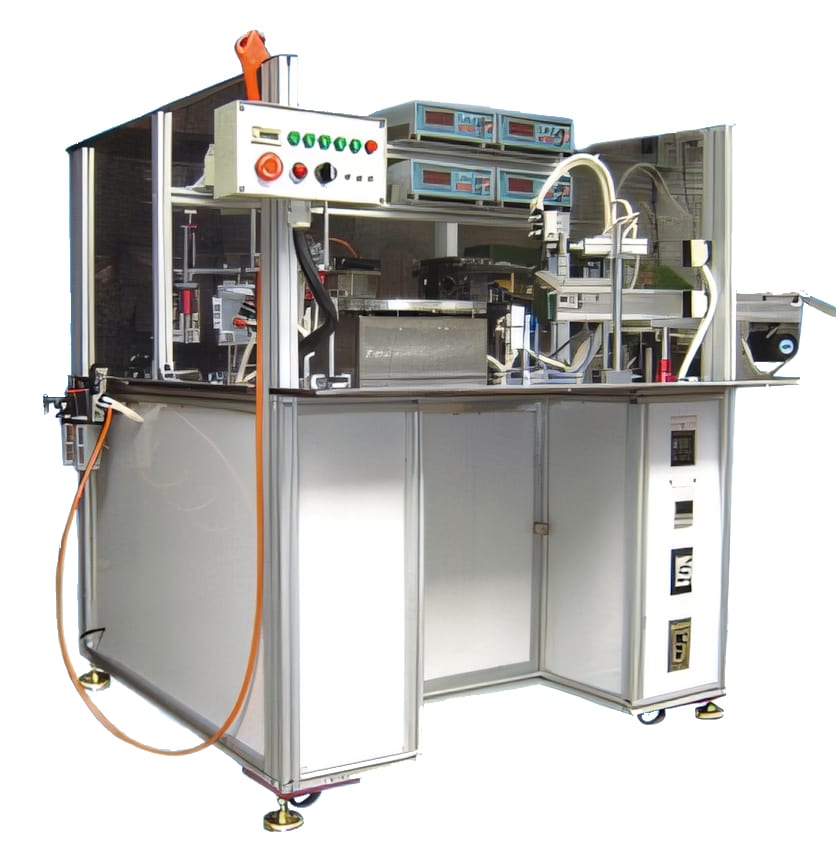 PME AUTOMATION
Six Station Auto Dip Soldering Machine
View machine ↗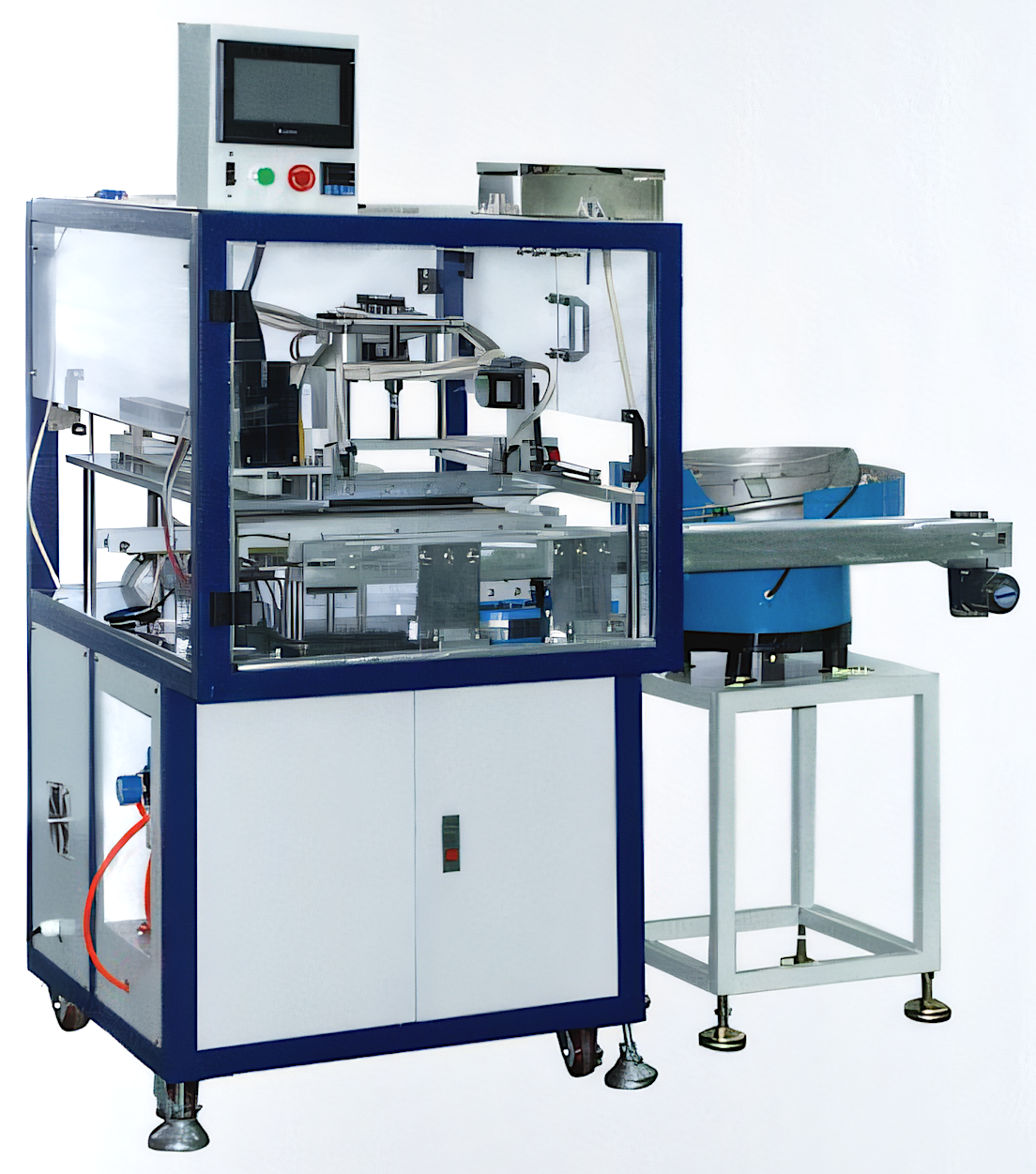 PME AUTOMATION
Fully Auto Dip Soldering Machine — Conveyor Belt Type
View machine ↗Plan the next step
Discuss your component and production target with PME.
Share a drawing, sample, current process and expected output. We can help map the right machines and level of integration.