
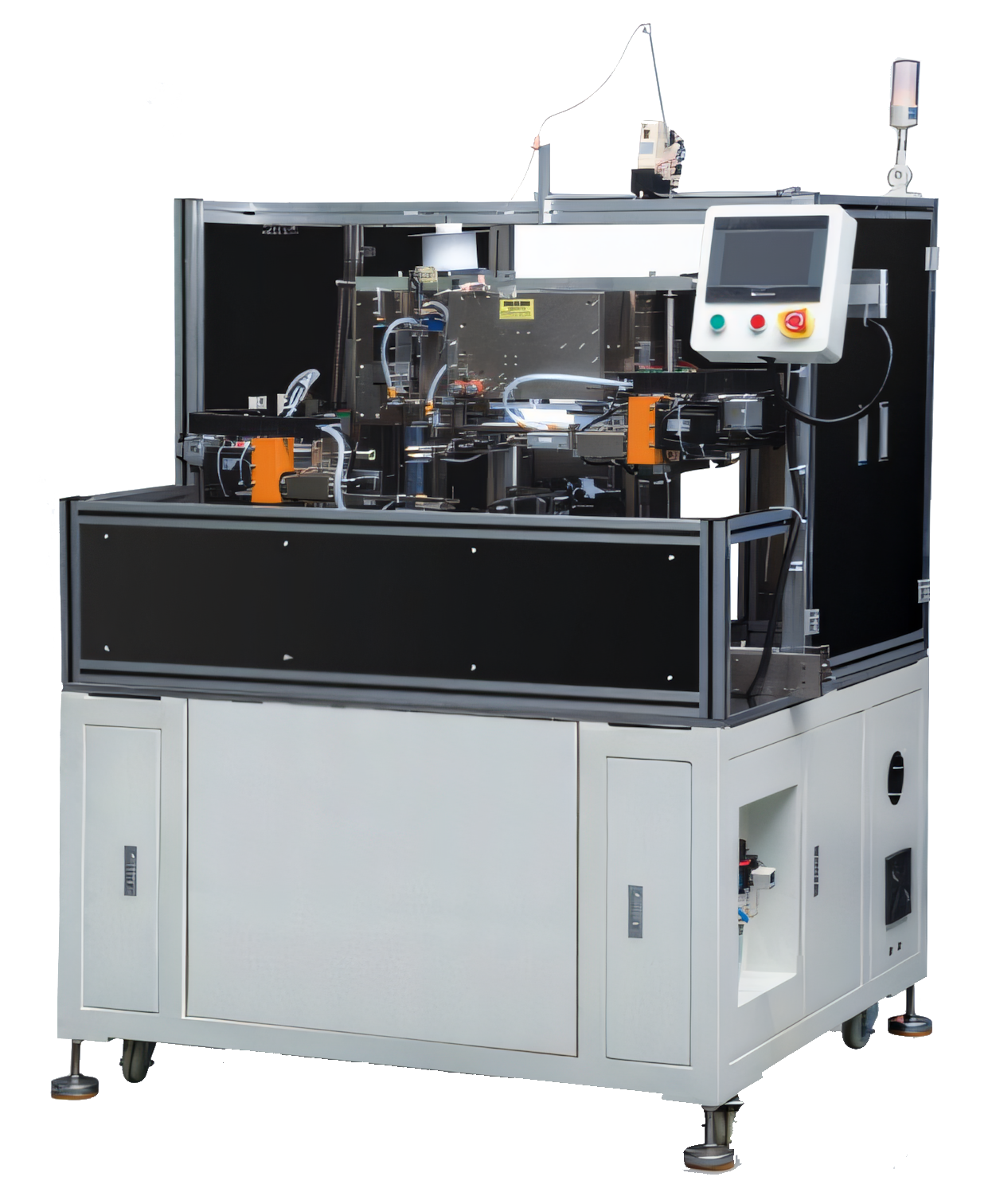
Measure effective station cycle time
Machine cycle is only part of line capacity. Effective cycle includes loading, unloading, scheduled checks and the share of changeover time assigned to each batch. Measure actual repeated cycles across representative products instead of using one demonstration value.
Compare station cycle with the required takt. Winding may be limited by turns, taping by layers, soldering by thermal dwell and testing by settling or measurement. The slowest stable stage becomes the line constraint unless parallel capacity or a different sequence is added.
Decide where parallel processing is justified
If one process is naturally slower, two fixtures or stations may share the load. Multi-spindle winding processes several coils together, and testing can sometimes use parallel nests. Parallelization adds tooling, controls and failure paths, so it should solve a measured constraint.
Calculate capacity using good parts and normal availability. Two nominally fast stations do not guarantee twice the output if they depend on one operator, feeder or test instrument. Include shared resources in the line model.
- Observed cycle distribution, not one best cycle
- Normal replenishment and minor stops
- Shared operator, feeder and utility demand
- Product-specific changeover frequency
Use buffers deliberately
A small buffer can absorb short variation and allow one station to recover without stopping every process. A large buffer can hide recurring faults, increase work-in-process and mix product status. Define capacity, first-in-first-out flow and the condition that stops upstream production.
Protect the part between stages. Wound leads can move, hot solder joints may need stabilization and tested status must remain attached to the component. Pallets, nests or direct transfer should preserve orientation and prevent a reject from entering the next value-adding step.
Validate the complete line at target mix
Run the intended variant schedule with realistic replenishment, changeover and controlled faults. Measure final good output, station starvation and blocking, operator workload and buffer use. A line that meets takt only on one easy product is not balanced for the real plan.
PME production-line concepts connect winding, taping, soldering and testing where the product and volume justify integration. Early cycle data helps determine station count, transfer and a practical ramp-up path.
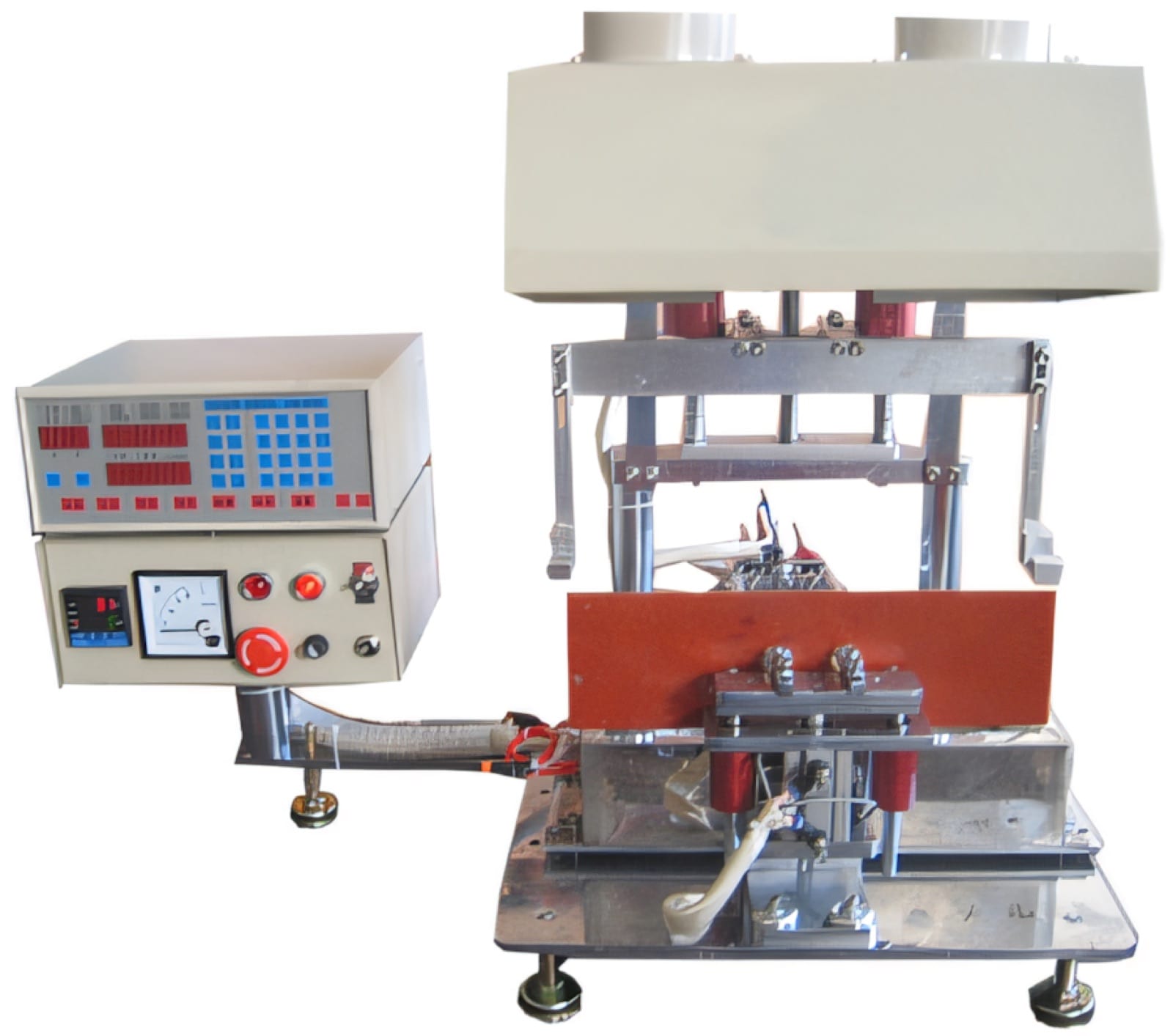
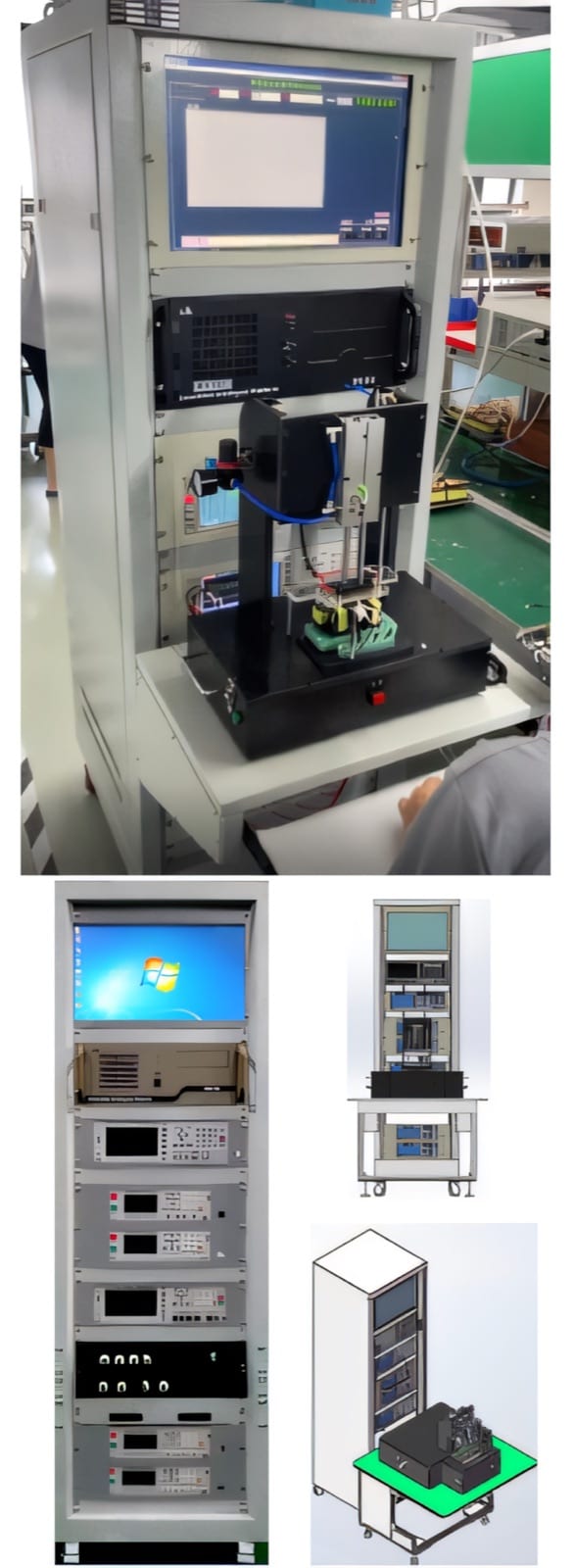
Relevant machinery for this process
Explore PME equipment that can support the operations discussed in this guide. Final machine selection should be confirmed against your component, materials and target output.
Plan the next step
Discuss your component and production target with PME.
Share a drawing, sample, current process and expected output. We can help map the right machines and level of integration.