
Define what impregnation must achieve
Vacuum impregnation introduces an approved insulating material into voids within a wound component. Depending on the product and resin system, the process can support electrical insulation, mechanical stability, moisture resistance and heat transfer. Those goals should be translated into measurable product tests before equipment is selected.
Map the complete route from winding and pre-drying through impregnation, draining, curing and final testing. Coil construction, tape system, resin viscosity, trapped-air paths and thermal mass all affect how easily material penetrates and how long the finished component needs to stabilize.
- Component geometry and winding density
- Approved varnish or resin system
- Required penetration and cured performance
- Batch size, basket arrangement and target throughput
Prepare the component and material
Moisture, dust, oil and loose particles can interfere with impregnation and cure. Define storage limits, pre-drying conditions and the maximum time allowed between preparation and processing. Fixtures and baskets should expose the component without trapping pools of resin in unwanted areas.
Material control is equally important. Verify identity, shelf life, mixing requirements, viscosity window and temperature condition according to the resin supplier’s instructions. If the material contains two components, mixing ratio and usable working time must be controlled as part of the production recipe.
Control vacuum, fill, soak and drain
A typical cycle removes air from the component and vessel, introduces impregnant under controlled conditions, allows time for penetration and then returns the system toward normal pressure before draining. The sequence and endpoint should be developed for the actual product rather than copied from an unrelated coil.
Monitor repeatable indicators such as pressure, hold time, material temperature and batch load. Too short a cycle can leave voids; an unnecessarily long cycle reduces capacity and may not improve quality. Use trials to find the shortest stable recipe that still passes the product’s acceptance tests.
Cure and verify the finished component
Draining and cure determine how much material remains, where it collects and whether the insulation reaches its intended properties. Keep the transfer to the oven controlled, use the resin supplier’s validated cure guidance and account for the difference between oven-air temperature and the temperature inside a loaded component.
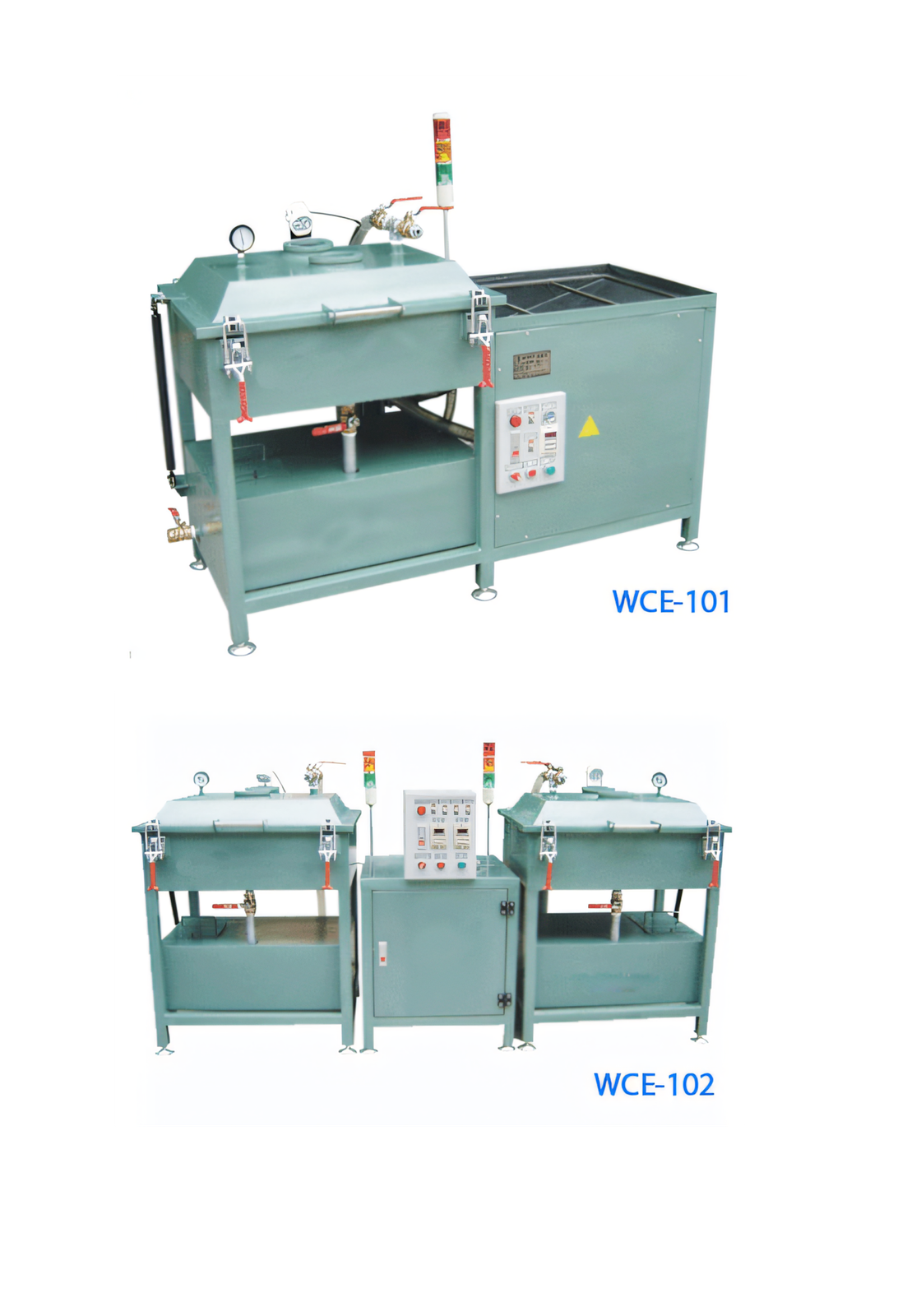
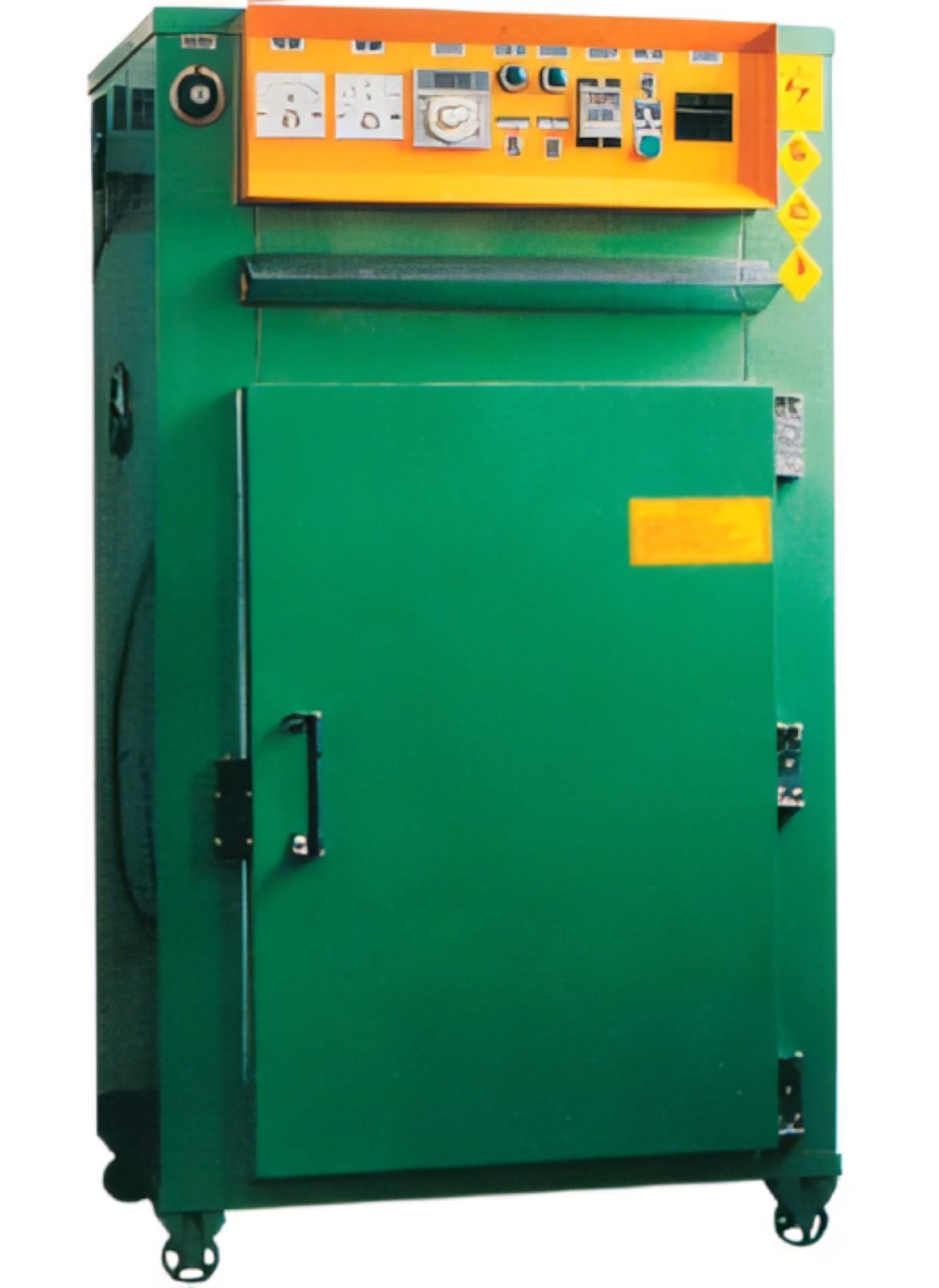
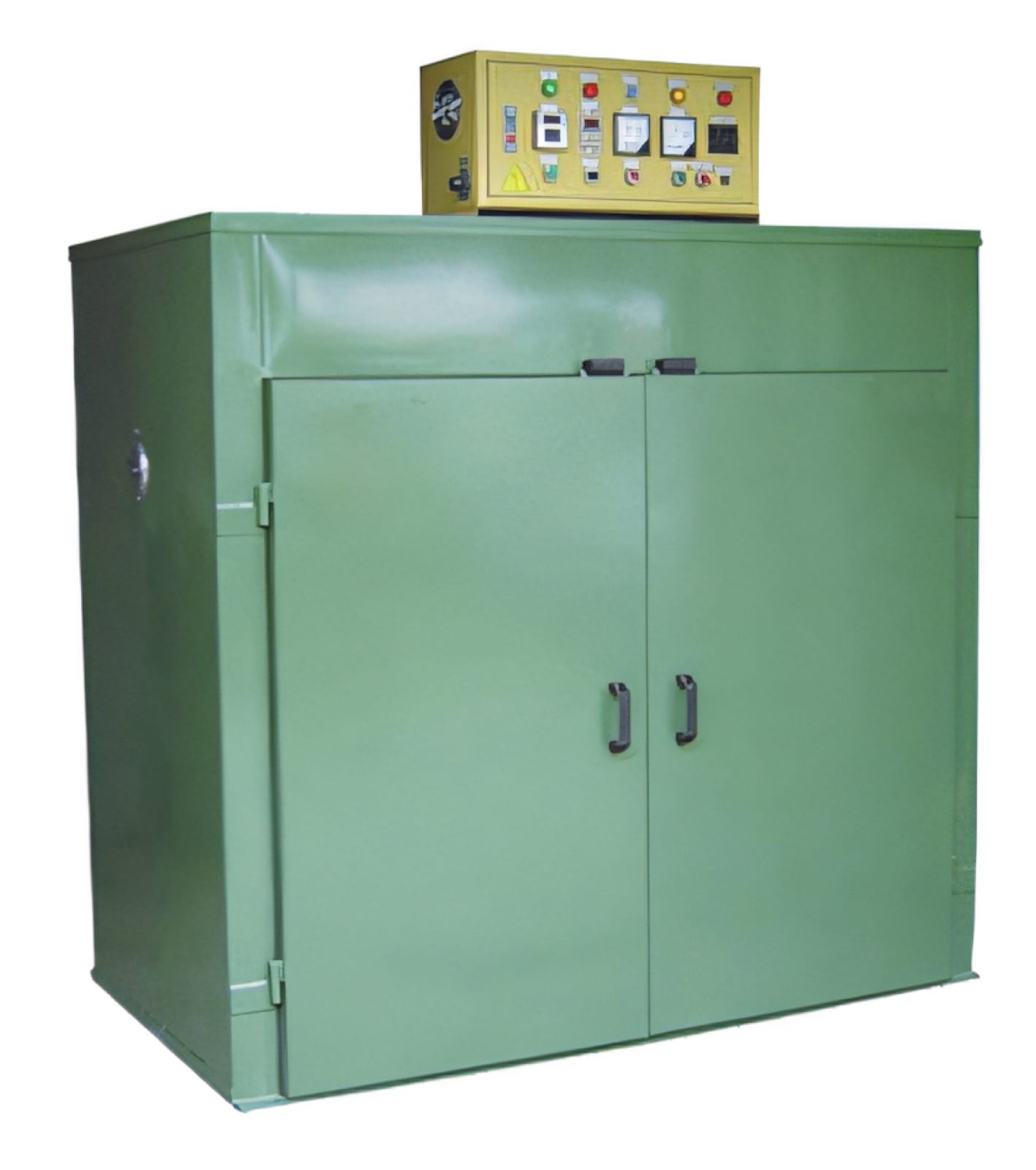
Inspect weight gain, appearance and critical dimensions, then perform the relevant electrical, mechanical or environmental tests. PME one- and double-tank vacuum-impregnation systems can be evaluated with single- or twin-door ovens as a connected batch process based on the component, material and production plan.
Relevant machinery for this process
Explore PME equipment that can support the operations discussed in this guide. Final machine selection should be confirmed against your component, materials and target output.
Plan the next step
Discuss your component and production target with PME.
Share a drawing, sample, current process and expected output. We can help map the right machines and level of integration.