
Close the specification gap before ordering
The largest risk in buying industrial machinery from China is often not distance; it is an incomplete technical scope. A catalogue model must be translated into a production specification covering parts, materials, output, quality, utilities, safety, data, changeover and acceptance.
Share drawings and representative samples, then record any exclusions. Video discussions are useful, but approved documents and trial results should define what the supplier is expected to deliver.
Plan factory acceptance around real production
A factory acceptance test should use agreed materials and run long enough to reveal feeding, replenishment, heating, tension or fixture issues. Measure good output, rejects and recovery rather than observing only a few successful cycles.
Record programs, tooling, settings and outstanding actions before shipment. Confirm how any open points will be closed and how changes affect delivery.
- Approved samples and material quantities
- Cycle-time and quality acceptance criteria
- Electrical drawings, manuals and backup files
- Tooling list and recommended spare parts
Budget for landing, commissioning and training
Freight, insurance, customs, inland handling, utilities and site preparation sit outside the machine price. Commissioning should confirm installation, safety, programs, output and product quality in the receiving factory.
Operator and maintenance training needs enough hands-on time for changeover, alarms, cleaning and recovery. Identify who will provide translation and technical coordination if the OEM team is remote.
Evaluate the support path before the purchase
Direct import may reduce the visible purchase price, but downtime can erase that difference if diagnostics, parts or communication are slow. Ask who owns warranty coordination, remote troubleshooting, spares and on-site service in India.
PM Electronics helps Indian manufacturers source and support relevant automation machinery with local application discussions, installation coordination and after-sales assistance. Buyers should still verify the exact supplier relationship and support scope in each proposal.
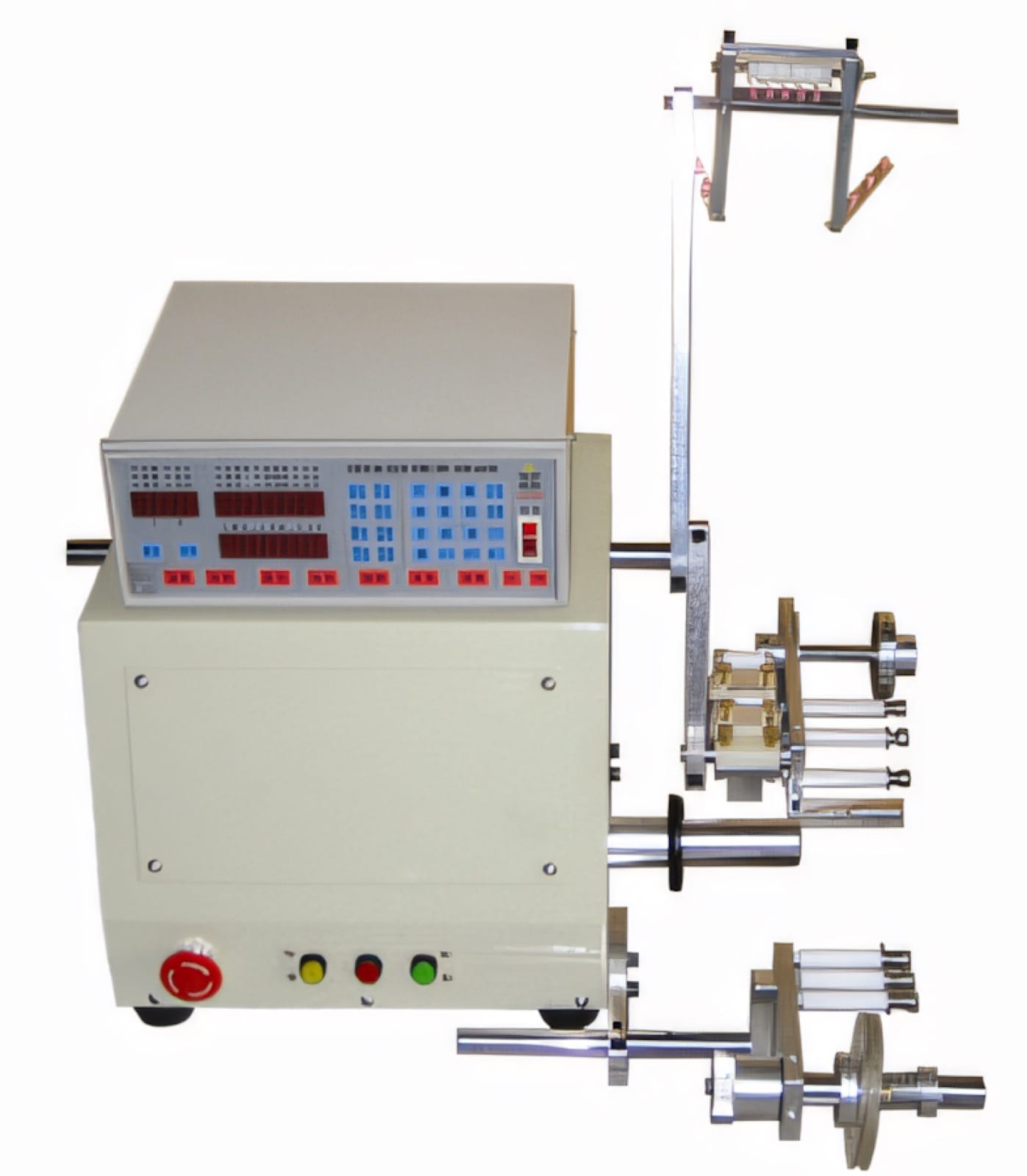
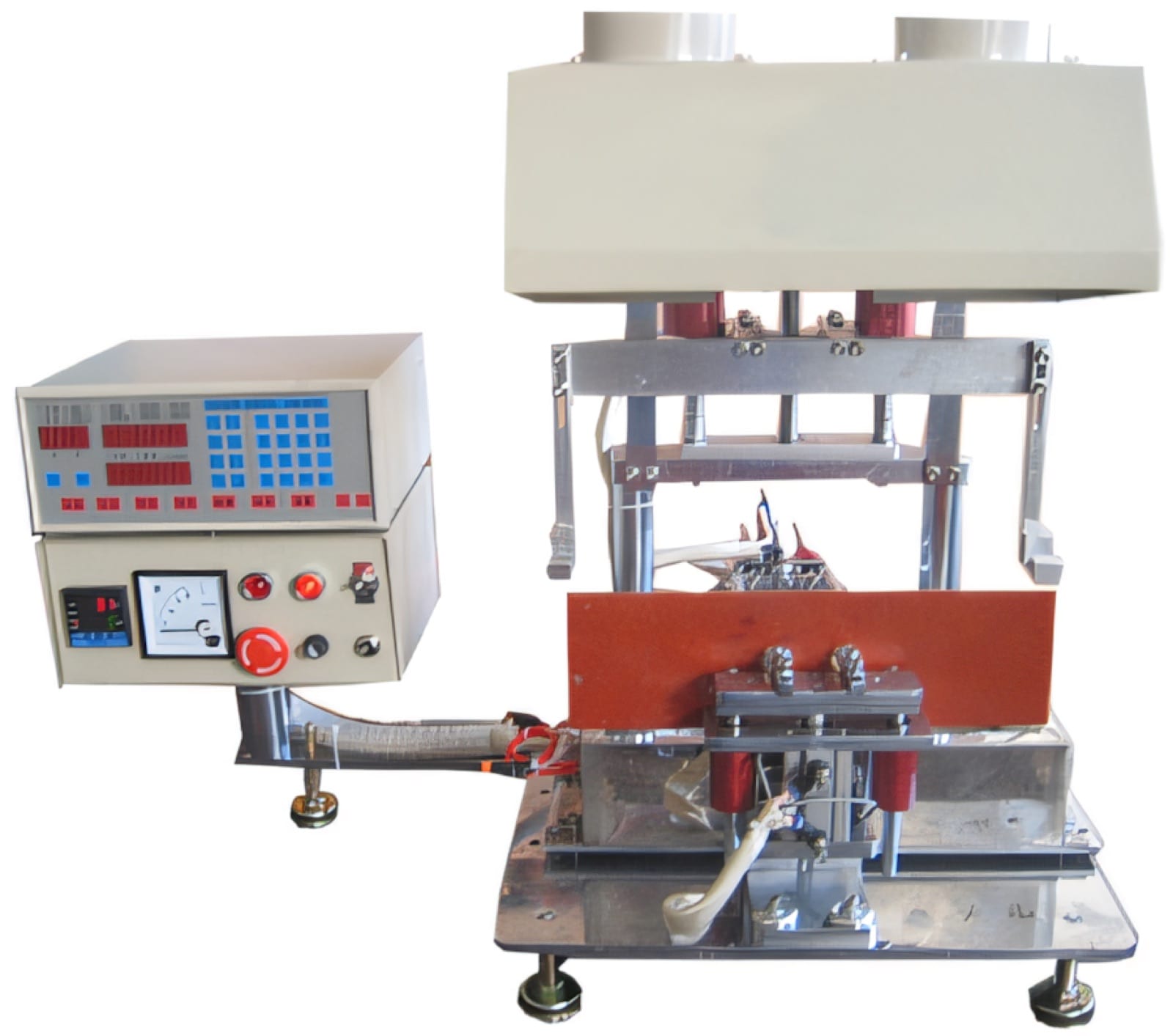
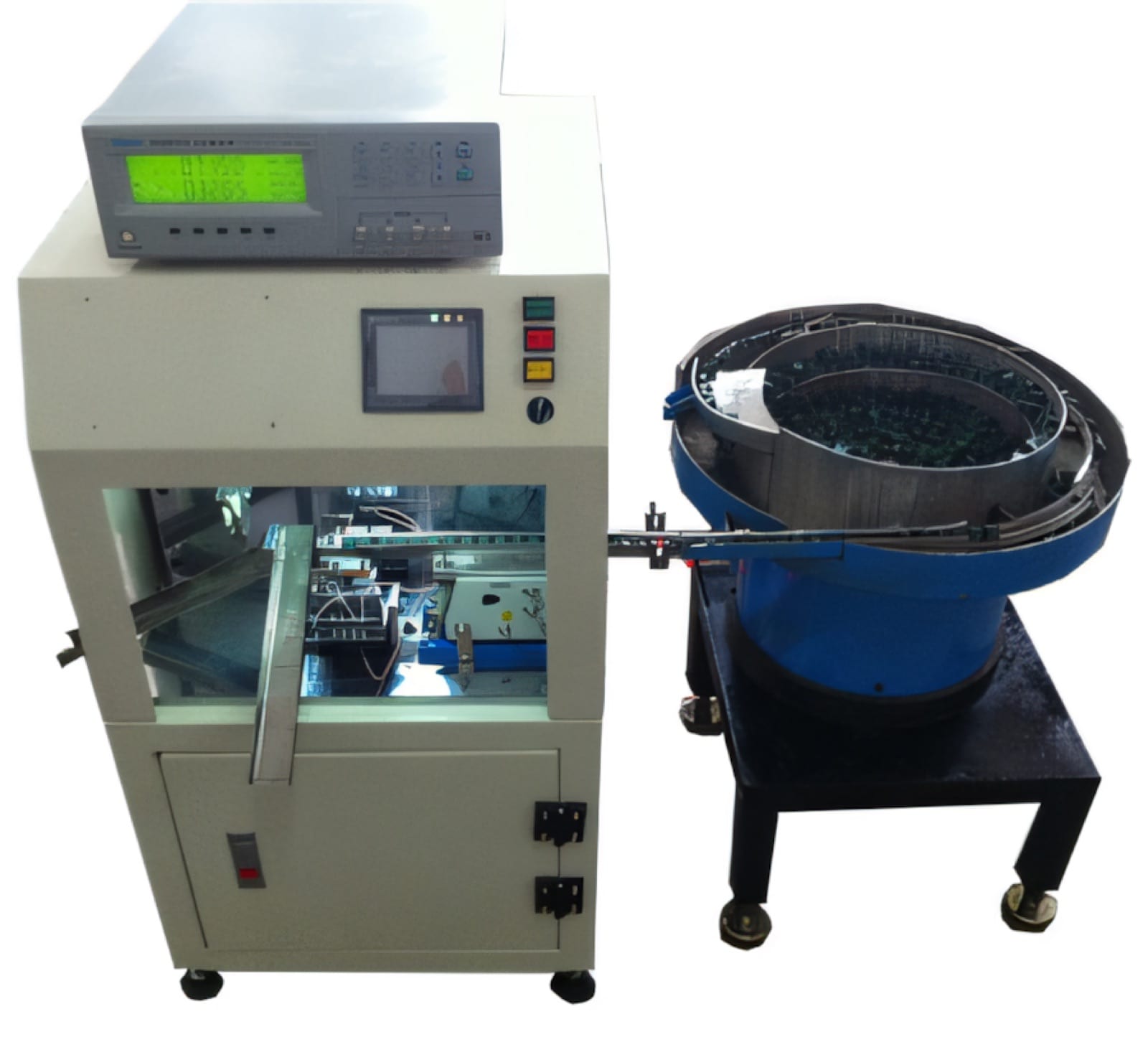
Relevant machinery for this process
Explore PME equipment that can support the operations discussed in this guide. Final machine selection should be confirmed against your component, materials and target output.
Plan the next step
Discuss your component and production target with PME.
Share a drawing, sample, current process and expected output. We can help map the right machines and level of integration.