
Choose the loading method before sizing the machine
Loading is not a small accessory decision. It determines how parts are presented, how often an operator intervenes, how easily variants can change and whether the soldering station can connect to upstream and downstream processes. The same automatic dip-soldering cycle can behave very differently when the machine is starved, receives poorly oriented components or spends too much time waiting for manual handling.
Start with the actual part family and production plan. Record component geometry, terminal direction, surface sensitivity, batch size, hourly demand and changeover frequency. A stable, high-volume component may justify dedicated automatic feeding, while a mixed schedule can benefit from a simpler loading method that changes quickly.
- Required good parts per hour
- Number of product variants and batch sizes
- Risk of scratching, tangling or deforming components
- Available operator time and line-integration plan
Use a bowl feeder for repeatable high-volume parts
A vibratory bowl feeder stores loose components, moves them along a tooled track and rejects incorrect orientations until each part reaches the machine consistently. It can reduce repetitive loading and support long automatic runs when component geometry is stable enough to sort reliably.
The tooling is normally specific to a part or closely related family. Flexible leads, delicate coatings, near-symmetrical shapes and components that nest together can make feeding difficult. Before choosing a bowl-fed soldering machine, run production samples that include normal dimensional and surface variation rather than only perfect parts from a small hand-selected batch.
Use conveyor or manual loading when flexibility matters
A conveyor is useful when parts already arrive in fixtures, pallets or an oriented stream from another process. It provides a visible route through the station and can make in-line transfer easier. The conveyor pitch, fixture datum and accumulation logic must be designed around the soldering cycle so parts do not queue in a way that damages hot joints or mixes pass and reject status.
Manual loading remains practical for frequent product changes, lower volumes, awkward parts and early-stage automation. The machine can still automate picking from a known station, fluxing, dipping, rotation and unloading. Good ergonomics, mistake-proof nests and clear part-present checks are important because the operator becomes part of the cycle.
Compare total production effort, not feeder price alone
Evaluate each option using sustained output, changeover time, operator minutes per hour, replenishment frequency, part-damage risk and recovery from normal jams. Include the cost of dedicated tooling and the value of future variants. A faster feeder is not automatically better if it is difficult to clean, adjust or convert.
The PME-03BCM supports bowl, conveyor and manual loading approaches around an automatic pick, flux, solder and unload process. A sample study can establish which presentation method gives the best balance of stable solder quality, labour use and flexibility for the intended coils, transformers or relays.
Relevant machinery for this process
Explore PME equipment that can support the operations discussed in this guide. Final machine selection should be confirmed against your component, materials and target output.
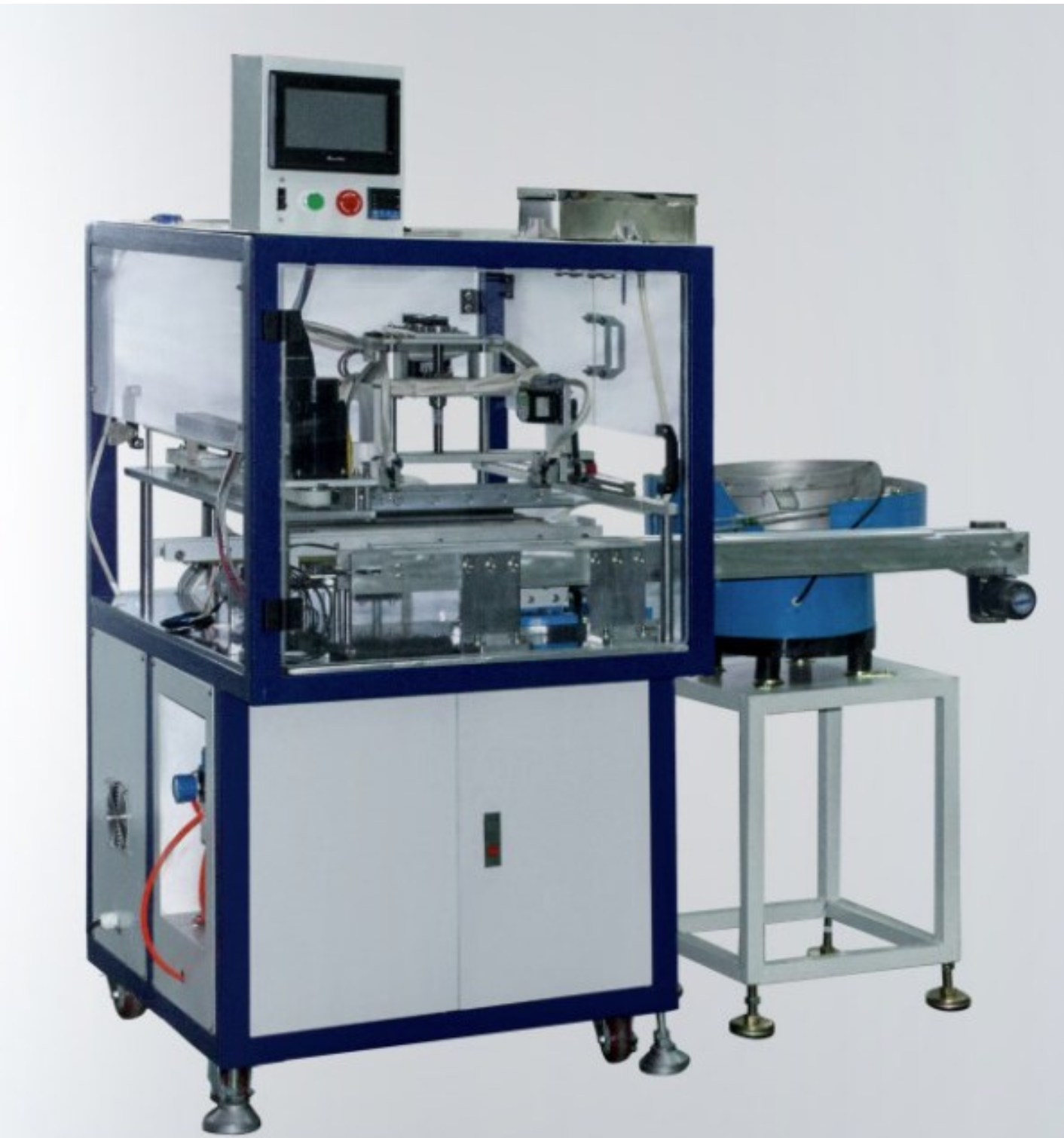 PME AUTOMATION
Auto Soldering Machine (3 Ways Loading Type)
View machine ↗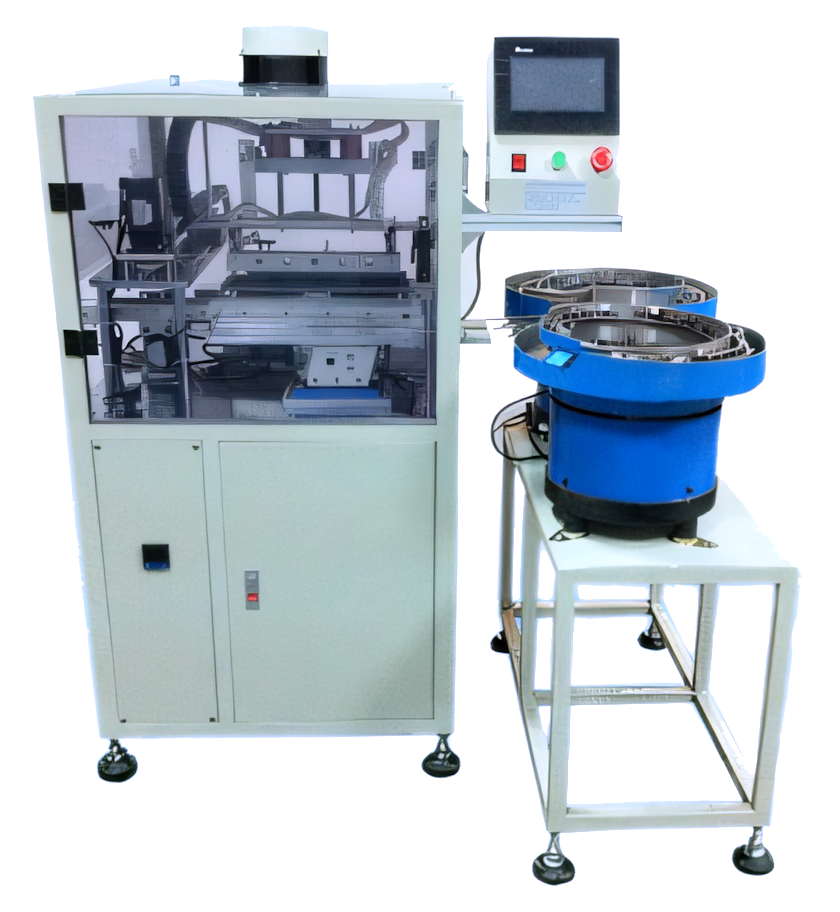 PME AUTOMATION
Fully Auto Dip Soldering Machine — Twin Vibration Bowls
View machine ↗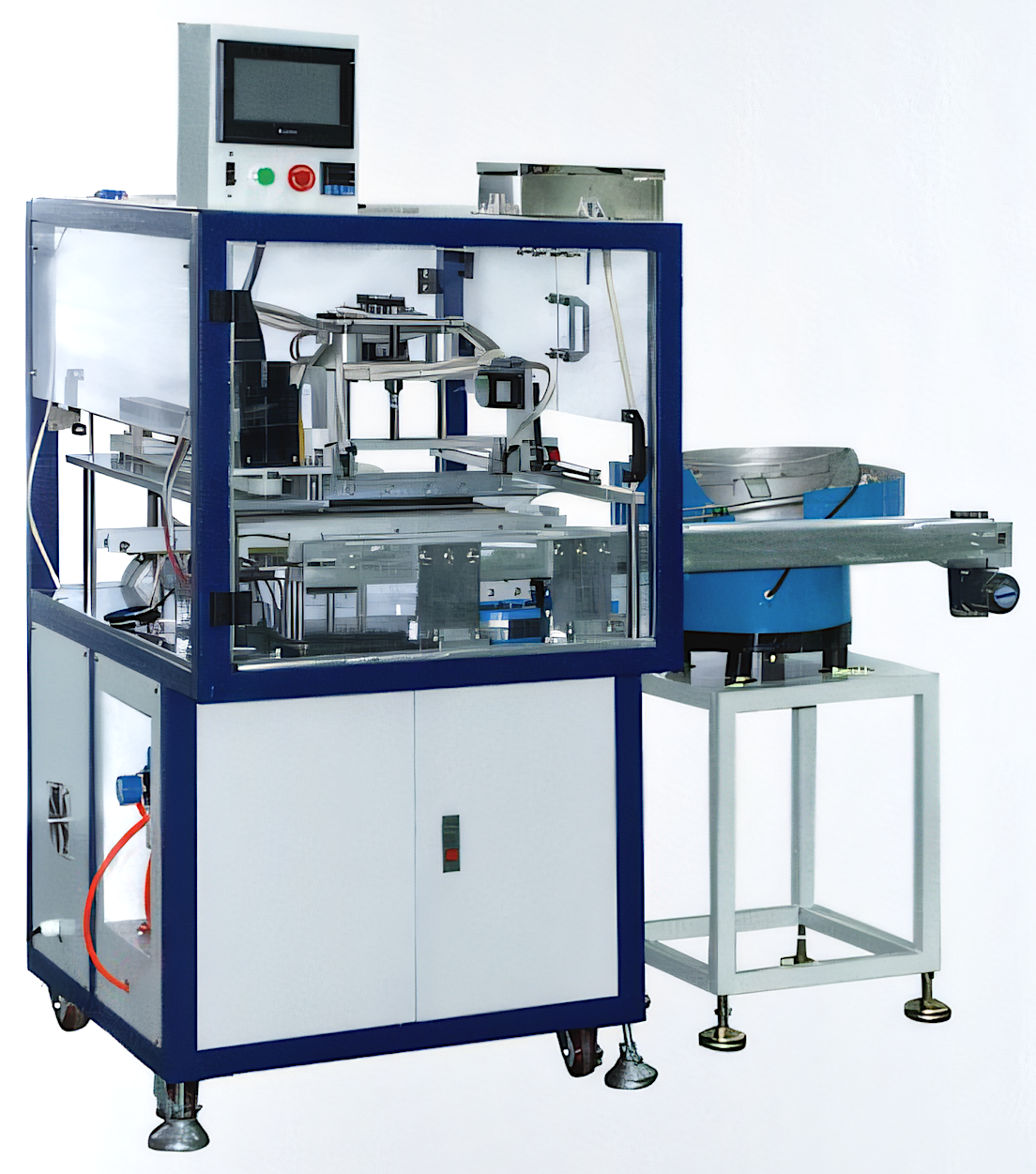 PME AUTOMATION
Fully Auto Dip Soldering Machine — Conveyor Belt Type
View machine ↗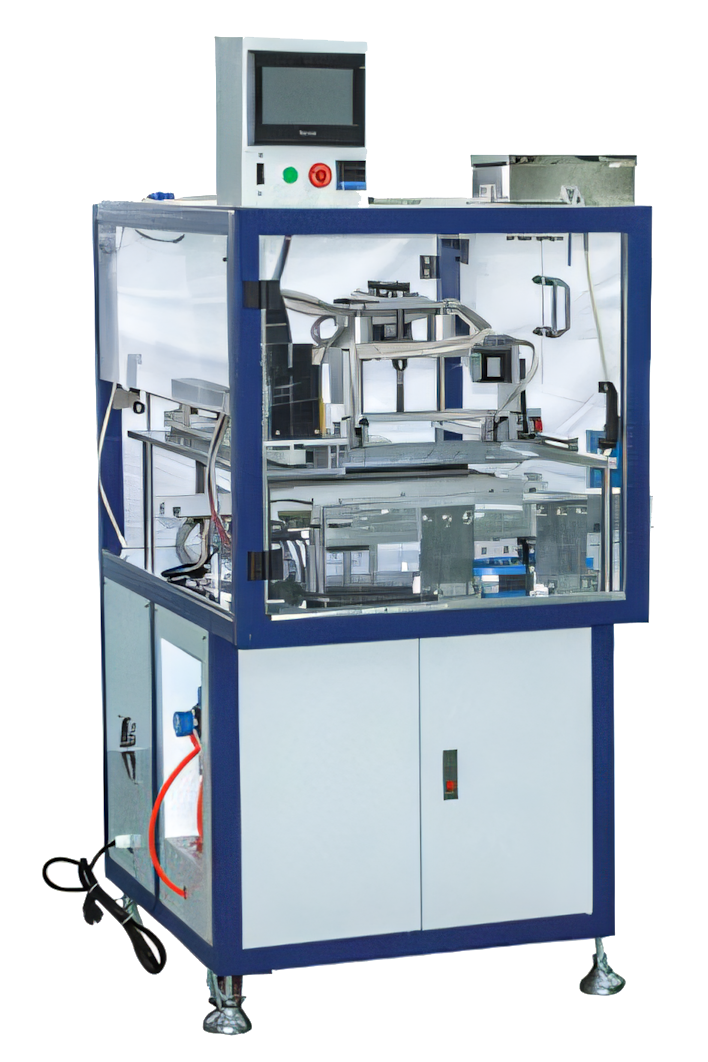 PME AUTOMATION
Auto Dip Soldering Machine — Manual Load Type
View machine ↗Plan the next step
Discuss your component and production target with PME.
Share a drawing, sample, current process and expected output. We can help map the right machines and level of integration.