
Start with the choke construction
Choke coil production may use bobbins, rods, toroidal cores or other magnetic geometries. Wire size, winding pattern, insulation, termination and electrical limits determine the correct machines and handling sequence.
Group products by shared datums and processes. Parts that look electrically similar may require different winding or taping equipment because their mechanical construction is different.
Choose the winding and insulation process
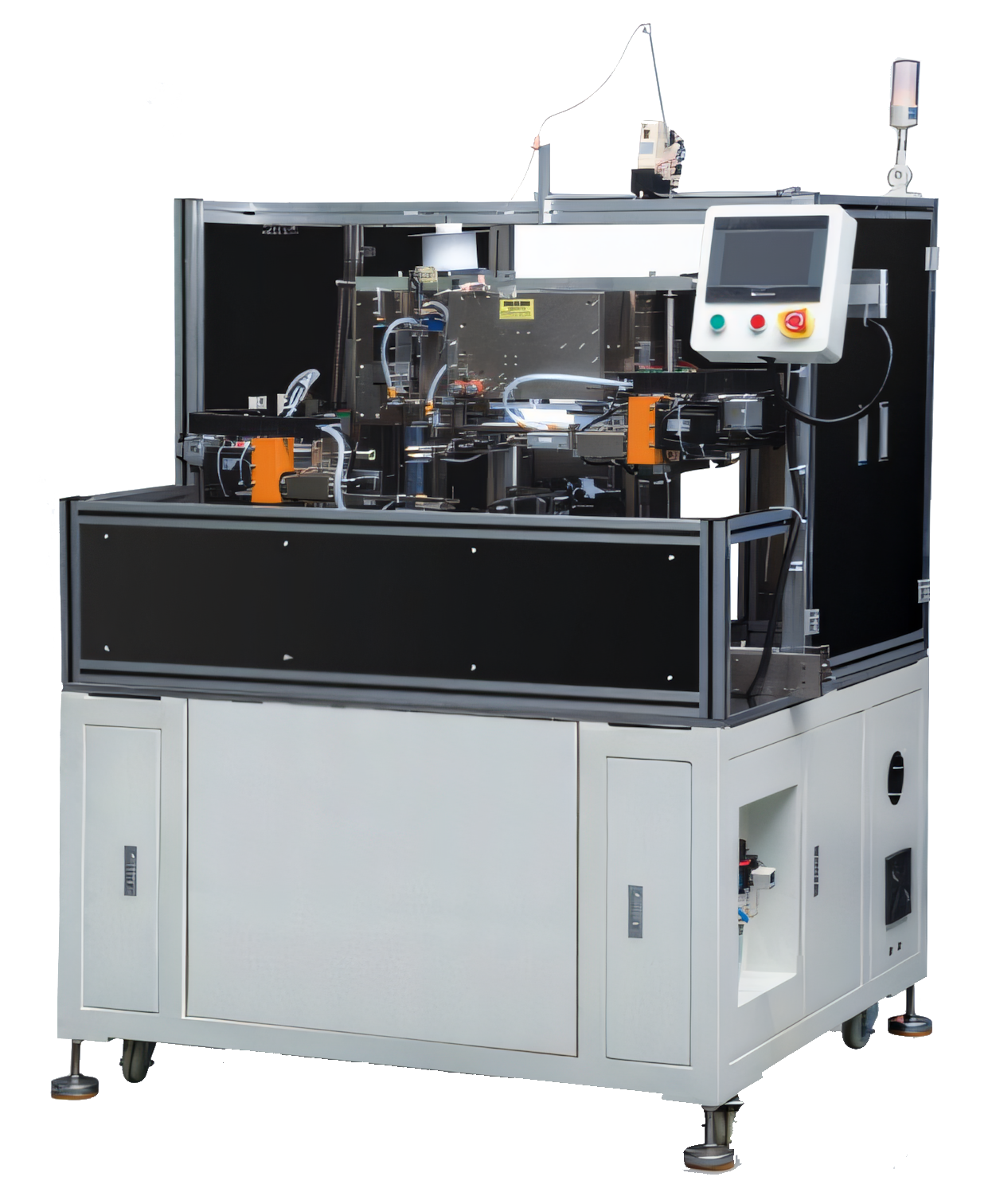
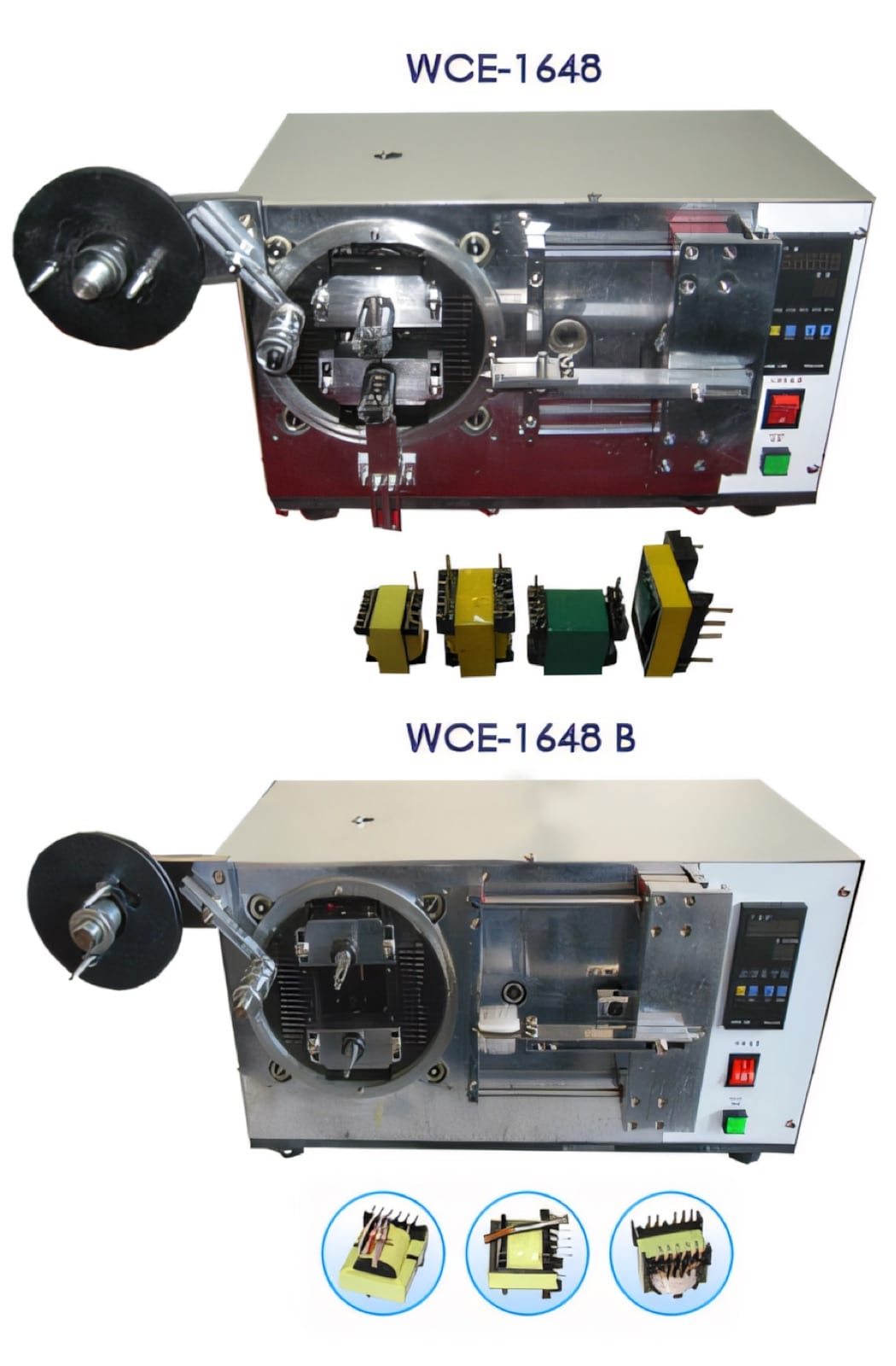
A choke coil winding machine should control turns, pitch, direction and tension for the approved wire and core. Integrated tube insertion or taping can reduce handling when insulation is closely tied to the winding cycle.
For separate taping, establish tape width, overlap, tension and final dimensions. Tooling should protect the magnetic core and finished winding while leaving terminals accessible.
- Core or bobbin feeding method
- Wire path, tension and break detection
- Taping or insulation sequence
- Termination and soldering requirement
Automate testing and reject handling
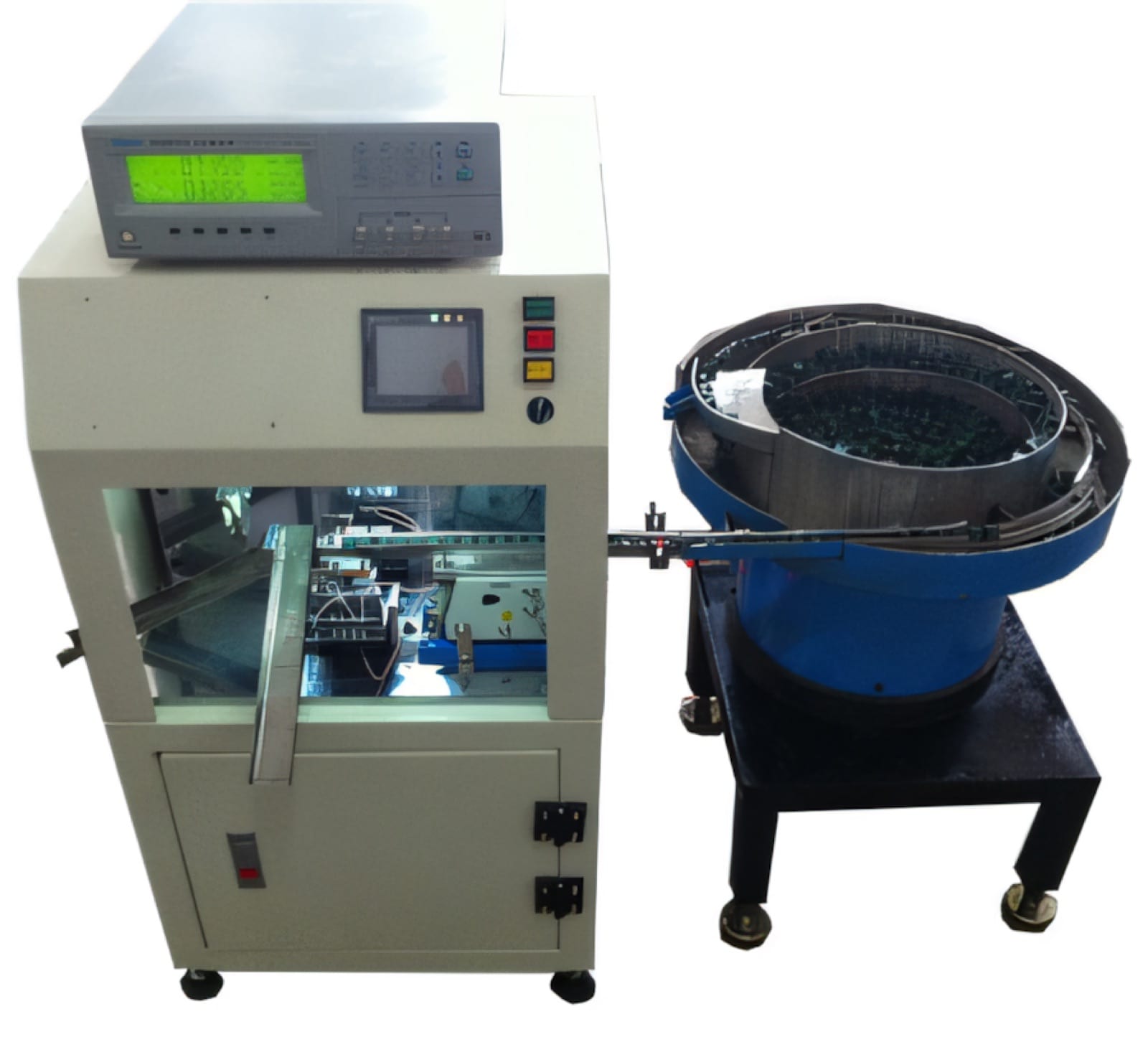
A choke coil production line may test inductance, resistance, continuity or other component-specific parameters. Stable electrical contact and the correct recipe are essential for reliable sorting.
Automatic feeding and pass/fail separation reduce handling, but the fixture must accommodate normal dimensional variation. Define retest and reject access so failed parts cannot re-enter accepted output.
Scale from stations to a connected line
A manufacturer can begin with winding or testing and later add taping, soldering and transfer. Standardized nests, recipe naming and line interfaces make this staged route easier.
PME supplies winding, taping and fully automatic inductor testing equipment that can support choke coil manufacturing. A process review determines which operations should be combined for the required volume and product mix.
Relevant machinery for this process
Explore PME equipment that can support the operations discussed in this guide. Final machine selection should be confirmed against your component, materials and target output.
Plan the next step
Discuss your component and production target with PME.
Share a drawing, sample, current process and expected output. We can help map the right machines and level of integration.