
Treat tension as a dynamic process
A coil winding machine with tension control must manage wire force during acceleration, constant speed, deceleration and traverse reversal. A stable reading at rest does not prove that tension remains within the safe window through the actual cycle.
The acceptable range depends on conductor size, insulation, bobbin strength and winding pattern. Fine wire generally needs sensitive control and gentle guides; larger wire demands sufficient torque and robust handling.
Control the complete wire path
Spool payoff, brakes, pulleys, ceramic guides, dancer mechanisms and nozzles all contribute to tension. Misalignment, contamination or a worn surface can create friction spikes and damage insulation.
Place the spool and guides so wire moves smoothly without sharp bends. Review how spool diameter changes through the run and how a new spool is introduced without changing the process unexpectedly.
- Measure tension during the programmed cycle
- Inspect every contact surface for wear
- Use appropriate acceleration and traverse settings
- Record tension settings by product recipe
Read the finished coil
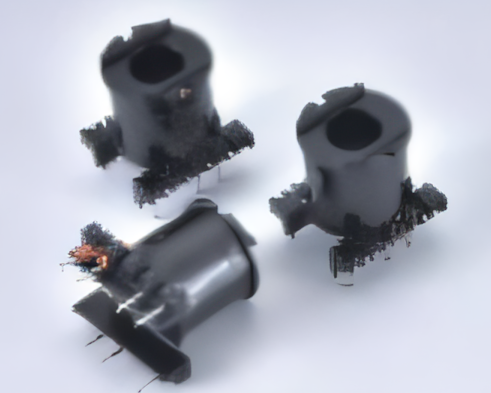
Loose turns, inconsistent dimensions, crossed layers, bobbin distortion and frequent wire breaks can indicate a tension problem, but they may also come from traverse, tooling or material variation. Investigate the pattern instead of adjusting tension blindly.
Compare defects by spindle, material lot and point in the cycle. A repeatable issue at acceleration suggests a different cause from a slow drift as the supply spool empties.
Validate and maintain the tension system
Use calibrated checks at planned intervals and confirm winding quality after guide, brake or tensioner maintenance. Multi-spindle machines should be compared position by position so parallel output remains consistent.
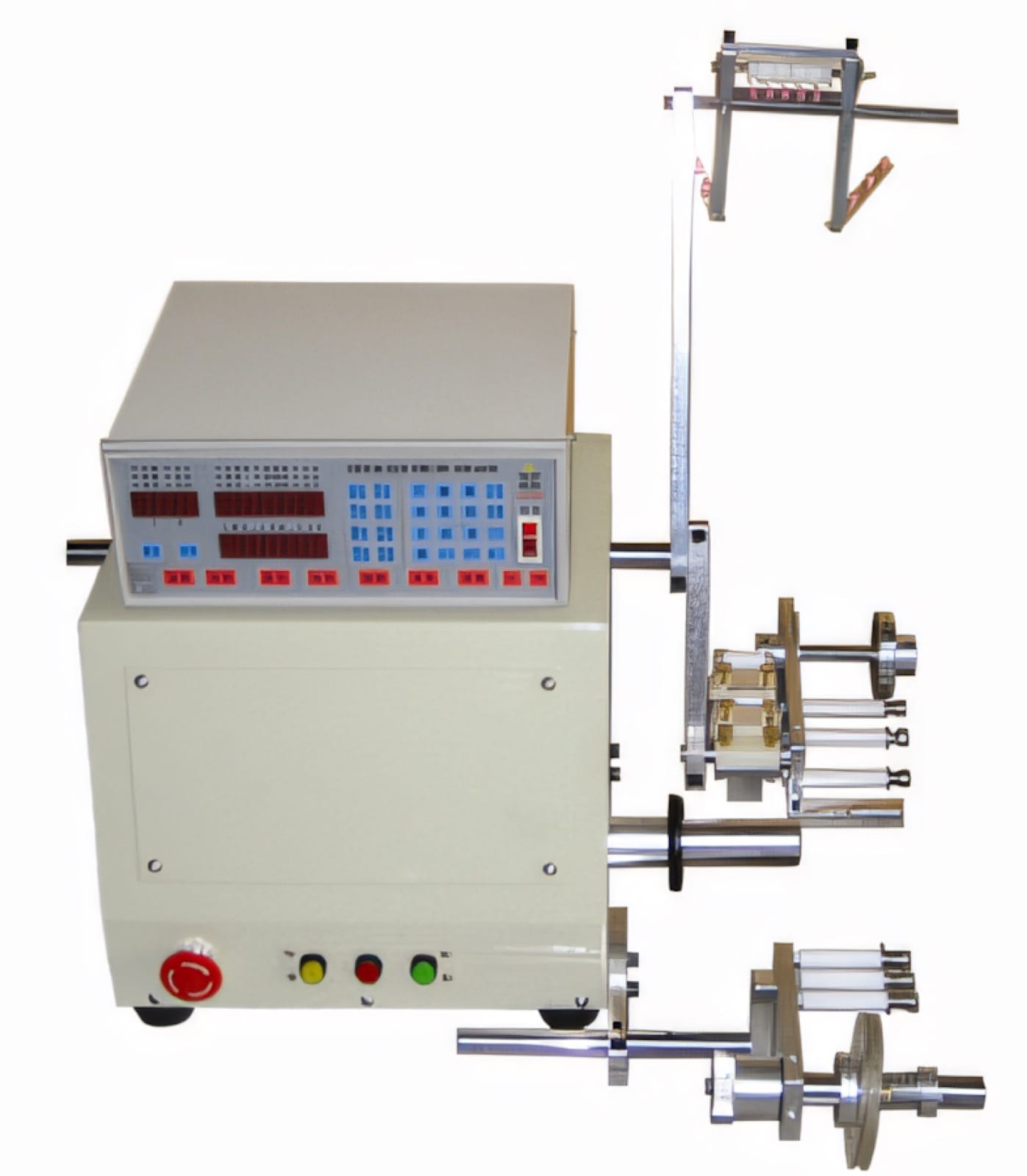
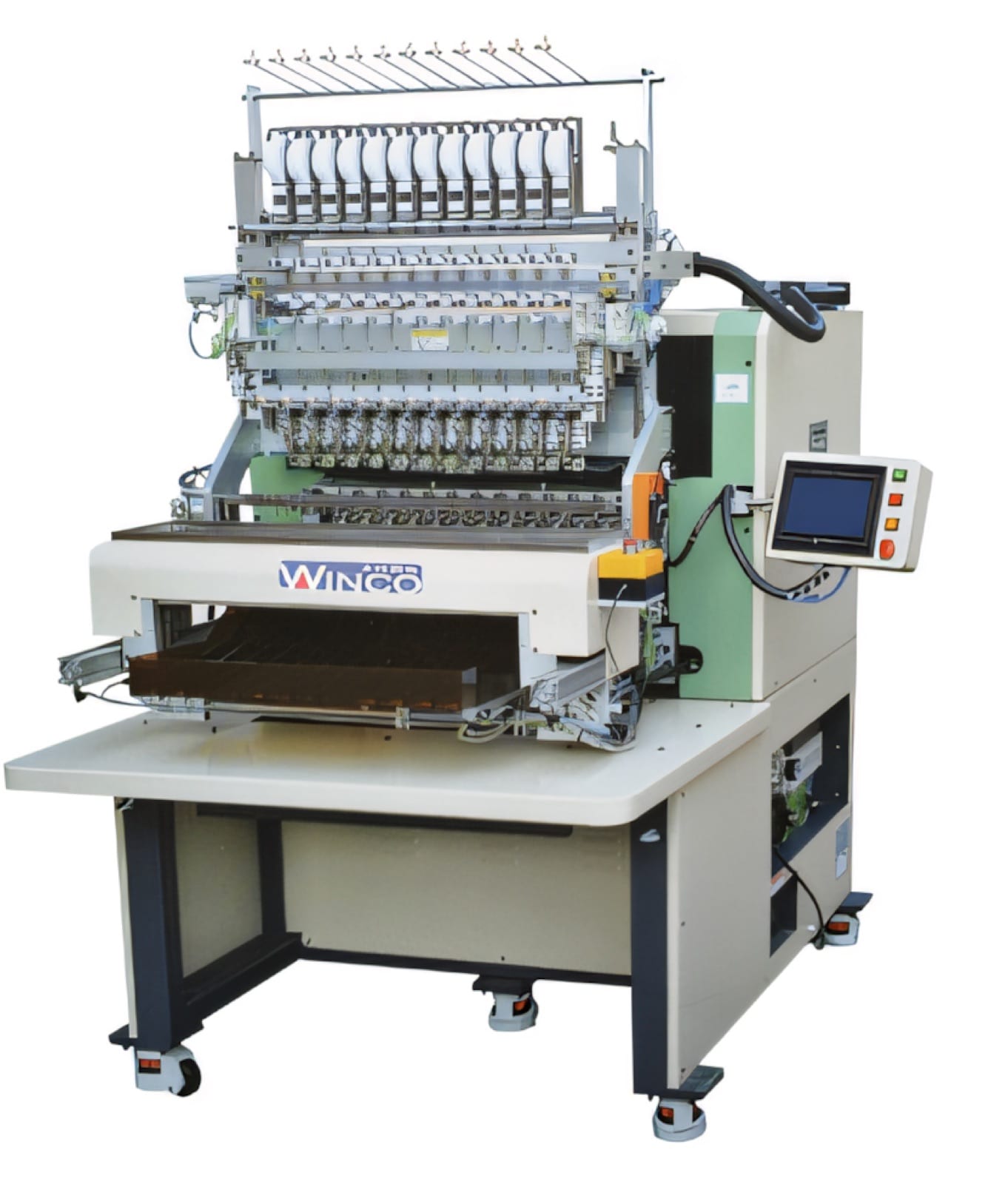
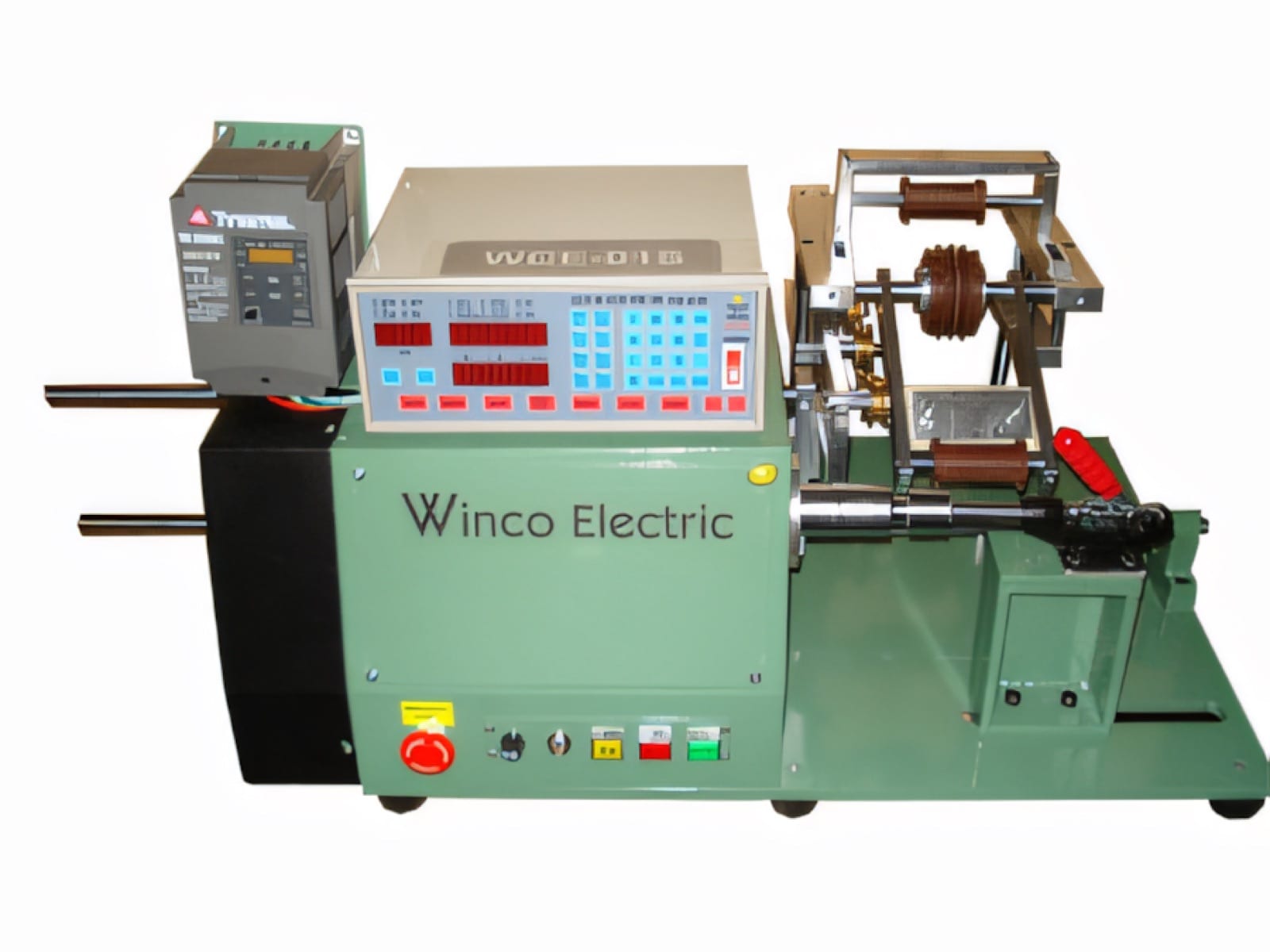
PME’s CNC, multi-spindle and large-torque winding machines cover different wire and production requirements. Trials with the actual component and wire establish the suitable architecture and tension-control approach.
Relevant machinery for this process
Explore PME equipment that can support the operations discussed in this guide. Final machine selection should be confirmed against your component, materials and target output.
Plan the next step
Discuss your component and production target with PME.
Share a drawing, sample, current process and expected output. We can help map the right machines and level of integration.